
TL;DR:
- Regular annual maintenance prevents costly repairs by catching wear and leaks early.
- Maintenance extends system lifespan and improves efficiency, saving homeowners money.
- Scheduling checkups seasonally and building a relationship with trusted technicians ensures ongoing home protection.
Many homeowners in Orange County and Los Angeles County believe that if their appliances, HVAC system, and plumbing seem to be working fine, there is no reason to call a technician. That assumption is one of the most expensive mistakes you can make as a homeowner. Hidden wear, small leaks, and gradual efficiency loss build up quietly over months, and by the time you notice something is wrong, the repair bill is far larger than it needed to be. This article explains why annual maintenance is a smart investment, what it actually covers, and how to get it organized efficiently for your home.
Table of Contents
- Why annual maintenance matters for your home
- What annual maintenance includes: Appliances, HVAC, plumbing
- The real cost of skipping annual maintenance
- How to schedule effective annual maintenance in Orange and LA County
- Why most homeowners underestimate maintenance, and what actually works
- Ready to protect your home? Explore your annual maintenance options
- Frequently asked questions
Key Takeaways
| Point | Details |
|---|---|
| Major cost savings | Annual maintenance often prevents expensive emergencies and repair bills. |
| Longer system lifespan | Routine checkups greatly extend the life of HVAC, plumbing, and appliances. |
| Improved home safety | Yearly inspections help avoid gas leaks, water damage, and electrical hazards. |
| Lower energy bills | Well-maintained systems use less energy, saving you money every month. |
| Peace of mind | Scheduled maintenance ensures your home runs smoothly with fewer surprises. |
Why annual maintenance matters for your home
Most people think of home maintenance as something you do when things break. The reality is that annual maintenance is about preventing the break from happening in the first place. Appliances, HVAC units, and plumbing systems all experience gradual wear that is invisible to the untrained eye. A small refrigerant leak in your air conditioner, for example, may not affect comfort noticeably for months, but it steadily forces the system to work harder, driving up your energy bills and shortening the equipment’s life.
Regular HVAC service benefits include more than just comfort. Consistent checkups keep your system running at peak efficiency and reduce the likelihood of sudden, disruptive breakdowns during the hottest or coldest days of the year, which is exactly when HVAC systems are under the most stress.
The same principle applies to plumbing. Pipes, valves, and water heaters all develop slow issues that go unnoticed without a professional inspection. Annual plumbing inspections can save up to 30% on repair costs by catching problems before they become emergencies. A loose fitting or a water heater showing early signs of corrosion costs very little to address during a scheduled visit. Left alone, those same issues can lead to flooding, mold, and thousands of dollars in damage.
Here is a quick look at what annual maintenance protects across your home:
- Appliances: Refrigerators, dishwashers, washers, dryers, and ovens all benefit from regular cleaning of components, checking electrical connections, and testing safety features. Appliance checkups extend the working life of machines that cost hundreds or even thousands of dollars to replace.
- HVAC systems: Filters, coils, belts, thermostats, and refrigerant levels all need regular attention to keep the system running safely and efficiently throughout California’s warm seasons.
- Plumbing: Water pressure, pipe joints, water heater performance, drain flow, and shutoff valves all require periodic review to avoid leaks, blockages, and water damage.
- Safety systems: Annual visits often include checking for gas line integrity, carbon monoxide risks, and electrical issues connected to home systems.
Beyond the practical benefits, annual door maintenance benefits demonstrate a broader truth: consistent upkeep protects both the safety and long-term value of every system in your home, not just the high-tech ones.
Key statistic: Properly maintained systems last significantly longer and operate far more efficiently than neglected ones, reducing both energy costs and replacement expenses over time.
Now that you understand why skipping annual maintenance can be risky, let’s explore what it actually includes for each major part of your home.
What annual maintenance includes: Appliances, HVAC, plumbing
Understanding the value is important, but homeowners also want to know what is actually done during an annual service visit. The process is more organized and thorough than most people expect.
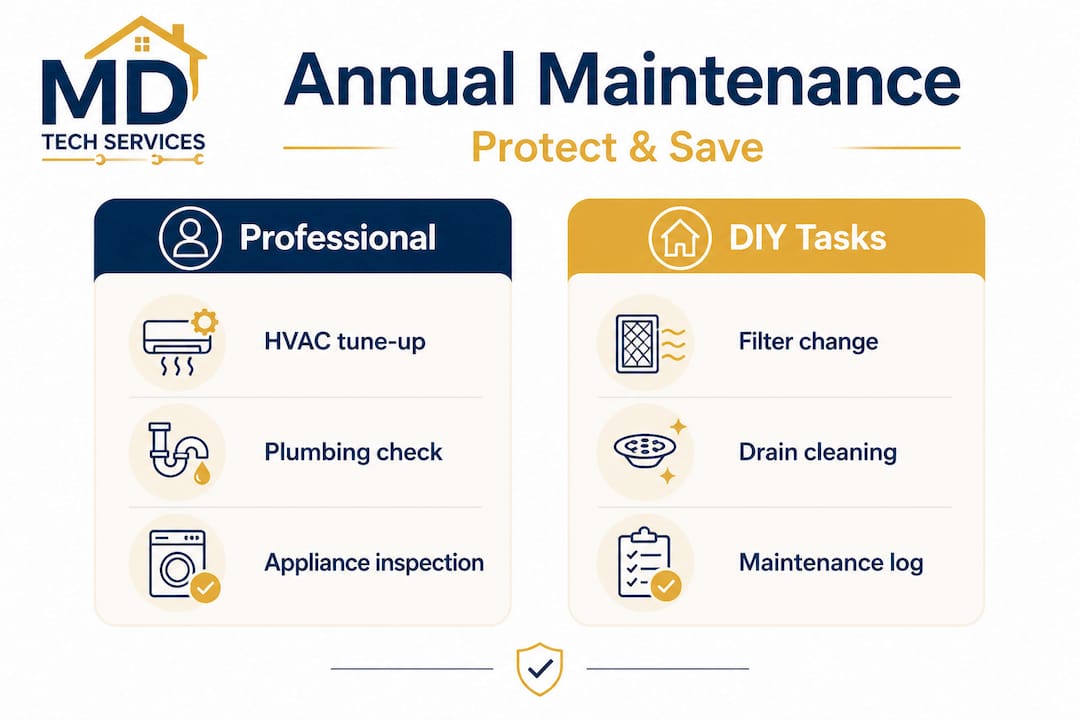
Regular appliance tune-ups and HVAC inspections reduce long-term costs and improve safety by addressing both mechanical performance and electrical integrity in a single visit.
Here is a side-by-side overview of what technicians typically check during annual maintenance:
| System | What technicians inspect |
|---|---|
| Appliances | Seals, filters, belts, electrical connections, safety cutoffs, thermostat accuracy |
| HVAC | Air filters, coils, blower motor, refrigerant levels, thermostat, ductwork leaks |
| Plumbing | Water pressure, pipe joints, water heater anode rod, drain flow, shutoff valves |
A typical annual maintenance visit follows a clear, step-by-step process:
- Booking and system review. You schedule the visit and provide a list of all major systems in your home. This allows the technician to bring the right tools and parts.
- Visual inspection. The technician performs a walkthrough to spot obvious issues such as rust, moisture damage, or worn connections.
- System-by-system testing. Each appliance, HVAC unit, and plumbing fixture is tested under normal operating conditions to identify performance issues.
- Cleaning and adjustment. Filters are replaced, coils are cleaned, belts are checked, and small adjustments are made to restore efficient operation.
- Safety verification. Gas connections, carbon monoxide levels, and electrical components are verified to meet safety standards.
- Follow-up report. You receive a written summary of everything checked, anything corrected, and any items to watch in the coming months.
HVAC care in California follows seasonal patterns, and a spring checkup before peak summer heat is one of the most valuable investments an Orange County or LA County homeowner can make. The same logic applies to plumbing before winter, when pipes and water heaters face additional stress.
Pro Tip: Create a simple home maintenance log where you record the date of each service visit, what was inspected, and any recommendations the technician noted. This record helps you track warranty timelines, plan future visits, and gives you strong documentation if you ever sell your home.
Appliance tune-up tips also suggest asking your technician to walk you through any minor tasks you can handle between visits, such as cleaning refrigerator coils or checking dryer vents. This keeps systems cleaner and reduces the workload for the next annual visit.
The real cost of skipping annual maintenance
Knowing what is included is helpful, but understanding the financial and safety risks of putting off maintenance really highlights the stakes for homeowners.
The numbers are clear. A routine HVAC tune-up typically costs between $75 and $150. A full HVAC system replacement in California can cost anywhere from $5,000 to $12,000, depending on the size and type of unit. Regular maintenance can extend the life of an HVAC system by five to ten years, meaning those annual checkups pay for themselves many times over. Preventative HVAC maintenance cuts energy bills by up to 15% in California homes, a savings that adds up significantly over a full year of operation.
Here is a direct cost comparison for common systems with and without annual maintenance:
| System | With annual maintenance | Without maintenance |
|---|---|---|
| HVAC unit | Lifespan: 15-20 years, efficient operation | Lifespan: 8-12 years, rising energy costs |
| Refrigerator | Compressor lasts full life, minimal repairs | Early compressor failure, $400-$800 repair |
| Water heater | 10-15 year lifespan, consistent output | Early corrosion, leaks, potential flooding |
| Plumbing pipes | Small fixes under $200 during inspection | Emergency repairs: $1,000-$5,000 or more |
The risks of skipping maintenance go beyond repair costs:
- Sudden breakdowns at the worst possible times, such as during a summer heatwave or holiday gatherings
- Water damage from undetected leaks that can destroy flooring, walls, and cabinetry
- Fire hazards from appliances with worn electrical components or blocked dryer vents
- Carbon monoxide risk from furnaces or gas appliances that have not been inspected
- Higher utility bills every single month from systems running inefficiently
“Homeowners who skip annual maintenance are essentially paying a penalty in the form of higher monthly energy bills and shorter equipment lifespans, without even realizing it.”
Energy savings with HVAC maintenance are especially meaningful in Southern California, where air conditioning runs for a large portion of the year. A system that is only slightly out of tune can consume 20 to 30 percent more electricity than one that has been properly serviced. That difference shows up on your utility bill every month.
HVAC efficiency tips for Southern California homeowners often emphasize seasonal preparation, particularly before summer and after the mild winter months, when systems transition between heavy use periods.
How to schedule effective annual maintenance in Orange and LA County
Now that you understand the risks, here is how to easily schedule and manage annual maintenance for your home in a way that saves time and reduces stress.
Scheduling regular checks leads to fewer emergencies and smoother home system operation year after year. The key is building a routine rather than reacting to problems.
Follow these steps to set up an effective annual maintenance schedule:
- List all major systems in your home. Include your HVAC units, all major appliances such as refrigerators, washers, dryers, ovens, dishwashers, your water heater, and your plumbing fixtures. Knowing what you have makes scheduling easier.
- Choose a licensed local provider. Look for technicians who are licensed, insured, and familiar with homes in Orange County and LA County. Local experience matters because your climate and infrastructure have specific demands.
- Align checkups with the seasons. Schedule HVAC service in spring before summer heat arrives. Plan plumbing inspections in early fall before cooler weather puts stress on water heaters and pipes. Appliance checkups can be done at any time of year.
- Prepare your systems before the visit. Clear the area around your HVAC unit, water heater, and major appliances so the technician can work efficiently. Note any performance issues you have observed, even minor ones.
- Request a written service report. After every visit, ask for documentation of what was checked and what was done. Keep this in a physical or digital home file.
- Set a calendar reminder for the following year. Annual maintenance works best when it is consistent. A simple recurring reminder prevents the visit from slipping through the cracks.
Pro Tip: Bundle your appliance, HVAC, and plumbing checkups into a single scheduled visit whenever possible. Many service providers, including local teams serving Orange County and LA County, can coordinate multiple systems in one appointment. This saves you time and often reduces the total cost compared to booking three separate visits.
DIY HVAC maintenance steps can fill the gaps between professional visits. Tasks like replacing air filters every 60 to 90 days, keeping outdoor HVAC units clear of debris, and checking for unusual sounds or smells from appliances help you stay ahead of problems between annual checkups.
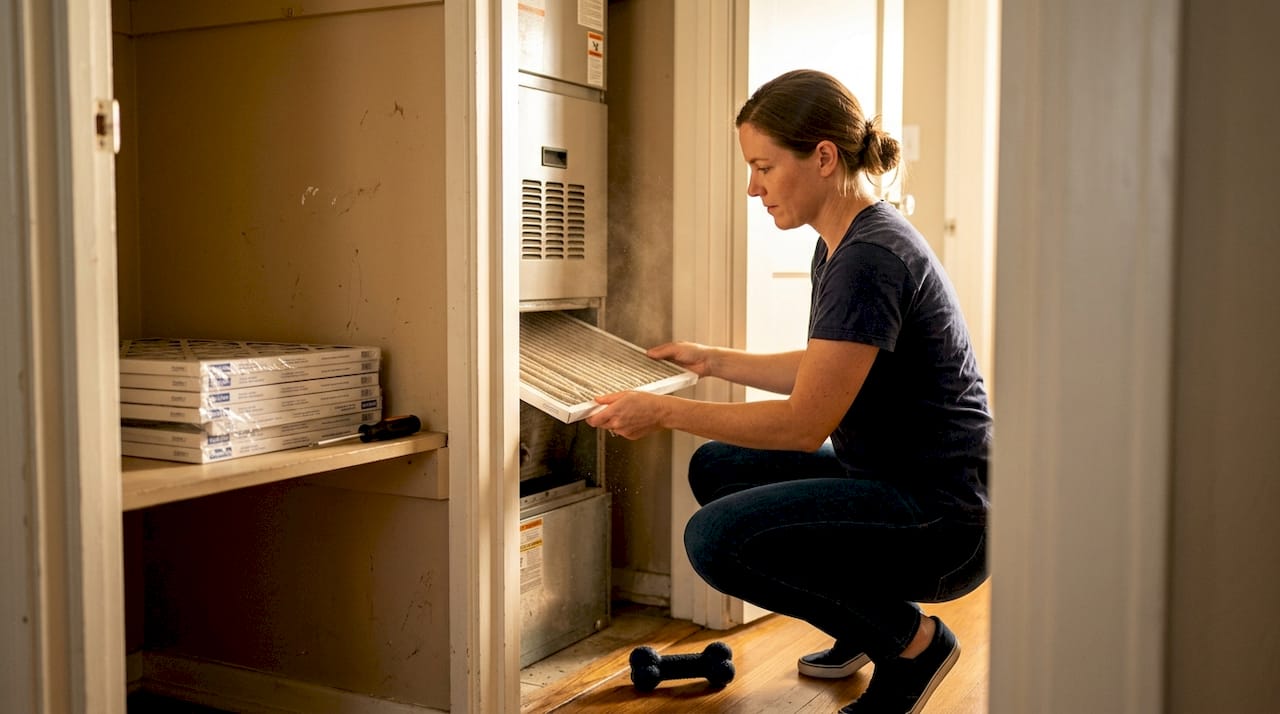
Homeowners who build a relationship with a reliable local service provider gain an additional advantage. Your technician becomes familiar with your specific systems, their age, and their history, which makes every future visit faster and more effective.
Why most homeowners underestimate maintenance, and what actually works
Having explored practical scheduling tips, let us dig into what most guides miss and share a behind-the-scenes perspective from the professionals who work inside homes throughout Orange County and Los Angeles County every day.
The pattern we see repeatedly is this: homeowners call us after something fails, and the conversation almost always includes some version of “it seemed fine until it just stopped working.” That is the nature of gradual system wear. It does not announce itself. A refrigerator compressor works fine until the day it does not. An HVAC unit running five percent below efficiency never feels broken. Pipes corroding slowly from the inside show no visible sign until there is water on the floor.
What conventional maintenance guides often get wrong is framing annual service as an optional upgrade rather than a baseline requirement. Your home systems are not appliances you buy once and forget. They are mechanical and electrical equipment operating continuously, sometimes for 10 or more hours a day. Equipment that works that hard needs consistent attention.
From our experience serving homeowners across these two counties, the costliest repairs we handle are almost always preventable. A refrigerator that loses its seal over time draws excess power for months before the compressor finally fails. A water heater showing early corrosion around the anode rod costs very little to address. Ignored, it floods a garage or utility closet and causes thousands of dollars in damage. An HVAC system that has not been cleaned in three years may be working at 70 percent efficiency while you pay 100 percent of the energy cost.
The homeowners who avoid these situations share a few common habits. They schedule service before problems develop. They keep records of every visit, every part replaced, and every technician recommendation. They treat their relationship with a reliable service provider as ongoing rather than transactional. And they use appliance checkup insights to stay informed between visits so they can spot early warning signs on their own.
The uncomfortable truth is that waiting until something breaks is always the more expensive choice. Annual maintenance is not a luxury. It is the most straightforward way to protect both your safety and the investment you have made in your home.
Ready to protect your home? Explore your annual maintenance options
If you are ready to protect your home and enjoy the benefits of reliable maintenance, here is how to get started locally.
MDTech Services provides experienced, licensed technicians to homeowners throughout Orange County and Los Angeles County, handling appliance repair and installation, HVAC service, and plumbing inspections under one trusted name. Whether you need to understand what appliance repair involves or want a clear breakdown of what HVAC repair includes, our resource guides are designed to help you make informed decisions.

Beyond one-time fixes, we focus on building ongoing relationships with homeowners who want consistent, reliable service year after year. Our team can coordinate annual checkups for your appliances, HVAC, and plumbing in a single organized visit, saving you time and helping you stay ahead of costly breakdowns. You can also schedule plumbing inspections directly through our site and get your home on a regular maintenance calendar. Contact us today to book your annual checkup and start protecting your home with confidence.
Frequently asked questions
How often should I book maintenance for HVAC, appliances, and plumbing?
Schedule a full home checkup at least once a year to maximize safety, efficiency, and value. Regular HVAC maintenance is especially important for California homes where systems run for much of the year.
Will annual maintenance really lower my utility bills?
Yes, preventative HVAC maintenance alone can cut energy bills by up to 15 percent in California homes, and well-maintained appliances also consume less power than neglected ones.
Can I do any of the maintenance myself or is a pro required?
You can handle basic tasks like changing filters, but certified technicians are needed for thorough, safe inspections. Step-by-step HVAC maintenance guides can help you handle the basics between professional visits.
Is annual maintenance really necessary if my systems seem to work fine?
Yes, problems often develop slowly and go unnoticed until a major breakdown occurs. Scheduling appliance tune-ups regularly is the most reliable way to catch issues before they become expensive emergencies.