
Most American homes in Orange and Los Angeles County lose up to 20 percent of their HVAC efficiency every year without seasonal maintenance. Ignoring routine checkups often leads to rising utility bills and unexpected repair costs that can stretch any budget. When you stay proactive about your system, you not only protect your comfort but also make a smart investment that keeps energy use down and maximizes savings throughout every Southern California season.
Table of Contents
- What Seasonal HVAC Maintenance Involves
- Key Types of Seasonal HVAC Services
- How Maintenance Prevents Breakdowns
- Cost Savings and Energy Efficiency Benefits
- Why Professional Service Matters in Southern California
Key Takeaways
| Point | Details |
|---|---|
| Seasonal HVAC Maintenance is Essential | Regular maintenance ensures peak performance, extends system lifespan, and reduces long-term repair costs. |
| Preventive vs. Corrective Services | Preventive services avoid breakdowns, while corrective services address immediate system issues as they arise. |
| Cost Savings and Energy Efficiency | Proactive maintenance leads to significant energy savings, reducing utility bills and extending equipment life. |
| Professional Expertise is Crucial | In regions like Southern California, certified technicians are essential for navigating local climate demands and regulations. |
What Seasonal HVAC Maintenance Involves
Seasonal HVAC maintenance is a strategic approach to keeping your home’s heating and cooling system operating at peak performance throughout the year. This comprehensive process involves systematic inspections, cleaning, and adjustments that help prevent unexpected breakdowns and maintain energy efficiency. By understanding the key components of seasonal maintenance activities, homeowners can extend their HVAC system’s lifespan and reduce long-term repair costs.
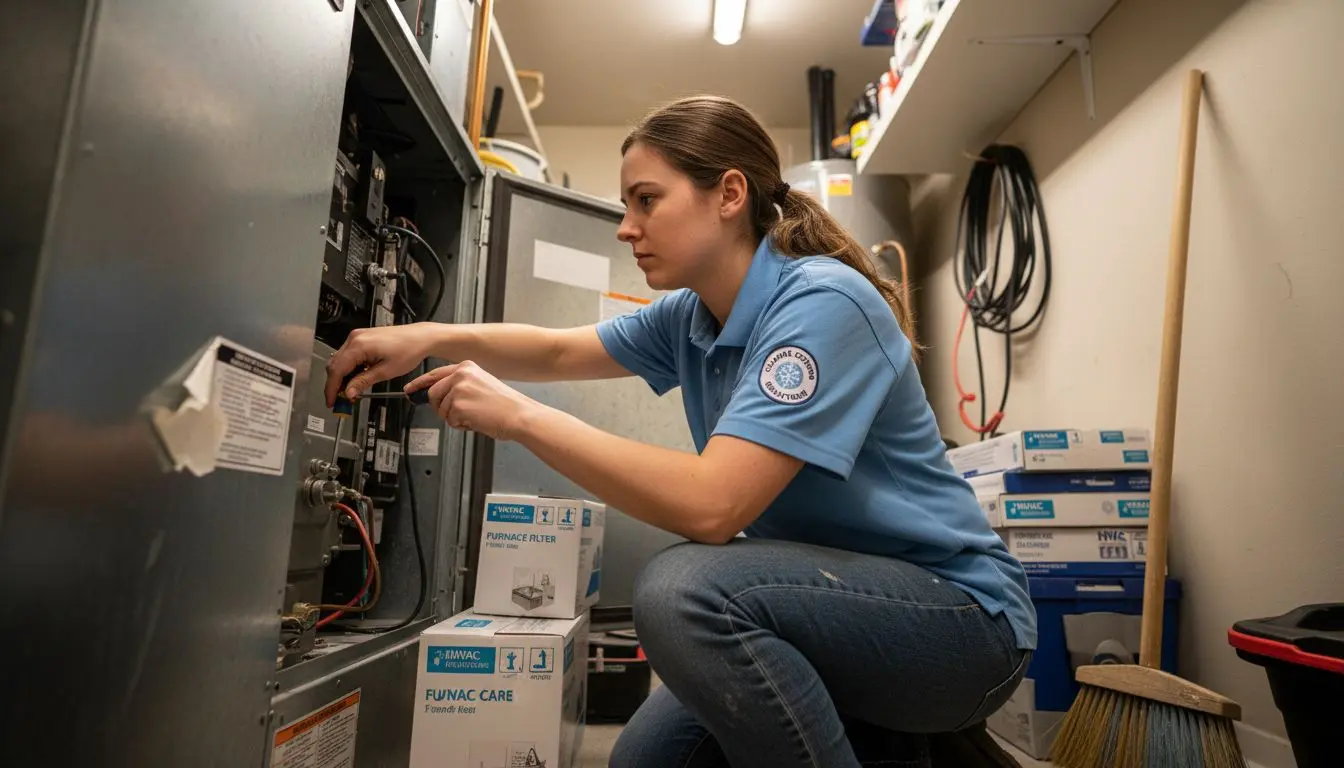
Typical seasonal maintenance encompasses several critical tasks designed to address the unique demands of different climate conditions. These activities include thorough filter replacements, comprehensive system control checks, lubrication of mechanical parts, and detailed electrical connection assessments. During summer preparations, technicians focus on cooling system components like condenser coils and refrigerant levels, while winter maintenance emphasizes heating system functionality, including burner efficiency and heat exchanger integrity.
The maintenance process involves both proactive and diagnostic procedures. Technicians will perform detailed visual inspections, measure system performance metrics, test electrical components, and calibrate thermostats to ensure optimal operational efficiency. They also check for potential issues like refrigerant leaks, worn belts, and airflow restrictions that could compromise system performance. These systematic evaluations help identify potential problems before they escalate into costly repairs, ultimately protecting your home’s comfort and your financial investment.
Pro tip: Schedule your HVAC maintenance during shoulder seasons like early spring or late fall to ensure availability of technicians and potentially lower service rates.
Key Types of Seasonal HVAC Services
Seasonal HVAC services encompass a comprehensive range of maintenance activities designed to keep heating and cooling systems operating at peak performance throughout the year. These services are strategically divided into preventive and corrective approaches, each targeting specific system components and potential vulnerabilities. Preventive maintenance services play a crucial role in identifying and addressing potential issues before they escalate into major system failures.
The primary categories of seasonal HVAC services include comprehensive system inspections, cleaning and replacement of critical components, and performance optimization. Key preventive services typically involve:
- Filter replacements to maintain air quality and system efficiency
- Thorough cleaning of condenser and evaporator coils
- Refrigerant level checks and adjustments
- Detailed electrical connection inspections
- Thermostat calibration and control system evaluations
Corrective services complement preventive maintenance by addressing specific system issues that require immediate attention. These may include specialized repairs such as leak sealing, compressor servicing, motor replacements, and addressing mechanical wear and tear. Winter maintenance focuses on heating system components like heat exchangers and burner efficiency, while summer services emphasize cooling system performance, including air handler functionality and refrigeration system integrity.
Pro tip: Create a seasonal maintenance calendar that tracks your HVAC system’s specific service requirements, helping you stay proactive and avoid unexpected breakdowns.
Here is a summary of key differences between preventive and corrective HVAC maintenance approaches:
| Maintenance Type | Timing | Primary Purpose | Typical Actions |
|---|---|---|---|
| Preventive | Scheduled seasonally | Avoid breakdowns, optimize efficiency | Inspection, cleaning, adjustments |
| Corrective | As needed after issues | Fix existing faults, restore function | Repairs, parts replacement, leak sealing |
How Maintenance Prevents Breakdowns
Preventive maintenance serves as a critical strategy for protecting HVAC systems from unexpected failures and costly repairs. Reliability Centered Maintenance principles emphasize identifying and addressing potential system vulnerabilities before they escalate into significant malfunctions. By implementing systematic inspection and servicing protocols, homeowners can significantly reduce the risk of sudden equipment breakdowns that disrupt home comfort and lead to expensive emergency repairs.
The maintenance prevention process involves several strategic approaches to minimizing system vulnerabilities:
- Early detection of wear and mechanical stress
- Regular lubrication of moving components
- Cleaning of critical system parts to prevent efficiency loss
- Timely replacement of components showing signs of deterioration
- Calibration of electrical and control systems
Technical inspections play a crucial role in breakdown prevention by providing comprehensive system assessments. Trained technicians conduct detailed evaluations of mechanical integrity, electrical connections, refrigerant levels, and overall system performance. These thorough examinations allow for proactive interventions, identifying potential issues like microfractures, electrical resistance changes, or subtle performance degradations that could eventually lead to complete system failure. By addressing these minor problems early, homeowners can extend their HVAC system’s operational lifespan and maintain optimal energy efficiency.
Pro tip: Document every maintenance service with detailed records, tracking performance metrics and repair history to help predict potential future system vulnerabilities.
Cost Savings and Energy Efficiency Benefits
Homeowners can achieve substantial financial and environmental benefits through strategic HVAC maintenance. Energy optimization strategies demonstrate that proactive system care directly translates to reduced utility expenses and improved operational efficiency. By maintaining HVAC components in peak condition, households can significantly lower their energy consumption and minimize unnecessary financial expenditures.
The primary mechanisms for cost savings and energy efficiency include:
- Reducing system energy consumption through clean, well-maintained components
- Minimizing unnecessary electrical strain on HVAC equipment
- Preventing inefficient performance that leads to higher utility bills
- Extending overall equipment lifespan
- Maintaining optimal thermal comfort with minimal energy expenditure
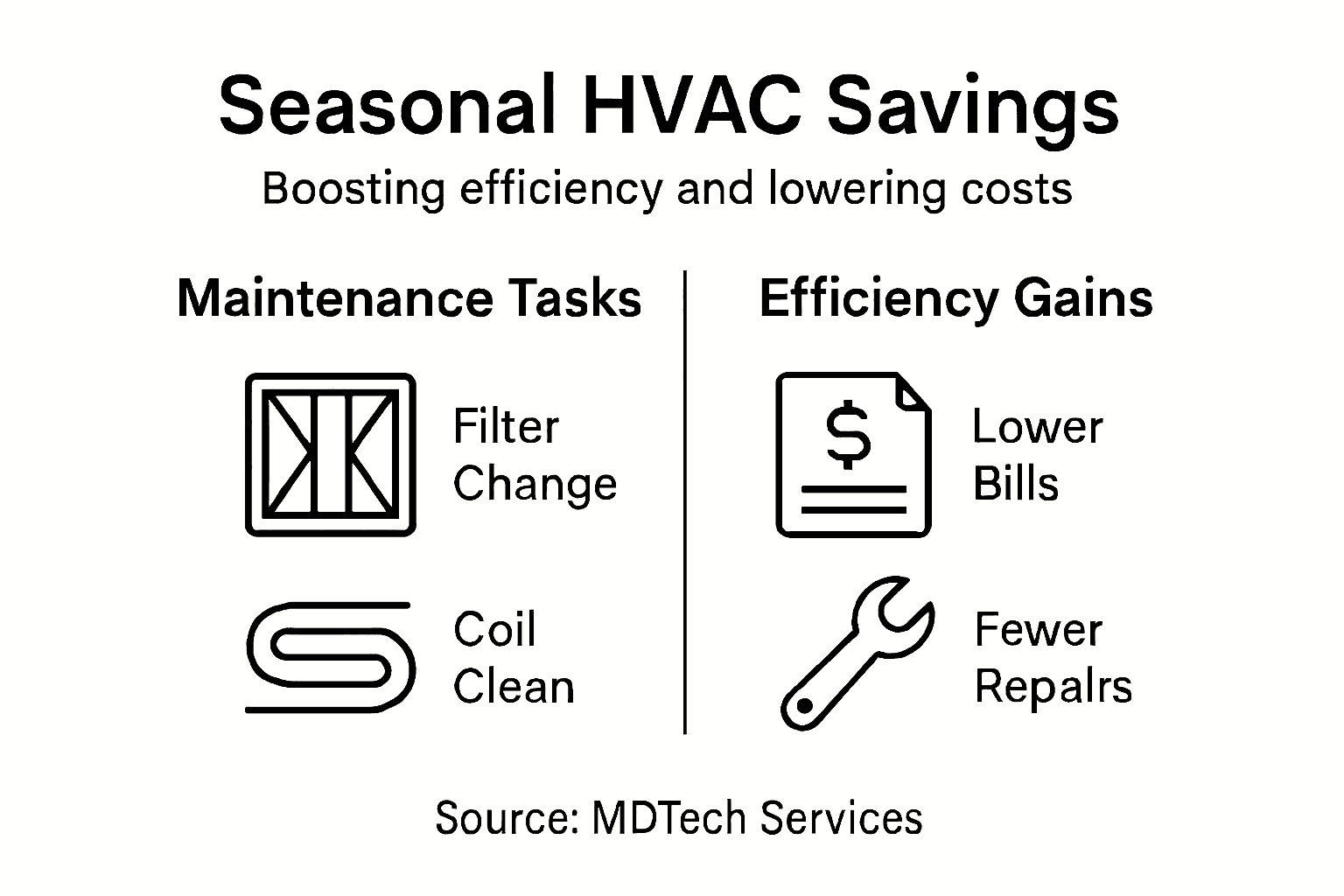
Technical assessments reveal that seemingly minor maintenance activities can produce remarkable efficiency improvements. Clean air filters, properly calibrated thermostats, and well-lubricated mechanical components can reduce energy consumption by up to 15% annually. These incremental improvements compound over time, resulting in significant long-term savings. Moreover, efficient HVAC systems contribute to reduced carbon emissions, offering an environmentally responsible approach to home climate management that benefits both household budgets and broader ecological sustainability.
Pro tip: Invest in a programmable or smart thermostat to automatically optimize temperature settings and further enhance your HVAC system’s energy efficiency.
Below is an overview of energy efficiency improvements possible through routine HVAC maintenance:
| Maintenance Action | Efficiency Benefit | Estimated Savings |
|---|---|---|
| Filter replacement | Improves airflow, reduces strain | Up to 5% lower energy use |
| Thermostat calibration | Accurate temperature control | 3-7% less wasted energy |
| Coil cleaning | Promotes effective heat exchange | Up to 10% lower costs |
Why Professional Service Matters in Southern California
Professional HVAC service is particularly crucial in Southern California, where unique climate conditions and stringent regulations demand specialized expertise. Regional HVAC service standards play a critical role in ensuring system performance and compliance with local environmental requirements. The region’s intense summer heat and variable temperatures create complex challenges that require advanced technical knowledge and precise system management.
Key advantages of professional HVAC services in Southern California include:
- Accurate diagnostics tailored to regional climate demands
- Compliance with strict California energy efficiency regulations
- Expert management of high-cooling-load systems
- Precise understanding of local building and environmental codes
- Advanced troubleshooting for heat-stressed equipment
Certified technicians bring specialized skills that go beyond basic maintenance. They understand the nuanced requirements of Southern California’s unique environmental landscape, including mitigating heat stress on HVAC systems, managing energy consumption in high-temperature zones, and implementing solutions that maximize system efficiency while meeting stringent local regulations. Their expertise helps homeowners navigate complex technical challenges, prevent premature system failures, and optimize long-term performance in a demanding climate environment.
Pro tip: Request certification credentials and local experience when selecting an HVAC service provider to ensure they understand Southern California’s specific technical requirements.
Keep Your Home Comfortable Year-Round With Expert Seasonal HVAC Care
The article highlights common challenges such as unexpected HVAC breakdowns, rising energy costs, and the critical need for proactive maintenance like filter replacements and thermostat calibration. These pain points can undermine your home’s comfort and inflate utility bills. At MDTech Services we understand that Southern California homeowners need reliable HVAC repair and maintenance tailored to local conditions and regulations. Our licensed technicians specialize in preventing costly breakdowns by performing thorough inspections and repairs focused on efficiency and long-term savings.
Why risk discomfort and high expenses when professional help is just a click away? MDTech Services offers expert residential HVAC repair and maintenance across Orange County and Los Angeles County. Whether you need quick fixes or comprehensive seasonal tune-ups, our team ensures your system runs at peak performance using proven repair and installation techniques. We prioritize safety, responsiveness, and customer satisfaction to protect your investment and enhance comfort.

Ready to boost your HVAC efficiency and reduce energy bills this season? Book your service today with MDTech Services and experience trusted, professional care designed for Southern California homes. Visit MDTech Services now for hassle-free online appointment scheduling and the expertise your home deserves.
Frequently Asked Questions
What does seasonal HVAC maintenance involve?
Seasonal HVAC maintenance involves systematic inspections, cleaning, and adjustments of heating and cooling systems to ensure peak performance year-round. Key tasks include filter replacements, system control checks, lubrication of mechanical parts, and electrical connection assessments.
How can seasonal HVAC maintenance prevent costly breakdowns?
By implementing preventive maintenance, homeowners can detect and address potential system vulnerabilities before they escalate into major malfunctions. This includes early detection of wear, regular lubrication, and timely component replacements, extending the system’s operational lifespan.
What types of seasonal HVAC services are most important?
Key types of seasonal HVAC services include preventive maintenance like filter replacements and coil cleaning, as well as corrective services for repairs such as motor replacements or leak sealing, which target specific issues that may arise in the heating or cooling systems.
How can routine HVAC maintenance lead to cost savings on energy bills?
Routine HVAC maintenance can enhance energy efficiency by ensuring components are clean and well-maintained. This can reduce energy consumption by up to 15% annually, resulting in lower utility bills and an extended lifespan for the HVAC system.
Recommended
- Refrigerator repair Condenser Coil cleaning. The Ultimate Guide to Refrigerator Repair: How to Properly Clean the Condenser Coil – MDTech Services
- Hood repair installation service Vent Blower Duct repair installation service.Transforming Kitchens: Hood Repair and Installation for a Better Cooking Experience – MDTech Services
- What Is an HVAC Tune-Up? Complete Homeowner Guide – MDTech Services
- Keywords: Efficiency – MDTech Services