
Most homeowners believe plumbing problems announce themselves with obvious leaks or puddles. The reality is far more concerning: the costliest plumbing failures begin silently, hidden behind walls or beneath floors. By the time you notice water stains or reduced pressure, thousands of dollars in damage may already be accumulating. Annual plumbing inspections catch these invisible threats early, preventing expensive emergencies and protecting your home’s value. You’ll discover exactly what inspections reveal, how much they save compared to crisis repairs, and how to choose the right professional for your Orange or Los Angeles County home.
Table of Contents
- Why annual plumbing inspections matter
- Top plumbing problems annual inspections uncover
- What to expect during an annual plumbing inspection
- Annual plumbing inspections vs. waiting for problems: A cost breakdown
- Choosing the right plumber for your annual inspection
- Next steps: Protect your home with expert annual plumbing inspection
- Frequently asked questions
Key Takeaways
| Point | Details |
|---|---|
| Early problem detection | Annual inspections let you catch leaks or wear before they cause expensive damage. |
| Save on repairs | Routine checkups can cut plumbing repair costs by up to 30 percent. |
| Peace of mind | Knowing your plumbing is healthy means fewer surprises and a more valuable home. |
| Choose professionals | Hire a licensed plumber for the most thorough and reliable inspections possible. |
Why annual plumbing inspections matter
Now that you know plumbing problems aren’t just visible leaks, let’s explore why inspecting your system each year is the smartest move. Regular maintenance can cut household plumbing repairs by 30%, making annual inspections one of the most cost-effective investments you can make. These scheduled checkups identify small issues before they escalate into emergencies that require immediate, expensive fixes.
Annual inspections deliver benefits that extend far beyond avoiding repair bills:
- Prevent costly emergencies by catching failing components before they burst or flood your home
- Avoid water damage and health hazards like mold growth from undetected leaks
- Prolong the life of your plumbing system through early intervention and proper maintenance
- Boost resale value with documented proof of professional care and system health
- Reduce water waste by identifying inefficient fixtures and hidden leaks
Water damage ranks among the most expensive home repairs, often requiring structural work, mold remediation, and replacement of damaged belongings. A single burst pipe can cost $5,000 to $10,000 in repairs, while annual inspections typically run $125 to $250. The EPA WaterSense program emphasizes that proactive maintenance protects both your wallet and the environment by preventing water waste.
Pro Tip: Schedule your inspection during spring or fall when weather is mild. This timing allows you to address any issues before winter freezes or summer heat stress your system, and technicians typically have more flexible scheduling outside peak emergency seasons.
Understanding plumbing maintenance basics helps you recognize the value of professional inspections. While you can perform simple checks yourself, licensed professionals use specialized tools to detect problems invisible to homeowners.
Top plumbing problems annual inspections uncover
Understanding the purpose is one thing; seeing the specific threats annual inspections catch puts their value in sharp focus. Professional plumbers identify issues that homeowners typically miss until they become emergencies. Undetected leaks can waste more than 10,000 gallons of water annually, driving up utility bills while damaging your home’s structure.
The most common problems discovered during inspections include:
- Hidden leaks behind walls, under slabs, or in crawl spaces that cause gradual structural damage
- Pipe corrosion that weakens water lines and leads to sudden failures
- Tree root intrusion in sewer lines that creates blockages and requires expensive excavation
- Failing water heater components that reduce efficiency and risk flooding
- Slow drains indicating partial blockages that will worsen over time
- Outdated fixtures wasting water and increasing monthly bills
- Improper venting causing drainage issues and sewer gas problems
Early detection transforms these threats from disasters into manageable repairs. Recognizing plumbing warning signs between inspections helps you act quickly when new issues emerge.
| Problem Type | Emergency Repair Cost | Preventive Fix Cost | Savings |
|---|---|---|---|
| Burst pipe | $2,500 – $5,000 | $150 – $400 | $2,100+ |
| Water heater failure | $1,200 – $3,500 | $200 – $600 | $1,000+ |
| Sewer line blockage | $3,000 – $8,000 | $300 – $800 | $2,700+ |
| Hidden leak damage | $4,000 – $12,000 | $250 – $700 | $3,750+ |
The cost difference becomes even more dramatic when you factor in secondary damage. Water intrusion leads to mold growth, which requires specialized remediation costing $2,000 to $6,000. Insurance premiums often increase after water damage claims, adding hundreds of dollars to your annual costs for years.
“Homeowners who wait for visible problems before calling a plumber typically spend three to five times more than those who schedule annual inspections. The damage compounds quickly once water starts flowing where it shouldn’t.” — Licensed Master Plumber, 22 years experience
Knowing the types of plumbing services available helps you understand what professionals check during inspections. Different service levels address varying needs, from basic visual checks to comprehensive system evaluations. Taking steps to winterize your plumbing between inspections provides additional protection during vulnerable seasons.
What to expect during an annual plumbing inspection
With problem areas in mind, here’s what’s actually involved in an annual inspection so you know what you’re paying for. A thorough inspection typically takes 90 minutes to two hours, depending on your home’s size and plumbing complexity. Licensed plumbers provide 70% better appliance reliability through systematic evaluation and proper maintenance techniques.
Professional inspections follow a structured process:
- Water pressure testing at multiple fixtures to identify supply line issues or restrictions
- Visual inspection of all accessible pipes, connections, and fixtures for signs of wear or damage
- Drain flow evaluation to detect partial blockages before they cause backups
- Water heater assessment including temperature, pressure relief valve function, and sediment buildup
- Toilet inspection for leaks, proper flushing, and tank component condition
- Faucet and fixture examination checking for drips, corrosion, and proper operation
- Main shutoff valve testing to ensure it functions properly in emergencies
- Sewer line camera inspection (if included) to view pipe condition and identify root intrusion
- Appliance connection review for washing machines, dishwashers, and refrigerator ice makers
- Outdoor plumbing check including hose bibs, sprinkler systems, and drainage
Preparing your home makes inspections more efficient and thorough. Clear access to your water heater, main shutoff valve, and under-sink areas. Know where your cleanout access points are located. If you have crawl space or attic plumbing, ensure safe access.
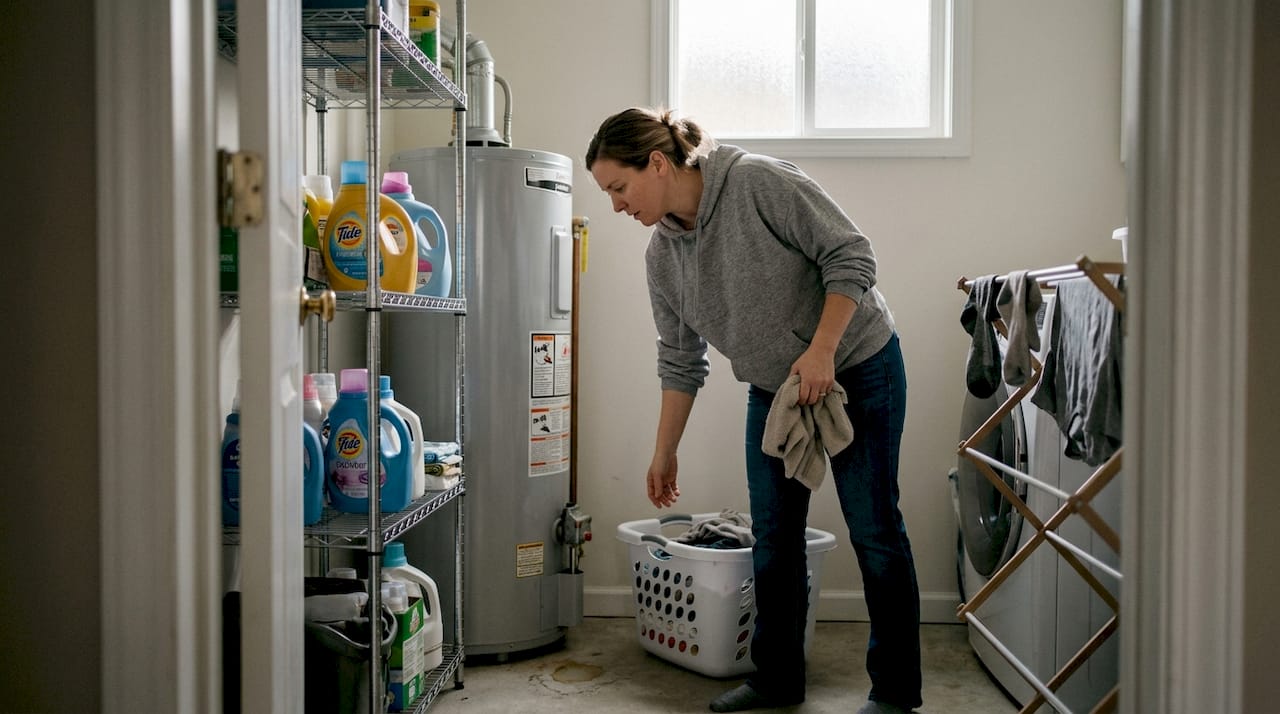
Pro Tip: Request a written report documenting all findings, recommendations, and system conditions. Keep these reports year over year to track your plumbing system’s health and identify developing patterns. This documentation proves valuable when selling your home or filing insurance claims.
You can schedule your inspection with qualified professionals who understand local building codes and common regional issues. Always verify credentials by checking for a licensed plumber before allowing work on your home’s systems.
Annual plumbing inspections vs. waiting for problems: A cost breakdown
Knowing what’s involved, it’s helpful to see how small upfront spending pays off compared to large repair bills down the line. The financial case for preventive maintenance becomes clear when you compare actual costs faced by Orange and Los Angeles County homeowners.
Annual inspections cost a fraction of emergency plumbing repairs, yet many homeowners skip this simple step. The average inspection runs $125 to $250, while emergency repairs start at $500 and quickly escalate into thousands.
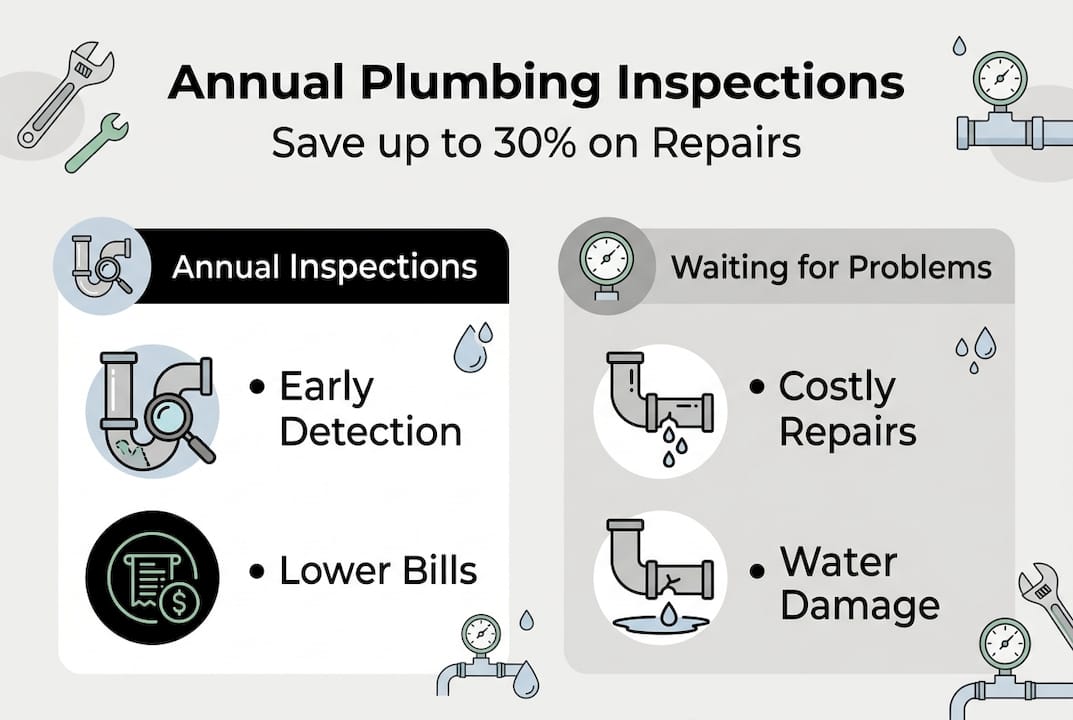
| Scenario | Annual Inspection | Wait for Problems | 10-Year Difference |
|---|---|---|---|
| Proactive homeowner | $1,500 – $2,500 | Minimal emergency costs | $1,500 – $2,500 total |
| Reactive homeowner | $0 | $8,000 – $15,000+ | $8,000 – $15,000+ total |
| Net savings with inspections | $6,500 – $12,500 |
These figures account for typical issues caught during inspections versus the cost of addressing them as emergencies. Preventive maintenance saves up to 30% on repairs by catching problems early when fixes are simple and parts are readily available.
Hidden costs of water damage extend beyond immediate repairs:
- Mold remediation: $2,000 to $6,000 for professional treatment
- Insurance premium increases: 20% to 40% higher rates for 3 to 5 years after claims
- Property value reduction: Undisclosed water damage history can decrease sale prices by 5% to 10%
- Health impacts: Respiratory issues from mold exposure leading to medical expenses
- Temporary housing: $1,500 to $3,000 monthly if damage makes your home uninhabitable
The math strongly favors regular inspections. Even if an inspection reveals $500 in recommended repairs, addressing them prevents the $3,000 to $8,000 emergency that would occur within the next year or two. Understanding how inspections save money helps you make informed decisions about home maintenance priorities.
Choosing the right plumber for your annual inspection
Once you understand the savings, finding a trustworthy professional becomes the last key step. Not all plumbing companies offer the same quality or thoroughness in their inspection services. Not all plumbing companies offer annual inspection packages, so knowing what to look for protects you from substandard service.
Key qualifications to verify before hiring:
- Valid California contractor’s license with plumbing classification (check license number and status)
- Current liability insurance protecting you from damage during service
- Workers’ compensation coverage ensuring you’re not liable for technician injuries
- Local experience with Orange and Los Angeles County building codes and common regional issues
- Detailed inspection checklist showing exactly what they’ll evaluate
- Written reports documenting findings and recommendations
- Transparent pricing with no hidden fees or pressure tactics
Red flags that indicate you should look elsewhere:
- Refusing to provide license numbers or insurance certificates
- Pushing expensive repairs without clear explanations or allowing second opinions
- Offering suspiciously low prices that seem too good to be true
- Unable or unwilling to provide written inspection reports
- Pressure to make immediate decisions on major work
- No local references or verifiable reviews
You can verify a licensed plumber through official channels before committing to service. The California Contractors State License Board maintains current records of all licensed contractors, including complaint history and license status.
Reliable plumbing services for homeowners include clear communication, professional conduct, and respect for your home. Licensed technicians arrive on time, protect your floors and furnishings, and explain findings in plain language you can understand.
Next steps: Protect your home with expert annual plumbing inspection
Having the facts, the easiest way to protect your investment is just a call or click away. Annual inspections represent the simplest, most cost-effective strategy for avoiding plumbing emergencies that disrupt your life and drain your savings. The difference between a $150 preventive fix and a $5,000 emergency repair often comes down to catching problems during routine inspections.

Our team of licensed plumbers serves Orange and Los Angeles County homeowners with thorough annual inspections that identify issues before they become crises. We provide detailed written reports, transparent pricing, and expert recommendations tailored to your home’s specific needs. When you choose affordable plumbing repair service from experienced professionals, you gain peace of mind knowing your home’s systems are properly maintained. Take the first step by scheduling your inspection today, and verify local plumbers to ensure you’re working with qualified professionals who prioritize your home’s long-term health.
Frequently asked questions
How much does an annual plumbing inspection cost in Orange or LA County?
Most inspections cost between $125 and $250, but prices vary by home size and provider. Larger homes or those with complex systems may cost slightly more, while basic inspections for smaller properties often fall at the lower end of this range.
What happens if I skip yearly plumbing inspections?
You risk hidden leaks, costly water damage, and unexpected emergencies that are much pricier to fix. Small problems compound over time, turning $200 repairs into $5,000 disasters that could have been prevented.
How do I verify my plumber is licensed in California?
Check the California Contractors State License Board online to confirm a valid, current license. Enter the license number or company name to view status, classifications, and any complaint history before hiring.
What plumbing parts are checked during inspections?
Inspections cover pipes, water heaters, main shutoff valves, drains, faucets, toilets, and visible appliance connections. Thorough inspections also evaluate water pressure, sewer lines, and outdoor plumbing components to ensure your entire system functions properly.
Can I do a plumbing inspection myself?
You can check for obvious leaks or low pressure, but yearly professional inspections spot hidden risks you might miss. Licensed plumbers use specialized tools and training to detect problems behind walls, under slabs, and in areas homeowners cannot easily access.