
Over 90% of American households rely on major appliances to keep daily routines running smoothly. When a washer stops spinning unexpectedly or the refrigerator loses its chill, life comes to a standstill and expenses can mount quickly. Understanding the purpose and process of appliance repair empowers homeowners to save money, extend equipment lifespan, and make smarter environmental choices.
Table of Contents
- Defining Appliance Repair and Its Purpose
- Common Appliance Types and Repair Needs
- How Professional Appliance Repair Works
- Licensing, Insurance, and Safety Standards
- Cost Factors and Common Mistakes to Avoid
Key Takeaways
| Point | Details |
|---|---|
| Appliance Repair Importance | Professional appliance repair extends the lifespan of household devices, reduces costs, and aligns with sustainability efforts. |
| Diagnostic Process | Technicians utilize thorough diagnostic assessments to identify and address underlying issues rather than merely treating symptoms. |
| Licensing and Standards | Ensuring technicians are licensed and adhere to safety standards protects consumers and ensures effective service. |
| Cost Management | Homeowners can lower repair expenses through proactive maintenance and understanding cost factors associated with appliance repair. |
Defining Appliance Repair and Its Purpose
Appliance repair is a specialized service focused on diagnosing, maintaining, and restoring household electrical and mechanical devices to full operational capacity. Appliance technicians work to extend the functional lifespan of refrigerators, dishwashers, washers, dryers, and other essential home equipment, addressing mechanical failures before complete system breakdown occurs.
The core purpose of appliance repair goes beyond simple maintenance. It represents a critical intersection of consumer economics and sustainability, addressing the growing ‘Right to Repair’ movement which advocates for consumers’ ability to repair and modify their own devices. By providing professional repair services, technicians help homeowners save significant money compared to full appliance replacement while simultaneously reducing electronic waste and environmental impact.
Understanding appliance repair involves recognizing its comprehensive scope. Technicians perform intricate diagnostic assessments, identifying underlying mechanical or electrical issues through specialized tools and extensive technical knowledge. Home warranty services further underscore the importance of professional repair, offering contract-based protection that covers major home systems and appliances, ensuring households maintain critical functionality without unexpected financial strain.
Modern appliance repair involves several key strategies:
- Precise diagnostic evaluations
- Targeted component replacement
- System recalibration and performance optimization
- Preventative maintenance recommendations
- Cost-effective solutions compared to total replacement
By prioritizing professional repair services, homeowners can significantly extend equipment lifespan, maintain household efficiency, and make environmentally responsible choices that benefit both their budget and the broader ecological system.
Common Appliance Types and Repair Needs
Homeowners rely on a diverse range of household appliances that require specialized maintenance and repair services. Consumer Reports identifies five primary appliance categories crucial to daily living: refrigerators, washing machines, dryers, ovens, and dishwashers. Each of these appliances plays a critical role in household functionality and demands specific diagnostic and repair approaches.
Refrigerators represent one of the most complex household appliances, with intricate cooling systems and multiple potential failure points. Common issues include icemaker malfunctions, compressor problems, and temperature regulation challenges. Washing machines and dryers similarly encounter unique mechanical stress, with potential problems ranging from motor failures to electronic control board issues. Typical maintenance requirements involve addressing worn belts, clogged filters, and faulty electrical components.
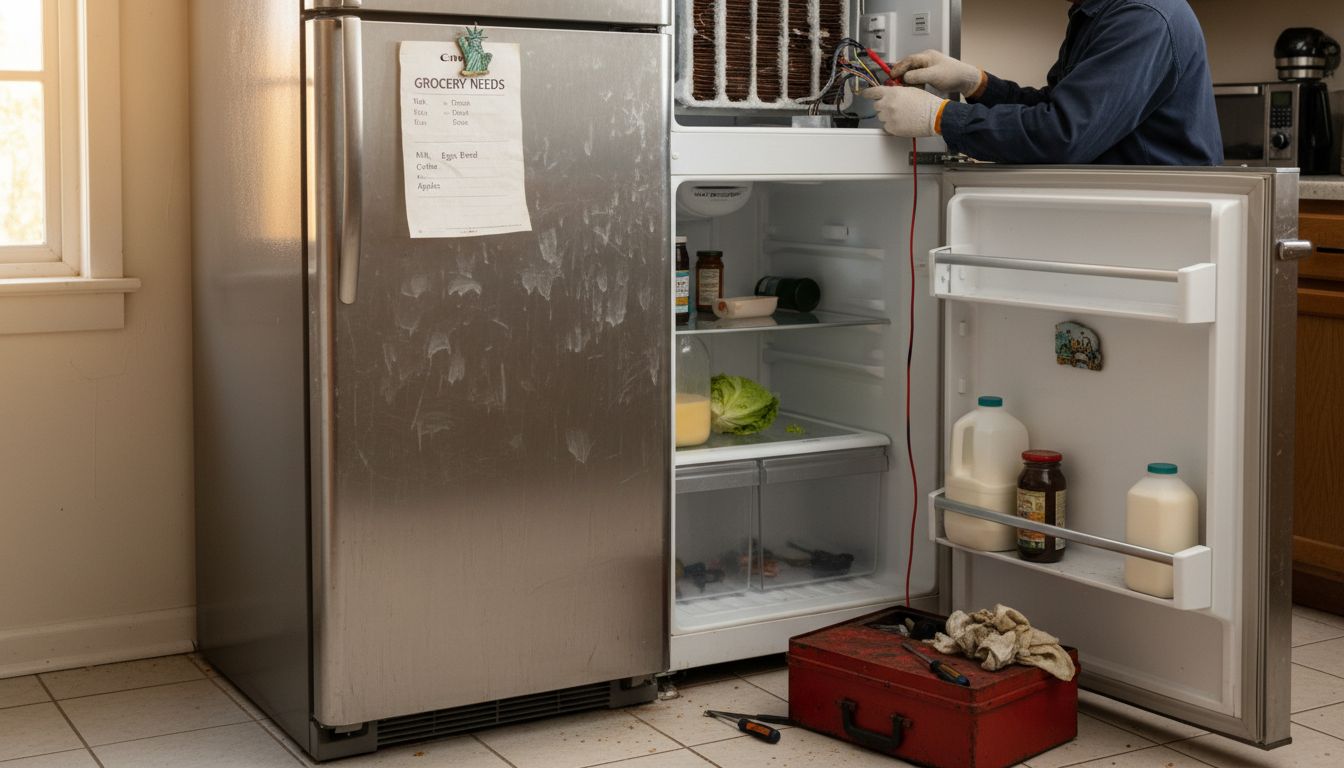
Kitchen appliances like dishwashers and ovens also present specialized repair needs. Dishwashers frequently experience pump failures, drainage problems, and water inlet valve malfunctions. Gas and electric ovens require precise troubleshooting for heating element performance, ignition systems, and electronic control mechanisms. Technicians must understand the nuanced differences between various appliance models and brands to provide effective repair solutions.
Key appliance repair considerations include:
- Diagnostic precision
- Component-specific expertise
- Understanding manufacturer specifications
- Advanced electrical and mechanical knowledge
- Cost-effective repair strategies
By recognizing the unique repair requirements of different household appliances, homeowners can make informed decisions about maintenance, potentially extending equipment lifespan and avoiding costly full replacements.
How Professional Appliance Repair Works
Comprehensive diagnostic processes form the foundation of professional appliance repair, where skilled technicians systematically evaluate complex mechanical and electrical systems. This intricate approach involves multiple critical stages, beginning with precise problem identification and culminating in targeted, efficient repair strategies that restore appliance functionality.
The repair process typically unfolds through several structured steps. Initially, technicians conduct thorough visual and diagnostic assessments, utilizing specialized diagnostic tools to pinpoint exact mechanical or electrical failures. They meticulously examine internal components, electrical connections, and system performance, creating a detailed repair plan that addresses root causes rather than merely treating symptoms. Professional technicians leverage extensive training and experience to understand the nuanced interactions between different appliance components.
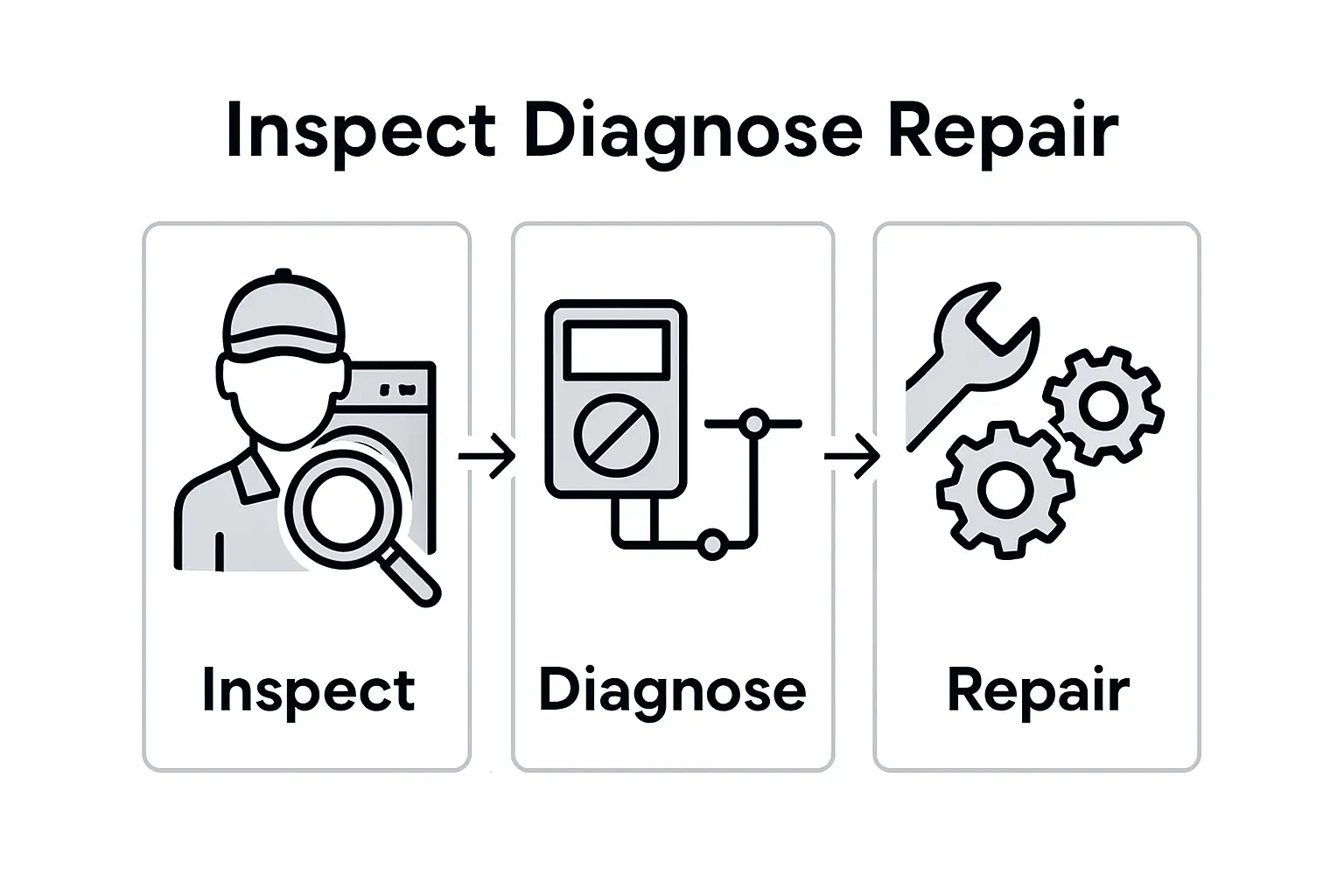
Experienced, certified technicians bring critical expertise to the repair process, combining technical knowledge with practical problem-solving skills. Their approach involves careful parts sourcing, precision repair techniques, and comprehensive system testing to ensure complete restoration of appliance performance. This professional methodology goes beyond simple replacement, focusing on understanding the underlying mechanical and electrical systems that power household appliances.
Key stages of professional appliance repair include:
- Initial diagnostic assessment
- Comprehensive system evaluation
- Precise component identification
- Targeted repair or replacement strategy
- Rigorous performance testing
- Final system calibration
By employing a systematic, knowledge-driven approach, professional appliance repair technicians transform potentially costly replacements into efficient, cost-effective solutions that extend the functional life of household equipment.
Licensing, Insurance, and Safety Standards
Professional appliance repair requires a comprehensive framework of licensing, insurance, and rigorous safety standards that protect both technicians and consumers. The Association of Home Appliance Manufacturers (AHAM) develops critical technical standards through ANSI-accredited procedures, establishing essential guidelines for appliance repair and maintenance across the industry.
Licensing represents a fundamental aspect of professional appliance repair, ensuring that technicians possess the necessary technical expertise and legal authorization to perform complex repair services. Certified technicians must complete extensive training programs, demonstrate proficiency in multiple appliance systems, and maintain current knowledge of evolving technological innovations. Insurance coverage plays a crucial protective role, safeguarding homeowners against potential damages during repair processes and providing technicians with professional liability protection.
Safety regulations mandated by legislative acts continue to evolve, emphasizing consumer protection and transparent repair practices. These regulations, such as the Digital Fair Repair Act, require manufacturers to provide critical repair information and parts, promoting safer and more accessible appliance maintenance. Professional repair services must adhere to stringent safety protocols that include:
- Comprehensive equipment inspections
- Proper diagnostic procedures
- Adherence to manufacturer specifications
- Use of certified replacement parts
- Compliance with electrical and mechanical safety standards
- Documentation of repair processes
By maintaining high standards of professional certification, insurance coverage, and safety compliance, appliance repair technicians ensure reliable, safe, and effective service that protects both consumer investments and personal safety.
Cost Factors and Common Mistakes to Avoid
Appliance repair costs represent a significant financial consideration for homeowners, with recent data showing that 94% of households spend an average of $2,800 on appliance repairs and replacements over five years. Understanding the key factors that influence repair expenses can help homeowners make informed decisions and avoid unnecessary financial strain.
The primary cost determinants in appliance repair include the specific appliance type, age of the equipment, extent of damage, and complexity of the required repairs. Older appliances typically demand more expensive interventions, as replacement parts become scarcer and mechanical systems become more degraded. Professional technicians assess multiple factors when providing repair estimates, including parts availability, labor intensity, and the potential for complete system replacement versus targeted repairs.
Homeowners can minimize repair costs and avoid common mistakes by adopting proactive maintenance strategies. Critical errors that often lead to higher expenses include delaying necessary repairs, attempting do-it-yourself fixes without proper knowledge, and neglecting routine maintenance. Key strategies for cost-effective appliance maintenance involve:
- Regular professional inspections
- Timely addressing minor mechanical issues
- Understanding manufacturer warranty conditions
- Maintaining comprehensive service records
- Investing in preventative maintenance programs
- Comparing repair versus replacement costs objectively
By developing a strategic approach to appliance maintenance and understanding potential cost variables, homeowners can effectively manage repair expenses while preserving the functionality of their essential household equipment.
Extend the Life of Your Home Appliances with Expert Repair Services
If you recognize the challenges of juggling costly repairs, complicated diagnostics, and the safety concerns discussed in the article What Is Appliance Repair in Modern Homes you are not alone. Many homeowners struggle with understanding when to repair versus replace and how to get precise, affordable solutions that prolong appliance life and avoid common costly mistakes. MDTech Services specializes in addressing these exact pain points by offering professional appliance repair, installation, and conversions tailored to Orange County and Los Angeles County homeowners.

Take control of your home’s efficiency and safety today by trusting our team of licensed technicians known for their responsiveness and thorough repair approach. Visit MDTech Services to schedule your expert appliance repair now. Discover the peace of mind that comes with a reliable partner who handles refrigerators, washers, dryers, and more while adhering strictly to safety standards and manufacturer specifications. Avoid the stress of unexpected breakdowns and high replacement costs by booking your service at MDTech Services today.
Frequently Asked Questions
What are the main purposes of appliance repair?
Appliance repair aims to diagnose, maintain, and restore household appliances to ensure their optimal functionality, extend their lifespan, and reduce overall replacement costs. It also supports sustainability by minimizing electronic waste.
What types of appliances commonly require repair?
Commonly repaired appliances include refrigerators, washing machines, dryers, ovens, and dishwashers. Each type has unique mechanical and electrical issues that technicians must address for effective repairs.
How do professional appliance technicians diagnose problems?
Professional technicians use specialized diagnostic tools and methods to conduct thorough assessments of appliances. They evaluate internal components, electrical connections, and overall system performance to identify the root causes of issues.
What should homeowners do to avoid costly repairs in the future?
Homeowners can avoid costly repairs by performing regular maintenance, addressing minor issues promptly, understanding warranty conditions, and comparing repair vs. replacement costs before making decisions.
Recommended
- Appliance repair or Installation service Appliance Repair vs. Replacement: How to Make the Right Decision for Your Home – MDTech Services
- Dishwasher repair or Installation Garbage disposal repair or Installation Airgap repair pump repair Fixing Dishwashers, Garbage Disposals, and More! – MDTech Services
- Dishwasher repair installation service The Ultimate Guide to Dishwasher Repair: Troubleshooting Tips and Tricks – MDTech Services
- 7 Essential Types of Home Appliances Every Homeowner Needs – MDTech Services
- The Essential Guide to Saving Energy at Home – Projector Display