
TL;DR:
- DIY plumbing mistakes can lead to costly safety hazards and insurance issues.
- Proper permits and local code compliance are essential to avoid fines and legal problems.
- Hiring licensed professionals ensures safe, code-compliant, and long-lasting plumbing solutions.
Plumbing problems rarely announce themselves at a convenient time. A dripping pipe under the sink or a slow-draining shower might seem like a quick fix, but in California, even minor repairs carry real consequences when handled without proper training. DIY plumbing risks include personal injury, gas leaks, electrical hazards, and exposure to harmful contaminants. For homeowners in Orange County and Los Angeles County, the stakes are especially high because of California’s strict safety laws and local code requirements. This article breaks down exactly why calling a licensed professional is the smartest and safest decision you can make for your home.
Table of Contents
- Understanding the risks: What can go wrong with DIY plumbing?
- Code compliance and legal requirements in California
- Safety and health: Why expertise matters in modern homes
- Long-term value: Saving money and stress with the right help
- Our take: The overlooked truth about plumbing pros
- Schedule with local certified plumbers today
- Frequently asked questions
Key Takeaways
| Point | Details |
|---|---|
| Safety first | Professional plumbers prevent injuries, gas leaks, and water contamination you might miss on your own. |
| Code compliance | Licensed plumbers help you avoid legal headaches by meeting all California and local codes. |
| Protect your investment | Certified installation and maintenance saves you money by reducing insurance risks and costly repairs. |
| Peace of mind | Hiring a pro means the job is done right the first time, so you can relax about your home’s plumbing. |
Understanding the risks: What can go wrong with DIY plumbing?
Many homeowners reach for a wrench thinking they’ll save a few hundred dollars. What they often don’t realize is that a single mistake can turn a small repair into a four-figure emergency. The plumbing safety insights behind this are straightforward: unlicensed work creates problems that compound over time, and they rarely stay hidden for long.
Here are the most common dangers homeowners face when attempting plumbing repairs without professional training:
- Personal injury: Working near pressurized pipes, sharp tools, or confined spaces without proper training increases the chance of cuts, falls, and burns.
- Gas line hazards: Connecting or disconnecting gas lines incorrectly can result in leaks that lead to explosions or carbon monoxide poisoning.
- Electrical hazards: Water and electricity share walls in most homes. Drilling or cutting in the wrong spot can cause electrocution.
- Contamination exposure: Improperly sealed drain lines can expose your family to raw sewage, bacteria, and toxic gases.
- Insurance voidance: Most homeowner’s insurance policies exclude damage caused by unlicensed or unpermitted work.
Consider a real scenario that happens in Orange County homes every year. A homeowner replaces a water heater without pulling a permit. The installation looks fine for months. Then a small gas leak develops, the home fails a safety inspection during a sale, and the homeowner is forced to pay for a full licensed reinstallation plus fines. The original repair cost $300. The fallout cost over $4,000.
“The most expensive plumbing repairs in California homes often trace back to small, unnoticed DIY mistakes made years earlier.” This pattern is consistent across service calls in both LA and Orange County.
Licensed plumbers carry the training to prevent costly repairs before they spiral. They know where hidden risks live inside your walls and under your floors.
Pro Tip: If you’ve had any unlicensed plumbing work done in your home, schedule a professional inspection before selling or refinancing. Catching problems early is far less expensive than correcting them under pressure.
Code compliance and legal requirements in California
Once you understand the physical risks, the legal side becomes equally important. California operates under the California Plumbing Code, known as CPC Title 24 Part 5. This code sets the minimum standards for all residential plumbing work across the state, and both LA County and Orange County have local amendments that add additional requirements on top of it.
For any work beyond minor repairs, California requires a C-36 contractor’s license. Licensed plumber benefits go beyond paperwork. A licensed plumber knows which local amendments apply to your specific city, and they pull the necessary permits before any work begins.
Ignoring these requirements has real consequences:
| Violation | Potential penalty |
|---|---|
| Unpermitted water heater installation | $500 to $2,500 fine plus mandatory correction |
| Unlicensed contractor performing major work | Stop-work order and project shutdown |
| Failed inspection due to code violation | Mandatory tear-out and reinstallation |
| Selling a home with unpermitted plumbing | Delayed or failed escrow, legal liability |
Here is how a licensed plumber approaches a compliant job from start to finish:
- Review local code requirements and any city-specific amendments.
- Submit a permit application before any work begins.
- Complete the installation using approved materials and methods.
- Schedule a city inspection at the appropriate stage of work.
- Obtain final sign-off and provide documentation to the homeowner.
Understanding California plumbing terminology also helps you have informed conversations with your contractor and know what to expect from the process.
Pro Tip: Always ask your plumber for permit documentation before work begins. If they hesitate or say a permit isn’t needed for a major repair, that’s a clear warning sign.
Safety and health: Why expertise matters in modern homes
Following the law is one thing. Protecting your family’s health is another. Professional plumbers bring a level of safety awareness that goes well beyond what most homeowners can achieve on their own. Life-safety risks from improper plumbing include sewer gas intrusion, lead contamination, and gas line failures, all of which can cause serious illness or death.
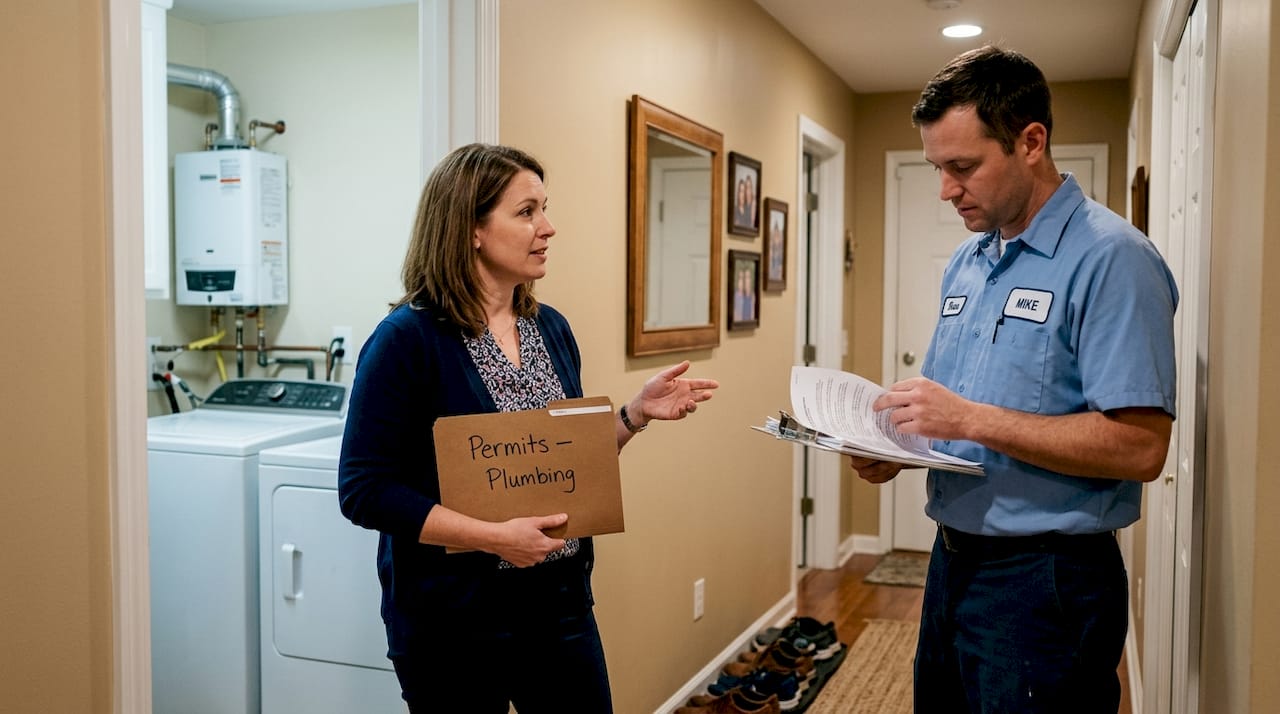
Here’s how the two approaches compare on critical safety issues:
| Issue | DIY approach | Professional approach |
|---|---|---|
| Gas line connection | Risk of improper sealing and leaks | Pressure-tested and inspected |
| Water quality | No testing, unknown contamination risk | Checks for lead pipes and bacteria |
| Fixture installation | May not meet load or flow standards | Installed to code with correct materials |
| Drain venting | Often skipped or done incorrectly | Properly vented to prevent sewer gas |
Professional plumbers also perform safety checks that most homeowners never think to do. These include:
- Inspecting supply lines for corrosion or wear
- Checking water pressure to prevent pipe stress
- Testing drain vents to block sewer gas from entering living spaces
- Verifying that water heater temperature and pressure relief valves function correctly
- Identifying any remaining lead pipes that need replacement
Proper installation also protects your home’s resale value. Buyers and their inspectors look for evidence of permitted, professional work. Homes with essential plumbing services completed by licensed contractors sell faster and with fewer contingencies.
For families with young children or elderly members, water heater safety is a specific concern. A licensed plumber sets the correct temperature, installs anti-scald devices, and confirms the unit vents properly, steps that protect the most vulnerable people in your home.
Long-term value: Saving money and stress with the right help
Hiring a professional plumber isn’t just about avoiding problems today. It’s about protecting your investment over the full life of your home. The value of consistent, expert care adds up in ways that are easy to measure.
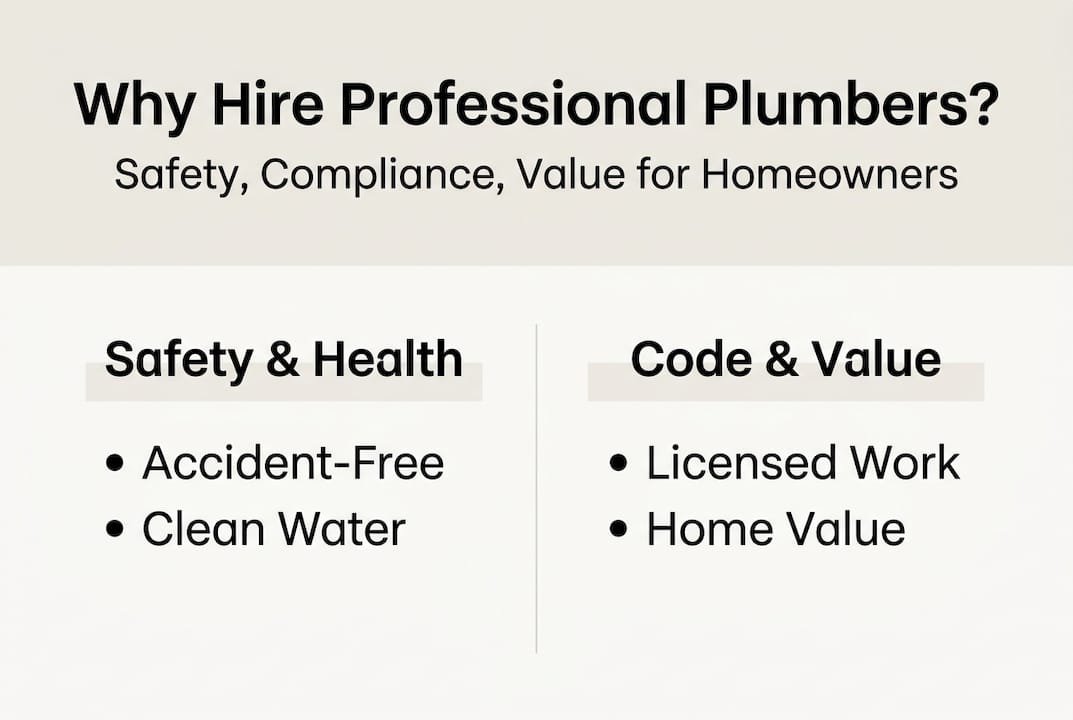
Homes that receive annual professional plumbing inspections can save up to 30% on repair costs over time by catching small issues before they become major failures. That’s a meaningful number when you consider that a single burst pipe or sewer backup can cost between $5,000 and $15,000 to repair.
Licensed plumbers ensure compliance with local codes, which means you avoid the retroactive correction costs that come with unpermitted work discovered during a sale or renovation. These corrections are almost always more expensive than doing the job right the first time.
Here are the top ways certified plumbers add measurable value to your home:
- Warranty protection: Many appliances and fixtures require professional installation to keep the manufacturer’s warranty valid.
- Insurance coverage: Licensed work keeps your homeowner’s insurance active and your claims valid.
- Lower emergency costs: Preventative maintenance catches failing parts before they cause water damage.
- Faster home sales: Documented, permitted work speeds up escrow and reduces buyer negotiation leverage.
- Accurate diagnosis: Pros identify root causes, not just symptoms, so the same problem doesn’t return.
Scheduling plumbing inspections in Orange County or LA County once a year is one of the most cost-effective decisions a homeowner can make. Pairing that with a trusted plumber who knows your system means you prevent repairs with inspections before they ever become emergencies.
Our take: The overlooked truth about plumbing pros
After working with homeowners across Orange County and Los Angeles, we’ve noticed something that rarely gets discussed. Most people call a plumber only after something breaks. By then, the damage is already done, and the cost is already climbing. The homeowners who come out ahead are the ones who build an ongoing relationship with a trusted local plumber before anything goes wrong.
A good plumber does more than fix pipes. They give you honest advice about what needs attention now versus what can wait. They have access to better parts at trade pricing. And when something urgent happens at 9 p.m. on a Sunday, they pick up the phone because they know you.
Generic online tutorials don’t account for LA County’s local amendments or Orange County’s specific inspection requirements. Following that advice can lead to real mistakes, even when the technique looks correct on screen. For smooth plumbing repairs that hold up over time, local expertise is what separates a good outcome from an expensive one.
Investing in skilled labor now means fewer headaches later. That’s not a sales pitch. It’s what the data and our experience consistently show.
Schedule with local certified plumbers today
If you’ve been putting off a repair or haven’t had your plumbing inspected in the past year, now is a good time to act. Small issues don’t stay small in California’s older housing stock, and the cost of waiting is almost always higher than the cost of addressing things early.

At MDTech Services, we connect Orange County and Los Angeles County homeowners with licensed, responsive plumbers who know local codes and get the job done right. Whether you need fast plumbing repair or want to schedule plumbing inspections before a problem develops, we make it easy to book online. You can also verify a licensed plumber before any work begins, so you always know who’s in your home.
Frequently asked questions
What qualifications should a professional plumber in California have?
A professional plumber must hold a C-36 contractor’s license for anything beyond minor repairs and follow the California Plumbing Code. Always ask to see their license number and verify it with the California Contractors State License Board before work begins.
Can DIY plumbing affect homeowner’s insurance in Orange County or LA?
Yes. Unlicensed or unpermitted work can void your homeowner’s insurance and create personal liability for any resulting damage. Insurance companies routinely deny claims when repairs were not completed by a licensed contractor.
How do professional plumbers ensure health safety?
They use correct materials, perform pressure tests, and inspect for gas leaks and sewer gases that DIY work often misses entirely. Professionals also check for lead pipes and ensure water quality meets safe standards for your family.
When is it required to pull a permit for plumbing work in California?
Permits are required for major work including fixture replacement, water heater installation, gas line changes, and appliance hookups. Licensed plumbers ensure compliance and handle the permit process so you don’t face fines or failed inspections later.