
Clogged drains and hidden leaks can catch even the most diligent Orange and Los Angeles County homeowners off guard, quickly turning a simple inconvenience into a pricey disaster. Protecting your home’s plumbing is not only about avoiding major repairs. It is a smart way to support long-term safety and efficient water use. With a bit of knowledge and regular professional maintenance preventing up to 85 percent of emergencies caused by neglect you can keep repairs affordable and your home running smoothly.
Table of Contents
- What Is Plumbing Maintenance And Why It Matters
- Types Of Home Plumbing Systems Explained
- Key Plumbing Components And How They Work
- Routine Maintenance Tasks Every Homeowner Should Do
- Common Plumbing Mistakes And How To Avoid Them
- When To Call A Licensed Professional In California
Key Takeaways
| Point | Details |
|---|---|
| Importance of Plumbing Maintenance | Proactive plumbing maintenance can prevent up to 85% of potential emergencies, saving money and protecting property. |
| Understanding Home Plumbing Systems | Home plumbing systems consist of water supply and drainage components, crucial for sanitation and functionality. |
| Routine Maintenance Tasks | Regular inspections and tasks, such as checking for leaks and flushing the water heater, are essential to prevent costly damage. |
| When to Call a Professional | Understanding when to hire a licensed plumber can prevent safety issues and ensure compliance with local regulations. |
What Is Plumbing Maintenance and Why It Matters
Plumbing maintenance represents a proactive approach to protecting your home’s critical water and waste infrastructure. At its core, this process involves systematic inspection, cleaning, and preventative care of pipes, fixtures, and connected systems to ensure optimal performance and prevent potential failures.
Understanding the importance of plumbing maintenance starts with recognizing how complex these systems are. Modern plumbing systems convey fluids for multiple critical applications, including water delivery, heating, cooling, and waste removal. These intricate networks are essential to maintaining public health and home safety.
Key components of comprehensive plumbing maintenance include:
- Regular pipe and fixture inspections
- Detecting and repairing minor leaks
- Checking water pressure levels
- Cleaning drain systems
- Examining water heater functionality
- Assessing potential corrosion or wear
Professional maintenance offers substantial long-term benefits. Regular system checks can prevent up to 85% of potential emergencies caused by neglect, significantly reducing unexpected repair costs and potential property damage.
Water damage from undetected leaks can cost homeowners thousands of dollars in repairs. Routine maintenance helps identify potential issues before they escalate, saving both money and preventing significant structural damage to your property.
Pro tip: Schedule professional plumbing inspections annually to catch potential issues early and maintain your home’s critical water infrastructure.
Types Of Home Plumbing Systems Explained
Home plumbing systems are complex networks designed to manage water distribution and waste removal efficiently. These intricate infrastructures play a critical role in maintaining household sanitation, comfort, and functionality. Plumbing systems consist of pipes, valves, fixtures, and apparatuses that convey fluids throughout residential spaces.
Typically, home plumbing can be categorized into two primary systems: water supply and drainage. Home plumbing networks source water from municipal lines or tanks and distribute it through specialized pumps and pipes, ensuring clean water reaches every fixture in your home.
Key components of home plumbing systems include:
- Water Supply System:
- Main water line connection
- Pressure regulators
- Shut-off valves
- Water meters
- Distribution pipes
- Drainage System:
- Soil pipes
- Waste pipes
- Vent pipes
- Rainwater pipes
- Anti-siphonage pipes
Modern residential plumbing systems are engineered to handle multiple functions simultaneously. They must effectively manage potable water delivery, waste removal, heating, cooling, and maintain consistent water pressure across different household fixtures.
Proper design and maintenance of home plumbing systems are crucial for preventing water damage, ensuring hygiene, and protecting your property’s structural integrity.
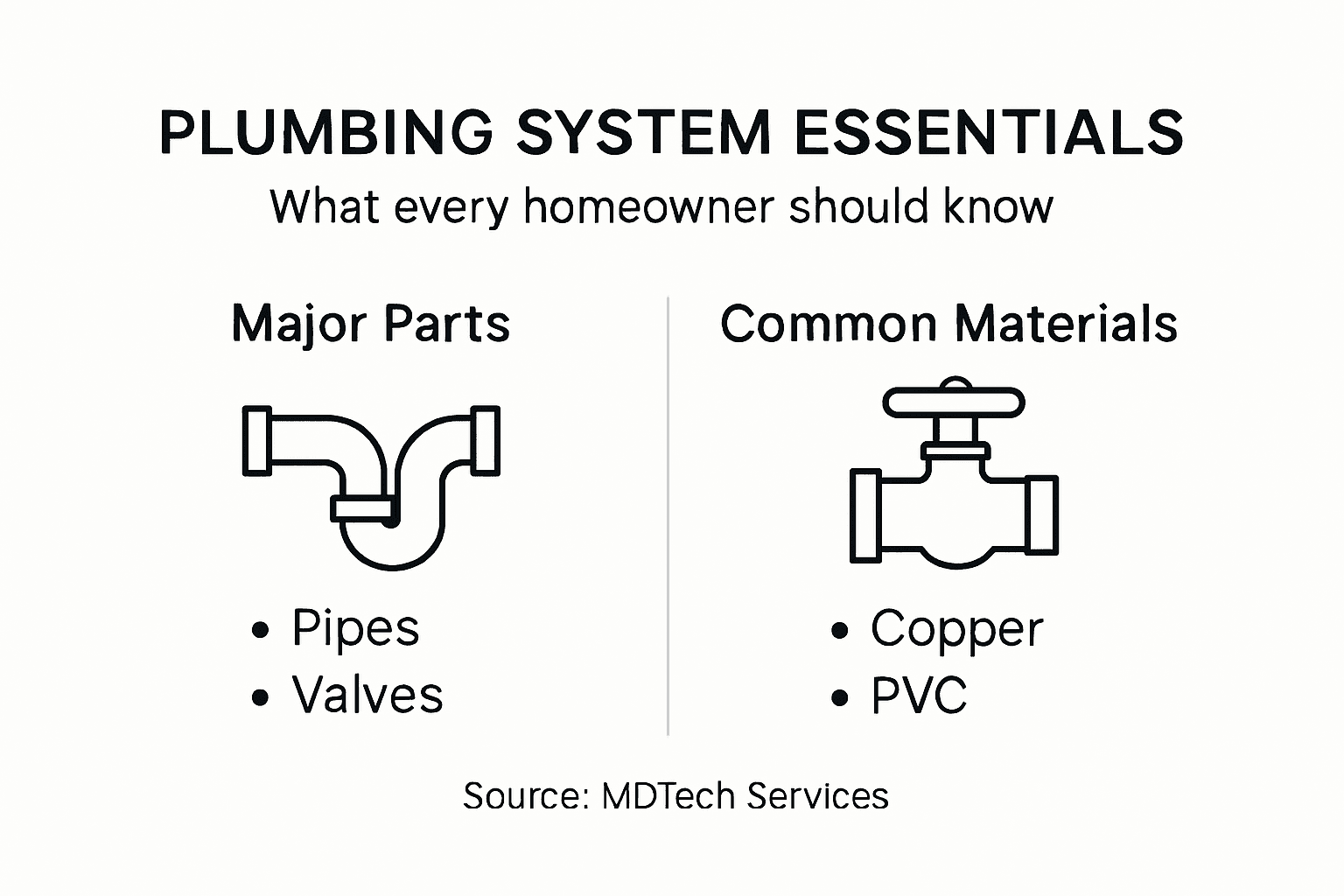
Water pressure and pipe materials are critical considerations in designing efficient plumbing systems. Different homes might use copper, PVC, or cross-linked polyethylene (PEX) pipes depending on local building codes, water quality, and specific household requirements.
Here is a summary comparing common residential pipe materials:
| Pipe Material | Advantages | Disadvantages |
|---|---|---|
| Copper | Durable, resists bacteria | Expensive, can corrode over time |
| PVC (Polyvinyl Chloride) | Inexpensive, easy to install | Can warp with heat, not for hot water |
| PEX (Cross-linked Polyethylene) | Flexible, affordable, resists scaling | Sensitive to UV light, not for outdoor use |
Pro tip: Conduct a comprehensive plumbing system inspection annually to identify potential weaknesses and prevent unexpected failures.
Key Plumbing Components And How They Work
Plumbing systems are intricate networks of interconnected components that work together to manage water distribution and waste removal in residential spaces. The National Standard Plumbing Code provides comprehensive guidelines for understanding these critical system components, ensuring safety and efficiency in home infrastructure.
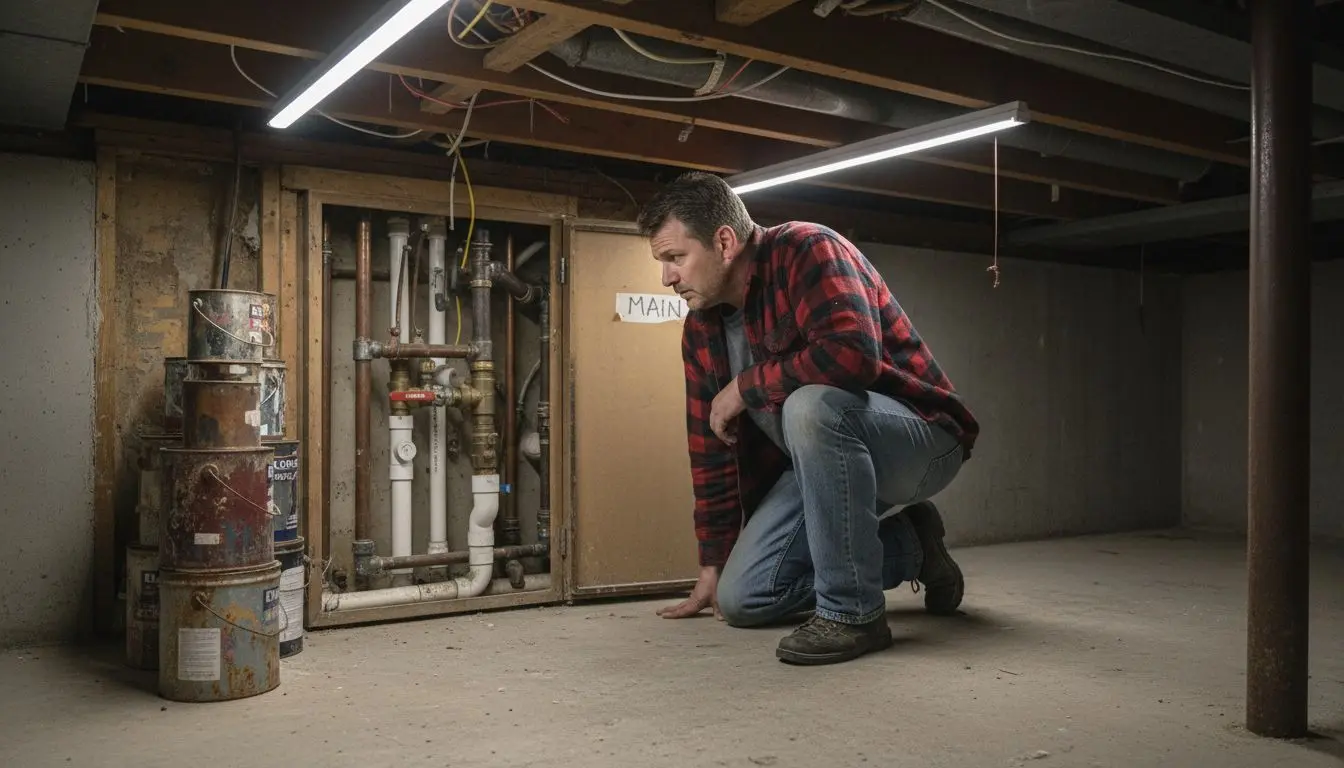
Plumbing systems rely on multiple key components to provide safe drinking water and effective waste management, each playing a unique role in maintaining household functionality. Understanding these components helps homeowners recognize potential issues and maintain their plumbing systems effectively.
Key plumbing components include:
- Water Supply Components:
- Main water line
- Pressure regulators
- Shut-off valves
- Water meters
- Distribution pipes
- Drainage System Components:
- Soil pipes
- Waste pipes
- Vent pipes
- Trap systems
- Drainage networks
Pipes serve as the fundamental transportation system for water and waste. They come in various materials like copper, PVC, and cross-linked polyethylene (PEX), each with specific advantages for different household requirements. Valves act as critical control mechanisms, allowing homeowners to regulate water flow and shut down specific sections during repairs or emergencies.
Proper understanding and maintenance of plumbing components can prevent costly repairs and extend the overall lifespan of your home’s water infrastructure.
Additional essential components include fixtures like sinks, toilets, and showers, which connect to the main plumbing system. Backflow prevention devices ensure that contaminated water cannot flow back into the clean water supply, protecting household health and safety.
Pro tip: Familiarize yourself with the location of main shut-off valves to quickly stop water flow during unexpected plumbing emergencies.
Routine Maintenance Tasks Every Homeowner Should Do
Maintaining a home requires consistent attention and proactive care to prevent costly repairs and ensure system longevity. Routine home maintenance involves systematic tasks that protect your property’s infrastructure and functionality, helping homeowners avoid unexpected breakdowns and expensive interventions.
A comprehensive healthy home maintenance checklist focuses on preventing potential issues before they escalate, addressing multiple home systems to maintain safety and efficiency. Consistent maintenance not only preserves your home’s value but also creates a safer living environment.
Critical routine maintenance tasks for homeowners include:
- Plumbing System Maintenance:
- Check for hidden leaks
- Inspect pipe connections
- Clean faucet aerators
- Test water pressure
- Flush water heater annually
- Seasonal Home Maintenance:
- Clean gutters
- Inspect roof
- Check yard drainage
- Service HVAC systems
- Test safety devices
Water systems require particular attention, as undetected issues can lead to significant damage. Regularly examining pipes, connections, and fixtures helps identify potential problems early, preventing costly water damage and infrastructure deterioration.
Proactive home maintenance is significantly cheaper than reactive repairs, with routine checks potentially saving homeowners thousands of dollars in potential damage.
Safety systems are another crucial maintenance area. This includes checking smoke detectors, carbon monoxide alarms, and ensuring electrical systems function correctly. Regular inspections can prevent potential hazards and protect your family.
Pro tip: Create a seasonal maintenance calendar to track and schedule routine home system checks, ensuring no critical maintenance task gets overlooked.
Below is a quick reference to typical maintenance frequencies for key plumbing tasks:
| Maintenance Task | Recommended Frequency | Reason |
|---|---|---|
| Leak Inspection | Every 6 months | Early detection prevents damage |
| Water Heater Flushing | Once per year | Reduces sediment and boosts lifespan |
| Faucet Aerator Cleaning | Every 3-4 months | Maintains water flow and cleanliness |
| Pressure Regulator Testing | Annually | Ensures safe water pressure |
Common Plumbing Mistakes And How To Avoid Them
Homeowners often unknowingly make critical plumbing errors that can lead to significant damage and expensive repairs. Adhering to updated plumbing codes helps prevent common installation and maintenance mistakes, ensuring your home’s water infrastructure remains safe and functional.
Proper plumbing installation requires careful planning and understanding of potential risks, with many common mistakes stemming from lack of professional knowledge or improper techniques. Recognizing these errors can save homeowners thousands in potential repair costs.
Common plumbing mistakes to avoid include:
- Installation Errors:
- Incorrect pipe sizing
- Poor pipe support
- Using unapproved materials
- Improper joint installations
- Inadequate venting
- Maintenance Mistakes:
- Ignoring minor leaks
- Skipping regular inspections
- Using chemical drain cleaners
- Overtightening connections
- Neglecting hidden pipe areas
Water pressure plays a crucial role in plumbing system health. Excessive pressure can cause pipe damage, while insufficient pressure indicates potential blockages or system failures. Installing pressure regulators and conducting regular checks can prevent these issues.
Understanding and avoiding common plumbing mistakes can significantly extend your home’s infrastructure lifespan and prevent costly water damage.
Pipe materials require careful selection based on local water conditions, building codes, and specific household needs. Using inappropriate materials can lead to corrosion, leaks, and premature system failure.
Pro tip: Consult a licensed plumber annually to conduct a comprehensive system inspection and catch potential issues before they become expensive problems.
When To Call A Licensed Professional In California
Navigating plumbing repairs can be complex, with certain situations requiring professional expertise. California’s licensing requirements protect homeowners by ensuring only qualified professionals handle critical plumbing work, preventing potential safety and legal complications.
The California Contractors State License Board establishes clear guidelines for when professional intervention is mandatory, helping homeowners understand the importance of licensed expertise. Recognizing these critical scenarios can save you from costly mistakes and potential legal issues.
Situations requiring a licensed professional include:
- Major System Modifications:
- Complete pipe replacements
- Sewer line repairs
- Water main installations
- Gas line connections
- Whole-house repipe projects
- Permit-Required Work:
- Structural plumbing changes
- New fixture installations
- Significant bathroom or kitchen remodels
- Commercial plumbing upgrades
- Water heater replacements
Building permits represent a critical indicator of when professional intervention is necessary. Any plumbing work that requires municipal approval absolutely demands a licensed plumbing contractor with current certification.
Professional plumbers not only complete the work correctly but also provide critical documentation and ensure compliance with local building codes.
Safety considerations are paramount in plumbing work. Licensed professionals carry insurance, understand complex building regulations, and can prevent potential hazards that untrained individuals might overlook.
Pro tip: Always verify a plumber’s current license status through the California Contractors State License Board before hiring.
Protect Your Home With Expert Plumbing Maintenance From MDTech Services
Preventing costly water damage and unexpected repairs starts with regular, professional plumbing maintenance. This article highlights the importance of routine inspections, leak detection, and system checks to safeguard your home’s water infrastructure. Ignoring these key tasks can lead to extensive damage and expensive fixes that no homeowner wants to face.

Trust MDTech Services for reliable plumbing solutions designed to keep your home safe and functioning smoothly. Our team of licensed technicians in Orange County and Los Angeles County offers expert repairs and maintenance including leak repairs, water heater flushing, and pressure regulation. Schedule your plumbing service today to avoid emergency repairs tomorrow. Visit MDTech Services to book your appointment or learn more about our specialized plumbing services. Don’t wait until a minor drip becomes a major disaster. Act now and protect your home’s most vital systems.
Frequently Asked Questions
What is plumbing maintenance and why is it important?
Plumbing maintenance refers to the proactive approach of systematically inspecting, cleaning, and caring for your home’s plumbing systems to ensure optimal performance and prevent potential failures, such as leaks or clogs.
How often should I perform plumbing maintenance?
Routine plumbing maintenance should be conducted at least once a year to catch potential issues early. Some tasks, like inspecting for leaks, may be done every six months, while others, such as flushing the water heater, should be done annually.
What are common plumbing maintenance tasks I can do myself?
Common tasks include checking for hidden leaks, inspecting pipe connections, cleaning faucet aerators, testing water pressure, and flushing the water heater to remove sediment buildup.
How can I identify potential plumbing issues before they become major problems?
Regular inspections of pipes and fixtures, monitoring water pressure, and being alert to signs of leaks or unusual sounds in your plumbing system can help identify potential issues early, preventing costly repairs.