
TL;DR:
- Common plumbing problems include leaks, clogs, water heater issues, and fixture malfunctions.
- Preventative maintenance and early detection save homeowners significant time and money.
- Licensed professionals are essential for reliable, prompt plumbing repairs and inspections.
Most homeowners in Orange County and Los Angeles County deal with at least two or three plumbing problems every year. Those problems range from minor annoyances to full-blown emergencies that disrupt daily life and cost real money. According to plumbing industry data, a single household can waste up to 10,000 gallons of water annually from leaks alone. Knowing the most common plumbing issues, recognizing their warning signs early, and understanding when to call a licensed professional can save you significant time, money, and stress. This article walks you through the key problems to watch for and what to do about them.
Table of Contents
- Common leak and pipe issues
- Drain and clog problems
- Water heater problems
- Toilet and fixture malfunctions
- A smarter approach to managing home plumbing
- Reliable local help: Fix plumbing issues fast
- Frequently asked questions
Key Takeaways
| Point | Details |
|---|---|
| Multiple issues yearly | Most homes face 2-3 plumbing issues each year, making awareness essential. |
| Leaks waste water | Undetected leaks can waste up to 10,000 gallons annually and raise bills. |
| Fast action saves money | Prompt repairs and regular checks cut the risk of costly damage. |
| DIY has limits | While some fixes are doable, professional help is needed for complex or urgent problems. |
| Prevention is key | Routine maintenance and annual inspections reduce repair costs and protect your home. |
Common leak and pipe issues
Leaks and pipe failures are the most frequent plumbing complaints homeowners report. They are also the most wasteful. Leaks waste 10,000 gallons of water per home every year, which adds up fast on your utility bill and puts unnecessary strain on local water resources.
Pipe leaks happen for several reasons. Older pipes made of galvanized steel or cast iron corrode over time. Joints loosen from temperature changes and water pressure shifts. Tree roots can push into underground lines without you ever knowing. The signs are usually subtle at first: water stains on walls or ceilings, a musty smell in cabinets under sinks, or a water meter that keeps moving even when nothing is running.
Burst pipes are a different category entirely. These happen fast, especially during cold snaps when water inside pipes freezes and expands. If a pipe bursts, shut off the main water supply immediately, then call a licensed plumber. Every minute of delay means more water damage to flooring, drywall, and structural materials.
Hidden leaks are the trickiest because you cannot see them. A few reliable ways to detect them:
- Check your water meter before and after a two-hour period when no water is being used. If the meter moves, you likely have a leak.
- Look for soft spots or discoloration in flooring, especially near bathrooms and kitchens.
- Monitor your monthly water bill for unexplained increases.
- Inspect exposed pipes under sinks and behind appliances regularly.
Prevention comes down to consistency. Good plumbing maintenance basics include insulating pipes in unconditioned spaces, replacing aging supply lines before they fail, and watching for early warning signs. Scheduling annual plumbing inspections is one of the most practical things you can do, and regular maintenance reduces repairs by a significant margin over time.
Pro Tip: If you spot water stains but cannot find the source, do not wait. A licensed plumber can use a moisture meter or thermal camera to locate the problem without tearing into walls unnecessarily.
Drain and clog problems
Clogged drains rank among the top reasons homeowners call a plumber. Kitchen drains collect grease, food particles, and soap residue. Bathroom drains trap hair, soap scum, and toothpaste buildup. Main sewer line clogs are the most serious because they affect every drain in the house at once.
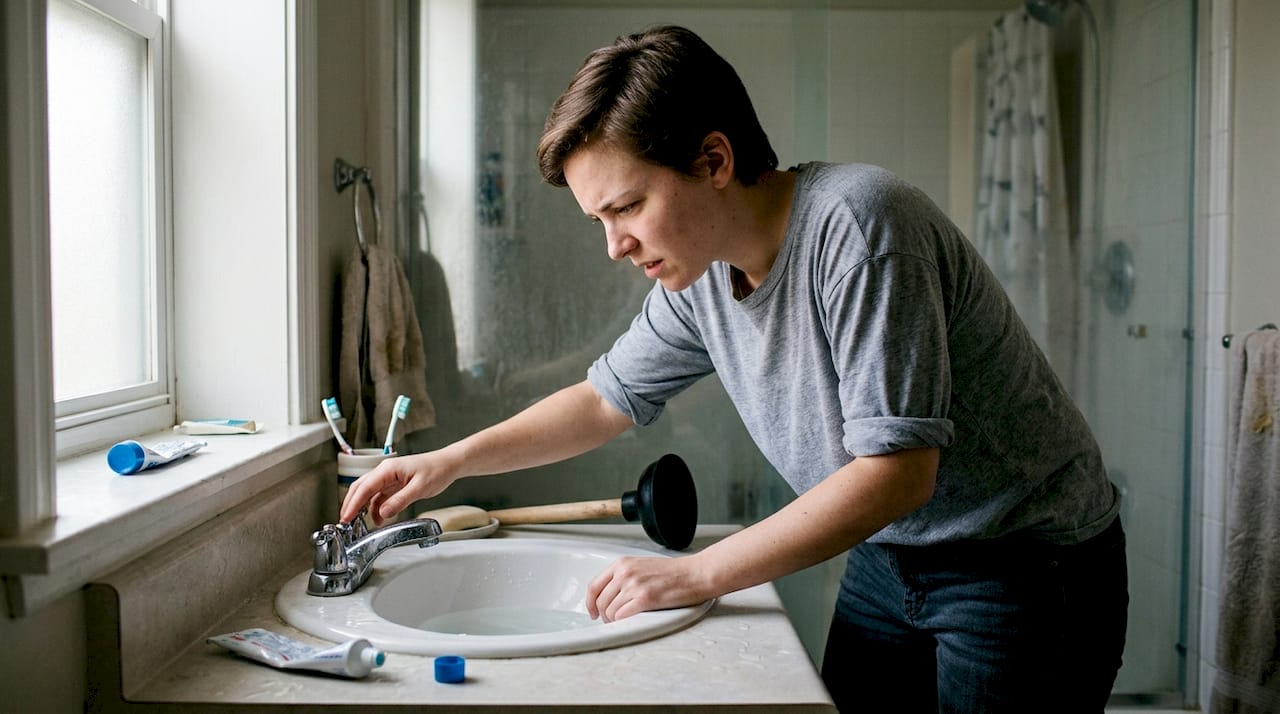
Knowing when to handle it yourself versus when to call for help can make a real difference. Here is a simple breakdown of how each approach compares:
| Issue | DIY option | When to call a pro |
|---|---|---|
| Slow kitchen drain | Hot water flush, dish soap | Grease deep in the line |
| Hair clog in shower | Drain snake, hair catcher | Repeated or stubborn clogs |
| Main line backup | None recommended | Always call a professional |
| Toilet clog | Plunger | Overflow or recurring blocks |
For minor clogs, a few steps tend to work well:
- Use a plunger with a firm seal before trying anything else.
- Pour baking soda followed by white vinegar down the drain, then flush with hot water.
- Use a manual drain snake for hair or debris close to the drain opening.
- Install a mesh drain cover to prevent the problem from recurring.
- Avoid pouring fats, oils, or grease down kitchen drains at any time.
The challenge is that plumber shortages are impacting response times across Southern California for urgent clog situations. This makes it even more important to act early rather than waiting until a clog becomes a backup. Understanding emergency plumbing importance helps you make better decisions under pressure. When DIY methods fail, reviewing emergency plumbing repairs options in advance gives you a faster path to resolution.
Pro Tip: Never use chemical drain cleaners as a regular fix. They corrode pipes over time and can cause more damage than the original clog.
Water heater problems
Water heater failures have a way of announcing themselves at the worst possible moments. Cold showers, a puddle under the tank, or strange rumbling sounds are all signs something is wrong. Households face 2-3 plumbing issues per year on average, and water heater problems consistently make that list.
Here are the most common water heater issues and what typically causes them:
- No hot water: The heating element may have failed (in electric heaters), or the pilot light is out (in gas heaters). A faulty thermostat can also be the culprit.
- Water not hot enough: Sediment buildup at the bottom of the tank reduces heating efficiency over time. Flushing the tank annually helps prevent this.
- Leaks around the tank: Corrosion at the pressure relief valve or tank connections is a common cause. A leaking tank itself usually means replacement is needed.
- Rumbling or banging sounds: This almost always points to sediment accumulation. As water heats, it forces through sediment layers and creates that noise.
- Rusty or discolored water: Indicates internal corrosion, often a sign the anode rod has failed and the tank is deteriorating.
Here is a quick reference for water heater issue frequency and impact:
| Problem | Frequency | Typical impact |
|---|---|---|
| No hot water | Common | Major daily disruption |
| Sediment buildup | Very common | Efficiency loss, noise |
| Tank leak | Moderate | Water damage risk |
| Rusty water | Less common | Health and equipment risk |
| Pressure valve failure | Moderate | Safety hazard |
Knowing which essential plumbing services apply to water heaters helps you ask the right questions when calling for help. And understanding the real value of professional plumber benefits matters even more when dealing with gas lines or pressure-related repairs, where safety compliance is not optional.
Toilet and fixture malfunctions
Homeowners typically face multiple fixture and toilet issues each year. These problems are often dismissed as minor, but they add up quickly in terms of water waste and repair costs if left unaddressed.
Common toilet problems include:
- Running toilets: Usually caused by a worn flapper valve that fails to create a proper seal. A running toilet can waste hundreds of gallons per day.
- Weak or incomplete flushes: Often linked to a partial clog in the trap or a deteriorating flush valve.
- Toilet leaks at the base: The wax ring seal beneath the toilet may have failed, which can allow water to seep under flooring and cause hidden damage.
- Phantom flushes: The toilet refills on its own without being flushed, usually because the flapper is not seating properly.
Sink and shower fixtures have their own failure points. Dripping faucets waste more water than most people realize. Shower valves wear out and lose pressure balance, creating both comfort and safety issues. Corroded or aging fixture supply lines can fail without warning.
“Addressing toilet and fixture issues as soon as they appear is the most reliable way to prevent minor annoyances from turning into costly water damage repairs,” says the MDTech Services plumbing team.
Quick action matters here. Understanding plumbing safety insights helps you prioritize which issues need same-day attention. And if you need fast help, finding emergency plumbers in your area who are already familiar with local housing infrastructure is a clear advantage.
A smarter approach to managing home plumbing
Here is something we have observed over years of working with homeowners in Orange and Los Angeles County: most major plumbing repairs were avoidable. Not because the homeowners were careless, but because they were working with the wrong strategy. They waited for something to break before calling anyone.
The reality is that the cost of a professional inspection is almost always less than the cost of repairing the damage that follows a missed warning sign. Plumber shortages across Southern California also mean that when an emergency happens, you may wait longer than expected for help. Having a relationship with a licensed local plumber before you need one gives you an enormous advantage.
Orange County and LA County homes also have unique infrastructure challenges. Older neighborhoods may have galvanized pipes that are decades past their lifespan. Coastal humidity accelerates corrosion. These are not problems that generic online advice accounts for.
The smartest approach combines proactive checks with professional oversight. Learning the value of preventative plumbing benefits is not just about saving money. It is about protecting your home, your water, and your peace of mind.
Reliable local help: Fix plumbing issues fast
When plumbing problems show up, you need licensed professionals who know your local area and can respond quickly. MDTech Services serves homeowners throughout Orange County and Los Angeles County with experienced, reliable plumbing support.

Whether you are dealing with a stubborn clog, a water heater on its last legs, or a leak you cannot locate, our team is ready to help. You can easily access our plumbing repair service for urgent needs, or take a proactive step and schedule plumbing inspections to catch issues before they escalate. Not sure what you need? Exploring the full range of types of plumbing services we offer is a great starting point. Call us today and let us take care of your home the right way.
Frequently asked questions
How can I detect hidden leaks in my home?
Check for unexplained increases in your water bill, damp spots on walls or floors, or musty odors in enclosed spaces. If you suspect a leak, a licensed plumber can confirm it quickly since leaks waste significant amounts of water every year and should not be ignored.
What should I do if my drain is clogged and urgent help isn’t available?
Try a plunger or a baking soda and vinegar treatment first, and avoid chemical cleaners that can damage pipes. If DIY methods do not clear the blockage, call an emergency plumber because plumber shortage impacts response times in some areas, so reaching out early gives you a better chance of fast service.
When should I replace my water heater instead of repairing it?
If your water heater is more than 10 years old, shows signs of internal corrosion, or has stopped heating water reliably, replacement is usually the smarter investment. Frequent repairs on an older unit often cost more than a new installation over time, especially given that households face water heater issues regularly.
Can I fix running toilets myself, or should I call a plumber?
Replacing a worn flapper valve is a straightforward DIY repair that most homeowners can handle. However, if the problem keeps coming back or multiple fixtures are involved, homeowners typically face fixture issues that need a professional assessment to resolve properly.
What preventative steps minimize major plumbing issues?
Annual inspections, timely repair of small leaks, and consistent maintenance of drains and fixtures are the most effective steps. Staying ahead of problems protects your home and your budget since annual maintenance cuts costly repairs by a meaningful percentage each year.