
Your home might be wasting 10,000 gallons of water every year without you even noticing. That’s the typical cost of an undetected household leak, and it’s just one reason why regular plumbing maintenance matters so much. For homeowners across Orange and Los Angeles Counties, proactive care prevents expensive emergencies while keeping water bills under control. This guide breaks down exactly why maintenance works and how to make it practical for your home.
Table of Contents
- Introduction To Plumbing Maintenance
- How Plumbing Maintenance Prevents Costly Repairs
- Local Plumbing Challenges In Orange And Los Angeles Counties
- Common Misconceptions About Plumbing Maintenance
- Recommended Maintenance Frequency And Checklist
- Professional Plumbing Maintenance Vs Diy Risks And Benefits
- Benefits Beyond Cost Savings: Water Efficiency And Home Value
- Protect Your Home With Expert Plumbing Maintenance From Mdtech Services
- Frequently Asked Questions About Regular Plumbing Maintenance
Key Takeaways
| Point | Details |
|---|---|
| Regular plumbing checks reduce water waste and save money. | Early detection prevents leaks that waste thousands of gallons annually and cuts utility costs. |
| Early detection cuts emergency repair costs by up to 30%. | Catching problems before they escalate dramatically reduces expensive service calls and damage. |
| Local water quality demands tailored maintenance frequencies. | Hard water in Southern California requires more frequent pipe and fixture inspections. |
| Professional inspections outperform DIY alone. | Trained plumbers identify hidden issues that homeowners typically miss during basic checks. |
| Maintenance boosts home resale value and system longevity. | Documented care reduces inspection red flags and extends plumbing system life. |
Introduction to Plumbing Maintenance
Plumbing maintenance means scheduling regular inspections and making small repairs before they turn into catastrophes. You’re not waiting for a burst pipe or a flooded basement. Instead, you’re catching corrosion, slow leaks, and blockages while they’re still manageable.
Your home’s plumbing system includes more than you might think. Pipes carry water in and waste out. Drains handle everything from kitchen grease to shower runoff. Fixtures like faucets and toilets get daily use. Your water heater works around the clock to deliver hot water on demand. Each component needs attention to keep working efficiently.
Consistent maintenance delivers three major benefits. First, you save water and money by eliminating waste from small leaks. Second, your entire system lasts longer when parts don’t deteriorate from neglect. Third, you avoid emergency calls that always seem to happen at the worst possible time, like holiday weekends when rates skyrocket.
Here’s what basic plumbing maintenance tips typically include:
- Checking all visible pipes for moisture, corrosion, or mineral deposits
- Testing water pressure at multiple fixtures throughout your home
- Inspecting toilet tanks and bowls for cracks or internal wear
- Examining your water heater for sediment buildup and proper temperature
- Clearing drain traps before they create complete blockages
Think of maintenance as insurance you actually use. Instead of paying premiums and hoping you never need coverage, you’re investing in actions that directly prevent problems. The cost is predictable, the timing is convenient, and the peace of mind is immediate.
How Plumbing Maintenance Prevents Costly Repairs
Most plumbing disasters don’t appear out of nowhere. They develop gradually, giving you plenty of warning if you know where to look. Regular plumbing maintenance reduces repair costs by up to 30% by catching problems early, turning major crises into minor fixes.
Common problems detected during routine checks include:
- Pinhole leaks in copper pipes that start as tiny drips but expand into floods
- Corrosion eating through pipe joints where different metals meet
- Partial drain blockages from hair, soap, and debris before they cause backups
- Water heater sediment that reduces efficiency and shortens equipment life
- Toilet flapper deterioration that wastes water with every flush
The financial impact adds up quickly. A small leak wastes water 24 hours a day, raising your monthly bill by $50 or more. Catching it early means a $150 repair instead of a $2,000 water damage claim. That simple pipe joint fix prevents the drywall replacement, flooring damage, and mold remediation that follow undetected leaks.
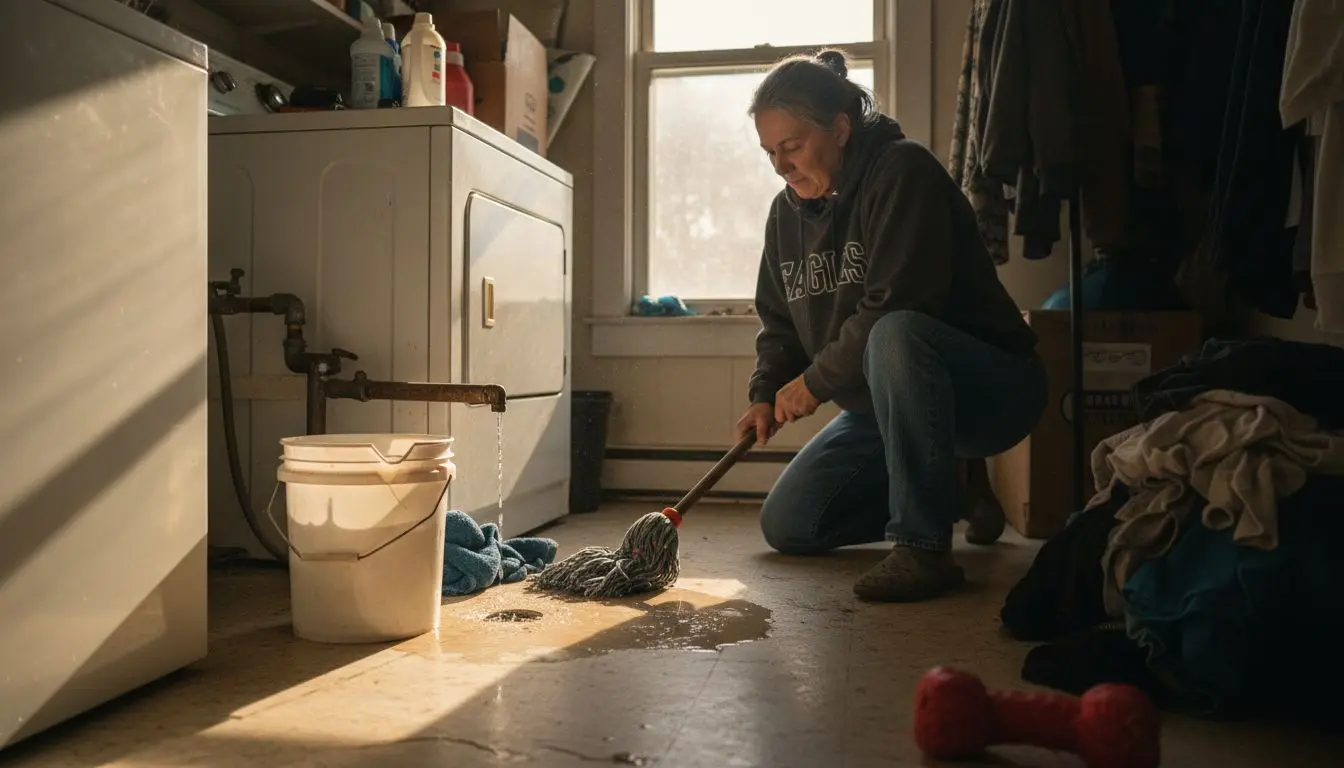
Emergency plumbing issues cost more in every way. You pay premium rates for after-hours service. The damage spreads while you wait for help. You deal with stress and disruption to your daily routine. Prevention eliminates all of that.
Pro Tip: Schedule annual inspections during off-peak seasons like fall or early spring. Plumbers have more availability, you avoid holiday rush pricing, and you catch issues before summer or winter weather stresses your system.
Local Plumbing Challenges in Orange and Los Angeles Counties
Southern California presents unique conditions that affect how you should maintain your plumbing. The water here differs from what pipes handle in other parts of the country, and that difference matters for your maintenance routine.
Hard water tops the list of regional plumbing challenges. Our municipal supplies contain high mineral content, especially calcium and magnesium. These minerals accumulate inside pipes, on fixtures, and within appliances. You see the white residue around faucet aerators. What you don’t see is the same buildup narrowing pipe diameter and reducing water flow.
Key local factors include:
- Accelerated pipe corrosion from mineral-rich water requiring more frequent inspections
- Sediment deposits in water heaters that reduce efficiency faster than in soft water areas
- Fixture aerator clogging that happens monthly instead of annually
- Increased pressure on older galvanized pipes still common in pre-1970 homes
- Drought conditions affecting water pressure and system stress patterns
Climate plays a role too. We don’t face frozen pipe concerns like northern states, but our dry conditions concentrate minerals in water supplies. When drought restrictions limit water use, stagnant water in pipes increases corrosion risk. When restrictions lift and usage spikes, pressure changes can expose weakened joints.
Adapt your maintenance frequency accordingly. If you live in an area with particularly hard water, consider inspections every six months instead of annually. Pay extra attention to your water heater, which bears the brunt of sediment accumulation. Watch for early signs of fixture problems like reduced spray pressure or uneven water distribution.
Common Misconceptions About Plumbing Maintenance
Several myths stop homeowners from maintaining their plumbing properly. These misconceptions create a false sense of security that ends in expensive surprises.
Myth: Plumbing problems happen suddenly without warning. Reality: Most issues develop over months or years. That burst pipe started as a small area of corrosion. The clogged drain began with gradual buildup. Professional inspections catch these developing problems before they reach crisis stage.
Myth: DIY maintenance equals professional service. Reality: You can handle some tasks like clearing visible drain traps or checking for obvious leaks. But you lack the tools and training to inspect inside walls, test system pressure properly, or identify early-stage corrosion. Professionals find problems you don’t even know to look for.
Myth: Inspections only matter when something seems wrong. Reality: The whole point of maintenance is catching issues before symptoms appear. By the time you notice reduced water pressure or hear strange noises, damage has already occurred. Annual checks preserve your system before visible problems develop.
Other common misunderstandings include:
- Believing new homes don’t need maintenance for the first few years
- Assuming chemical drain cleaners solve problems instead of masking them
- Thinking all plumbers offer the same quality of inspection and service
- Underestimating how quickly small leaks escalate into major damage
Pro Tip: If you’re comfortable checking visible pipes and fixtures yourself between professional visits, do it monthly. But never skip annual professional inspections thinking your DIY checks replace them. They complement each other but serve different purposes.
Recommended Maintenance Frequency and Checklist
Establishing a regular schedule removes guesswork from plumbing care. You know what to check and when to call professionals, creating predictable costs and reliable protection.
Annual or bi-annual inspections catch problems before visible symptoms appear, preserving system integrity and efficiency. For typical homes without unusual conditions, once yearly works well. Homes with hard water, older plumbing, or large households benefit from twice yearly service.
Your maintenance checklist should include:
- Complete leak detection throughout all accessible plumbing
- Drain cleaning for kitchen, bathroom, and laundry fixtures
- Water heater inspection including sediment flushing and temperature check
- Pipe examination for corrosion, mineral deposits, and joint integrity
- Fixture testing for proper operation and seal condition
- Water pressure measurement at multiple points
- Sewer line camera inspection every few years
| Task | Frequency | Priority | Professional Required? |
|---|---|---|---|
| Visual leak check | Monthly | High | No |
| Drain cleaning | Quarterly | Medium | No (simple clogs) |
| Full system inspection | Annually | High | Yes |
| Water heater flush | Annually | High | Recommended |
| Pipe pressure test | Annually | Medium | Yes |
| Sewer line camera | Every 3-5 years | Medium | Yes |
| Fixture seal replacement | As needed | High | Depends on skill |
When you identify issues during maintenance, act quickly. Small problems escalate fast in plumbing systems. That minor drip wastes water and money every day you delay. The partial blockage gets worse with each use. The loose connection only gets looser.
Think of your maintenance schedule like the residential lock maintenance workflow approach used in home security. Both systems require regular attention to prevent failures that create security risks or costly damage. Both benefit from professional expertise combined with homeowner vigilance.
Professional Plumbing Maintenance vs DIY Risks and Benefits
Deciding between professional service and DIY maintenance requires understanding what each approach offers and where it falls short.
| Factor | Professional Service | DIY Maintenance |
|---|---|---|
| Cost | Higher upfront ($150-300 per visit) | Lower immediate cost |
| Thoroughness | Complete system inspection with specialized tools | Limited to visible, accessible areas |
| Risk | Minimal, backed by licensing and insurance | Higher risk of missed problems or incorrect repairs |
| Documentation | Detailed reports valuable for resale | No formal record of care |
| Time Required | Convenient scheduling, completed in 1-2 hours | Ongoing time investment learning and performing tasks |
| Long-term Value | Preserves warranty, catches hidden issues | Saves money on simple tasks only |
Professional inspections reduce severe repair likelihood by 15-20%, while DIY maintenance often misses early-stage damage. The difference comes down to training and equipment. Licensed plumbers spot corrosion patterns, pressure irregularities, and developing failures that look fine to untrained eyes.
Benefits of professional service include:
- Access to specialized diagnostic equipment like pressure gauges and camera inspection tools
- Expert interpretation of findings based on thousands of inspections
- Documentation that supports insurance claims and home sale negotiations
- Warranty protection that requires professional service records
- Peace of mind from comprehensive evaluation
DIY maintenance carries real risks. You might tighten a fitting too much and crack it. You could use the wrong cleaning method and damage pipes. You’ll likely miss hidden leaks inside walls or under slabs. Most critically, you won’t recognize early warning signs that experienced plumbers identify immediately.
Know when to call professionals. Licensed plumber verification ensures you’re working with qualified experts. You need professional help for any work involving gas lines, main water lines, sewer systems, or permits. You also need pros for annual comprehensive inspections even if you handle basic tasks between visits.
Simple homeowner tasks include clearing visible drain traps, checking exposed pipes for moisture, testing toilet flappers, and monitoring water pressure. These complement professional service but never replace it.
Benefits Beyond Cost Savings: Water Efficiency and Home Value
Plumbing maintenance delivers advantages that extend past avoiding repair bills. These additional benefits matter especially in Southern California’s real estate market and environmental context.
A typical home leak wastes approximately 10,000 gallons of water annually, which maintenance prevents while reducing bills. That’s enough water to fill a backyard swimming pool. In drought-prone Southern California, that waste carries environmental consequences alongside financial ones. Your water bill drops when maintenance eliminates even small leaks.
Efficient plumbing reduces utility costs in multiple ways. Fixed leaks stop wasting treated water you pay for but never use. Clean pipes maintain proper pressure so fixtures work without running longer than necessary. Sediment-free water heaters use less energy reaching target temperature. These savings accumulate month after month.
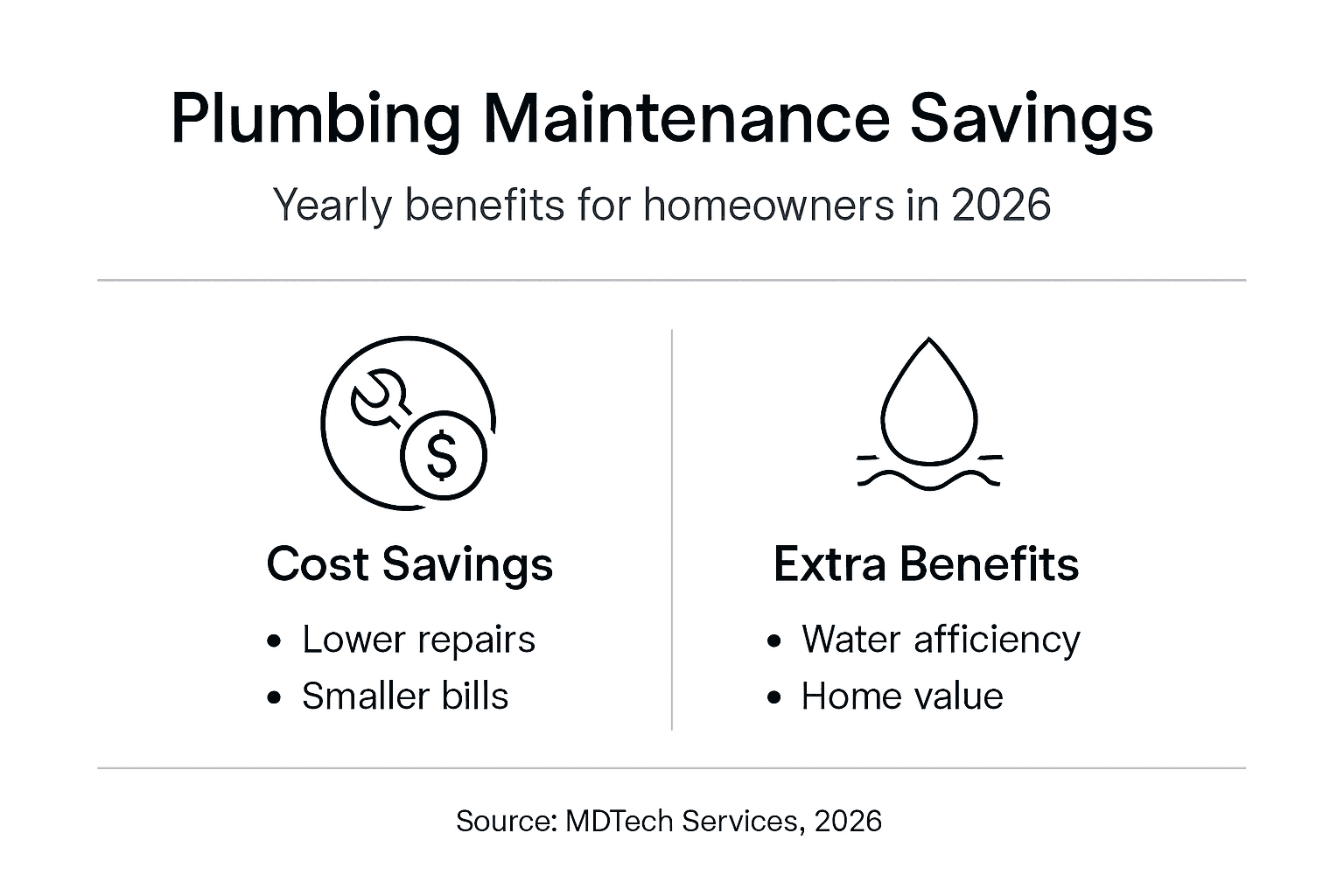
Regular plumbing maintenance improves home resale value by reducing inspection red flags, valued by 30-40% of Southern California buyers. When you sell your home, prospective buyers hire inspectors who scrutinize plumbing carefully. Documented maintenance history shows you’ve protected their investment. It reduces negotiation leverage for buyers trying to lower your asking price.
Additional advantages include:
- Extended equipment life for water heaters, pressure regulators, and fixture components
- Reduced environmental impact from water conservation and efficient resource use
- Lower homeowner insurance premiums when you demonstrate proactive property care
- Increased confidence in your home’s systems reducing stress and uncertainty
- Better water quality from clean pipes without corrosion or sediment
Real estate agents in Orange and Los Angeles Counties consistently report that homes with maintenance records sell faster and for higher prices. Buyers feel confident purchasing a home where owners clearly cared about preservation. They worry less about hidden problems lurking in walls or under slabs.
Protect Your Home with Expert Plumbing Maintenance from MDTech Services
Understanding why plumbing maintenance matters is the first step. Taking action with qualified professionals is what actually protects your home.
MDTech Services brings specialized expertise to Orange and Los Angeles County homes. Our licensed plumbers know exactly what local water conditions do to residential plumbing systems. We’ve seen every common issue these areas present, and we catch problems before they become emergencies.

Scheduling your annual or bi-annual plumbing maintenance services takes just minutes online. We offer transparent pricing with no surprise charges. Our comprehensive inspections include detailed reporting so you know exactly what we found and what it means for your system. When we identify issues needing repair, our team handles everything from minor adjustments to complete replacements.
We also provide affordable plumbing repair when maintenance reveals problems requiring fixes. Our licensed plumber verification guidance helps you understand credentials and what to look for in any plumbing professional. We’re committed to education as much as service because informed homeowners make better decisions about their properties.
Contact MDTech Services today to schedule your plumbing maintenance inspection and start preventing costly repairs while protecting your most valuable investment.
Frequently Asked Questions About Regular Plumbing Maintenance
How often should I schedule professional plumbing maintenance?
Most homes benefit from annual professional inspections. If you have hard water, older plumbing, or a large household, schedule service every six months instead. Between professional visits, check visible pipes monthly for moisture or corrosion.
What are the signs that my plumbing needs immediate attention?
Call a plumber immediately if you notice sudden pressure drops, water discoloration, sewage odors, visible leaks, or unusual sounds from pipes. These indicate problems already progressing beyond early stages. Don’t wait for your next scheduled maintenance when you spot these warning signs.
Can I do plumbing maintenance myself or should I always hire a professional?
You can handle basic tasks like checking for visible leaks, clearing simple drain clogs, and monitoring water pressure. However, annual professional inspections remain essential because trained plumbers identify hidden problems and use specialized diagnostic equipment. Think of DIY maintenance as supplemental to professional service, not a replacement.
How does plumbing maintenance improve my home’s resale value?
Documented maintenance history reassures buyers that your home’s plumbing system has received proper care. Pre-sale inspections reveal fewer problems when you’ve maintained systems consistently. Buyers in Southern California particularly value maintenance records given regional water quality challenges. This reduces price negotiations and speeds sales.
What are common plumbing issues in Southern California homes and how can maintenance help?
Hard water causes mineral buildup in pipes and fixtures, accelerating wear throughout your system. Maintenance includes checking for this accumulation and addressing it before flow restriction or corrosion occurs. Regular water heater flushing removes sediment that accumulates faster here than in soft water regions. Professional inspections identify corrosion patterns specific to our water chemistry and catch them early.