
TL;DR:
- Energy efficiency in homes involves reducing energy use while maintaining performance, benefiting both the environment and occupant health. Key upgrades include air sealing, insulation, and appliance improvements, with audits guiding the most impactful investments. These measures support grid stability and significantly lower greenhouse gas emissions at regional and national levels.
Energy efficiency in homes is defined as using less energy to deliver the same level of heating, cooling, lighting, and appliance performance. The EPA frames energy efficiency as one of the fastest and most cost-effective ways to cut utility bills, reduce greenhouse gas emissions, and improve home comfort simultaneously. The role of energy efficiency in homes goes well beyond saving a few dollars each month. It affects your health, your indoor air quality, and even how well you sleep. Programs like Energy Star and the Department of Energy’s Energy Saver initiative have made it easier than ever for both homeowners and renters to take real, measurable steps toward a more efficient home.
How energy efficiency reduces energy waste and utility costs
Energy waste in a typical home does not come from one single source. It comes from dozens of small failures working together: gaps around windows, an aging furnace running longer than it should, a refrigerator that never got serviced, and ductwork leaking conditioned air into an unconditioned attic. Addressing these issues through targeted upgrades is exactly what residential energy efficiency is designed to do.
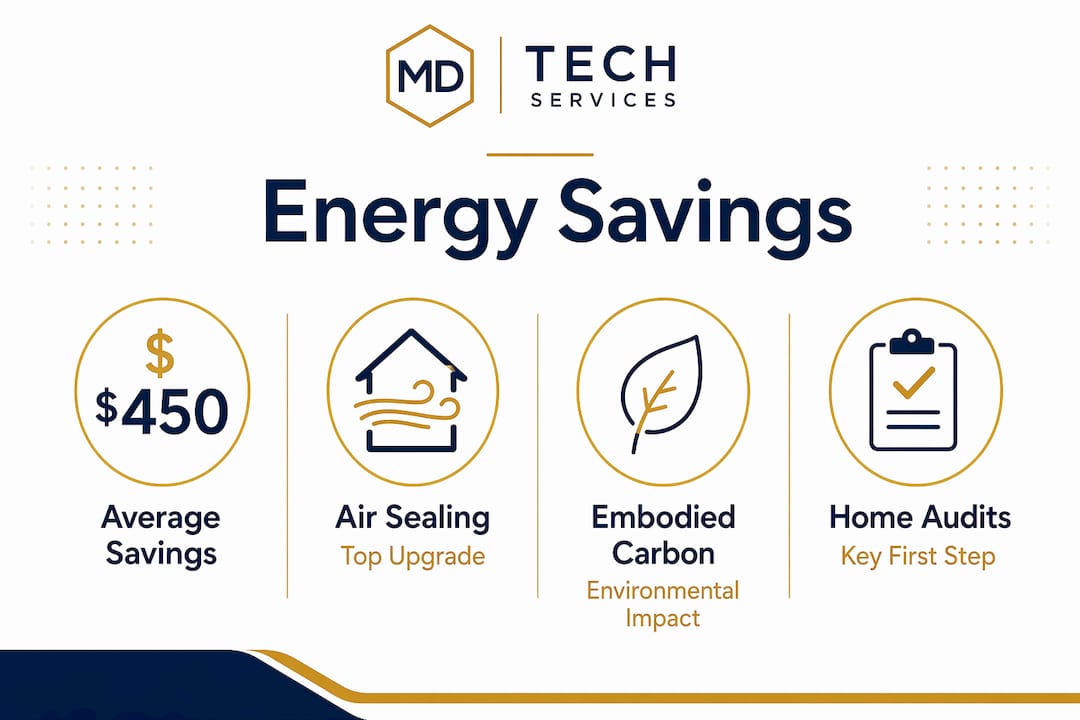
The numbers make a strong case. The Energy Star program has saved households an average of $450 per year on utility bills since its launch in 1992, while eliminating 4 billion metric tonnes of greenhouse gas emissions. That $450 figure represents real money for most families, and it comes from relatively modest changes to appliances and equipment.
Common sources of energy waste in homes include:
- Air leaks around doors, windows, electrical outlets, and attic hatches
- Inadequate insulation in attics, walls, and crawl spaces
- Aging HVAC systems that cycle inefficiently or have dirty filters
- Older appliances that draw significantly more power than current Energy Star models
- Water heating that accounts for roughly 18% of a home’s energy use
- Phantom loads from electronics left in standby mode
The Department of Energy recommends starting with a professional home energy audit before spending money on any upgrade. An audit uses blower door tests and thermal imaging to show exactly where your home loses energy, so you spend on the right fix rather than the most obvious one.
Pro Tip: Schedule a home energy audit before purchasing any new appliances or insulation. Audits typically cost between $200 and $500, but they prevent you from spending thousands on upgrades that won’t move the needle on your actual energy losses.
What are the most effective energy efficiency upgrades?
Not all upgrades deliver equal results, and the right choice depends on whether you own or rent your home. The table below compares the most common residential energy efficiency upgrades by estimated annual savings, typical upfront cost, and comfort impact.
| Upgrade | Estimated annual savings | Typical cost | Comfort impact |
|---|---|---|---|
| Air sealing and weatherstripping | $150 to $300 | $100 to $500 | High: reduces drafts and noise |
| Attic insulation upgrade | $200 to $600 | $1,500 to $3,500 | High: stabilizes indoor temperature |
| HVAC system replacement | $200 to $500 | $4,000 to $12,000 | Very high: consistent heating and cooling |
| Energy Star appliances | $50 to $200 per appliance | $400 to $2,000 | Moderate: quieter and more reliable |
| Smart thermostat (Nest, Ecobee) | $100 to $150 | $150 to $300 | Moderate: automated comfort scheduling |
| LED lighting throughout home | $75 to $150 | $50 to $200 | Low: same light output, less heat |
For homeowners, air sealing and envelope diagnostics consistently reveal the largest savings potential. This is not intuitive. Most people assume replacing an old refrigerator or installing solar panels is the highest-impact move. In reality, a poorly sealed attic hatch or a gap around a recessed light fixture can undo the benefit of a brand-new HVAC system.
For renters, the calculus is different. You cannot replace insulation or install a new furnace, but you can use draft stoppers, thermal curtains, Energy Star-certified portable air purifiers, and induction cooktops. These renter-friendly efficiency options lower energy use without requiring landlord approval or capital investment.
One factor that rarely gets discussed in mainstream home improvement content is embodied carbon. Residential near-zero-energy renovations can achieve 55.4% primary energy savings and 45% life-cycle CO2 reductions, but only when the materials used in the renovation are factored into the carbon equation. Choosing recycled insulation or low-carbon drywall matters once your operational energy use is already minimized. This is the frontier of deep home retrofits, and it is where the next decade of residential sustainability work will focus.
You can find a detailed breakdown of how appliance upgrades fit into this picture in Mdtechservices’ guide on energy-efficient appliances for homeowners.
How does energy efficiency affect health and indoor air quality?
The connection between energy use and physical health is direct and well-documented. Energy use in homes affects indoor air quality, sleep quality, productivity, and stress levels. A drafty, poorly insulated home is not just uncomfortable. It allows outdoor allergens, pollutants, and moisture to enter unchecked, which worsens asthma, disrupts sleep, and increases stress.
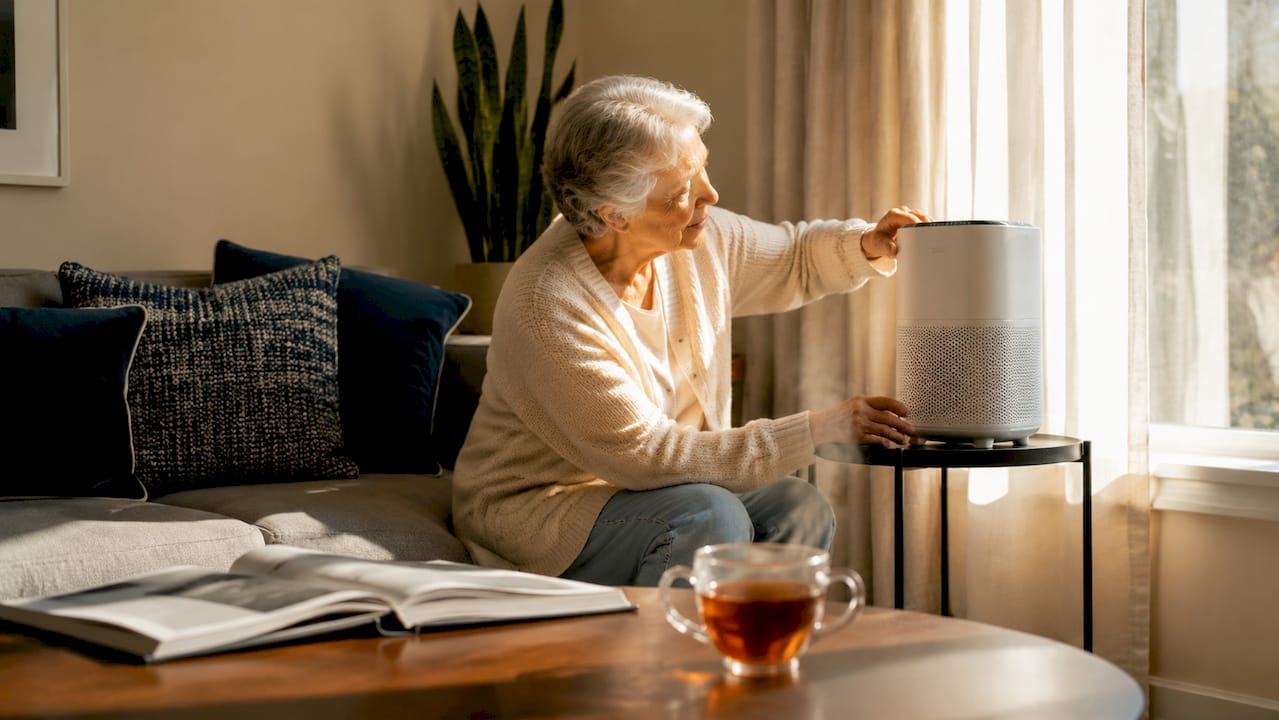
Better insulation and air sealing do more than reduce your heating bill. They create a quieter, more stable indoor environment. When your HVAC system runs less frequently because the thermal envelope is tight, it also filters air less erratically, which leads to more consistent indoor air quality throughout the day.
Specific health-related benefits of residential energy efficiency upgrades include:
- Reduced allergen infiltration through sealed gaps and proper ventilation systems
- Lower indoor humidity when HVAC systems are properly sized and maintained, which limits mold growth
- Fewer combustion pollutants when gas appliances are replaced or properly vented
- Better sleep quality from stable nighttime temperatures in well-insulated bedrooms
- Reduced noise pollution from exterior sounds when walls and windows are properly sealed
For renters who cannot upgrade insulation, a certified air purifier like those from Blueair or IQAir addresses particulate matter and allergens without any structural changes. Pairing that with a home ventilation strategy that balances fresh air intake with energy retention gives you most of the health benefit at a fraction of the cost.
Pro Tip: Keep indoor relative humidity between 30% and 50% using an Energy Star-certified dehumidifier or a properly maintained HVAC system. This single step reduces mold risk, dust mite populations, and respiratory irritation more reliably than most air quality products.
What is the broader environmental role of residential energy efficiency?
Individual home upgrades add up to something much larger than personal savings. Utility-scale energy efficiency programs cost about $21 per megawatt-hour, less than half the price of new gas power plants, which run between $45 and $108 per MWh. That cost gap means every dollar spent on residential efficiency is a dollar that avoids the need for new power generation infrastructure.
The American Council for an Energy-Efficient Economy (ACEEE) projects that efficiency measures could cut electricity demand by 70 GW by 2040. To put that in context, 70 GW is roughly equivalent to the output of 70 large power plants. Residential efficiency is not a feel-good gesture. It is a grid planning strategy with measurable infrastructure value.
Buildings contribute about 40% of global energy consumption, making the residential sector one of the highest-leverage areas for emissions reduction. Key system-level and environmental benefits of home energy efficiency include:
- Deferred power plant construction, reducing capital costs for utilities and ratepayers
- Lower peak demand, which reduces grid stress during heat waves and cold snaps
- Reduced dependence on fossil fuels, which hedges against natural gas price spikes
- Decreased greenhouse gas emissions at both household and regional levels
- Grid resilience, because energy efficiency programs help manage demand volatility and provide system risk management benefits
Government programs amplify these benefits. Federal tax credits under the Inflation Reduction Act, California’s Energy Upgrade California program, and utility rebate programs from Southern California Edison and Pacific Gas and Electric all reduce the upfront cost of efficiency upgrades. These programs exist because utilities and governments recognize that getting you to use less energy is cheaper than building more generation capacity.
Key takeaways
Energy efficiency in homes delivers the greatest return when upgrades are guided by a professional audit that targets air sealing and insulation before appliances or equipment.
| Point | Details |
|---|---|
| Audit before upgrading | A home energy audit identifies the highest-impact waste sources before you spend money on fixes. |
| Air sealing delivers fast returns | Sealing gaps and leaks often saves more energy than replacing appliances at a fraction of the cost. |
| Health benefits are real | Tight, well-ventilated homes reduce allergens, mold risk, and respiratory irritants for all occupants. |
| Renters have options too | Portable air purifiers, induction cooktops, and thermal curtains improve efficiency without landlord approval. |
| Efficiency supports the grid | Residential efficiency reduces peak demand and defers the need for new power plant construction. |
What we’ve learned from years of home efficiency work
After working with homeowners across Orange County and Los Angeles County, one pattern stands out clearly. Most people start with the wrong upgrade. They replace a refrigerator or install a smart thermostat, then wonder why their bill barely moved. The reason is almost always the same: the home’s thermal envelope is leaking, and no appliance upgrade compensates for that.
The conventional wisdom that energy efficiency is expensive or requires major renovation is simply wrong. Air sealing is one of the cheapest interventions available, and it consistently delivers some of the highest returns. We have seen homes where a $300 air sealing job reduced heating costs by more than a $3,000 appliance replacement would have.
Renters often feel excluded from this conversation, and that frustration is understandable. But the health and comfort benefits of efficiency are accessible without structural changes. Managing ventilation, controlling humidity, and choosing efficient portable appliances are all within reach regardless of whether you own your home.
The broader point is this: energy efficiency is not a single product or a one-time project. It is a way of thinking about your home as a system. When you treat it that way, the decisions become clearer and the results become more predictable. Start with an audit, fix the envelope, then upgrade equipment. That sequence works every time.
— MDTECH
How Mdtechservices can help you improve home efficiency
If you are ready to act on what you have learned, Mdtechservices is here to help. Our licensed technicians serve homeowners and renters across Orange County and Los Angeles County with responsive, reliable appliance repair, HVAC repair, and installation services designed to keep your home running at peak efficiency.

A malfunctioning HVAC system or an aging appliance does not just inconvenience you. It wastes energy and drives up your utility bill every day it goes unaddressed. Our team can diagnose and repair the systems that matter most to your home’s energy performance. Learn more about how appliance repair reduces energy waste, or explore our HVAC repair guide to understand what your heating and cooling system needs to perform efficiently. Book your appointment online or call us today.
FAQ
What does energy efficiency mean for a home?
Energy efficiency means your home uses less energy to perform the same functions, such as heating, cooling, and running appliances. The EPA defines it as one of the fastest and most cost-effective ways to reduce utility bills and greenhouse gas emissions simultaneously.
How much can energy efficiency upgrades save per year?
The Energy Star program estimates average household savings of $450 per year from efficiency improvements. Actual savings depend on your home’s current condition, climate, and which upgrades you prioritize.
What is the best first step to improve home energy efficiency?
A professional home energy audit is the recommended first step, according to the Department of Energy. Audits identify exactly where your home loses energy so you can target the highest-impact improvements rather than guessing.
Can renters benefit from energy efficiency improvements?
Yes. Renters can use portable air purifiers, induction cooktops, thermal curtains, and draft stoppers to reduce energy use and improve indoor air quality without making structural changes or needing landlord approval.
How does home energy efficiency affect the environment?
Residential energy efficiency reduces demand on the electrical grid, which defers the need for new power plants. ACEEE research shows efficiency programs cost about $21 per MWh compared to $45 to $108 per MWh for new gas generation, making it one of the most cost-effective tools for reducing emissions at scale.