
Choosing energy-efficient appliances can feel overwhelming when utility bills keep rising across Orange and Los Angeles County. Many homeowners worry that switching to eco-friendly options means sacrificing performance or overpaying upfront. Yet, the Department of Energy confirms these appliances provide measurable cost savings and lasting environmental benefits. In this guide, you will discover practical strategies, key appliance types, and real local advantages to help your household cut costs while minimizing its impact on the environment.
Table of Contents
- Energy Efficient Appliances Defined and Debunked
- Types of Energy Efficient Home Appliances
- How Energy Efficient Appliances Save Money
- Environmental and Health Benefits Explained
- Choosing and Maintaining Energy Efficient Appliances
Key Takeaways
| Point | Details |
|---|---|
| Energy Efficiency Benefits | Energy-efficient appliances significantly lower utility bills and reduce environmental impact by consuming less energy. |
| Investment Value | These appliances serve as a smart investment, potentially saving households around $425 over an appliance’s lifetime. |
| Environmental and Health Impact | Utilizing energy-efficient appliances leads to reduced greenhouse gas emissions and improved air quality, benefiting public health. |
| Maintenance Importance | Proper maintenance of energy-efficient appliances can prolong their lifespan and ensure sustained energy savings. |
Energy Efficient Appliances Defined and Debunked
Energy-efficient appliances represent a critical strategy for homeowners seeking to reduce utility costs and minimize environmental impact. The Department of Energy defines these products as meeting specific minimum energy efficiency standards that dramatically lower energy consumption while maintaining optimal performance.
These advanced appliances are not just marketing hype – they deliver measurable benefits across multiple dimensions:
- Reduced energy consumption
- Lower monthly utility bills
- Decreased greenhouse gas emissions
- Enhanced household performance
- Longer equipment lifespan
Contrary to popular misconceptions, energy-efficient appliances are not merely expensive upgrades with marginal returns. The International Energy Agency reports that regions implementing comprehensive energy efficiency policies see appliances consuming approximately 30% less energy compared to conventional models. This statistic effectively debunks the myth that energy-efficient technologies provide negligible benefits.
Key Performance Indicators for energy-efficient appliances typically include:
- Annual energy usage measurements
- Energy Star certification levels
- Comparative efficiency ratings
- Projected lifetime cost savings
Energy-efficient appliances represent a smart investment in both household economics and environmental sustainability.
Pro tip: When shopping for new appliances, always compare the Energy Star ratings and calculate potential long-term savings rather than focusing solely on upfront purchase price.
Types of Energy Efficient Home Appliances
Homeowners looking to reduce energy consumption have multiple options for energy-efficient home appliances across various household categories. The U.S. Environmental Protection Agency’s ENERGY STAR program identifies several key appliance types that can significantly lower household energy usage and utility costs.
Major categories of energy-efficient appliances include:
- Refrigerators and Freezers: Modern models use advanced insulation and compressor technologies
- Washing Machines: High-efficiency models consume less water and electricity
- Dishwashers: Newer designs optimize water and energy consumption
- HVAC Systems: Advanced heating and cooling equipment with improved efficiency
- Water Heaters: Tankless and heat pump technologies reduce energy waste
The Department of Energy oversees standards that ensure these appliances deliver substantial energy savings. Each appliance category offers unique benefits in reducing overall household energy consumption:
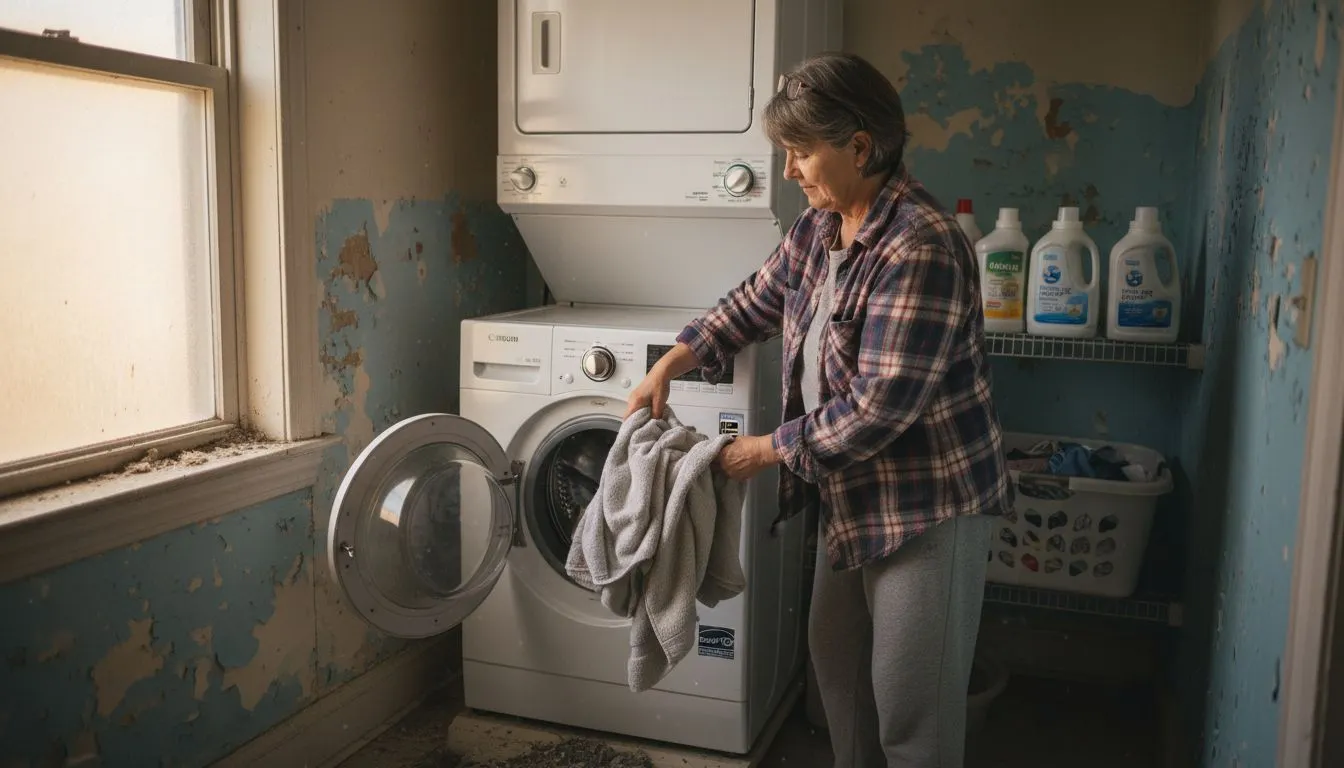
Here’s a summary of major energy-efficient appliance categories and their unique efficiency technologies:
| Appliance Type | Efficiency Technology | Typical Benefit |
|---|---|---|
| Refrigerator | Advanced insulation, compressors | Up to 40% less energy usage |
| Washing Machine | High-efficiency motors | Significant water/electricity savings |
| Dishwasher | Optimized water/energy cycles | Lower utility costs |
| HVAC System | Programmable thermostats | Adaptation to usage patterns |
| Water Heater | Tankless, heat pump design | Minimized standby energy loss |
- Refrigeration units can save up to 40% compared to older models
- Energy-efficient washers reduce water heating costs
- Smart HVAC systems adapt to usage patterns
- Advanced water heaters minimize standby energy losses
Energy-efficient appliances are not just about saving money – they represent a critical strategy for environmental sustainability.
Key Considerations for selecting energy-efficient appliances include:
- Total lifetime energy costs
- Initial purchase price
- Performance specifications
- Long-term environmental impact
Pro tip: Always compare the Energy Star rating and estimated annual operating costs when purchasing new appliances to maximize your long-term savings.
How Energy Efficient Appliances Save Money
Homeowners can achieve substantial financial benefits by investing in energy-efficient appliances, with utility bill savings reaching billions annually. The Department of Energy estimates that modern appliance standards can save individual households approximately $425 over an appliance’s lifetime, representing a significant reduction in long-term expenses.
Key financial advantages of energy-efficient appliances include:
- Reduced monthly utility bills
- Lower operational costs
- Decreased long-term maintenance expenses
- Potential tax credits and rebates
- Increased home resale value
The economic impact extends beyond immediate savings. Energy-efficient appliances help homeowners manage utility expenses through several strategic mechanisms:
- Minimizing electricity consumption
- Reducing water heating costs
- Preventing energy waste during standby modes
- Optimizing performance with advanced technologies
Cost Breakdown demonstrates the potential savings across different appliance categories:
- Refrigerators: Up to 40% energy reduction
- Washing Machines: Significant water and electricity savings
- HVAC Systems: Lower heating and cooling expenses
- Water Heaters: Reduced energy consumption
Strategic appliance upgrades can transform household energy economics, turning efficiency into tangible financial benefits.
Additionally, energy efficiency measures help prevent peak demand charges, further reducing overall energy costs. Utility programs and energy-saving initiatives provide extra incentives for homeowners investing in efficient technologies.
Pro tip: Calculate the total lifetime cost of an appliance, not just the purchase price, to maximize your long-term financial savings.
Environmental and Health Benefits Explained
Energy-efficient appliances play a crucial role in reducing carbon pollution and protecting public health. By decreasing overall energy consumption, these appliances help minimize greenhouse gas emissions and improve air quality, creating significant environmental and health advantages for communities.
Key environmental benefits include:
- Reduced carbon dioxide emissions
- Decreased reliance on fossil fuel power generation
- Preservation of natural ecosystems
- Lower overall environmental impact
- Protection of biodiversity
The health implications of energy-efficient technologies are equally profound. Lower energy consumption translates directly into improved air quality and reduced respiratory risks:
- Decreased air pollutant levels
- Reduced risk of respiratory illnesses
- Lower rates of heat-related medical conditions
- Minimized environmental toxin exposure
Public Health Impact highlights critical advantages:
Compare how energy-efficient appliances positively affect economic, environmental, and health outcomes:
| Benefit Area | Impact of Efficiency | Example Result |
|---|---|---|
| Economic Savings | Lower utility and maintenance costs | $425 saved per appliance |
| Environmental | Reduced greenhouse gases, resource use | Less CO2 and fossil fuel demand |
| Public Health | Improved air quality, less illness | Fewer respiratory problems |
- Fewer hospital admissions for respiratory diseases
- Reduced medical expenses related to air quality
- Enhanced community environmental health
- Improved quality of life
Energy efficiency represents a powerful strategy for protecting both human health and planetary ecosystems.
Additionally, clean energy technologies contribute to job creation and economic development while simultaneously addressing climate change challenges. By choosing energy-efficient appliances, homeowners become active participants in a broader environmental protection movement.
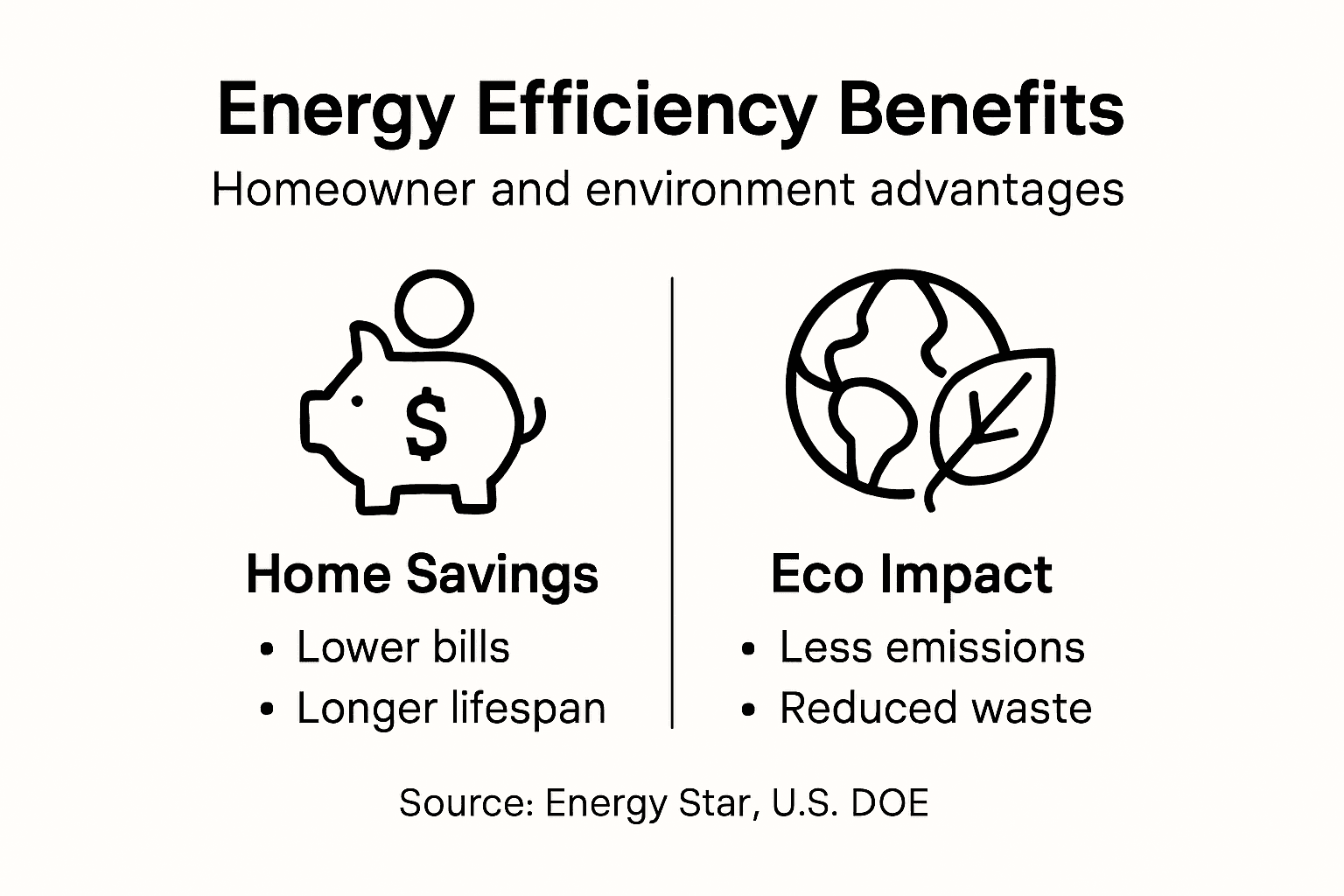
Pro tip: Research local energy efficiency rebate programs to maximize both environmental impact and personal financial benefits.
Choosing and Maintaining Energy Efficient Appliances
Selecting and maintaining energy-efficient appliances requires a strategic approach that goes beyond simple price comparisons. Homeowners can maximize energy savings by carefully evaluating EnergyGuide labels, understanding ENERGY STAR certifications, and implementing regular maintenance techniques.
Key considerations when choosing energy-efficient appliances include:
- Overall energy consumption ratings
- ENERGY STAR certification levels
- Long-term operational costs
- Performance specifications
- Warranty and durability
The selection process involves multiple critical steps:
- Review detailed EnergyGuide labels
- Compare ENERGY STAR certified models
- Calculate lifetime operational expenses
- Assess specific household requirements
- Consider potential utility rebates
Maintenance Strategies for preserving appliance efficiency:
- Clean refrigerator coils regularly
- Check and replace air filters
- Seal refrigerator and oven door gaskets
- Use energy monitors to track consumption
- Schedule professional maintenance checks
Proper maintenance can extend an appliance’s lifespan and sustain its energy-saving performance.
Additionally, selecting appliances with optimal features like appropriate size, efficient refrigerant types, and strategic design can significantly impact overall energy consumption. Homeowners should consider recycling older, inefficient units to further reduce environmental impact.
Pro tip: Invest in a home energy monitor to track individual appliance consumption and identify potential efficiency improvements.
Upgrade to Energy Efficiency with Expert Appliance Services
Energy-efficient appliances save you money and protect your home environment but keeping them running at peak performance can be a challenge. Whether you face unexpected breakdowns or need professional installation for your energy-saving refrigerator or HVAC system, MDTech Services offers reliable, fast solutions tailored for homeowners in Orange County and Los Angeles County. Our licensed technicians specialize in repairing and installing major household appliances like refrigerators and ice machines, ensuring your investment in energy efficiency delivers lasting benefits.

Take control of your home’s energy use today by trusting MDTech Services for expert appliance repair and installation. Don’t wait for costly energy waste or uncomfortable indoor temperatures—book your professional service now at MDTech Services and experience responsive local support focused on safety and efficiency. Visit our website to schedule your appointment and start maximizing your appliance performance with trusted industry specialists.
Frequently Asked Questions
What are energy-efficient appliances?
Energy-efficient appliances are products designed to use less energy than standard models while maintaining performance. They meet specific energy efficiency standards set by organizations like the Department of Energy, helping to reduce energy consumption, lower utility bills, and minimize environmental impact.
How do energy-efficient appliances save homeowners money?
Energy-efficient appliances reduce monthly utility bills by consuming less electricity and water. Homeowners can benefit from significant long-term savings, potentially amounting to hundreds of dollars over an appliance’s lifetime, alongside lower operational and maintenance costs.
What are the environmental benefits of using energy-efficient appliances?
Energy-efficient appliances help decrease greenhouse gas emissions and reduce reliance on fossil fuels, contributing to better air quality and a smaller ecological footprint. This aids in preserving natural ecosystems and biodiversity, promoting overall environmental sustainability.
How can homeowners maintain energy-efficient appliances for optimal performance?
To maintain energy-efficient appliances, homeowners should regularly clean parts like refrigerator coils, check and replace air filters, seal door gaskets, and schedule professional maintenance checks. Proper maintenance extends the appliances’ lifespan and keeps their energy-saving features effective.