
Hidden behind walls and above ceilings, your home’s ductwork silently wastes up to 30% of your cooling energy through leaks and poor design. Most homeowners focus on upgrading HVAC units while overlooking the delivery system that makes or breaks comfort and efficiency. Understanding how ducts work, where they fail, and how to optimize them empowers you to slash energy bills and eliminate hot spots in your Orange or Los Angeles County home.
Table of Contents
- Understanding The Role Of Ductwork In Home Cooling
- How Duct Leakage And Pressure Loss Impact Cooling Efficiency
- The Critical Role Of Proper Duct Sizing And Design
- Duct Insulation And Sealing: Boosting Cooling Efficiency And Energy Savings
- Common Misconceptions About Ductwork In Cooling Systems
- Maintaining And Upgrading Ductwork For Optimal Cooling Performance
- Adapting Ductwork Strategies For Southern California’s Climate
- Summary: Maximizing Cooling Performance Through Ductwork Optimization
- Enhance Your Home Cooling With Professional HVAC Duct Services
Key Takeaways
| Point | Details |
|---|---|
| Duct function | Ducts deliver cooled air and determine overall HVAC system performance and home comfort. |
| Energy waste | Leaks and poor duct design waste up to 30% of cooling energy, increasing utility bills. |
| Optimization methods | Proper sizing, sealing, and insulation optimize cooling efficiency and reduce costs. |
| Local climate needs | Southern California’s heat demands specific duct insulation strategies in attics and unconditioned spaces. |
| Maintenance value | Regular inspection detects problems early, prolongs duct life, and maintains peak cooling performance. |
Understanding the Role of Ductwork in Home Cooling
Your air conditioning unit produces cold air, but ductwork delivers it to every room. Think of ducts as highways for conditioned air. When these highways have potholes or take inefficient routes, comfort suffers and energy bills climb.
Ductwork is responsible for delivering cooled air from the HVAC unit to various rooms, fundamentally affecting indoor comfort and system efficiency. The delivery system matters as much as the cooling unit itself. A premium AC paired with damaged ducts performs worse than a moderate unit with excellent ductwork.
Effective airflow distribution depends on three factors:
- Unobstructed pathways that allow air to flow freely
- Balanced pressure throughout the system
- Minimal temperature change during transit
When ducts leak or restrict airflow, your HVAC system runs longer to compensate. This overwork shortens equipment life and drives up costs. Understanding the role of HVAC in homes starts with recognizing that the delivery network determines how efficiently your system performs its cooling job.
How Duct Leakage and Pressure Loss Impact Cooling Efficiency
Leaky ducts behave like a garden hose riddled with holes. You pay to pump water that never reaches your plants. Similarly, typical duct leakage causes 20 to 30% energy loss in HVAC systems, leading to uneven temperature distribution and wasted money.
Pressure imbalance creates a cascade of problems. When supply ducts leak, conditioned air escapes into attics or crawl spaces instead of reaching living areas. Return ducts pull in hot, dusty air from these unconditioned zones, forcing your AC to work harder.
Energy Impact: Duct leakage typically wastes 20 to 30% of cooling energy, costing homeowners hundreds annually.
Common leak sources include:
- Joints where duct sections connect
- Seams along flexible duct runs
- Connections at registers and grilles
- Penetrations where ducts pass through walls
These leaks manifest as stuffy rooms, excessive dust, and rooms that never reach the thermostat setting. One bedroom might freeze while another stays warm, no matter how you adjust vents. Following an HVAC efficiency checklist helps identify these hidden energy drains before they compound over cooling seasons.
The Critical Role of Proper Duct Sizing and Design
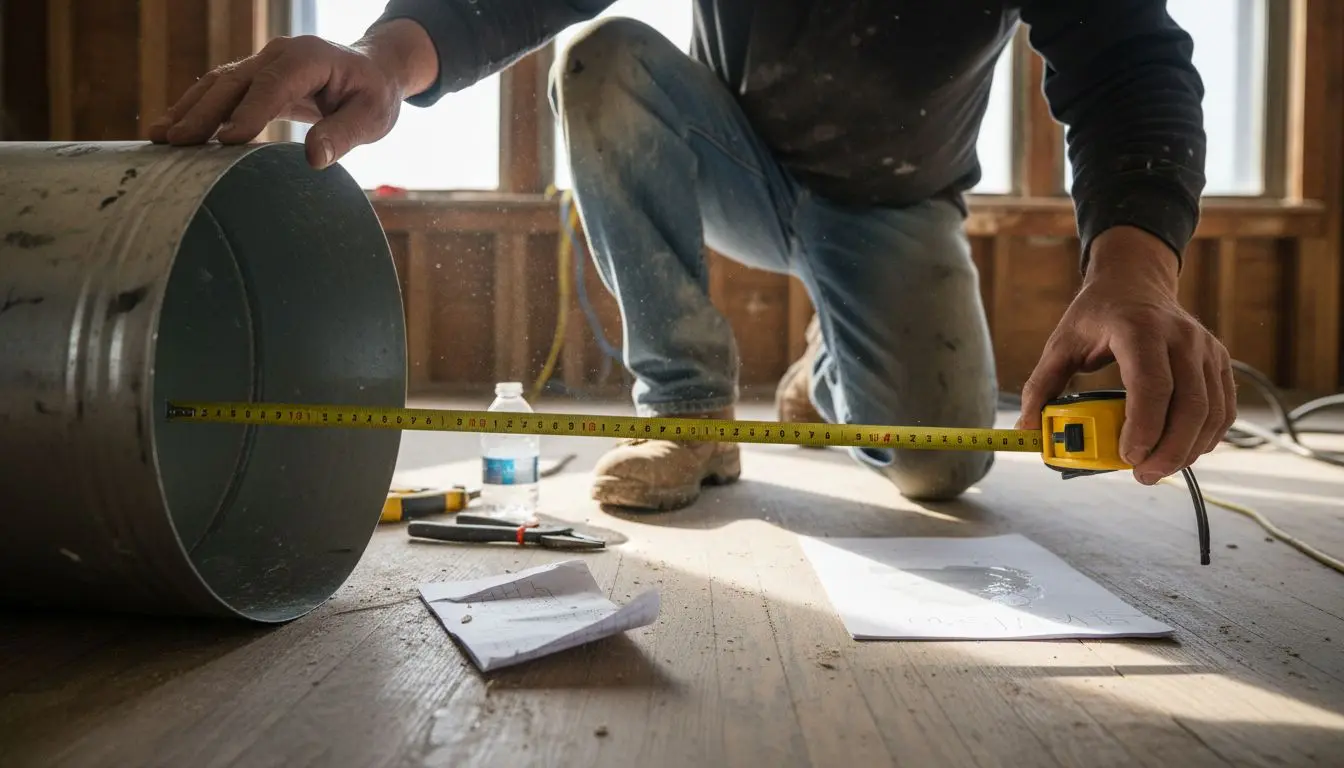
Duct dimensions affect airflow velocity and system pressure. Getting sizing wrong sabotages efficiency even with perfect sealing. Oversized ducts reduce air velocity, allowing heat gain and reducing efficiency by about 15%. Undersized ducts create excessive resistance, causing 10 to 20% airflow loss and uneven cooling.
| Duct Sizing Issue | Impact on Cooling | Efficiency Loss |
|---|---|---|
| Oversized ducts | Low velocity, increased heat gain | Approximately 15% |
| Undersized ducts | High resistance, reduced airflow | 10 to 20% |
| Excess bends | Increased static pressure | Variable, often 5 to 10% |
| Long runs | Greater pressure drop | Depends on length |
Poor duct system design, such as excessive bends and long runs, increases static pressure and reduces cooling airflow efficiency. Every 90 degree elbow adds resistance equivalent to several feet of straight duct. Stacking multiple turns between the air handler and distant rooms starves those spaces of adequate airflow.
Proper duct layout balances these factors:
- Minimizing bends and transitions
- Using gradual turns instead of sharp elbows
- Keeping runs as short as practical
- Sizing each branch for its specific cooling load
Pro Tip: Consult professional duct design standards like ACCA Manual D when planning duct modifications. Guesswork leads to expensive comfort problems.
Understanding the difference between AC and HVAC clarifies why duct design matters for the entire climate control system, not just cooling alone.
Duct Insulation and Sealing: Boosting Cooling Efficiency and Energy Savings
Uninsulated ducts in hot attics gain heat before delivering air to living spaces. Your AC cools air to 55 degrees, but by the time it reaches your bedroom, it arrives at 65 degrees. The system runs longer to compensate, burning energy unnecessarily.
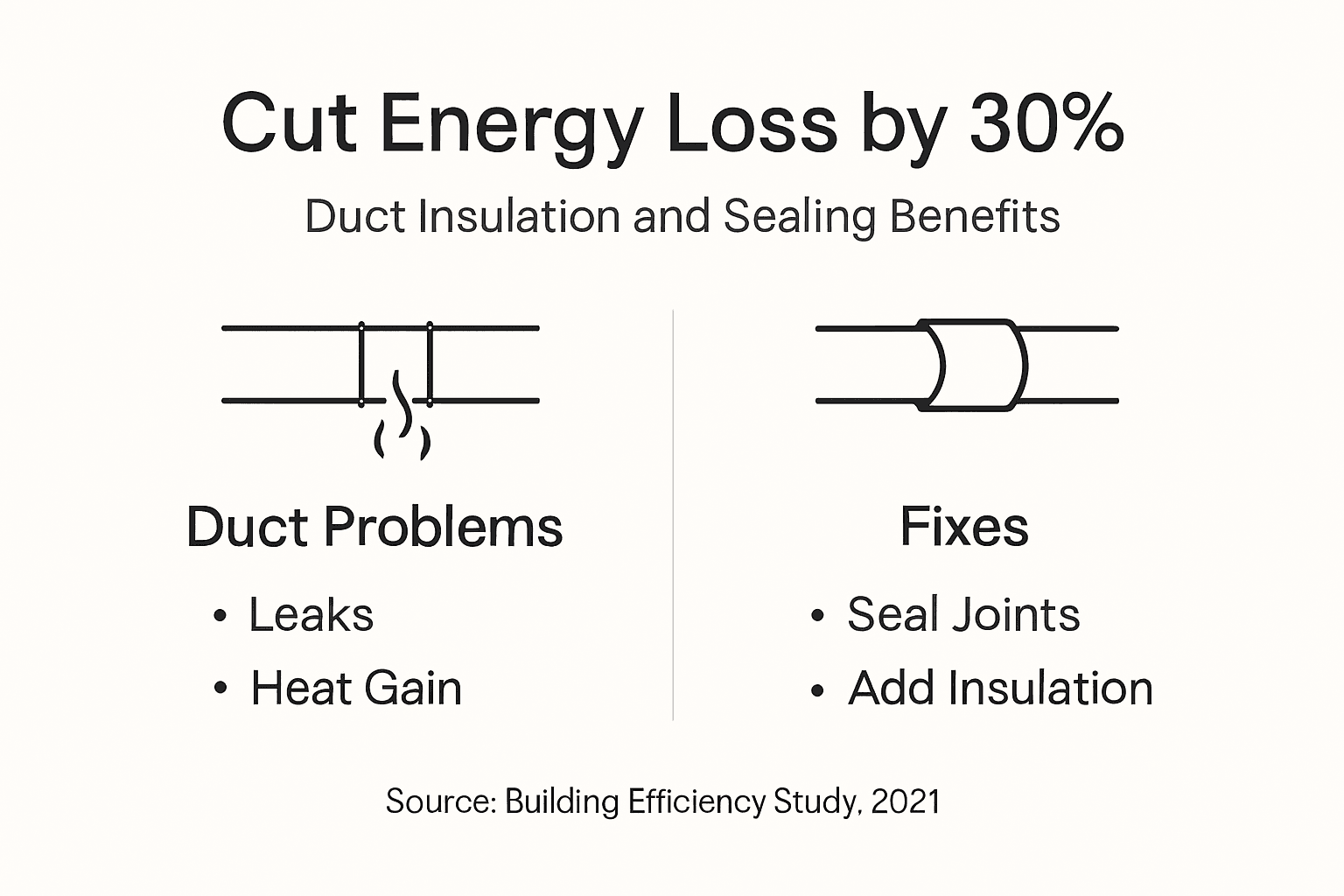
Insulating ducts can save 10 to 20% energy, and sealing leaks reduces cooling costs by about 15%. Combined, these improvements recover substantial wasted capacity. Sealing addresses air loss while insulation tackles heat gain, working together to optimize delivery efficiency.
Effective sealing materials include:
- Mastic sealant for permanent joints
- Foil tape rated for HVAC use
- Aerosol duct sealant for hard to reach areas
Insulation options vary by location and budget. Flexible duct comes pre insulated, but older rigid metal ducts often lack proper wrapping. Adding R 6 or R 8 insulation to attic ducts dramatically reduces heat gain during Southern California summers.
Pro Tip: Prioritize sealing ducts in hot attics and crawl spaces first. These unconditioned zones create the greatest temperature differentials, making sealing and insulation most impactful for reducing peak cooling demand.
Following regular HVAC maintenance tips includes periodic duct inspection to ensure seals remain intact and insulation stays effective over time.
Common Misconceptions about Ductwork in Cooling Systems
Homeowners hold several myths about ductwork that lead to poor maintenance decisions and missed savings opportunities. Correcting these misconceptions helps prioritize duct health in cooling optimization.
- Ductwork only affects heating, not cooling. Reality: Leakage wastes comparable energy during cooling seasons. Cold air escapes just as readily as warm air, and summer cooling loads often exceed winter heating in Southern California.
- New HVAC systems don’t need duct sealing. Reality: Even newly installed ducts can leak at connections. Installation quality varies, and testing reveals leaks in many fresh installations that reduce efficiency from day one.
- Ducts require no maintenance once installed. Reality: Regular inspection sustains performance and comfort. Seals deteriorate, insulation compresses, and mechanical damage occurs over time. Annual checks catch problems before they escalate.
- Closing vents in unused rooms saves energy. Reality: Closing vents increases system pressure and can force more air through duct leaks. Modern HVAC systems balance airflow across all registers.
Understanding these realities empowers informed decisions about when to invest in duct improvements versus other home upgrades.
Maintaining and Upgrading Ductwork for Optimal Cooling Performance
Proactive duct care prevents gradual efficiency losses and extends equipment life. Regular inspections detect issues before they compound into expensive comfort problems or premature system failure.
Maintenance tasks include:
- Visual inspection of accessible duct sections for damage
- Checking connections and seals for separation
- Verifying insulation remains intact and properly attached
- Cleaning registers and grilles to maintain airflow
- Professional duct testing every few years
Signs indicating repair or replacement needs include visible damage, excessive dust from registers, persistent comfort problems, and age related deterioration. Ducts lasting 15 to 20 years often benefit from upgrades, especially if original installation used poor materials or methods.
Upgrading to insulated rigid metal ductwork improves durability and reduces losses compared to flexible duct. Metal ducts resist crushing, maintain shape over time, and offer easier sealing at joints. The investment pays back through lower bills and better comfort.
Pro Tip: Schedule annual duct checks before cooling season. Catching issues in spring prevents emergency repairs during summer heat when HVAC contractors stay busiest and response times stretch longest.
Homeowners wondering why to upgrade HVAC systems should evaluate ductwork condition alongside equipment age. New units paired with old, leaky ducts waste much of their improved efficiency.
Adapting Ductwork Strategies for Southern California’s Climate
Orange and Los Angeles County homes face unique duct challenges from intense summer heat. Attic temperatures routinely exceed 140 degrees, turning uninsulated ducts into heat exchangers that warm your cooled air before delivery.
Optimal duct insulation strategies reduce heat gain from hot attics and unconditioned spaces, improving cooling efficiency substantially. Local climate factors demand specific approaches:
- Prioritizing attic duct insulation over other locations
- Using buried duct designs where blown insulation covers ductwork
- Selecting reflective barriers to reduce radiant heat gain
- Ensuring adequate attic ventilation to lower ambient temperatures
Insulated rigid metal ducts work best for attic installations in this climate. Their durability withstands extreme temperatures while maintaining thermal performance. Flexible duct, though cheaper initially, degrades faster under harsh conditions and compresses easily, reducing airflow.
Sealing becomes even more critical during peak cooling months. Every cubic foot of conditioned air lost to leaks forces your system to run longer against outdoor temperatures often exceeding 95 degrees. Implementing proper sealing and insulation reduces peak demand, lowering both energy use and strain on electrical infrastructure during summer.
Proper attic ventilation complements duct strategies by reducing the temperature differential your insulation must overcome. Ridge vents, soffit vents, and powered attic fans help, but never substitute for adequate duct insulation in hot climates.
Summary: Maximizing Cooling Performance through Ductwork Optimization
Ductwork quality determines whether your cooling investment delivers comfort or wastes energy. The delivery system matters as much as the equipment producing cold air. Leakage and poor design cause major losses, wasting up to 30% of cooling energy through preventable problems.
Key optimization strategies include:
- Correct duct sizing matched to room cooling loads
- Professional sealing of all joints and connections
- Adequate insulation, especially in unconditioned spaces
- Regular maintenance to sustain performance over time
- Climate appropriate materials and methods for Southern California
Southern California’s intense summer heat demands focused attention on attic duct insulation and sealing. These improvements reduce peak cooling demand, lower bills, and improve comfort throughout your home. Regular inspections catch deterioration early, and timely upgrades extend both duct and equipment life while maximizing your cooling system investment.
Enhance Your Home Cooling with Professional HVAC Duct Services
Optimizing ductwork requires specialized knowledge and tools most homeowners lack. Professional duct inspection and sealing recover lost cooling efficiency, often improving comfort immediately while cutting energy costs month after month.

Certified HVAC technicians understand Southern California’s unique climate challenges. They use diagnostic equipment like duct blasters and thermal cameras to identify hidden leaks and insulation gaps invisible during casual inspection. This precision ensures improvements target actual problems rather than guesswork.
Upgrading and maintaining ducts improves home comfort and saves energy throughout cooling seasons. MDTech Services offers expert HVAC repair services, comprehensive HVAC efficiency evaluations, and professional HVAC system upgrades for Orange and Los Angeles County homeowners. Our licensed technicians deliver reliable solutions that optimize your entire cooling system for peak performance and comfort.
FAQ
How often should I have my ductwork inspected?
Inspect accessible ducts annually before cooling season, checking for visible damage, disconnected sections, or failing insulation. Professional duct testing every three to five years identifies hidden leaks and measures system performance. Homes older than 15 years or showing comfort problems benefit from more frequent professional evaluation.
Can I seal ductwork myself or should I hire a professional?
Accessible ducts with visible leaks at joints respond well to DIY sealing using mastic or foil tape. However, most leakage occurs in hidden areas like attics and crawl spaces. Professional duct sealing reaches inaccessible sections and uses diagnostic testing to verify improvements, ensuring comprehensive results that maximize energy savings.
What’s the typical cost to seal and insulate ductwork?
Professional duct sealing for an average home ranges from $1,000 to $2,500 depending on accessibility and leak severity. Adding insulation costs $1,500 to $3,000 for full coverage. These investments typically pay back within three to five years through lower energy bills, with additional benefits from improved comfort and extended equipment life.
How do I know if my ducts are properly sized?
Signs of undersized ducts include weak airflow from registers, rooms that never reach thermostat settings, and excessive system noise. Oversized ducts often cause short cycling and uneven temperatures. Professional load calculations and airflow measurements determine whether sizing matches your home’s cooling requirements, identifying needed modifications.
Does closing vents in unused rooms improve cooling efficiency?
Closing vents increases system pressure, forcing more air through duct leaks and potentially damaging equipment. Modern HVAC systems balance airflow across all registers. Instead of closing vents, address duct leakage and ensure proper system sizing. Zoning systems offer better control for managing different areas independently without pressure problems.