
TL;DR:
- Most home hazards, such as carbon monoxide leaks and electrical faults, are invisible and pose significant risks.
- Annual professional inspections using specialized tools are essential to detect these hidden dangers before they become emergencies.
Most homeowners in Orange County and Los Angeles County assume that if something serious were wrong with their appliances, HVAC system, or plumbing, they would notice it. That assumption is wrong, and it can be dangerous. Fuel-burning appliances can produce carbon monoxide, a gas that is completely odorless and invisible, especially when they are improperly installed, maintained, or operated. The truth is that the hazards most likely to harm your family are the ones you cannot see, smell, or hear until they have already reached a critical point. This guide explains what those risks are, what a real safety check covers, and why professional inspections are the most reliable way to keep your home secure.
Table of Contents
- Why invisible hazards pose the greatest threat
- What’s included in a comprehensive safety check
- Why DIY checks fall short: key tests only professionals can do
- The true cost of skipping safety checks: local realities
- How to ensure year-round safety: action steps for homeowners
- Why most homeowners underestimate hidden risks and what actually makes a home safe
- Keeping your home safe starts with expert checks
- Frequently asked questions
Key Takeaways
| Point | Details |
|---|---|
| Invisible risks are deadly | Most life-threatening hazards in the home, like CO leaks and electrical faults, are hidden until a pro finds them. |
| Professional checks matter most | Annual expert inspections use tools and knowledge that go far beyond what DIY checks can reveal. |
| Comprehensive scope is essential | The best inspections cover gas, electrical, plumbing, and venting—catching problems early for peace of mind. |
| Neglect has steep costs | Skipping checks can result in major expenses, injuries, or deaths that could have been prevented. |
| Local action steps available | Homeowners in Orange and LA County can protect their families by scheduling trusted local safety evaluations. |
Why invisible hazards pose the greatest threat
When people think about home safety, they usually picture something obvious: a broken appliance, a pipe that is clearly leaking, or a burning smell coming from an outlet. But the hazards that cause the most serious harm are rarely that obvious.
Carbon monoxide is the clearest example. It has no color, no odor, and no taste. You cannot detect it without the right equipment. CO poisoning deaths linked to consumer products reached significant numbers in 2021, with heating systems ranking as the second largest category. Those are not statistics from outdated data. They reflect what happens every year in homes across the country, including Southern California, when appliances are not properly checked.
Electrical faults follow a similar pattern. A wire that is slowly overheating inside a wall does not produce smoke or sparks right away. It builds heat over weeks or months before anything visible occurs. Gas line leaks at connection points can be so small that you would never smell them during normal activity. These are not fringe scenarios; they are the most common causes of serious home fires and injuries.
Here is what makes these hazards particularly concerning for homeowners:
- Carbon monoxide builds up silently, especially in homes with gas furnaces, water heaters, or ranges.
- Electrical faults including loose connections and overloaded circuits can cause fires with no prior warning signs.
- Gas leaks at appliance fittings or supply lines may be present for months before they are detected by smell.
- Venting failures in HVAC or water heaters redirect combustion gases back into living spaces.
- Plumbing pressure issues can cause pipes to fail suddenly, resulting in major water damage.
“Annual professional checks are not just a good practice; they are the single most reliable way to catch what your senses cannot.”
The EPA and the Consumer Product Safety Commission both recommend having fuel-burning appliances inspected annually by a trained professional. Reviewing appliance safety inspection steps can help you understand what those visits should cover and what questions to ask.
What’s included in a comprehensive safety check
A true safety check is not a visual walkthrough. It is a structured, tool-assisted evaluation of your home’s most critical systems. Here is what a quality professional inspection covers:
- Gas and combustion safety. Technicians use combustion analyzers to measure flue gases and verify that fuel-burning appliances are operating within safe parameters. This goes well beyond simply checking whether the flame looks right.
- Carbon monoxide venting verification. Professionals confirm that all venting pathways for furnaces, water heaters, and gas appliances are clear, properly connected, and directing exhaust safely outside the home.
- Electrical system review. Licensed technicians check for signs of overheating, loose connections, and circuits that are carrying more load than they should.
- Plumbing leak and pressure assessment. Water pressure is measured, supply and drain lines are inspected for leaks, and backflow prevention devices are verified.
- Appliance operational testing. Each major appliance is tested under normal operating conditions to confirm correct function and safe output.
The contrast between a professional inspection and a DIY walkthrough is significant. Homeowners doing their own checks are mostly limited to visual observation. A professional brings equipment that measures what the eye cannot see.
| What homeowners can check | What professionals check |
|---|---|
| Visible leaks or cracks | Hidden pipe pressure and backflow |
| Obvious appliance damage | Combustion efficiency and CO output |
| Circuit breaker condition | Thermal readings on wiring and panels |
| Unusual noises or smells | Flue gas composition and venting integrity |
| Filter condition | Full operational load testing |
Comprehensive residential inspections are explicitly designed to surface safety issues early, while there is still time for further specialist evaluation before a situation becomes an emergency. The EPA also strongly recommends hiring a trained professional to annually inspect, clean, and tune up fuel-burning appliances, fireplaces, and chimneys to prevent CO hazards.
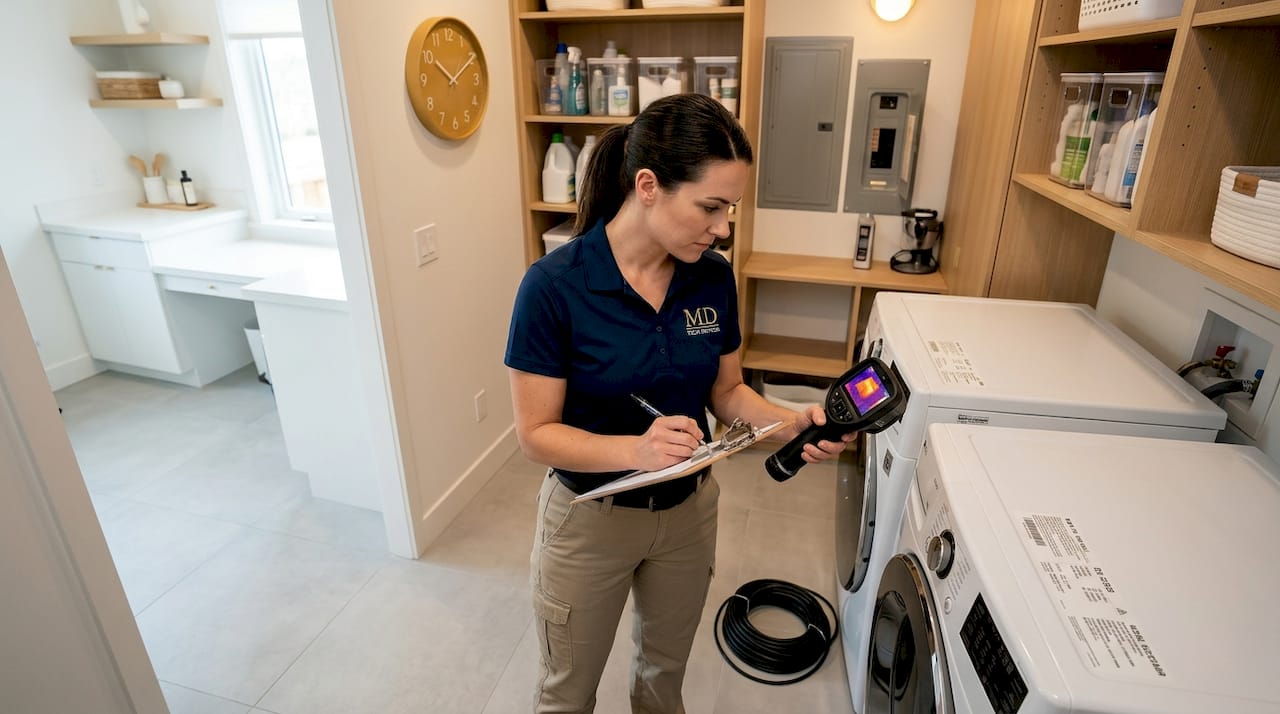
Understanding annual appliance checkups and what they cover helps you make a more informed decision when booking a service. A detailed step-by-step appliance safety inspection guide can also prepare you for what to expect during a visit.
Pro Tip: Always ask your technician for a written inspection report. It should list every system checked, the condition found, and any recommended follow-up. This documentation protects you with your insurance company and keeps a clear record of your home’s maintenance history.
Why DIY checks fall short: key tests only professionals can do
Many homeowners believe that a CO detector and a periodic self-inspection are enough to stay safe. This is one of the most common and costly misconceptions in home maintenance.
Standard CO detectors are designed to alert you when carbon monoxide reaches dangerous concentrations. But they do not measure low-level chronic exposure, they do not identify which appliance is the source, and they do not assess venting performance. Professionals use combustion analyzers and flue gas measurement tools that identify problems at levels far below what a consumer alarm would detect.
One combustion safety test to avoid involves measuring CO in the same airstream that a duct test uses, which does not accurately represent actual risk. Professionals are trained to identify these testing errors and apply the correct methods for each situation.
Here is what certified technicians measure that standard DIY approaches cannot:
| Test type | DIY capability | Professional capability |
|---|---|---|
| CO concentration measurement | Consumer alarm only | Combustion analyzer, part-per-million precision |
| Electrical thermal imaging | Not available | Infrared camera detects hot spots in walls |
| Flue gas analysis | Not possible | Full combustion efficiency and CO output |
| Gas leak detection | Smell test only | Electronic leak detectors at fittings and lines |
| Water pressure testing | Visual check only | Pressure gauge and backflow testing |
Electrical hazards can be prevented by checking for overheating, loose components, and warning signs annually. But the tools required to find these conditions inside walls, panels, and fixtures are not available to the average homeowner. Thermal imaging cameras, load testers, and circuit analyzers are standard equipment for licensed technicians.
NFPA research shows that heating and air-related systems and cooking appliances are consistently among the leading contributors to home structure fires. Safety checks specifically target these ignition sources before they reach the stage where a fire is possible.
Understanding safe gas appliance venting is especially important for homeowners in Southern California, where gas ranges, water heaters, and HVAC systems are in regular use year-round. Knowing what is covered in included safety checks helps you verify that your provider is thorough.
Pro Tip: When contacting a service provider, ask directly whether they use infrared thermal imaging, combustion analysis, and advanced electronic leak detection. Providers who use these tools are delivering a fundamentally more reliable safety check than those who rely on visual inspection alone.
The true cost of skipping safety checks: local realities
For homeowners in Orange County and Los Angeles County, skipping annual safety checks is not simply a missed maintenance item. It carries real financial, medical, and legal consequences.
CO poisoning deaths tied to consumer products remain a serious public health concern, and heating systems represent a major share of those incidents. Southern California’s mild climate means many homeowners do not run their heating systems for extended periods, which can cause faults to go unnoticed for longer before use resumes in the fall and winter.
NFPA data on home fires consistently shows that heating and cooking equipment are top fire causes. For homeowners in densely populated areas like those found across Orange and LA County, a home fire carries elevated risk of rapid spread and community impact.
Here are the categories of risk that skipping checks creates:
- Medical costs. CO poisoning hospitalizations are expensive and carry long-term health consequences, including neurological damage.
- Property damage. Undetected electrical faults or plumbing failures can cause tens of thousands of dollars in damage, often without warning.
- Insurance gaps. Some insurers may deny claims if there is no documented record of routine professional maintenance.
- Legal exposure. If you rent part of your home or sell it without disclosing known or reasonably discoverable hazards, you may face legal liability.
- Escalating repair costs. A small leak or a minor venting issue that is caught early costs far less to fix than the same issue discovered after months of damage.
Just as regular septic inspections are essential for protecting your property’s plumbing infrastructure, annual safety checks for appliances and HVAC are a practical investment in your home’s long-term reliability. Understanding the full reasons to maintain appliance safety makes the cost-benefit case clear for any homeowner.
How to ensure year-round safety: action steps for homeowners
Now that you understand the risks, the next step is building a practical routine that keeps your home safe throughout the year.
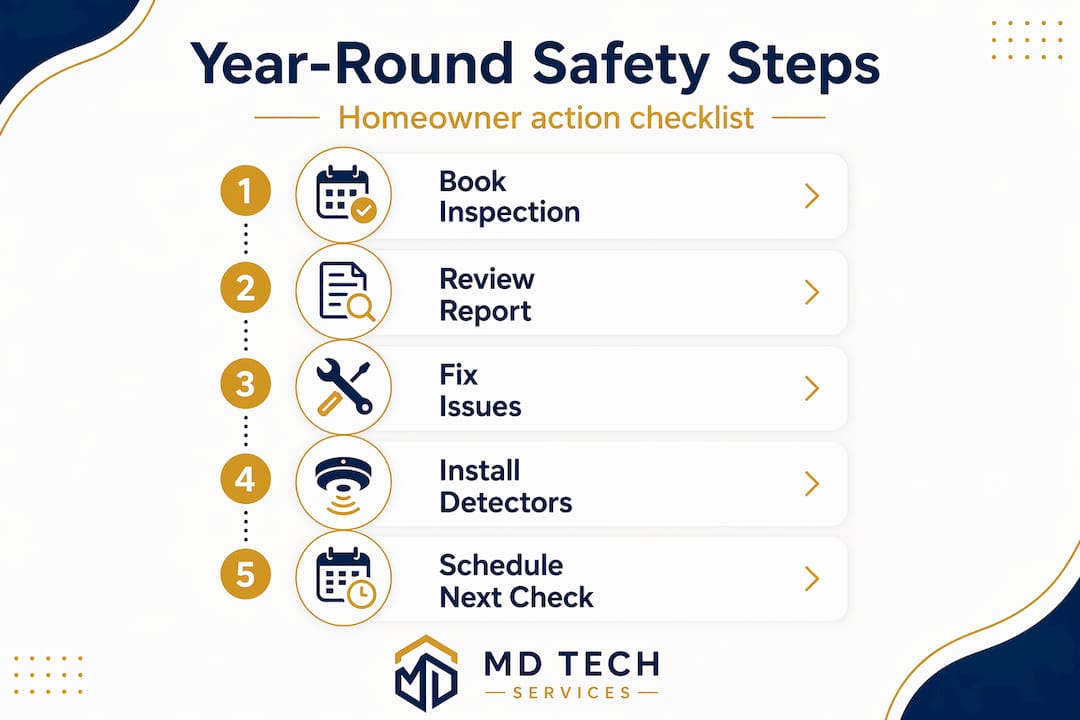
- Schedule annual appliance, HVAC, and plumbing safety checks. Contact a licensed local provider each year, ideally before the seasons when systems are used most heavily.
- Ask for a written inspection report. The report should list every system checked, the condition found, and any recommended follow-up.
- Confirm your provider’s credentials. Ask for license numbers, verify that technicians are certified for the systems they are inspecting, and confirm that they carry liability insurance.
- Ask about the tools used. Confirm that combustion analyzers, thermal cameras, and electronic leak detectors are part of the standard inspection.
- Follow up on any flagged items promptly. If the inspection report identifies a condition that needs attention, address it before it develops into a larger problem.
- Keep records. Store inspection reports, receipts, and technician notes in a dedicated home maintenance file. These documents are valuable if you ever need to file an insurance claim or sell your home.
Professional residential inspections are structured specifically to surface issues early, which gives homeowners time to address problems before they become emergencies. Reviewing an effective appliance safety checklist can help you track what has been done and what still needs attention.
Pro Tip: In Southern California, the best times to schedule safety checks are in early spring before summer cooling demands begin and in late summer before fall and winter heating use resumes. This timing ensures your systems are verified before they are under the heaviest load.
Why most homeowners underestimate hidden risks and what actually makes a home safe
After years of serving homeowners across Orange County and Los Angeles County, we have seen one pattern repeated consistently: most people believe that their home is safe because nothing has gone wrong yet. They rely on CO detectors, keep an eye on appliances for unusual behavior, and assume that visible functioning means safe functioning. That confidence is understandable, but it does not reflect how the most serious home hazards actually work.
CO alarms are important, but they do not replace correct installation, safe operation, and professional maintenance of fuel-burning appliances. The alarm tells you when the problem is already dangerous. Professional maintenance is what prevents the problem from developing in the first place. That distinction matters enormously, and it is the difference between reactive and proactive home safety.
The safest homes we work in are not the ones with the newest appliances or the most advanced detectors. They are the homes where owners have established a consistent annual inspection routine, ask for documentation, and act on recommendations. Those homeowners also understand the role of safety in appliance repair and see professional service as an investment rather than an expense.
Real home safety comes from predictive, evidence-based professional maintenance that addresses root failure modes before they become symptoms. Checklists and detectors supplement that process, but they do not replace it.
Keeping your home safe starts with expert checks
If this article has clarified the real risks in your home and the value of professional safety checks, the natural next step is scheduling one. At MDTech Services, our licensed technicians serve homeowners across Orange County and Los Angeles County with thorough appliance, HVAC, and plumbing inspections backed by professional-grade tools and clear written reporting.

Whether you need to understand your HVAC repair options, explore appliance repair services, or get started with routine plumbing maintenance, we are ready to help. Contact MDTech Services today to book your annual safety check and get the written documentation your home and your peace of mind deserve.
Frequently asked questions
How often should I get safety checks for my appliances and HVAC?
Annual safety checks are recommended by experts for most home appliances, HVAC systems, and plumbing, with timing ideally aligned to seasonal transitions before peak use periods.
What can go wrong if I skip a professional safety check?
You risk hidden hazards like carbon monoxide leaks, electrical fires, gas leaks, or major water damage, and annual electrical checks confirm that documented maintenance gaps may also affect your insurance coverage.
Are carbon monoxide detectors alone enough to keep my family safe?
No. CO alarms are a useful alert tool, but they do not replace professional inspection, correct appliance installation, and ongoing licensed maintenance of fuel-burning equipment.
What should be checked in a full home safety inspection?
A professional should assess gas and combustion safety, electrical systems for overheating or loose components, plumbing for leaks and pressure issues, and venting integrity, as residential inspections are designed to surface each of these categories before they become emergencies.
Does homeowners insurance require evidence of safety checks?
Some insurers may require maintenance documentation to validate claims related to appliance, HVAC, or plumbing failures, making consistent written inspection records a practical protection for your coverage.