
Most American homes experience at least one appliance-related safety hazard each year, which often goes unnoticed until real damage occurs. For homeowners in Orange and Los Angeles County, keeping your appliances safe is more than a minor task—it protects your loved ones and your investment. This guide simplifies essential inspection and maintenance steps so you can confidently reduce risks and prolong the lifespan of your American appliances.
Table of Contents
- Step 1: Prepare Workspace And Gather Safety Tools
- Step 2: Shut Off Power And Disconnect Appliances
- Step 3: Inspect Electrical Cords And Connections
- Step 4: Check For Gas Leaks And Ventilation Issues
- Step 5: Test Appliance Operation And Safety Features
- Step 6: Verify Inspection Results And Document Findings
Quick Summary
| Key Insight | Explanation |
|---|---|
| 1. Prepare your workspace | Set up a clean, well-lit area free from hazards to ensure safe and effective inspection. |
| 2. Disconnect power safely | Always shut off the power at the circuit breaker and verify it’s off before starting work. |
| 3. Inspect cords for damage | Check electrical cords for signs of wear or damage to avoid potential hazards or electrical fires. |
| 4. Check for gas leaks | Use your senses and tools to detect gas leaks and ensure proper ventilation around gas appliances. |
| 5. Document inspection findings | Keep thorough records of inspections to track issues, schedule maintenance, and support insurance claims. |
Step 1: Prepare workspace and gather safety tools
Before conducting an appliance safety inspection, you need to set up a safe and organized workspace. This preparation helps minimize risks and ensures you can work efficiently and effectively when examining your home appliances. Comprehensive workspace preparation starts with creating a clean and well-lit area that allows you to move around freely.
Start by clearing the area around the appliance you will inspect. Remove any clutter, additional objects, or potential tripping hazards. Ensure you have sufficient lighting and space to maneuver. Next, gather your essential safety tools. These should include electrical safety gloves, safety glasses, a reliable multimeter, voltage tester, flashlight, screwdriver set, and a clipboard or notepad for documenting your findings. Your personal protective equipment is crucial for preventing potential electrical accidents and ensuring your safety during the inspection process.
Pro tip: Always keep your safety tools in a dedicated, easily accessible toolbox to streamline your appliance inspection workflow and ensure you have everything needed before beginning your assessment.
Step 2: Shut off power and disconnect appliances
When performing an appliance safety inspection, the first critical step is completely isolating electrical power to prevent potential accidents. Emergency electrical disconnects are essential for protecting yourself from unexpected electrical hazards during the inspection process. Locate your home’s main circuit breaker panel and identify the specific circuit controlling the appliance you will be examining.
Pull the appropriate circuit breaker switch to the fully off position, ensuring a complete power shutdown. Always verify the power is off by testing nearby electrical outlets or using a voltage detector to confirm no electrical current is present. When disconnecting the appliance, carefully unplug it from the wall socket or disconnect any hardwired connections. If you are unsure about any electrical connections or feel uncertain about the process, it is recommended to contact a licensed electrician who can safely perform the disconnection.
Pro tip: Label your circuit breaker panel with clear, legible markings indicating which breakers control specific appliances or areas of your home to simplify future power management and safety procedures.
Step 3: Inspect electrical cords and connections
Thoroughly examining electrical cords and connections is a critical step in ensuring appliance safety and preventing potential electrical hazards. Electrical cord safety inspection requires a systematic visual examination of every cord and connection point to identify potential risks. Begin by carefully unplugging the appliance and spreading the cord fully to inspect its entire length for any signs of damage.
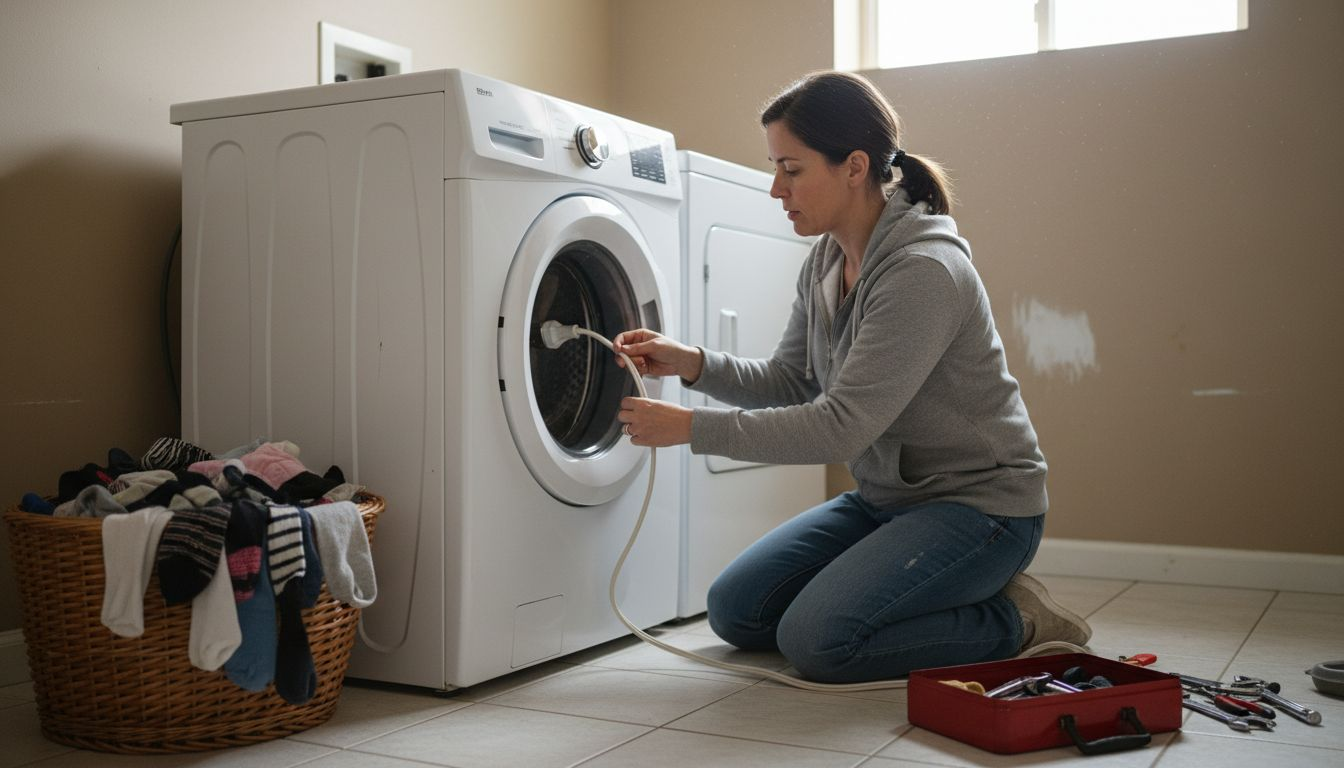
Look for specific warning signs including visible cracks, fraying, exposed wire sections, burn marks, or areas where the protective insulation has worn away. Check the plug carefully to ensure it is fully intact with no bent prongs or visible damage. Verify that the plug is securely inserted into the outlet and that the outlet itself shows no signs of discoloration or burning. Pay special attention to areas where the cord meets the plug or appliance body, as these are common points of stress and potential wear. If you discover any damage or irregularities, immediately remove the appliance from service and consult a professional technician for repair or replacement.
Pro tip: Always keep electrical cords away from high traffic areas and protect them from potential damage by using cord covers or routing them along walls to prevent accidental wear and tear.
Step 4: Check for gas leaks and ventilation issues
Detecting potential gas leaks and ensuring proper ventilation are crucial steps in maintaining appliance safety and protecting your home environment. Natural gas safety inspection requires careful and systematic examination of all gas appliances and their surrounding areas. Start by using your senses to detect any unusual signs of gas leakage such as a distinctive rotten egg smell or hissing sounds near gas connections.
Carefully inspect all gas connections, looking for visible signs of wear, corrosion, or damage. Use a gas leak detector or specialized solution to check for potential leaks around pipe connections, valves, and appliance interfaces. Pay close attention to ventilation systems, ensuring that all exhaust vents are clear of obstructions and functioning correctly. Check that carbon monoxide detectors are operational and positioned appropriately near gas appliances. If you detect any signs of a gas leak or ventilation problem, immediately shut off the gas supply, ventilate the area, and contact a professional technician to perform a comprehensive safety assessment.
Here’s a summary of common appliance safety hazards and recommended actions:
| Hazard Type | Example Warning Signs | Recommended Action |
|---|---|---|
| Electrical Damage | Exposed wires, burn marks | Disconnect, consult technician |
| Gas Leak | Rotten egg odor, hissing | Shut off gas, ventilate area |
| Poor Ventilation | Blocked vents, CO detector alerts | Clear exhaust, test detectors |
| Mechanical Failure | Odd noises, rough movement | Stop use, schedule inspection |
Pro tip: Install multiple carbon monoxide detectors throughout your home and test them monthly to ensure early detection of potential gas or ventilation hazards.
Step 5: Test appliance operation and safety features
Testing the operational safety of your home appliances is a critical step in preventing potential accidents and ensuring long-term performance. Combustion appliance safety testing requires a systematic approach to verify each appliance functions correctly and safely. Begin by powering on the appliance and observing its startup sequence, listening for unusual sounds and watching for smooth operational movements.
Carefully check all safety features such as automatic shutoff mechanisms, temperature controls, and emergency stop functions. For electrical appliances, test the grounding connections and inspect for any signs of electrical irregularities. Pay special attention to moving parts, ensuring they operate without excessive friction or unexpected resistance. Verify that all digital displays and control panels are functioning correctly and that warning indicators are visible and responsive. If you notice any irregularities during testing or feel uncertain about an appliance’s performance, discontinue use and contact a professional technician for a comprehensive evaluation.
Pro tip: Keep a detailed log of your appliance tests, recording date, observations, and any potential issues to help track maintenance history and identify emerging problems early.
Step 6: Verify inspection results and document findings
Compiling a comprehensive record of your appliance safety inspection is crucial for tracking potential issues and maintaining home safety. Safety inspection documentation requires systematic and detailed recording of all observations, measurements, and potential hazards discovered during your inspection. Create a standardized inspection form that allows you to methodically document each appliance’s condition, noting specific details about performance, safety features, and any identified risks.
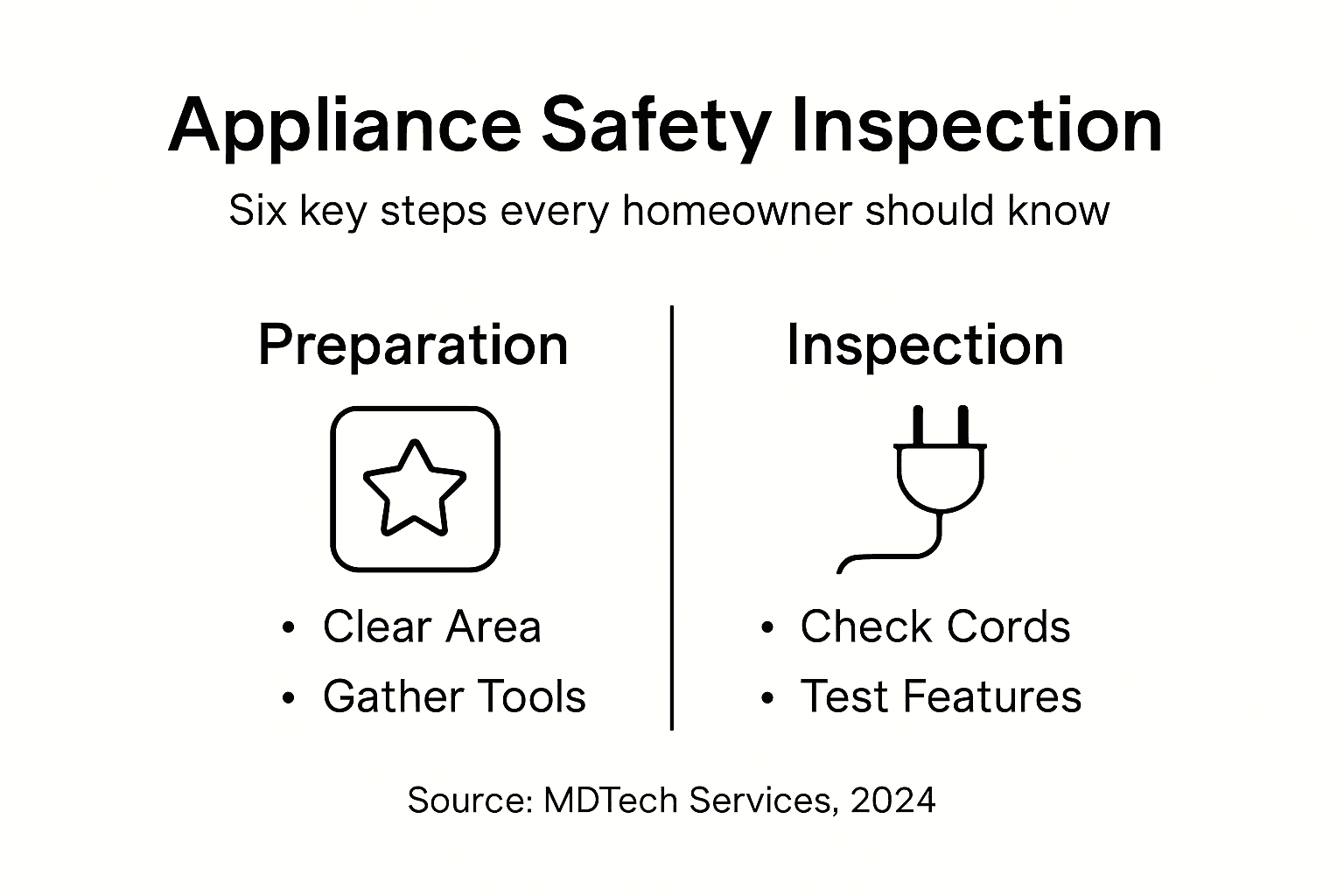
Carefully record measurements such as electrical continuity, gas pressure, temperature readings, and carbon monoxide levels. Include photographs of any areas of concern, highlighting specific damage or wear that might compromise appliance safety. Note the date of inspection, serial numbers of appliances examined, and recommendations for immediate repairs or future maintenance. Organize these documents in a dedicated file for easy reference, which can help track the maintenance history of your home appliances and provide valuable information for future professional inspections or potential insurance claims.
Key benefits of maintaining thorough appliance inspection records:
| Benefit | How It Helps | When It’s Useful |
|---|---|---|
| Safety Tracking | Identifies recurring risks | During annual inspections |
| Maintenance Planning | Schedules timely repairs | After finding issues |
| Insurance Documentation | Supports claim accuracy | After accidents or damage |
| Technician Communication | Shares findings smoothly | When hiring professionals |
Pro tip: Digitally scan and backup your inspection documents to create a secure, long-term record that can be easily accessed and shared with maintenance professionals.
Ensure Your Home Appliances Are Safe and Reliable Today
Performing a thorough appliance safety inspection is crucial to protect your home from electrical hazards, gas leaks, and operational failures. If you have noticed any signs like frayed cords, unusual smells, or irregular appliance behavior, do not wait to take action. These issues demand expert attention to keep your family safe and your appliances running smoothly. MDTech Services offers professional appliance repair, installation, and safety solutions tailored to homeowners in Orange County and Los Angeles County. Their licensed technicians specialize in major household appliances and provide dependable services that prioritize your peace of mind.

Take charge of your home safety now by scheduling a precise appliance inspection or repair with MDTech Services. Visit MDTech Services to book your appointment online or learn more about their expert HVAC, appliance, and plumbing services. With quick response times and a safety-first approach, you can trust MDTech Services to handle your appliance concerns confidently and efficiently.
Frequently Asked Questions
What are the first steps in preparing for an appliance safety inspection?
Before inspecting appliances, you should prepare your workspace by ensuring it is clean, well-lit, and free of hazards. Gather safety tools like electrical safety gloves, safety glasses, a multimeter, and a voltage tester, and keep them in a dedicated toolbox for easy access.
How do I safely disconnect appliances before an inspection?
To safely disconnect an appliance, first locate the main circuit breaker panel and turn off the power to the specific appliance’s circuit. Always verify the power is off with a voltage detector before unplugging or disconnecting any hardwired connections to prevent electrical hazards.
What should I look for when inspecting electrical cords and connections?
Inspect electrical cords for signs of damage such as cracks, fraying, or exposed wires. Pay close attention to the plug and any areas where the cord meets the appliance, and immediately remove any damaged cords from service and consult a technician if you find issues.
How can I verify if there are gas leaks in my appliances?
To check for gas leaks, look for unusual smells or sounds near gas appliances. Use a gas leak detector or a soapy solution to check connections and valves for bubbles, indicating a leak, and shut off the gas supply immediately if you suspect a problem.
What safety features should I test during an appliance inspection?
During your inspection, test safety features like automatic shutoff mechanisms, temperature controls, and grounding connections for electrical appliances. Observe the appliance during startup, noting any irregular sounds or operation issues, and discontinue use if you find any problems.
How do I document my appliance safety inspection findings?
Document your inspection by recording observations, measurements, and any risks identified. Create a standardized inspection form to log details such as performance issues and recommendations for repairs, and organize these documents for future reference.
Recommended
- Step-by-Step Guide to Appliance Safety Inspections at Home
- 7-Step Appliance Replacement Checklist for Homeowners
- 7 Key Questions to Ask Appliance Technicians Before Hiring
- Dishwasher repair or Installation Garbage disposal repair or Installation Airgap repair pump repair Fixing Dishwashers, Garbage Disposals, and More! – MDTech Services