
You might assume your HVAC system handles everything related to indoor air quality, but there’s a critical piece many homeowners overlook: humidity control. Even the most efficient heating and cooling systems can’t address dry air that causes discomfort, health issues, and damage to your home. Integrating humidifiers with HVAC systems transforms how your home feels and protects your family’s wellbeing. This guide reveals how humidifiers work within your HVAC setup, which types suit your needs, and why proper humidity matters more than you think for Orange County and Los Angeles County homes.
Table of Contents
- Key takeaways
- Understanding humidifiers and their function in HVAC systems
- Types of humidifiers used in residential HVAC and how to choose
- Benefits of adding a humidifier to your existing HVAC system
- Maintenance and troubleshooting tips for your HVAC humidifier
- Explore professional HVAC solutions tailored for your home
- Frequently asked questions
Key Takeaways
| Point | Details |
|---|---|
| HVAC humidity integration | Integrating a humidifier with your HVAC system delivers balanced moisture to every room, improving comfort and health. |
| Ideal humidity range | Maintaining 30 to 50 percent humidity helps prevent mold and reduces discomfort. |
| Humidifier types | Steam, evaporative, and ultrasonic units provide different installation needs and maintenance requirements. |
| Maintenance and monitoring | Use a hygrometer to track humidity and schedule cleaning or replacements to maintain effectiveness. |
Understanding humidifiers and their function in HVAC systems
A humidifier adds controlled moisture to indoor air, addressing the dryness that naturally occurs when heating systems run during cooler months. Your HVAC system circulates conditioned air throughout your home, and when a humidifier integrates with this setup, it injects water vapor directly into the airflow before distribution. This process maintains humidity levels between 30% and 50%, the sweet spot where you feel comfortable without creating conditions for mold growth.
Integrating humidifiers with HVAC systems helps maintain ideal indoor humidity levels that protect health and comfort. Your ductwork becomes the delivery system for balanced air, reaching every room consistently rather than relying on portable units that only affect limited spaces. This whole-home approach means you won’t experience the patchwork effect of humid bedrooms but dry living areas.
Low indoor humidity creates problems you might not immediately connect to air quality. Your skin dries out, static electricity becomes annoying, and respiratory passages feel irritated. Wood furniture and flooring can crack as moisture gets pulled from materials. You might even notice your heating bills creeping up because dry air feels colder, prompting you to raise the thermostat unnecessarily.
Benefits of proper humidity extend beyond comfort:
- Reduced respiratory irritation and fewer allergy symptoms
- Protection for wood floors, furniture, and musical instruments
- Lower static electricity that damages electronics
- Improved sleep quality in properly humidified bedrooms
- Energy savings from feeling warmer at lower thermostat settings
Pro Tip: Install a hygrometer in your main living area to monitor humidity levels accurately. Digital models cost under $20 and help you spot problems before discomfort sets in, allowing you to adjust your humidifier settings proactively.
Types of humidifiers used in residential HVAC and how to choose
Three main humidifier types work with residential HVAC systems, each with distinct installation requirements and maintenance profiles. Steam humidifiers boil water to create vapor, delivering the most precise humidity control and working independently of your furnace operation. They cost more upfront but handle larger homes effectively and require minimal cleaning since high temperatures prevent mineral buildup.
Evaporative humidifiers use a water panel or pad that air passes through, picking up moisture naturally as your furnace runs. These units are budget-friendly and simple to install, making them popular for moderate climates. However, they need regular pad replacements every season and only work when your heating system operates, limiting effectiveness during mild weather.
Ultrasonic humidifiers create a fine mist through high-frequency vibrations, running quietly and efficiently. They work well for smaller homes and apartments but require distilled water or frequent filter changes to prevent white dust from minerals. Installation complexity varies, with some models designed for ductwork integration and others functioning as bypass units.
Choosing the right humidifier type depends on home size, system compatibility, and personal preferences for maintenance. Consider these factors:
- Home size: Steam units handle 3,000+ square feet; evaporative suits 1,500-2,500 square feet
- Water quality: Hard water areas benefit from steam models that resist mineral deposits
- Budget: Evaporative offers lowest initial cost; steam provides best long-term value
- Noise sensitivity: Ultrasonic operates most quietly for bedrooms and living spaces
- Maintenance time: Steam needs annual cleaning; evaporative requires seasonal pad replacement
| Feature | Steam | Evaporative | Ultrasonic |
|---|---|---|---|
| Installation cost | $800-$1,200 | $400-$600 | $500-$900 |
| Annual maintenance | Low (descaling) | Medium (pad replacement) | High (filter changes) |
| Moisture output | Highest | Moderate | Moderate to high |
| Energy use | Higher | Lower | Lowest |
| Best for | Large homes, hard water | Budget-conscious, moderate climate | Quiet operation, smaller spaces |
Pro Tip: Match your humidifier capacity to your home’s actual square footage rather than oversizing. An oversized unit cycles too frequently, wasting energy and creating uneven humidity that promotes mold in over-humidified zones.
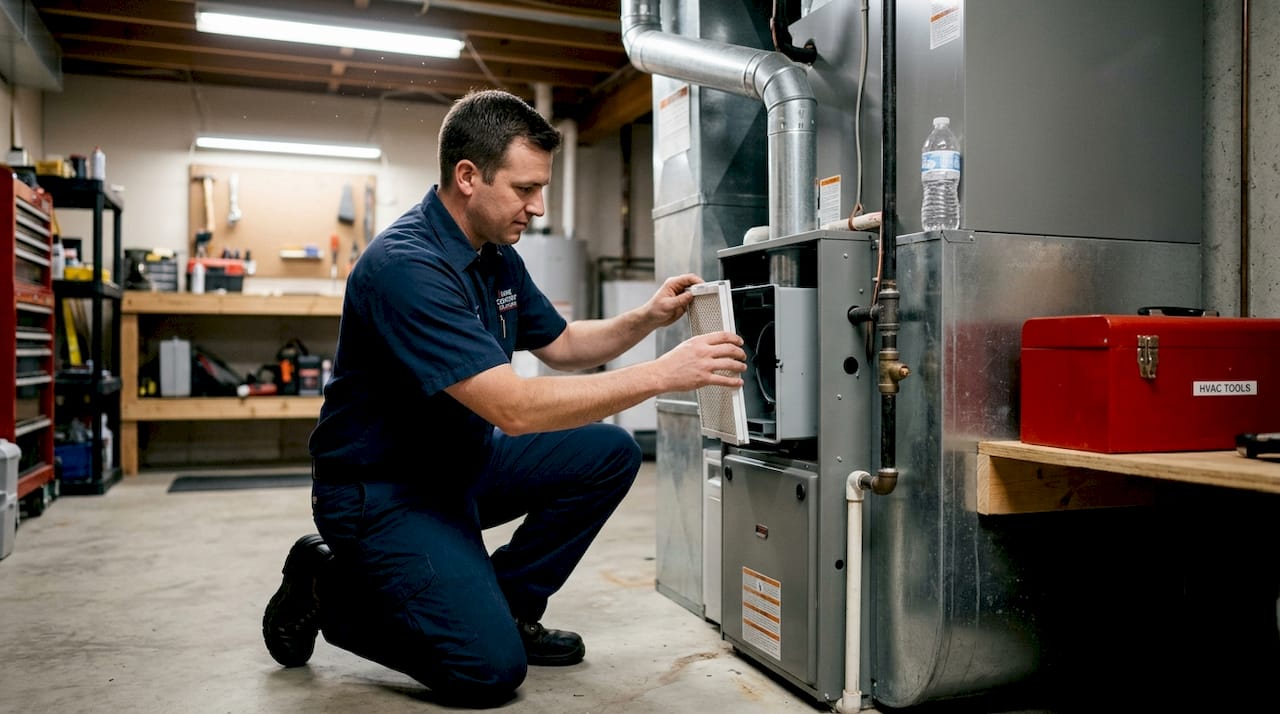
Professional installation ensures proper integration with your existing HVAC setup. Technicians assess your ductwork configuration, electrical capacity, and water supply access to recommend the optimal placement and type. Regular HVAC maintenance should include humidifier inspection to catch issues early.
Benefits of adding a humidifier to your existing HVAC system
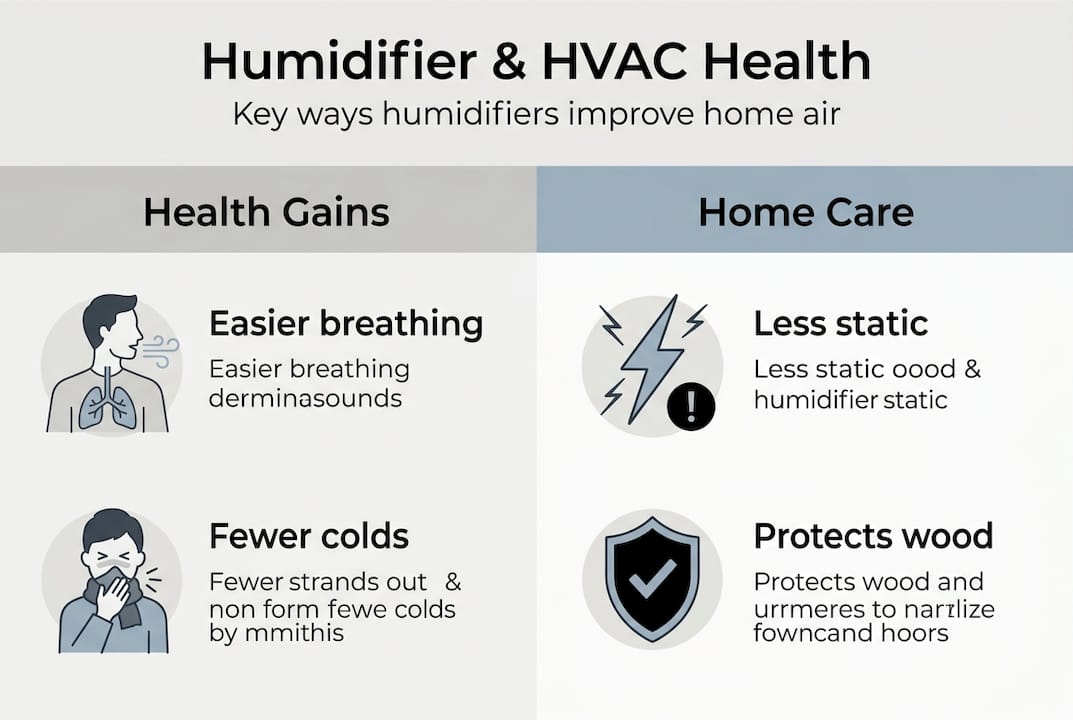
Health improvements from balanced humidity show up quickly once you install an HVAC humidifier. Your nasal passages and throat stay moist, reducing susceptibility to respiratory infections that thrive in dry environments. Skin irritation decreases as your body retains natural moisture instead of compensating for arid indoor air. People with asthma or allergies often report fewer symptoms because properly humidified air soothes inflamed airways.
Proper humidity control via HVAC humidifiers can reduce respiratory discomfort, protect wood furnishings, and improve heating efficiency. Your home’s structure benefits too. Wood expands and contracts with moisture changes, and maintaining consistent humidity prevents gaps in hardwood floors, cracks in trim, and warping in doors. Musical instruments, artwork, and antique furniture preserve their integrity when humidity stays stable.
Energy efficiency gains surprise many homeowners. Humid air holds heat better than dry air, so you feel comfortable at lower thermostat settings. Dropping your temperature by just 3 degrees while maintaining proper humidity can cut heating costs by 5-10% over a season. Your furnace runs less frequently, extending its lifespan and reducing wear on components.
Comfort improvements include:
- Elimination of painful static shocks on doorknobs and electronics
- Better sleep quality from reduced nighttime nasal congestion
- Softer skin and hair without excessive moisturizer use
- Preserved houseplants that thrive in balanced humidity
- Reduced dust circulation as moisture weighs down particles
Homes with integrated humidifiers report measurably improved satisfaction. Occupants notice fewer cold symptoms during winter months, and the air simply feels fresher without the stuffiness that comes from sealed, dry spaces. Your HVAC system operates more smoothly because balanced humidity reduces strain on heating elements.
Recognizing signs your HVAC needs attention becomes easier when humidity stays consistent. Unusual temperature fluctuations or air quality changes often indicate humidifier malfunctions that affect overall system performance.
Maintenance and troubleshooting tips for your HVAC humidifier
Keeping your HVAC humidifier functioning properly requires attention to a few critical maintenance tasks. Water quality directly affects performance, so inspect your system monthly during heating season for mineral deposits or algae growth. These buildups restrict water flow and reduce moisture output, forcing your humidifier to work harder and potentially damaging components.
Routine maintenance of HVAC humidifiers prevents common malfunctions and extends system life. Follow this maintenance checklist:
- Inspect water panels or pads monthly during active use for mineral crust or discoloration indicating replacement needs
- Clean the water reservoir and distribution tray every 4-6 weeks using white vinegar to dissolve mineral deposits without harsh chemicals
- Replace filters according to manufacturer specifications, typically every 3-6 months depending on water hardness and usage
- Check water supply lines and connections for leaks, corrosion, or loose fittings that could cause water damage
- Test the humidistat accuracy by comparing readings to a separate hygrometer and recalibrating if readings differ by more than 5%
- Flush the system completely at season’s end to prevent stagnant water and bacterial growth during idle months
Troubleshooting common issues helps you determine whether you need professional service. Uneven humidity between rooms suggests ductwork problems or an undersized humidifier capacity. Musty odors indicate mold or bacteria growth requiring immediate cleaning and possibly UV light installation to prevent recurrence. Water pooling around the unit points to drainage clogs or overflow issues that need prompt attention to avoid structural damage.
Watch for these warning signs:
- White dust on furniture near vents (mineral deposits from untreated water)
- Increased allergy symptoms despite running the humidifier (mold contamination)
- Higher utility bills without temperature changes (inefficient operation)
- Visible rust or corrosion on humidifier components (water quality issues)
- Inconsistent humidity readings across different rooms (distribution problems)
Pro Tip: Schedule your humidifier maintenance during your seasonal HVAC tune-up appointments so technicians can address both systems simultaneously. This coordination saves service call fees and ensures comprehensive system health checks.
Knowing when to call professionals prevents minor issues from becoming expensive repairs. If you notice persistent humidity problems after cleaning, electrical issues with the humidistat, or water leaks you can’t trace, contact qualified technicians. Understanding common HVAC problems helps you communicate issues clearly and get faster resolutions.
Explore professional HVAC solutions tailored for your home
Optimizing your indoor air quality requires more than understanding how humidifiers work. It demands proper installation, regular maintenance, and expert troubleshooting when issues arise. MDTech Services brings specialized knowledge of HVAC humidifier integration to Orange County and Los Angeles County homes, ensuring your system delivers consistent comfort year-round.

Our licensed technicians assess your home’s specific needs, from square footage and existing ductwork to local climate patterns and water quality. We install humidifiers that match your system capacity and lifestyle preferences, then provide ongoing maintenance to keep everything running efficiently. Whether you need a new humidifier installation, comprehensive HVAC repair, or step-by-step maintenance guidance, our team delivers reliable solutions backed by local expertise. Taking action with trusted professionals means you’ll enjoy balanced indoor air without the guesswork, protecting your family’s health and your home’s value through every season.
Frequently asked questions
What is the ideal indoor humidity level for health and comfort?
The ideal indoor humidity range sits between 30% and 50% for most homes. This balance prevents dry air symptoms like irritated sinuses and cracked skin while staying below the 60% threshold where mold and dust mites thrive. Aim for 40-45% during winter months when heating systems run frequently, and adjust slightly higher in summer if you use air conditioning that naturally dehumidifies.
Can I install a humidifier myself or should I hire a professional?
Portable humidifiers work as DIY projects, but integrating a whole-home unit with your HVAC system requires professional installation. Technicians must connect water supply lines, wire the humidistat to your thermostat, and ensure proper ductwork placement for even distribution. Incorrect installation can cause water damage, electrical issues, or inefficient operation that wastes energy. Professional setup typically takes 2-4 hours and includes system testing to verify performance.
How often should HVAC humidifiers be maintained?
Maintain your HVAC humidifier at least twice yearly, ideally before heating season begins and again mid-winter during peak use. Monthly inspections during active months help catch mineral buildup or filter clogs before they affect performance. Annual professional service should coincide with your furnace tune-up, allowing technicians to check water panels, clean reservoirs, test controls, and verify humidity distribution throughout your home.
What are the signs that my home’s HVAC humidifier needs repair?
Watch for uneven humidity levels between rooms, indicating distribution problems or capacity issues. Water pooling near the unit, musty odors, or visible mold growth signal immediate attention needs. Increased static electricity, dry skin returning despite running the humidifier, or unusual sounds like grinding or buzzing point to mechanical failures. Rising energy bills without usage changes often mean your humidifier works inefficiently, struggling to maintain set levels and forcing your HVAC system to compensate.