
TL;DR:
- Regular drain cleaning prevents buildup and costly repairs by maintaining plumbing health.
- Common causes include hair, grease, soap scum, food waste, tree roots, and mineral deposits.
- Professional techniques like camera inspections and hydro jetting ensure effective and damage-free cleaning.
Your drains may look perfectly fine right now, but that doesn’t mean they are. Many homeowners in Orange County and Los Angeles County assume that water flowing down the drain means everything is working as it should. The reality is that buildup forms silently over months, and by the time a clog or backup appears, the damage is often already in progress. This guide covers why regular drain cleaning is one of the smartest maintenance steps you can take, what causes most drain problems in Southern California homes, how professional cleaning works, and what you can do to keep your plumbing system in good shape year round.
Table of Contents
- Why regular drain cleaning matters for your home’s health
- Common causes of drain issues and how cleaning helps
- How professional drain cleaning works: Techniques and tools
- Preventing future problems: Scheduled cleaning and upkeep
- Most homeowners underestimate drain cleaning: Here’s what actually matters
- Get professional help to protect your drains and your home
- Frequently asked questions
Key Takeaways
| Point | Details |
|---|---|
| Prevent costly repairs | Routine drain cleaning lowers the chance of big plumbing emergencies and reduces repair bills. |
| Spot issues early | Clogged or slow drains are warning signals—early action prevents major water damage. |
| Use experts for best results | Professional tools and expertise solve tough clogs and help your plumbing last longer. |
| Regular cleaning is essential | Scheduling annual drain cleaning can keep your whole home plumbing system healthy. |
Why regular drain cleaning matters for your home’s health
Drain cleaning is not just about clearing a clog after it forms. It is about stopping problems before they start and protecting the parts of your home you cannot see. Pipes and drains that appear functional can still carry significant buildup of grease, soap residue, hair, and mineral deposits that narrow the flow path and put stress on your plumbing.
When buildup goes unchecked, slow drains turn into full blockages. Full blockages can cause water to back up into sinks, bathtubs, or even onto floors. That standing water creates real risks: wood rot, mold growth, and structural damage to walls and subfloors. These are not small repairs. They are the kind of issues that cost homeowners thousands of dollars and weeks of disruption.
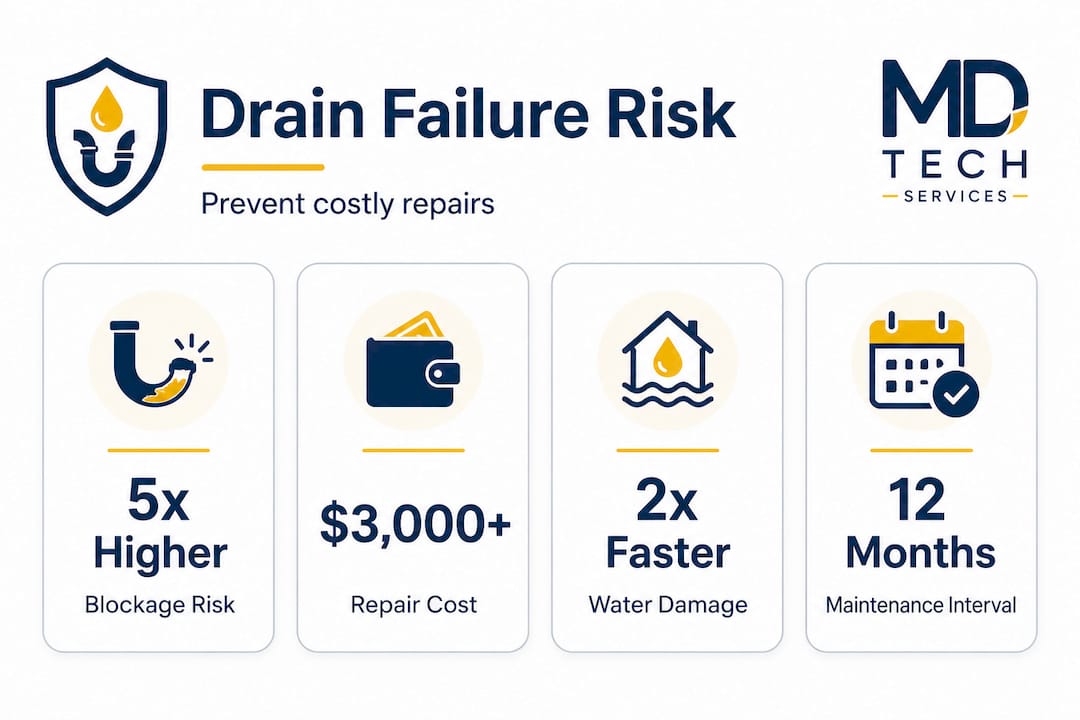
The good news is that staying ahead of drain problems is not complicated or expensive. Good plumbing maintenance basics that include regular drain cleaning can reduce repair costs by up to 30% compared to reactive, emergency-only approaches. That is a meaningful saving over the life of your home, and it reflects the simple logic that catching a small issue costs far less than fixing a big one.
Signs that your drains need attention:
- Water drains noticeably slower than usual in one or more fixtures
- Standing water in the tub or sink that takes more than a minute to clear
- Gurgling sounds coming from drains after water goes down
- Recurring bad odors from the kitchen or bathroom drain
- Frequent clogs that keep coming back even after clearing
- Water backing up in one fixture when another is used
The consequences of ignoring these signs include burst pipes, sewage backups, and mold growth inside walls. Each of those problems carries costs that dwarf the price of routine cleaning. Understanding the preventative plumbing advantages is the first step toward making smarter decisions about your home’s maintenance.
Pro Tip: If your drains smell bad even after you clean the visible parts of the drain, that odor is coming from deeper buildup inside the pipe. That is a clear signal that professional cleaning is overdue.
Common causes of drain issues and how cleaning helps
Understanding what causes drain problems in the first place helps you take the right steps to prevent them. In Southern California homes specifically, a combination of daily habits and regional water conditions creates unique challenges for plumbing systems.
The most common causes of drain blockages include:
- Hair: The leading cause of bathroom drain clogs. Hair combines with soap scum to form dense, sticky masses that cling to pipe walls.
- Grease and cooking oil: Poured down kitchen drains in liquid form, grease cools and solidifies inside pipes, narrowing the flow path over time.
- Soap scum: Standard bar soap contains fat, which binds with hard water minerals to form a stubborn residue inside pipes.
- Food waste: Even with a garbage disposal, small food particles accumulate and decompose inside drains.
- Tree roots: Roots seek moisture and can infiltrate sewer lines through tiny cracks, causing major blockages.
- Mineral buildup: Orange County and Los Angeles County are known for hard water. The elevated mineral content in the water supply causes calcium and magnesium deposits to form inside pipes, restricting flow and accelerating wear.
| Symptom | Likely cause | Recommended solution |
|---|---|---|
| Slow kitchen drain | Grease and food buildup | Professional cleaning or hydro jetting |
| Slow bathroom drain | Hair and soap scum | Snaking or enzyme treatment |
| Gurgling sounds | Partial blockage or venting issue | Camera inspection and cleaning |
| Multiple slow drains | Main line blockage or root intrusion | Camera inspection and line clearing |
| Foul odors from drains | Organic buildup or biofilm growth | Deep cleaning with professional tools |
| Water backing up | Severe blockage or root damage | Immediate professional service |
The hard water issue is especially relevant for homeowners in this region. Mineral deposits do not just slow your drains. They create a rough interior surface inside pipes that traps more debris over time, compounding the problem with every passing month. Professional drain cleaning addresses root intrusion, grease blockages, and all forms of debris buildup in a way that store-bought products simply cannot match.
One practical step you can take right now is installing mesh screens over all your drains. These small devices catch hair, food particles, and debris before they enter the pipe. Paired with proper drain hose installation in areas like laundry rooms and utility sinks, they significantly reduce the rate at which your drains accumulate buildup.
Pro Tip: In the kitchen, avoid pouring any cooking grease or oil down the drain, even if you flush it with hot water. The water cools the grease before it exits your pipes, and it will solidify somewhere inside your plumbing system.
How professional drain cleaning works: Techniques and tools
Many homeowners try to handle drain issues with store-bought chemicals or a basic hand snake from the hardware store. These tools can help with surface-level clogs, but they rarely address the root cause and can sometimes make things worse. Knowing what professional drain cleaning actually involves helps you understand the value of calling an experienced technician.
Professional drain hose repair and cleaning services use camera inspections, snaking, and hydro jetting to restore proper flow and prevent future blockages. Each technique serves a specific purpose, and experienced technicians choose the right method based on what they find.
How a professional drain cleaning service typically works:
- Initial assessment: The technician reviews your symptoms and asks about the location and frequency of drain problems.
- Camera inspection: A small waterproof camera is sent into the pipe to locate blockages, identify buildup, and check for damage like cracks or root intrusion.
- Method selection: Based on the inspection, the technician selects the appropriate cleaning method: snaking for soft clogs, hydro jetting for grease or mineral buildup, or specialized tools for root removal.
- Cleaning: The selected technique is applied to fully clear the line, not just punch a hole through the blockage.
- Post-cleaning inspection: A follow-up camera check confirms the pipe is clear and in good condition.
- Recommendations: The technician advises on any repairs needed and a recommended cleaning schedule going forward.
| Tool or method | Best for | Limitations |
|---|---|---|
| Plunger (DIY) | Minor surface clogs | Cannot clear deep or hardened blockages |
| Chemical drain cleaner (DIY) | Minor organic clogs | Can damage pipes and is not safe for regular use |
| Hand snake (DIY) | Clearing soft clogs near the drain | Limited reach and force |
| Professional snake | Deeper clogs and soft blockages | May not fully clear hardened buildup |
| Hydro jetting (pro) | Grease, mineral buildup, roots | Requires professional equipment and training |
| Camera inspection (pro) | Diagnosing hidden problems | Not a cleaning method on its own |
One risk homeowners often overlook is the damage that improper tool use or chemical overuse can cause. Chemical drain cleaners are corrosive. Using them regularly can weaken PVC pipes and damage older metal plumbing. Overforcing a snake can scratch or puncture pipe walls. These mistakes turn a minor clog into a repair job that requires drainage repair or pipe replacement.
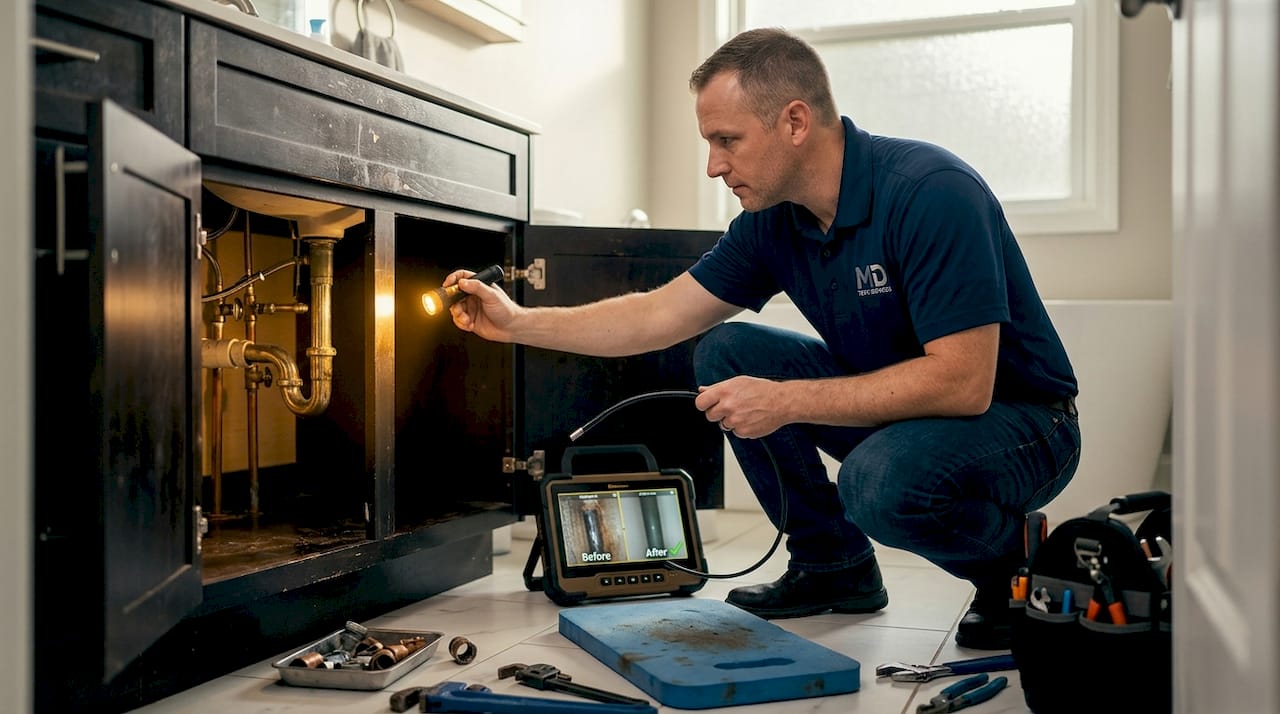
Pro Tip: Ask your plumber for a camera inspection both before and after the cleaning. The before image shows you exactly what was wrong, and the after image gives you confidence that the job was done completely.
Preventing future problems: Scheduled cleaning and upkeep
Clearing a drain blockage is only half the job. The other half is making sure that blockage does not return in six weeks. Preventative drain care is what separates homes that deal with recurring plumbing issues from those that rarely experience problems at all.
Scheduled, preventative drain cleaning protects your entire plumbing system and helps you avoid the stress and cost of emergency repairs. When you stay on a regular maintenance schedule, your plumber also gets a clear picture of how your pipes are aging and can flag concerns before they become failures.
“Preventative drain cleaning is one of the most cost-effective investments a homeowner can make. Regular service keeps your pipes clear, extends their life, and reduces the likelihood of a major plumbing emergency.” — MDTech Services
Simple monthly steps every homeowner can take:
- Flush kitchen drains with hot water for one full minute after doing dishes
- Use a mesh drain screen in every bathroom and kitchen drain
- Run your garbage disposal with cold water for 30 seconds after each use
- Pour a cup of baking soda followed by hot water down bathroom drains monthly
- Avoid flushing anything other than toilet paper in toilets, including wipes labeled “flushable”
- Check under sinks periodically for any signs of moisture, drips, or slow leaks
It is also worth noting that your drain system does not operate in isolation. Your home’s drainage connects to your HVAC system’s condensate lines and appliance drain hoses, among other components. When any of these get blocked or backed up, they can affect other systems in your home. Understanding the drainage in HVAC systems helps you see your plumbing as one connected system rather than a series of isolated fixtures.
For most households in Orange County and Los Angeles County, professional drain cleaning once every 6 to 12 months is the right frequency. Larger households or homes with older plumbing should lean toward the 6-month schedule. You should also schedule plumbing inspections on a similar timeline to catch issues early.
Pro Tip: Add a reminder to your phone or calendar every six months labeled “Drain Cleaning Check.” It takes less than a minute to set up, and it keeps you from forgetting until a backup forces your hand.
Most homeowners underestimate drain cleaning: Here’s what actually matters
After working with homes across Orange County and Los Angeles County, we have seen the same pattern repeat itself: homeowners wait until water is backing up onto their floors before calling for help. By that point, what started as a buildable, preventable issue has turned into an emergency with real costs attached.
Here is the honest truth: the slow drain you have been ignoring for three months is not “just a little slow.” It is telling you that something is restricting flow inside your pipe, and that restriction is growing. Buildup does not shrink on its own. It accumulates. What starts as a layer of soap scum and hair becomes a hardened mass that professional-grade tools must clear. In some cases, particularly with older pipes or significant root intrusion, the pipe itself has been compromised.
We also want to challenge the idea that chemical cleaners are a real solution. Many homeowners in the communities we serve use chemical products to clear slow drains, feel relief for a few weeks, and then repeat the cycle. Those chemicals are not eliminating the buildup. They are softening part of it. The underlying issue remains, and each treatment adds corrosive wear to your pipe walls.
Drain cleaning is not glamorous, and it is not the kind of home maintenance that gets talked about at neighborhood gatherings. But it is one of the most concrete things you can do to protect your property’s value and avoid unexpected repair bills. Reviewing your plumbing maintenance basics and committing to a real schedule is the shift that separates proactive homeowners from those who always seem to be dealing with one plumbing emergency after another.
Prevention always costs less than repair. That is not just a general principle. It is something we have seen confirmed in home after home across Southern California.
Get professional help to protect your drains and your home
If this article has made one thing clear, it is that drain cleaning is not optional maintenance. It is essential protection for your home’s plumbing, your property value, and your peace of mind.

At MDTech Services, we offer responsive, thorough plumbing services for homeowners throughout Orange County and Los Angeles County. Our licensed technicians use camera inspections, hydro jetting, and proven cleaning methods to keep your drains clear and your system running properly. Whether you need fast plumbing repair for an active problem or want to stay ahead of future issues, we are ready to help. The best time to address your drains is before a problem forces your hand. Contact us today or go online to schedule plumbing inspections and let our team take care of the rest.
Frequently asked questions
How often should I get my drains professionally cleaned?
Most homes benefit from professional drain cleaning every 6 to 12 months, with larger or older homes typically needing service on the shorter end of that range.
Is chemical drain cleaner safe for pipes?
Over-the-counter chemical cleaners are corrosive and can weaken pipe walls over time, making them unsuitable for regular use in your home’s plumbing.
What are signs that my drain needs cleaning?
Slow draining water, recurring clogs, gurgling sounds, and persistent bad odors are all clear indicators that your drains need professional attention.
Can I clean my own drains or should I call a professional?
You can handle minor surface clogs at home, but recurring or persistent drain issues require a professional inspection and thorough cleaning to resolve properly.
Does preventative drain cleaning really save money?
Yes. Routine maintenance can reduce repair costs by up to 30% and keeps small issues from becoming expensive emergencies.
Recommended
- Why Preventative Plumbing Matters: Save Money and Protect Your Home
- How plumbing protects your home: key safety insights
- Why clean air ducts? Breathe easier, save on HVAC costs
- Plumbing Maintenance Basics: Prevent Costly Repairs
- 5 Warning Signs You Need Sewer Repair (Before It Becomes a $20,000 Emergency)