
TL;DR:
- Maintaining indoor humidity between 30% and 50% is essential for mold prevention, comfort, and energy efficiency. Both high and low humidity levels pose health risks, primarily through biological growth and compromised mucosal defenses. Proper moisture control involves source management, air sealing, active equipment, and regular monitoring to protect your home and health effectively.
Most homeowners spend money on air purifiers and HEPA filters while ignoring the one indoor air factor that quietly determines whether mold grows, allergens thrive, or your HVAC system works harder than it should. The role of humidity control in residential spaces is far more significant than most people realize. Too much moisture and your home becomes a breeding ground for biological hazards. Too little and your respiratory system takes a hit every single day. This guide walks you through exactly what balanced humidity does for your home, your health, and your energy bills.
Table of Contents
- Key takeaways
- Role of humidity control in indoor environments
- How humidity levels affect health and air quality
- Practical strategies for humidity control at home
- Energy efficiency and the benefits of humidity regulation
- Common mistakes in home humidity management
- My take on why humidity control gets ignored
- How Mdtechservices can help you take control
- FAQ
Key takeaways
| Point | Details |
|---|---|
| Target the 30%–50% range | EPA recommends keeping indoor relative humidity between 30% and 50% to suppress mold and dust mites. |
| Low humidity harms health too | Dry air weakens your respiratory defenses and increases vulnerability to viruses year-round, not just in summer. |
| Condensation is the real threat | Health risks from high humidity come from surface condensation enabling biological growth, not moisture in the air itself. |
| Air sealing beats vapor barriers | Air movement carries over 98% of water vapor through building cavities, making air sealing the more effective moisture strategy. |
| Active monitoring is required | Humidity management is an ongoing process. Set a target, use a hygrometer, and adjust seasonally. |
Role of humidity control in indoor environments
Humidity refers to the amount of water vapor in the air. Relative humidity (RH) expresses that amount as a percentage of what the air can hold at a given temperature. When RH climbs above 60%, surfaces in your home can cool enough to reach the dew point, causing condensation. When it drops below 30%, the air pulls moisture from wherever it can find it, including your skin and airways.
The comfort connection is direct. At high humidity levels, sweat evaporates slowly from your skin, making you feel hotter than the thermometer reads. At low humidity, you feel colder than the actual temperature. Both extremes push people to adjust their thermostats unnecessarily, which drives up energy costs.
Here is what healthy humidity levels in indoor environments look like in practice:
- 30%–50% RH is the sweet spot for year-round comfort and health
- Below 30% RH causes dry skin, chapped lips, irritated sinuses, and static electricity buildup
- Above 60% RH creates conditions that support mold colonies, dust mite populations, and structural damage
- Seasonal adjustments matter because outdoor humidity levels change what your HVAC system needs to do indoors
Pro Tip: Pick up a digital hygrometer for around $15 at any hardware store. Place one in your bedroom and one in your basement or crawlspace to get a real picture of what is happening in your home.
Understanding how humidity affects comfort starts with accepting that your thermostat only tells half the story. Temperature and moisture together define how your home actually feels and functions.
How humidity levels affect health and air quality
High humidity does not harm you directly through the air you breathe. The real mechanism is biological. Health impacts result mostly from condensation enabling mold, bacteria, and dust mites to grow on surfaces, not from moisture floating in the air itself. That distinction matters because it shifts your focus from simply lowering humidity to specifically preventing condensation on walls, floors, and furniture.
Here is how the effects of humidity on health break down at the extremes:
- High humidity (above 60% RH) promotes mold and mildew growth, which releases spores that trigger asthma attacks and allergic reactions. Dust mites, a leading indoor allergen, thrive in humid conditions and reproduce rapidly in bedding and upholstered furniture.
- Heat combined with high humidity compounds the physical risk significantly. Humidity at 80–90% leads to a higher incidence of fatigue, dizziness, heat cramps, and heat exhaustion because your body cannot cool itself through sweating effectively.
- Low humidity (below 30% RH) dries out nasal passages and throat linings. Dry air compromises the mucosal defenses that trap viruses and bacteria before they enter your system, making you more susceptible to colds, flu, and respiratory infections.
- Compound weather events raise the stakes further. Warm and wet events show about 1.093 times higher risk of adverse health outcomes compared to heat alone, which means humid heat days are more dangerous than dry heat days of the same temperature.
“Humidity control is often the most overlooked factor in indoor air quality despite its critical role in allergen behavior and comfort.” — NBC Select, Best Dehumidifiers of 2026
The takeaway here is that both ends of the spectrum create real health risks. A home that swings from overly dry in winter to swampy in summer is a home that keeps its occupants in a constant cycle of discomfort and potential illness.
Practical strategies for humidity control at home
Managing humidity at home comes down to three coordinated actions: control moisture at the source, improve ventilation, and use active equipment when needed. This three-pronged approach consistently produces the best results for homeowners dealing with moisture problems.
Source control
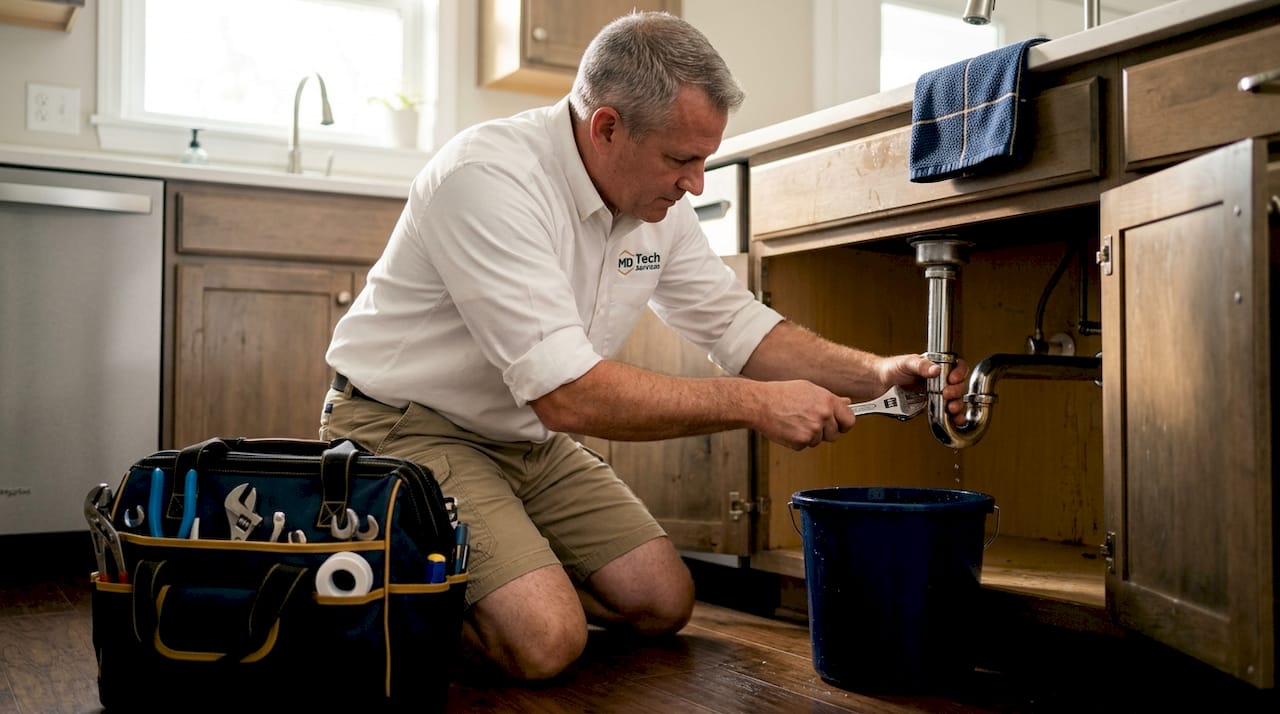
Fixing leaks promptly is the most overlooked first step. A slow drip under a sink or a failed caulk seal around a shower keeps moisture levels elevated no matter how powerful your dehumidifier is. Exhaust fans in kitchens and bathrooms are non-negotiable. A single shower adds significant moisture to the air, and without proper ventilation in moisture hotspots, that moisture spreads through the rest of the home.
Ventilation and air sealing
Here is where a common myth needs addressing. Many homeowners install vapor barriers thinking they are the primary defense against moisture intrusion. In reality, air movement accounts for more than 98% of water vapor movement in building cavities. Vapor barriers address the remaining 2%. Air sealing around electrical outlets, attic hatches, plumbing penetrations, and window frames does far more to protect your home’s structure and air quality.
Mechanical ventilation through a properly maintained HVAC system also helps regulate indoor moisture. Humidity control for HVAC systems works best when filters are clean, coils are in good shape, and the system is properly sized for your home.
Active humidity management equipment
| Equipment | Best use case | Key limitation |
|---|---|---|
| Portable dehumidifier | Basements, crawlspaces, damp rooms | Requires manual emptying or drainage setup |
| Whole-home dehumidifier | Consistently humid climates, larger homes | Higher upfront cost, needs HVAC integration |
| Portable humidifier | Single rooms during dry winter months | Requires regular cleaning to prevent mold growth inside unit |
| Whole-home humidifier | Dry climates, older forced-air systems | Requires professional installation and annual maintenance |
Pro Tip: If you live in Southern California and run air conditioning regularly, your AC is already removing some moisture. But a standalone AC unit does not replace a dedicated dehumidifier in a damp basement or laundry area.
Monitoring is the often-skipped final step. You cannot manage what you do not measure. A hygrometer in multiple rooms gives you a real-time picture, and home air quality monitoring as part of a regular home check helps you catch problems before they become expensive repairs.
Energy efficiency and the benefits of humidity regulation
Balanced humidity does more than protect your health. It directly affects how hard your HVAC system works and what you pay on utility bills every month.
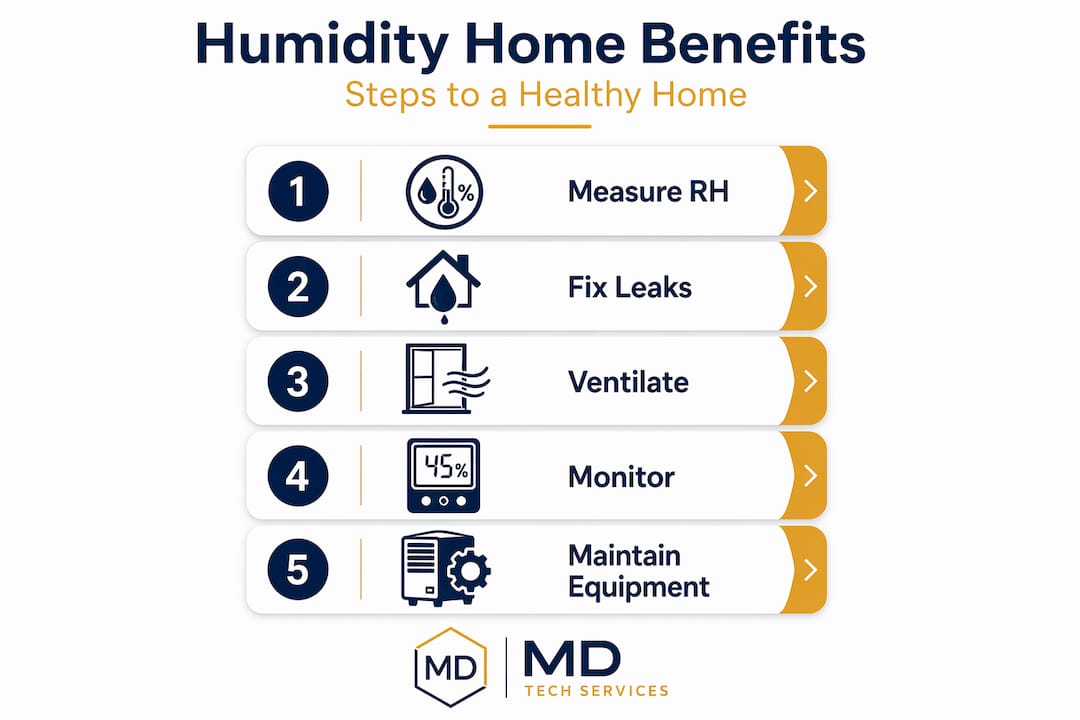
The EPA recommends keeping indoor RH between 30% and 50%, and this range aligns with what makes your cooling system most efficient. When humidity is lower, the same temperature feels cooler, which means your air conditioner runs fewer cycles to reach the comfort level you want.
Here is a practical look at the energy and structural benefits of humidity regulation:
| Humidity condition | Energy impact | Structural impact |
|---|---|---|
| 30%–50% RH (optimal) | Reduced HVAC runtime, lower bills | No condensation, no material damage |
| Above 60% RH | AC works harder to compensate | Condensation on walls and windows, mold risk |
| Below 30% RH | Heating costs increase as dry air feels colder | Wood floors crack, drywall dries and weakens |
One nuanced point worth knowing: indoor RH up to 65% during active cooling is acceptable if no condensation forms on interior surfaces. The goal is not a rigid number. It is preventing surface condensation. If your walls, windows, and floors stay dry, you have more flexibility than the standard 50% guideline suggests.
Preventing moisture damage also protects your investment in the home itself. Wood framing, drywall, insulation, and flooring all degrade faster when exposed to repeated moisture cycles. The HVAC indoor air quality role extends beyond temperature to include managing the moisture that determines how long your home’s materials last.
Common mistakes in home humidity management
Even homeowners who understand the importance of humidity control make avoidable errors that undermine their efforts. These are the most common ones to watch for:
- Relying on vapor barriers instead of air sealing. As noted above, air is the dominant moisture carrier. Prioritize sealing gaps and penetrations first.
- Ignoring seasonal shifts. Humidity needs change between summer and winter. A setting that worked in July will likely be wrong in January. Adjust your equipment and monitor accordingly.
- Neglecting equipment maintenance. A dehumidifier with a dirty coil or a humidifier with standing water in the reservoir becomes a problem rather than a solution. Clean and service this equipment on a schedule.
- Skipping regular HVAC maintenance. A poorly maintained system loses its ability to regulate moisture effectively, and regular HVAC maintenance directly supports consistent indoor humidity levels throughout the year.
Pro Tip: Set a calendar reminder every three months to check your hygrometer readings, inspect your dehumidifier or humidifier, and replace your HVAC filter. These small check-ins prevent most humidity problems before they start.
My take on why humidity control gets ignored
In my experience working with homeowners across Orange County and Los Angeles County, humidity is the problem that hides in plain sight. Families come to us complaining about musty odors, persistent allergies, or HVAC systems that seem to run constantly. Nine times out of ten, unmanaged moisture is somewhere in that chain of cause and effect.
What I have learned is that most people treat humidity as a summer issue. They buy a dehumidifier in June and forget about it in October. But dry winter air is just as problematic. I have seen wood floors buckle from repeated seasonal swings that nobody addressed because the homeowner thought the job was done when the humidity dropped.
Here is the contrarian view I hold: chasing a specific RH number is less useful than training yourself to notice what condensation is telling you. If your windows fog on the inside, if you see water rings on ceiling tiles, or if that one corner of the basement always smells earthy, those are signals. The condensation prevention goal should guide every decision you make about humidity management. Numbers are a guide. Your home’s physical signals are the real feedback.
Active, year-round humidity management is not complicated. It just requires attention that most homeowners have not been told to give it. Start monitoring, fix your moisture sources, and maintain your equipment. The difference in comfort and air quality will be noticeable within weeks.
— MDTECH
How Mdtechservices can help you take control
If you have gone through this article and realized your home may have a humidity problem you have not been able to solve, the next step is getting the right professional support. Mdtechservices works with homeowners in Orange County and Los Angeles County to repair, maintain, and install the HVAC and appliance systems that manage your home’s moisture levels.

Our licensed technicians handle everything from HVAC repair to whole-home humidifier and dehumidifier installation. We also provide thorough HVAC inspections that assess whether your current system is effectively managing indoor humidity or leaving you exposed to the moisture problems described in this article. If your equipment is aging or underperforming, we can recommend the right solution for your home size and climate. Contact Mdtechservices today to schedule a service appointment and get your home’s humidity working for you, not against you.
FAQ
What is the ideal indoor humidity level for a home?
The EPA recommends keeping indoor relative humidity between 30% and 50% to minimize mold, dust mites, and dry air issues. This range supports both occupant health and HVAC efficiency.
Can high humidity make you sick?
High humidity does not directly cause illness, but biological growth from condensation such as mold and dust mites triggers allergic reactions and respiratory problems. At 80 to 90% humidity, heat-related illnesses also become a significant risk.
Does low humidity cause health problems?
Yes. Dry air weakens mucosal defenses in the nose and throat, making it easier for viruses and bacteria to take hold. This makes low humidity a health concern in winter months, not just summer.
Is a vapor barrier enough to control indoor moisture?
No. Air movement accounts for more than 98% of water vapor transport in building cavities, which means air sealing around gaps, penetrations, and joints does far more than a vapor barrier alone.
How does HVAC help with humidity control?
A properly maintained HVAC system removes moisture from indoor air during cooling cycles and can support whole-home humidifiers during heating season. Regular maintenance keeps the system efficient and effective at managing moisture year-round.