
TL;DR:
- Mechanical wear and electrical issues are the leading causes of appliance failures.
- Proper installation, regular maintenance, and use of surge protectors extend appliance lifespan.
- Addressing warning signs early and consulting professionals can prevent costly breakdowns.
Appliance malfunctions are far more common and costly than most homeowners realize. Over 214,000 injuries were linked to refrigerators alone in recent CPSC NEISS data, with ranges and ovens contributing another 152,000 incidents. In Orange County and Los Angeles County, where households run appliances year-round in warm, dusty conditions, the risk of breakdowns is even more persistent. This article walks you through the top causes of appliance failures, what warning signs to watch for, and the practical steps you can take right now to protect your home and avoid expensive repairs.
Table of Contents
- Mechanical wear and tear: The leading silent culprit
- Electrical issues: Power surges, faulty wiring, and more
- Installation mistakes and neglect: More common than you think
- Neglected maintenance: The preventable breakdown driver
- When to repair, replace, or call a pro: Making the right choice
- Why most appliance failures aren’t just ‘bad luck’ and what homeowners should really do
- Get expert help for hassle-free appliance care
- Frequently asked questions
Key Takeaways
| Point | Details |
|---|---|
| Mechanical wear is unavoidable | All appliances have moving parts that gradually break down with use over time. |
| Most breakdowns are preventable | Regular cleaning, proper installation, and surge protection avoid up to 80% of issues. |
| Electrical problems can be costly | Unprotected surges and faulty wiring frequently result in major damage and expensive repairs. |
| Proactive care is key | Staying vigilant with maintenance and knowing when to call a pro saves time, money, and stress. |
Mechanical wear and tear: The leading silent culprit
Now that you know how prevalent appliance injuries and failures are, let’s start with the most frequent cause: simple mechanical wear and tear. Every appliance has moving parts, and those parts degrade over time. Motors, fans, belts, and bearings all experience friction during normal operation, and that friction slowly reduces their effectiveness.
Most major kitchen appliances have realistic lifespans of 10 to 15 years, but that window shrinks fast when machines run hard. A refrigerator that cycles constantly in a warm kitchen, or a washer used daily for a large family, will show wear much sooner than the manufacturer’s estimate.
Common warning signs of mechanical wear include:
- Grinding or squealing noises during operation
- Burning smells from motors or belts
- Excessive vibration or movement during cycles
- Longer run times to complete the same task
- Visible rust, cracks, or worn seals on components
Frequent cycling and overuse are two of the biggest accelerators of mechanical failure. When an appliance runs more cycles per day than it was designed for, parts wear out faster and the risk of a sudden breakdown increases.
It’s also worth noting that 1 in 10 new appliances need service in their first year, often because of how they were installed rather than true product defects. That means even brand-new units can fail early if setup is rushed or incorrect.
If your appliance stops responding entirely, our guide on what to do when an appliance won’t start covers the most common reasons and fixes.
Pro Tip: Always level your appliances during installation. An unlevel washer or refrigerator puts uneven stress on motors and compressors, wearing them out years ahead of schedule.
Electrical issues: Power surges, faulty wiring, and more
While mechanical problems are common, electrical mishaps are another major source of appliance breakdowns, often with more severe consequences. Southern California homes, particularly older ones in parts of Los Angeles County, can have outdated wiring that wasn’t built to handle today’s high-demand appliances.
Power surges are one of the most damaging electrical events. A single surge can fry control boards, burn out motors, and corrupt electronic settings. Refrigerators, dishwashers, and smart appliances with digital displays are especially vulnerable.
| Appliance | Electrical risk level | Most common issue |
|---|---|---|
| Refrigerator | High | Control board failure from surges |
| Dishwasher | Medium | Heating element shorts |
| Microwave | High | Capacitor and fuse damage |
| Washer/Dryer | Medium | Motor overload from voltage drops |
Here are steps you can take to reduce electrical risks at home:
- Install surge protectors on all major appliances, especially refrigerators and washers.
- Avoid running multiple high-draw appliances on the same circuit at the same time.
- Unplug small appliances when not in use to prevent slow electrical drain.
- Have an electrician inspect wiring in homes older than 20 years.
- Replace any outlet that feels warm to the touch or shows scorch marks.
Regular use of surge protectors can help prevent up to 80% of breakdowns caused by electrical mishaps. That’s a significant number, and it means most electrical damage is avoidable with basic precautions.
Familiarizing yourself with appliance electrical terminology can also help you communicate clearly with a technician and understand what’s actually wrong.
Pro Tip: Test your outlets and circuit breakers every six months. A breaker that trips repeatedly under normal load is a warning sign that your wiring needs professional attention.
Installation mistakes and neglect: More common than you think
Electrical issues aside, even the best appliances can fail if mistakes are made during installation or initial setup. This is one of the most overlooked causes of breakdowns, and it affects both new and existing appliances.
A large portion of service calls are traced to improper installation rather than product defects. Common installation oversights include:
- Failing to level the appliance on the floor
- Not securing water supply hoses tightly on washers and dishwashers
- Leaving gaps in door seals on refrigerators
- Incorrect gas line connections on ranges
- Skipping the manufacturer’s calibration steps
| Installation step | DIY risk | Professional advantage |
|---|---|---|
| Leveling | Often skipped | Checked with tools |
| Hose connections | Finger-tight only | Torqued to spec |
| Electrical hookup | Risk of overload | Code-compliant wiring |
| Sealing and alignment | Inconsistent | Verified before sign-off |
“Many homeowners assume a new appliance just needs to be plugged in. In reality, proper leveling, sealing, and connection checks are what determine whether it runs reliably for years or starts causing problems within months.” — MDTech Services technician
DIY installs can also void your manufacturer’s warranty if the work isn’t done to code. That means a breakdown caused by a loose hose or an unlevel base could leave you paying full price for a repair that should have been covered.
For a step-by-step overview of what a proper setup looks like, our guide on safe appliance installation walks through the process in plain terms.
Neglected maintenance: The preventable breakdown driver
Even if appliances are installed and powered correctly, skipping routine maintenance is often the most preventable cause of equipment failure. Dust, debris, and clogged filters force appliances to work harder, which generates excess heat and accelerates wear on every component.
Preventive tasks such as cleaning coils or filters and following manufacturer manuals can avoid 80% of common breakdowns. In Orange County, the warm and sometimes dusty climate means condenser coils on refrigerators and dryer vents collect buildup faster than in cooler regions.
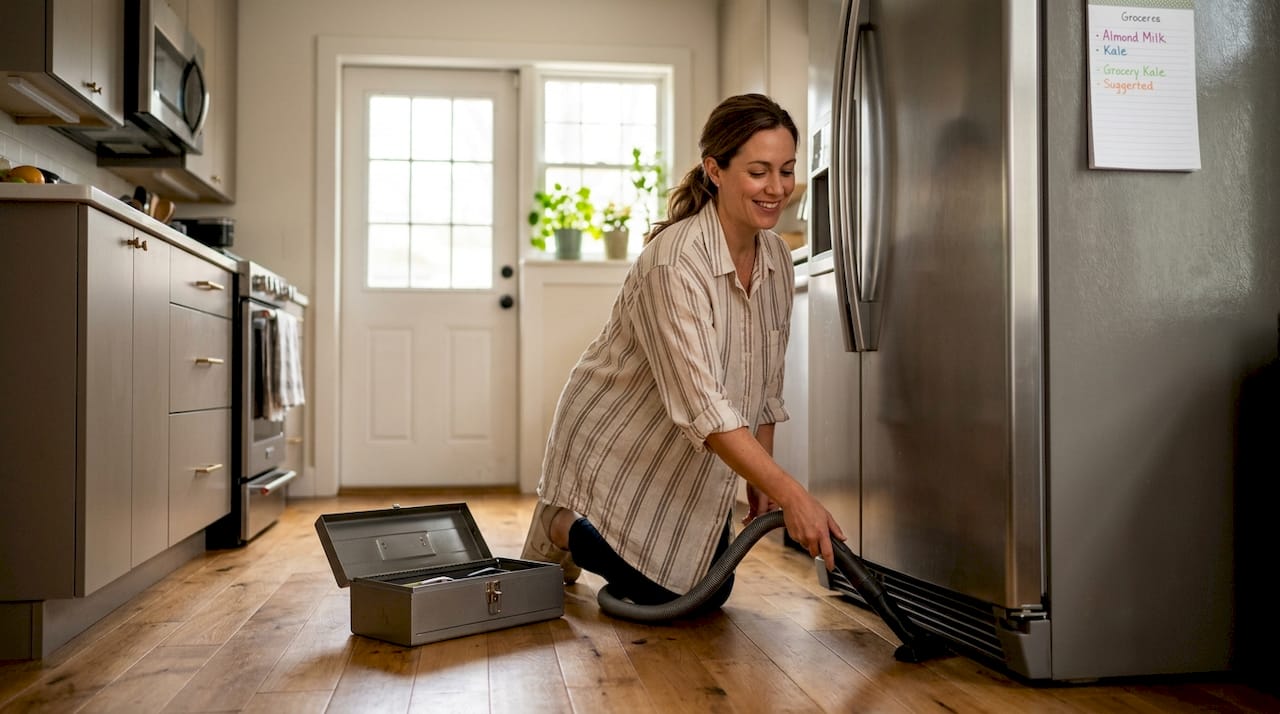
Here’s a practical maintenance checklist for your home appliances:
Monthly tasks:
- Clean the lint filter in your dryer after every load
- Wipe down refrigerator door gaskets to maintain a proper seal
- Check washing machine hoses for bulging or cracking
- Run a cleaning cycle on your dishwasher
Annual tasks:
- Vacuum refrigerator condenser coils at the back or bottom of the unit.
- Inspect and clean dryer vent ductwork from the machine to the exterior wall.
- Flush your water heater to remove sediment buildup.
- Check range burners and oven elements for uneven heating or discoloration.
- Review your appliance manuals for any model-specific service intervals.
Understanding why regular appliance maintenance matters gives you the full picture on how small tasks add up to years of reliable performance. For a structured approach, our appliance maintenance checklist covers the essentials by appliance type.
When to repair, replace, or call a pro: Making the right choice
After learning which issues are preventable, let’s discuss what to do when your appliance actually breaks down and how to determine your best next step. Not every breakdown means you need a new appliance, but not every repair is worth the cost either.
Many breakdowns in the first year are not product defects but installation or user issues, and sometimes a simple fix can avoid a costly replacement entirely. Here’s how to think through your options:
- Check the age of the appliance. If it’s within the first half of its expected lifespan, repair is almost always the better value.
- Get a repair estimate first. If the repair cost is less than 50% of the price of a new unit, repair is typically the smarter financial choice.
- Look for recurring issues. An appliance that breaks down repeatedly within a short period is signaling a deeper problem.
- Identify safety hazards. Gas leaks, burning smells, or sparking wires require immediate professional attention, not a DIY fix.
- Check your warranty. Many repairs may still be covered, especially on newer appliances.
| Situation | Recommended action |
|---|---|
| Appliance under 5 years old, single issue | Repair |
| Repair cost over 50% of replacement | Replace |
| Recurring failures in short period | Consult a pro |
| Safety hazard present | Call immediately |
Knowing how to reduce appliance downtime starts with acting quickly when problems appear. Delaying a repair often turns a minor fix into a major one. Our resource on appliance maintenance importance explains how staying proactive keeps repair costs low over time.
Pro Tip: Keep a simple log of each appliance’s service history, including the purchase date, any repairs, and maintenance performed. This record helps technicians diagnose problems faster and helps you decide when replacement makes more financial sense.
Why most appliance failures aren’t just ‘bad luck’ and what homeowners should really do
Stepping back, it’s clear that most causes of appliance breakdowns reveal a larger truth few homeowners realize: the vast majority of failures follow a predictable pattern. Neglect, rushed installation, and ignored warning signs account for most of what gets labeled as “just bad luck.”
We see this consistently in our work across Orange and Los Angeles County. A refrigerator that “suddenly” stopped working had dirty coils for two years. A washer that “just broke” had a cracked hose that was never inspected. These aren’t random events. They’re the result of small, avoidable oversights.
The homeowners who spend the least on repairs over time are the ones who treat maintenance as a regular habit, not an emergency response. They check their appliances, follow their manuals, and call a professional at the first sign of trouble rather than waiting for a full breakdown.
You have more control over your appliances’ reliability than you might think. Following the appliance lifespan tips we recommend can genuinely add years to the life of your equipment and save you hundreds of dollars in the process.
Get expert help for hassle-free appliance care
With a new understanding of why breakdowns happen, discover how local pros can safeguard your home and give you peace of mind. At MDTech Services, we specialize in local appliance repair services for homeowners throughout Orange County and Los Angeles County.

Whether you need a quick diagnosis, a full repair, or guidance on a new installation, our licensed technicians are ready to help. Our appliance repair step-by-step resource walks you through what to expect when you book a service call. We also help you reduce appliance downtime by responding quickly and resolving issues right the first time. Contact us today to schedule your appointment and keep your home running smoothly.
Frequently asked questions
What are the main causes of refrigerator breakdowns?
The most common causes include dirty condenser coils, faulty door seals, and electrical surges. Over 214,000 injuries associated with refrigerator malfunctions point to how frequently mechanical and electrical issues occur in these units.
How can I prevent my washer and dryer from breaking down?
Routine cleaning of lint filters, checking hoses, and leveling machines prevents most breakdowns. Simple preventive tasks can avoid up to 80% of common washer and dryer failures.
Is it worth repairing an appliance, or should I replace it?
If the cost of repair exceeds half the price of a new appliance, or if the unit is near the end of its lifespan, replacement is usually the better choice. Many early servicing needs stem from installation issues rather than the product itself, so always get a professional diagnosis first.
How do electrical problems cause appliance breakdowns?
Power surges and outdated wiring can short circuit appliances or cause components to burn out. Proper surge protection and wiring are critical steps to avoiding these types of failures.
What regular maintenance should I perform to avoid breakdowns?
Clean coils, replace filters, inspect hoses, and refer to your manual monthly to prevent most issues. Preventive maintenance avoids 80% of common appliance breakdowns when done consistently.
Recommended
- 6 Signs of Appliance Failure Every Homeowner Should Know
- Role of Safety in Appliance Repair: Complete Guide – MDTech Services
- Step-by-Step Guide to Appliance Safety Inspections at Home
- Why Maintain Appliance Safety in Your Home
- 7 Onmisbare Elektrische Installatie Tips voor Veiligheid – Holland Electric Duurzaam