
Nearly 25,000 residential fires in the US each year are linked to electrical failures in home appliances. Knowing the right electrical terms goes beyond simple curiosity—it helps protect your home and your loved ones. When you can decode words like voltage, amperage, and ground, everyday appliance ownership gets safer and less stressful. This guide breaks down the most important electrical terminology so you can use, maintain, and troubleshoot your appliances with greater confidence.
Table of Contents
- Essential Appliance Electrical Terminology Defined
- Types of Electrical Circuits and Connections
- How Appliance Wiring and Ratings Work
- Safety Codes and Compliance Requirements
- Common Mistakes and Key Safety Risks
Key Takeaways
| Point | Details |
|---|---|
| Understanding Electrical Fundamentals | Homeowners should grasp basic concepts like voltage, amperage, and wattage to manage appliances effectively and safely. |
| Recognizing Circuit Configurations | Familiarity with series and parallel circuit connections can enhance appliance reliability; parallel configurations are generally preferred in residential settings. |
| Ensuring Compliance and Safety | Adhering to safety codes like the National Electrical Code (NEC) and employing qualified professionals for installations can mitigate risks. |
| Avoiding Common Mistakes | Preventing issues such as circuit overloads and improper grounding is essential for maintaining a safe electrical environment in the home. |
Essential Appliance Electrical Terminology Defined
Understanding electrical terminology is crucial for homeowners seeking to comprehend their household appliances. According to Wikipedia, an appliance is a device or piece of equipment designed to perform specific tasks, typically powered by electricity. From refrigerators to washing machines, these devices rely on complex electrical systems that require basic knowledge to operate safely and effectively.
Two fundamental electrical concepts every homeowner should understand are ground and neutral. Wikipedia explains that ground refers to a reference point in an electrical circuit from which voltages are measured, providing a common return path for electric current. The neutral is a circuit conductor that carries current back to its source, typically connected to ground at the main electrical panel.
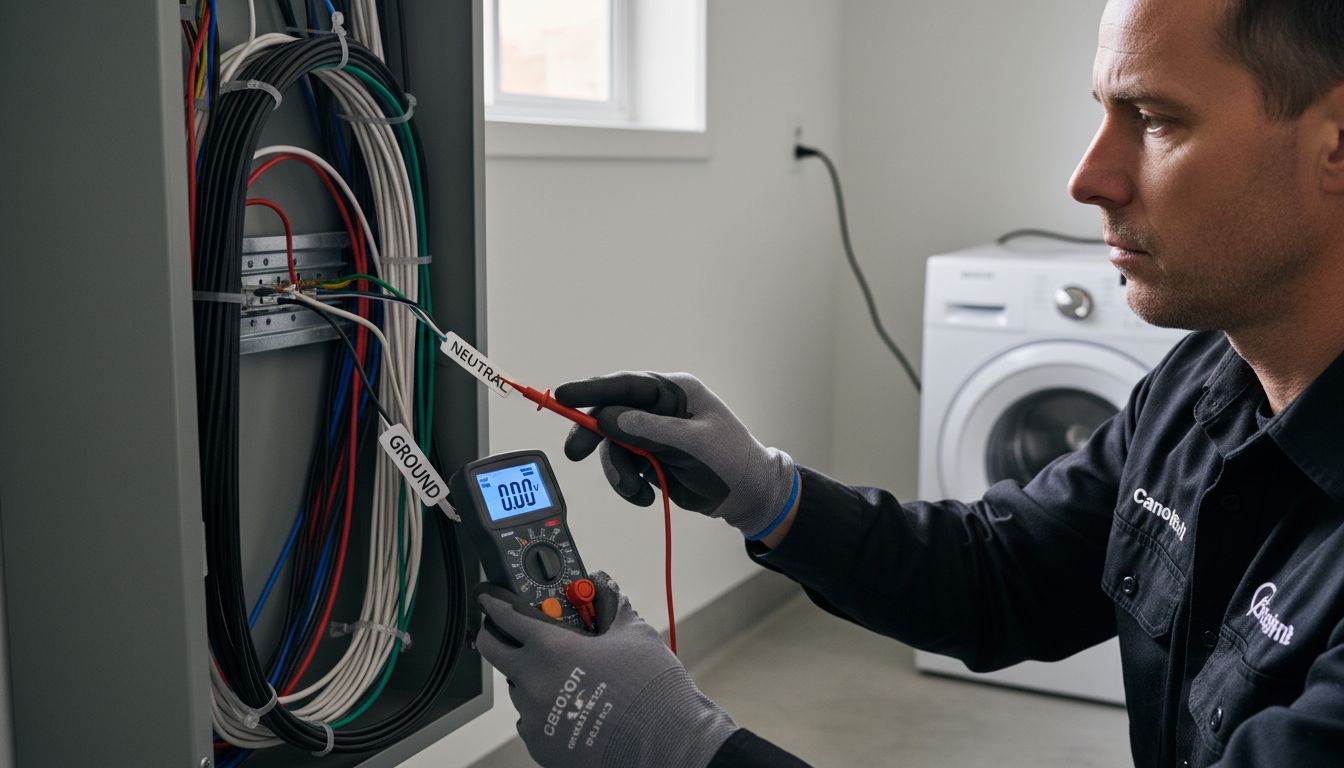
Key electrical terminology you should know includes:
- Voltage: The electrical potential difference that drives current through a circuit
- Amperage: The measure of electrical current flow in a circuit
- Wattage: The total power consumed by an electrical device
- Circuit Breaker: A safety device that interrupts electrical flow during overloads
To ensure your appliances operate safely, our guide on safety in appliance repair provides additional insights into maintaining electrical integrity and preventing potential hazards in your home.
Types of Electrical Circuits and Connections
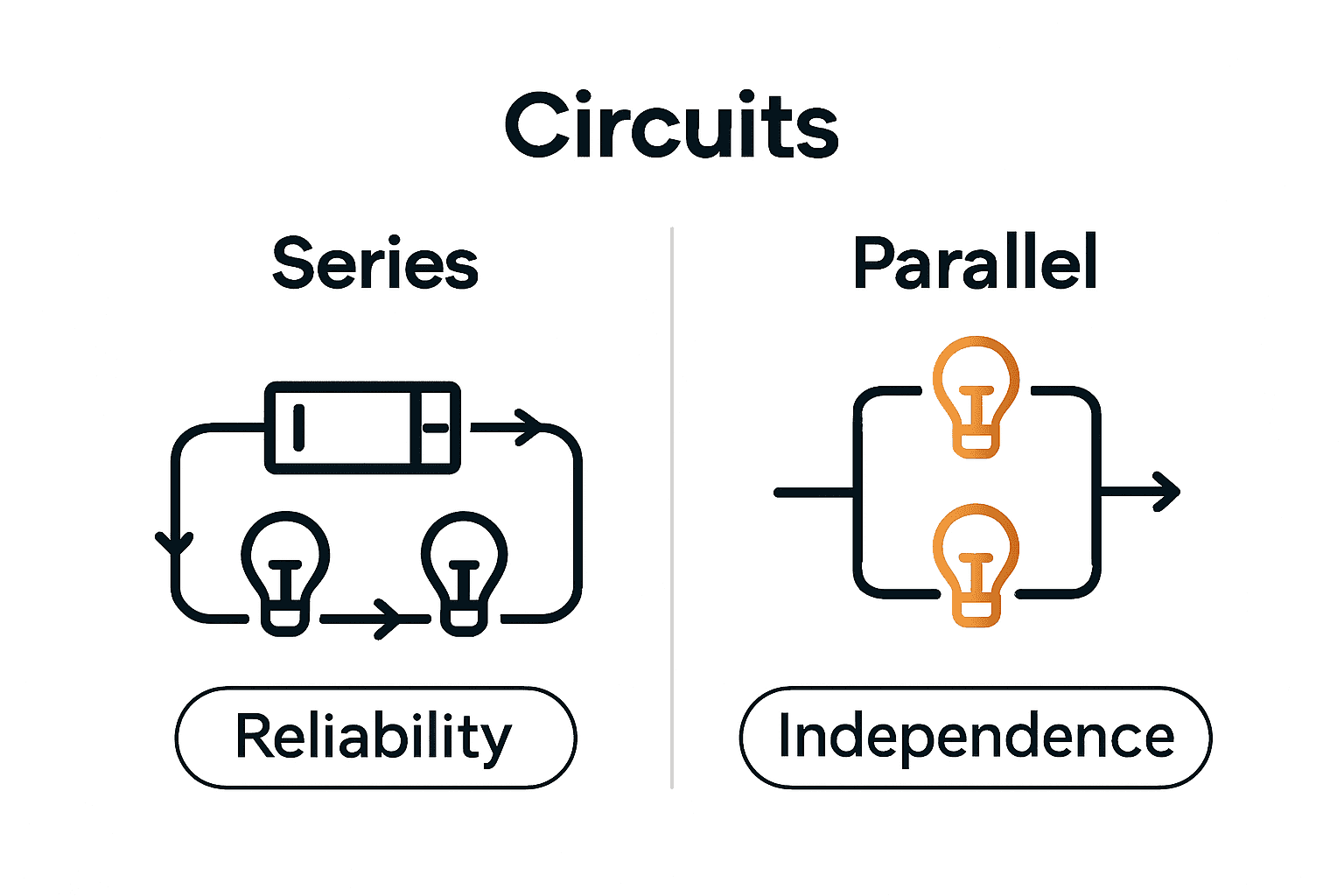
Electrical circuits form the backbone of how appliances function, with two primary configuration types that dramatically impact their performance. According to Wikipedia, electrical circuits can be structured in two fundamental ways: series and parallel configurations. In a series circuit, components are connected end-to-end, meaning the same electrical current flows through each connected device, while parallel circuits connect components across common points, ensuring each device receives the same voltage.
Home appliances typically utilize parallel circuit configurations for more reliable and flexible electrical distribution. This approach allows individual devices to operate independently, so if one appliance malfunctions, others continue functioning normally. Series circuits, while less common in modern home settings, can still be found in specific lighting and electronic applications where consistent current flow is critical.
Another important electrical connection concept is multiway switching, which enables control of electrical loads from multiple locations. Wikipedia explains that multiway switching interconnects two or more switches to manage a single electrical load, commonly used in lighting systems. This allows homeowners to turn lights on or off from different rooms or entry points, providing convenience and flexibility in electrical control.
Key types of electrical connections include:
- Parallel Circuits: Devices connected across common points
- Series Circuits: Components linked end-to-end
- Multiway Switching: Multiple switch control points
- Direct Connections: Straight electrical pathways
- Junction Connections: Multiple circuit intersections
For a deeper understanding of electrical safety and proper appliance connections, our guide on safety in appliance repair offers comprehensive insights into maintaining secure and efficient electrical systems in your home.
How Appliance Wiring and Ratings Work
Appliance wiring is a complex system that ensures electrical devices operate safely and efficiently. According to Wikipedia, one innovative wiring technique is the ring circuit, which allows sockets and distribution points to be connected in a loop. This configuration enables the use of smaller-diameter wires while providing remarkable flexibility in appliance connections, making it an efficient electrical design approach for modern homes.
Wikipedia explains that proper appliance wiring critically depends on connecting the neutral conductor to the ground at the main electrical panel. This connection is fundamental to ensuring safety and proper operation, as it provides a return path for electrical current and prevents potentially dangerous electrical shocks. Homeowners should understand that this grounding mechanism is not just a technical requirement, but a crucial safety feature that protects both people and electrical equipment.
Appliance electrical ratings provide essential information about power requirements and safe operational parameters. These ratings typically include:
- Voltage: Indicates the electrical potential required
- Amperage: Shows the maximum current the appliance can safely draw
- Wattage: Represents the total power consumption
- Frequency: Specifies the electrical cycle standard (e.g., 50/60 Hz)
- Phase: Describes the electrical power system configuration
For comprehensive guidance on maintaining your appliances and understanding their electrical systems, our tutorial on appliance repair offers valuable insights into keeping your home’s electrical infrastructure safe and functional.
Safety Codes and Compliance Requirements
The National Fire Protection Association (NFPA) plays a critical role in establishing electrical safety standards through the National Electrical Code (NEC). This comprehensive set of guidelines provides the definitive framework for safe electrical design, installation, and inspection, ensuring protection for both people and property from potential electrical hazards. The NEC serves as the primary reference for electricians, contractors, and homeowners seeking to maintain the highest levels of electrical safety in residential and commercial settings.
The Occupational Safety and Health Administration (OSHA) provides extensive regulations designed to prevent electrical-related injuries and fatalities. While OSHA’s guidelines are primarily focused on workplace safety, many of their principles directly apply to home electrical systems. These regulations emphasize the importance of proper training, equipment maintenance, and understanding potential electrical risks that can lead to accidents or system failures.
Key safety compliance requirements for electrical systems include:
- Proper Grounding: Ensuring all electrical systems have correct ground connections
- Circuit Protection: Installing appropriate circuit breakers and safety switches
- Insulation Standards: Maintaining adequate wire and equipment insulation
- Regular Inspections: Conducting periodic electrical system assessments
- Qualified Personnel: Using licensed electricians for installation and repairs
For homeowners looking to understand more about maintaining safe electrical systems, our tutorial on appliance repair provides valuable insights into implementing these critical safety standards in your home.
Common Mistakes and Key Safety Risks
Electrical systems in home appliances present numerous potential hazards that can compromise both equipment functionality and personal safety. Overloading circuits remains one of the most frequent and dangerous mistakes homeowners make, occurring when too many high-powered devices draw excessive current from a single electrical outlet or circuit. This can lead to overheating, circuit breaker tripping, or in worst-case scenarios, electrical fires that put your entire home at risk.
Another critical safety risk involves improper grounding and wire connections. Loose or incorrectly installed electrical connections can create significant electrical resistance, generating excess heat and potentially causing short circuits. Homeowners often underestimate the importance of using proper wire gauges, making secure connections, and ensuring all electrical components meet current safety standards. DIY electrical work without proper knowledge can exponentially increase these risks, making professional installation and maintenance crucial.
Common electrical safety mistakes include:
- Daisy-Chaining Power Strips: Overloading outlets with multiple extension devices
- Ignoring Warning Signs: Disregarding flickering lights or burning smells
- Using Damaged Electrical Cords: Continuing to use frayed or worn cables
- Incorrect Appliance Placement: Positioning devices near water sources
- Avoiding Professional Inspections: Neglecting regular electrical system checks
For comprehensive guidance on maintaining safe electrical systems and avoiding these critical mistakes, our tutorial on appliance repair offers valuable insights into protecting your home and family from potential electrical hazards.
Master Your Home Appliance Safety with Expert Help
Understanding key electrical terms like ground, neutral, and circuit breakers can feel overwhelming but they are essential to keep your home safe. If you are concerned about wiring, proper connections, or avoiding common electrical mistakes highlighted in this guide, you do not have to face these challenges alone. Overloading circuits, improper grounding, and unsafe repairs can risk your entire household. We are here to provide professional solutions built on trust and safety.

Take control of your appliance electrical safety today by connecting with the licensed technicians at MDTech Services. With years of experience in residential appliance repair and installation in Orange County and Los Angeles County, we understand how crucial correct wiring and electrical compliance are for your peace of mind. Visit MDTech Services now to schedule expert repairs or inspections that protect your home and family. Don’t wait for an electrical hazard to become a major problem. Learn more about safe appliance maintenance in our detailed appliance repair tutorial and discover how our responsive team delivers fast, reliable service you can count on.
Frequently Asked Questions
What is the difference between ground and neutral in electrical systems?
Ground refers to a reference point in an electrical circuit that provides a common return path for electric current, while neutral is a circuit conductor that carries current back to its source, usually connected to the ground at the main electrical panel.
What are the main types of electrical circuits used in appliances?
The two primary types of electrical circuits used in appliances are series circuits, where components are connected end-to-end, and parallel circuits, where devices are connected across common points, allowing them to operate independently.
Why is it important to understand appliance electrical ratings?
Understanding appliance electrical ratings such as voltage, amperage, wattage, frequency, and phase is crucial for ensuring safe operation and proper power requirements for household appliances.
What are the common mistakes homeowners make regarding appliance safety?
Common mistakes include overloading circuits, improper grounding and wire connections, ignoring warning signs like flickering lights, using damaged electrical cords, and avoiding professional inspections.