
Hiring an unlicensed technician might seem like a smart way to save money on home repairs, but this common misconception can lead to dangerous outcomes and expensive mistakes. When your refrigerator breaks down or your HVAC system fails, the temptation to choose the cheapest option is understandable. However, unlicensed workers lack the training, insurance, and accountability that protect your home and family. Licensed technicians bring verified expertise, legal compliance, and safety standards that unlicensed workers simply cannot match. This guide explains why choosing licensed professionals for appliance repair, HVAC services, and plumbing work in Orange and Los Angeles County is essential for protecting your investment and ensuring reliable, code-compliant results.
Table of Contents
- Key takeaways
- Understanding licensed technicians: training, certification, and regulation
- The safety and financial risks of hiring unlicensed technicians
- How licensed technicians improve appliance reliability and code compliance
- Verifying licenses and choosing the right licensed technician in Orange and Los Angeles Counties
- Explore trusted licensed technician services
- Frequently asked questions
Key Takeaways
| Point | Details |
|---|---|
| Rigorous training and insurance | Licensed technicians complete rigorous training and maintain insurance to protect homeowners from costly mistakes. |
| Unlicensed work risks | Hiring unlicensed workers creates safety hazards and can void homeowners insurance coverage. |
| Verify licenses with CSLB | Verifying licenses through the California Contractors State License Board helps you avoid legal and financial problems while ensuring work meets safety standards. |
| Accountability and compliance | Licensed professionals are regulated and must carry bonds and liability insurance to provide recourse if work is faulty. |
Understanding licensed technicians: training, certification, and regulation
California requires extensive preparation before technicians can legally work on your home systems. Licensed technicians complete rigorous training and exams to ensure they understand complex safety protocols and building codes. This process protects homeowners from the serious consequences of improper installations and repairs.
The path to becoming a licensed HVAC technician in California includes specific requirements:
- Four years of journeyman experience working under supervision
- Passing the C-20 contractor exam covering mechanical systems and safety codes
- Demonstrating knowledge of refrigerant handling and environmental regulations
- Meeting continuing education requirements to maintain current licensing
Plumbers face similarly demanding standards to earn their C-36 license. They must master both water supply systems and gas line installations, two areas where mistakes can be catastrophic. The state exam tests their understanding of pressure calculations, material compatibility, and emergency shutoff procedures. These requirements exist because California building safety codes are among the strictest in the nation, designed to protect residents from preventable disasters.
Ongoing education keeps licensed professionals updated on code changes that occur regularly. A technique that was acceptable five years ago might now violate current standards. Licensed technicians attend mandatory training sessions covering new materials, updated safety protocols, and emerging technologies. This continuous learning ensures they can properly install modern high-efficiency appliances and smart home systems.
Pro Tip: Ask to see both the physical license card and verify the number online through CSLB. Some unlicensed workers carry fake credentials or use expired license numbers to appear legitimate.
The role of licensed technicians extends beyond technical skills to include understanding liability and insurance requirements. Licensed contractors must maintain minimum bond amounts and liability coverage, creating a financial safety net for homeowners. This regulatory framework means you have legal recourse if work is performed incorrectly, something completely unavailable with unlicensed workers.
State licensing boards actively investigate complaints and can suspend or revoke licenses for substandard work. This accountability system motivates licensed technicians to maintain high standards. Unlicensed workers face no such oversight, leaving homeowners with no protection when things go wrong.
The safety and financial risks of hiring unlicensed technicians
The decision to hire unlicensed workers creates immediate and long-term dangers that far outweigh any initial savings. Unlicensed work creates safety hazards like gas leaks, fires, floods, and carbon monoxide poisoning because these workers lack proper training in critical safety systems. What seems like a minor repair can become a life-threatening situation when performed incorrectly.
Plumbing failures from unlicensed work occur at significantly higher rates:
- Studies show 25-40% higher failure rates in plumbing systems installed by unlicensed workers
- Improper pipe connections lead to slow leaks that cause hidden water damage over months
- Incorrect pressure calculations result in burst pipes during normal use
- Substandard materials chosen to cut costs fail prematurely
Gas line work presents the most severe risks when performed by unlicensed technicians. Converting appliances from LP to natural gas requires precise calculations and specific components. An unlicensed worker might complete the conversion without detecting a small leak that fills your home with explosive gas over time. Professional licensed technicians use calibrated detection equipment and follow strict testing protocols that unlicensed workers typically skip.
Your homeowner’s insurance policy likely contains clauses that void coverage for damages resulting from unlicensed work. Insurance companies investigate claims carefully, and when they discover an unlicensed contractor performed the work that caused damage, they deny the claim entirely. You become personally liable for all costs, including damage to your property and any injuries that occur.
“Homeowners who hire unlicensed contractors assume all financial responsibility for accidents, injuries, and property damage because these workers carry no insurance or bonds. A single incident can cost tens of thousands of dollars out of pocket.”
Unlicensed workers rarely carry workers’ compensation insurance. If they injure themselves on your property, you could face a lawsuit for medical expenses and lost wages. Licensed contractors maintain this coverage as a legal requirement, protecting you from liability if accidents occur during work.
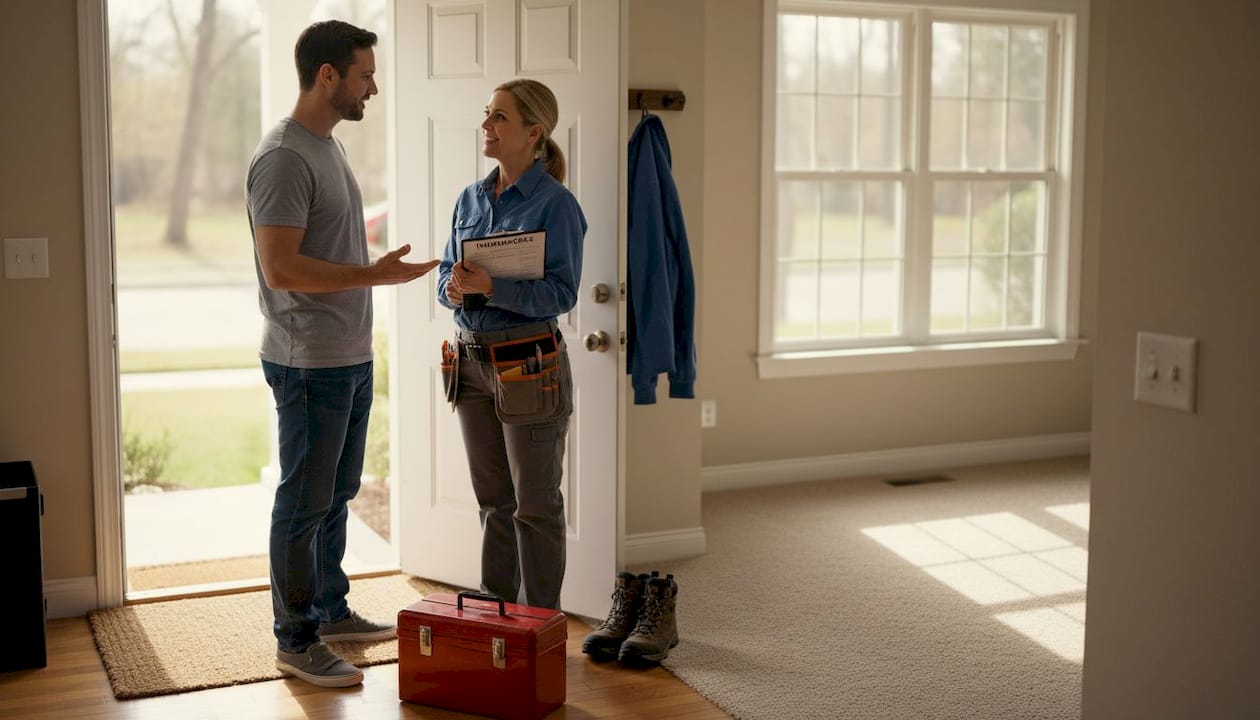
The CSLB warns homeowners about the legal and financial consequences of hiring unlicensed contractors. Beyond immediate safety risks, you may face fines for allowing unpermitted work and difficulty selling your home if inspections reveal code violations. Future buyers can demand repairs or price reductions when they discover non-compliant installations.
Many homeowners discover problems only after moving into a home where previous owners used unlicensed workers. Hidden electrical issues, improper venting, and substandard plumbing create ongoing problems that require expensive corrections. Understanding why use certified technicians helps you avoid inheriting these costly mistakes.
How licensed technicians improve appliance reliability and code compliance
Research demonstrates measurable benefits when licensed professionals handle appliance installations and repairs. Licensed plumbers improve appliance reliability by approximately 70% compared to unlicensed installations, a substantial difference that translates to fewer breakdowns and longer equipment life. This improvement stems from proper installation techniques, correct material selection, and adherence to manufacturer specifications.
| Installation Factor | Licensed Technician | Unlicensed Worker |
|---|---|---|
| Code compliance rate | 95-98% | 60-70% |
| Proper material use | Manufacturer specified | Often substituted |
| Warranty validity | Maintained | Frequently voided |
| Average repair lifespan | 8-12 years | 3-5 years |
| Permit acquisition | Standard practice | Rarely obtained |
California building codes governing gas, electrical, and water systems are complex and updated regularly. Licensed technicians study these codes extensively and understand how different systems interact. They know that a gas line installation affects ventilation requirements, which impacts carbon monoxide safety. Unlicensed workers typically lack this comprehensive understanding and may complete one aspect correctly while creating problems elsewhere.
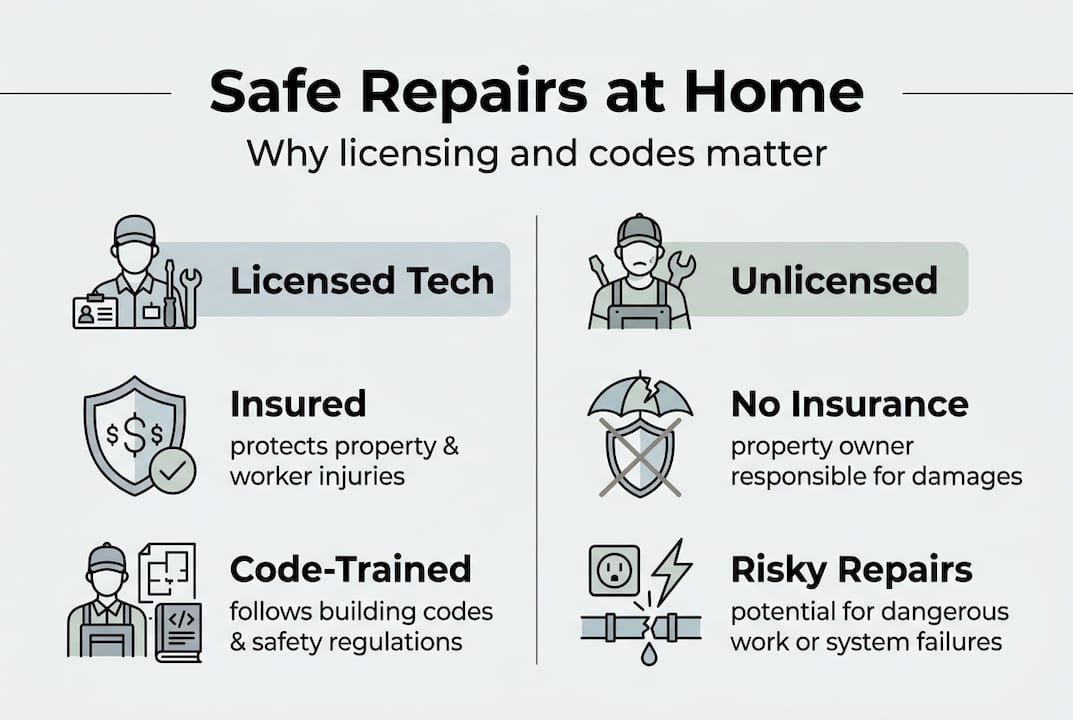
Pro Tip: Request copies of permits for any major appliance installation or HVAC work. Licensed contractors obtain permits routinely, while unlicensed workers avoid this step because they cannot legally pull permits.
The debate about licensing’s impact on consumer outcomes continues in academic circles, with some studies questioning whether licensing reduces injury rates in all trades. However, research consistently shows stronger consumer protection and satisfaction with licensed professionals. Homeowners report fewer callbacks, longer-lasting repairs, and better communication when working with licensed technicians.
Licensed professionals typically maintain relationships with quality suppliers and stock appropriate parts for repairs. They use manufacturer-approved components that meet warranty requirements, ensuring your appliance coverage remains valid. Unlicensed workers often source cheaper aftermarket parts that may fit physically but lack the durability and safety features of original equipment.
The licensed plumber impact on appliance reliability extends to preventive maintenance recommendations. Licensed technicians spot potential problems during routine service and can advise you on maintenance schedules that prevent costly breakdowns. Their training includes understanding how different appliances age and which components typically fail first.
Code compliance protects your home’s resale value significantly. When you eventually sell, home inspectors examine major systems carefully. Unpermitted work or code violations discovered during inspection can derail sales or force price reductions. Licensed contractors document their work properly, providing records that satisfy inspectors and reassure buyers.
Modern appliances include sophisticated electronic controls and energy-efficient components that require specific installation procedures. Licensed technicians receive training on these advanced systems, while unlicensed workers may lack understanding of proper setup sequences. Incorrect installation of smart appliances can prevent them from achieving rated efficiency levels, costing you money on utility bills indefinitely.
Verifying licenses and choosing the right licensed technician in Orange and Los Angeles Counties
Protecting yourself from unlicensed contractors requires active verification before work begins. Homeowners should verify licenses via CSLB to confirm credentials and check for complaints or disciplinary actions. This simple step prevents most problems associated with unlicensed work.
Follow these steps to verify contractor credentials properly:
- Request the contractor’s license number before signing any agreement
- Visit the CSLB website and use their license lookup tool
- Verify the license is active and matches the contractor’s name exactly
- Check the classification to ensure it covers the work you need
- Review any complaints or disciplinary actions on record
- Confirm the license expiration date is current
- Ask for proof of liability insurance and workers’ compensation coverage
California law allows unlicensed individuals to perform work valued under $500, including labor and materials. This exception applies to minor repairs but becomes risky for anything involving gas lines, electrical systems, or major plumbing. Even simple-seeming jobs can reveal larger problems that require licensed expertise to address safely.
| Comparison Factor | Licensed Technician | Unlicensed Worker |
|---|---|---|
| Legal accountability | State board oversight | None |
| Insurance coverage | Required minimum $25,000 bond | Typically none |
| Permit acquisition | Standard for major work | Cannot obtain |
| Warranty protection | Work guaranteed | No recourse |
| Code knowledge | Tested and verified | Variable or absent |
| Cost | Higher upfront | Lower initially, higher long-term |
Red flags that indicate an unlicensed or problematic contractor include reluctance to provide a license number, pressure to start work immediately without permits, requests for full payment upfront, and unwillingness to provide written estimates. Licensed professionals understand homeowners need time to verify credentials and compare quotes.
The CSLB provides guidance on hiring contractors that includes checking references and getting multiple bids. Licensed contractors should readily provide references from recent jobs similar to yours. Contact these references and ask specific questions about timeliness, cleanup, and how the contractor handled unexpected problems.
Mid-range repair costs in Orange and Los Angeles Counties vary by job complexity, but licensed contractors typically charge 20-30% more than unlicensed workers. This premium pays for insurance, proper permits, quality materials, and accountability. When you factor in the reduced risk of callbacks, insurance claim denials, and safety hazards, licensed work proves more economical.
Some contractors hold licenses but operate outside their classification. A C-10 electrical contractor cannot legally perform plumbing work, even if they have relevant experience. Verify the license classification matches your specific needs. The CSLB website lists which classifications cover different types of work.
Understanding how to verify a licensed plumber helps you navigate the verification process efficiently. The CSLB database updates regularly and includes information about license status, bond coverage, and workers’ compensation insurance. Take screenshots of this information for your records before work begins.
Explore trusted licensed technician services
Now that you understand the critical importance of hiring licensed professionals, you can make informed decisions about your home repairs. MDTech Services connects Orange and Los Angeles County homeowners with licensed technicians who prioritize safety, reliability, and code compliance for every job.

Whether you need appliance repair, HVAC maintenance, or plumbing services, working with licensed professionals protects your investment and ensures long-lasting results. Our comprehensive appliance troubleshooting guide helps you identify common issues before calling for service. For heating and cooling concerns, explore our detailed HVAC repair guide covering system diagnostics and maintenance schedules. Learn the essential steps to verify a licensed plumber and ensure your home systems receive expert care that meets California’s strict safety standards.
Frequently asked questions
What qualifications define a licensed technician in California?
Licensed technicians complete extensive training, apprenticeships, exams, and continuing education before earning their credentials. HVAC technicians need four years of experience plus passing the C-20 exam, while plumbers must pass the C-36 certification covering gas and water systems. Ongoing education requirements ensure they stay current with code changes and new technologies.
Are there situations where hiring unlicensed workers is acceptable?
California law permits unlicensed handymen to work on jobs under $500 total value, including materials and labor. However, this exception should not apply to complex work involving gas lines, electrical systems, or major plumbing repairs. Any work requiring permits must be performed by properly licensed contractors to ensure safety and code compliance.
How can I verify if a technician is properly licensed?
Use the CSLB online license lookup tool to verify contractor credentials before hiring. Enter the license number or business name to check active status, classification, bond coverage, and complaint history. This verification takes only minutes but protects you from hiring unlicensed or disciplined contractors who might perform substandard work.
What are the insurance benefits of hiring licensed technicians?
Licensed technicians maintain minimum $25,000 bonds and liability insurance that protect homeowners from financial losses due to faulty work or accidents. This coverage ensures you have recourse if problems arise, while unlicensed work typically voids homeowner insurance claims. Licensed contractors also carry workers’ compensation insurance, protecting you from liability if injuries occur on your property during repairs.