
Few experiences are more stressful than a malfunctioning heater on a chilly Orange County night or a broken appliance before a big family gathering in Los Angeles. Nothing matters more than hiring a licensed technician who meets strict California requirements to keep your home safe and functional. When you know what defines a licensed professional, you can trust that every repair, installation, or conversion protects your investment, your loved ones, and your peace of mind.
Table of Contents
- Defining Licensed Technicians In Home Services
- Types Of Residential Technician Licenses In California
- Qualifications And Certification Requirements Explained
- Legal And Safety Standards For Home Repairs
- Responsibilities And Liabilities Of Licensed Technicians
Key Takeaways
| Point | Details |
|---|---|
| Licensed Technicians Have Official Credentials | They complete rigorous education, training, and testing to ensure safety and compliance with codes. |
| Hiring Licensed Technicians Provides Consumer Protection | Licensed workers carry liability insurance and follow safety protocols, offering legal recourse if issues arise. |
| California Has Specific Licensing Requirements | Different licenses exist for various trades, ensuring technicians are qualified for the work they perform. |
| Ongoing Education Is Essential for Technicians | Continuing education keeps licensed professionals updated on new regulations and safety standards. |
Defining Licensed Technicians in Home Services
A licensed technician is someone who has met specific education, training, and testing requirements set by state regulations to perform specialized work in your home. These individuals hold official credentials that prove they understand safety codes, best practices, and proper procedures for their trade. Whether you need HVAC repairs, appliance installation, or gas conversion work, a licensed technician brings legal authority and accountability to the job.
Professional licensure in the United States is regulated primarily by state governments, not federal agencies. This means requirements vary between California, Nevada, and other states. In Orange and Los Angeles County, technicians working on gas appliances, electrical systems, or HVAC equipment must hold current state licenses and often local permits before touching your home.
What sets licensed technicians apart from unlicensed workers? They’ve completed apprenticeships, logged required work hours, passed written exams, and maintained continuing education. State-by-state licensing requirements ensure technicians stay current with evolving codes and safety standards. When someone claims to be licensed, you can verify their credentials with your state’s licensing board.
The licensing process protects you directly. A licensed technician carries liability insurance, follows safety protocols, and guarantees their work meets code. If something goes wrong, you have legal recourse. When you choose someone without proper credentials, you assume all risk and lose consumer protections.
Below is a comparison of risks and protections when hiring licensed vs. unlicensed technicians:
| Factor | Licensed Technician | Unlicensed Worker |
|---|---|---|
| Legal Accountability | Holds liability and must meet codes | No enforceable accountability |
| Insurance Coverage | Carries required liability insurance | No insurance; homeowner bears risk |
| Quality Assurance | Follows industry and safety standards | No guarantee of code compliance |
| Consumer Protection | You have legal recourse for disputes | Limited or no protection available |
When hiring for urgent repairs or installations, always ask to see current licenses and insurance certificates. Ask how long they’ve been licensed in California and whether they specialize in your specific appliance or system. A legitimate technician welcomes verification questions because their credentials are legitimate.
Pro tip: Before booking any repair or installation service, verify the technician’s license number directly with the California Department of Consumer Affairs or your local city licensing department, which takes just minutes online.
Types of Residential Technician Licenses in California
California doesn’t use a one-size-fits-all approach to licensing home service technicians. Instead, the state issues different license types based on the specific work being performed. Understanding which license applies to your repair situation helps you verify that your technician is legally authorized to do the job.
HVAC and Refrigeration Licenses
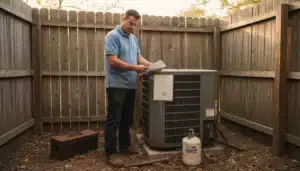
Technicians working on heating, cooling, and refrigeration systems need specialized certification. A Refrigeration Contractor license allows technicians to legally install, repair, and maintain air conditioning and heating units. This is the credential you should verify when hiring someone for HVAC work in Orange or Los Angeles County.
Plumbing and Gas Technician Licenses
Plumbers in California hold specific licenses that authorize them to work with water systems and gas lines. Gas conversion work, like converting appliances from LP to natural gas, requires a licensed technician. The scope of their license determines whether they can handle your specific installation or repair.
Electrician Licenses
Electricians must pass rigorous exams and apprenticeships to earn their license. California recognizes different levels including apprentices, journey workers, and master electricians. When you need electrical work for appliance installation, make sure your technician holds an active electrician’s license.
General Contractor and Specialty Licenses
California issues various residential technician licenses through the Contractors State License Board. General Building Contractors and Residential Remodeling Contractors hold broader licenses covering multiple trades. Specialty licenses exist for specific work types, ensuring technicians meet focused training requirements for their trade.
Each license class defines exactly what work a technician can legally perform. Hiring someone licensed for their specific task protects you legally and ensures they have proper training for the job.
Here’s a summary of California home service technician license types and what they allow:
| License Type | Scope of Work | Typical Credentials Required |
|---|---|---|
| HVAC/Refrigeration Contractor | Install, repair, maintain HVAC systems | Specialized certification, exam, EPA cert |
| Plumbing/Gas Technician | Service water systems, gas lines, conversions | Plumbing license, gas-specific training |
| Electrician | Wire, install, and repair electrical systems | Apprentice to master license levels |
| General/Specialty Contractor | Oversee projects, multiple trades, specialties | General or specialty contractor license |
Pro tip: Search the Contractors State License Board website by license number to instantly verify any technician’s credentials, license status, and complaint history before scheduling service.
Qualifications and Certification Requirements Explained
Licensed technicians don’t just show up with tools and hope for the best. They’ve completed formal education, logged thousands of hours in apprenticeships, and passed comprehensive exams. Understanding what these requirements actually involve helps you trust that the person working on your appliances or HVAC system has real expertise.
Apprenticeship and On-the-Job Training
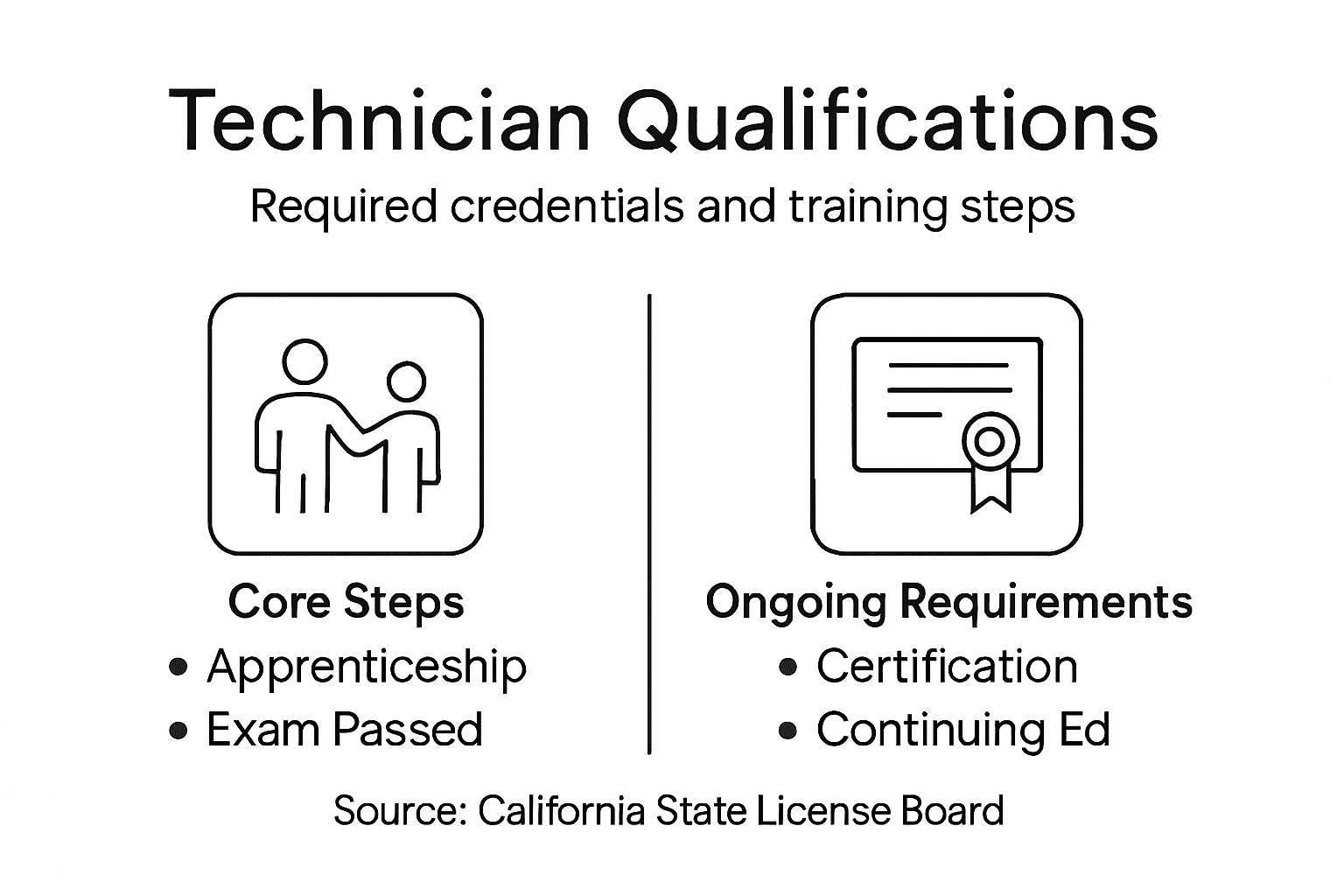
Most technicians start as apprentices working under experienced professionals. This hands-on training typically lasts three to five years and covers practical skills, safety protocols, and industry standards. During apprenticeship, they learn the actual problems homeowners face and how to solve them correctly the first time.
Classroom Education and Coursework
Theory matters just as much as practice. Technicians complete classroom instruction covering electrical theory, gas regulations, building codes, and safety procedures. This education ensures they understand the why behind procedures, not just the how. When something goes wrong, a properly trained technician knows how to diagnose and fix it.
EPA Certification for HVAC Technicians
EPA Section 608 Technician Certification is mandatory for anyone handling refrigerants in air conditioning or heating systems. Technicians must pass an EPA-approved exam covering environmental regulations, safety protocols, and technical knowledge. This federal requirement protects both the environment and your home from dangerous refrigerant mishandling.
Specialized Trade Certifications
Beyond basic licensing, technicians pursue specialized credentials. Programs like CAMT certification require a minimum of 12 months of documented experience plus successful completion of coursework and exams. These certifications demonstrate commitment to customer service, safety compliance, and professional standards beyond minimum requirements.
Continuing Education Requirements
California requires licensed technicians to complete continuing education hours every renewal period. This keeps them updated on new equipment, changing codes, and evolving safety standards. A technician who maintains their credentials stays current with industry best practices.
Pro tip: Ask potential technicians about their specific certifications and when they completed their most recent continuing education, as this shows they stay current with the latest safety standards and technologies.
Legal and Safety Standards for Home Repairs
Home repairs aren’t just about fixing what’s broken. They’re governed by strict legal standards designed to keep you and your family safe. Licensed technicians follow these regulations because they’re legally required to, and more importantly, because these rules prevent injuries, fires, and structural failures.
Building Codes and Local Compliance
Modern building codes like the International Residential Code provide detailed requirements for home construction and repairs. These codes focus on life safety and hazard mitigation, covering everything from electrical systems to plumbing installations. Orange and Los Angeles County enforce these codes at the local level, which means your technician must comply with specific regional requirements.
Why Codes Matter to You
Building codes exist because people have been injured or killed by improper repairs. They specify fire protection standards, structural integrity requirements, and hazard safeguards. When a licensed technician follows these codes, they’re not just following rules. They’re applying lessons learned from past failures to protect your home.
Workplace Safety During Repairs
OSHA Safety and Health Regulations for Construction impose strict standards for repair work environments. These include fall protection, machinery safety, and hazard communication. Licensed technicians trained in these regulations know how to work safely without putting themselves or your family at risk.
Liability and Insurance Requirements
Licensed technicians carry liability insurance because the law requires it. This protects you if something goes wrong during the repair. When work violates safety standards, your homeowner’s insurance may not cover damages. Hiring unlicensed workers shifts all risk to you.
Gas and Electrical Work Standards
Gas conversions and electrical installations have particularly strict regulations. One mistake can cause fires, carbon monoxide poisoning, or electrocution. Appliance safety tips help you understand what proper installation looks like and why trained technicians are non-negotiable for these jobs.
Pro tip: Before hiring any technician, ask them to explain which specific codes apply to your project and request a copy of the completed work to verify code compliance.
Responsibilities and Liabilities of Licensed Technicians
When you hire a licensed technician, you’re not just getting someone with a credential hanging on their wall. You’re hiring someone who carries legal responsibilities and personal liability for their work. Understanding what these responsibilities mean protects you and ensures you know what to expect.
Legal Obligation to Follow Building Codes
Licensed home improvement contractors must hold valid licenses to contract for residential repair work. This isn’t optional. Operating without a license results in severe penalties, including inability to collect payment and criminal liability. For you, this means a licensed technician has legal skin in the game and must comply with building codes by law.
Quality and Safety Accountability
Licensed technicians are responsible for diagnosing problems correctly and performing repairs to industry standards. If their diagnosis is wrong or their work doesn’t meet code, they bear liability for damage or injuries. This accountability creates powerful incentive to do the job right the first time.
Performance and Communication Standards
Technicians have direct responsibility to perform preventive maintenance, diagnose equipment malfunctions, and communicate effectively with clients. They must explain what’s wrong, what they’re fixing, and why. Good communication protects both parties by preventing misunderstandings about scope of work and expected outcomes.
Insurance Coverage and Financial Protection
Licensed technicians carry liability insurance protecting you if their work causes property damage or injury. This insurance exists because the law requires it. When someone works unlicensed, there’s no insurance backing their work, leaving you responsible for all damages.
Warranty and Guarantee Obligations
Most licensed technicians provide warranties on their work, whether replacing refrigerator compressors or installing water heaters. They stand behind repairs because they’re legally accountable. This creates a direct path for you to seek remedies if something goes wrong after completion.
Pro tip: Get a written agreement before work begins that specifies warranty length, what’s covered, and how disputes will be resolved.
Trust Licensed Technicians for Safe and Reliable Home Repairs
When it comes to critical home services like appliance repair, HVAC maintenance, or gas conversions, hiring a licensed technician is essential for your safety and peace of mind. This article highlights the risks of unlicensed work and the strict legal and safety standards licensed technicians must follow. At MDTech Services, we understand these challenges and have built our reputation on delivering expert, licensed, and insured technicians who adhere to California’s rigorous codes and regulations.
Choosing MDTech Services means you get:
- Certified expertise in residential appliance installation and repair including brands like Sears
- Skilled professionals specially licensed for HVAC repair, plumbing, and gas appliance conversions
- Full legal accountability, insurance coverage, and compliance with all safety standards in Orange County and Los Angeles County

Don’t risk faulty repairs or liability from unlicensed work. Experience responsive, reliable, and safety-first service now with MDTech Services. Verify our credentials and book your appointment online today to protect your home and family. Learn more about our expertise in HVAC and appliance repairs and take control of your home’s safety by working with true licensed professionals.
Frequently Asked Questions
What is the importance of hiring a licensed technician for home repairs?
Hiring a licensed technician ensures that the work is performed safely and in accordance with local building codes. They have the training and legal accountability to handle specialized tasks correctly, minimizing risks associated with unqualified work.
How can I verify a technician’s license?
You can verify a technician’s license by checking with your state’s licensing board or the local city licensing department. Most states have online databases where you can search by license number to confirm their credentials and status.
What qualifications do licensed technicians typically have?
Licensed technicians usually complete formal education and extensive apprenticeships, pass rigorous exams, and maintain certifications. They also must fulfill continuing education requirements to stay current with evolving safety standards and codes.
What is the risk of hiring an unlicensed worker?
Hiring an unlicensed worker can expose you to potential safety hazards, lack of quality assurance, and limited consumer protection. If something goes wrong, you may have no legal recourse or warranty for the work performed.