
TL;DR:
- California law requires landlords to provide and maintain working stoves and refrigerators.
- Proper documentation at move-in safeguards against disputes and legal liabilities.
- Scheduled appliance maintenance extends lifespan, reduces costs, and improves tenant satisfaction.
Managing rental properties in Orange County and Los Angeles County means juggling legal requirements, tenant expectations, and ongoing maintenance, all at once. California’s AB 628 now requires landlords to provide and maintain working stoves and refrigerators as part of basic habitability standards, raising the stakes for property owners who rely on memory or informal systems. A structured appliance checklist is no longer optional. It protects you legally, reduces repair emergencies, and keeps tenants satisfied enough to renew. This article walks you through what appliances to include, how to document them, and how to keep them running reliably.
Table of Contents
- Understand California’s appliance requirements for rentals
- Core appliances: What every rental property should provide
- Documenting and testing appliances: Move-in checklist essentials
- Scheduling maintenance: Keeping appliances reliable and tenants happy
- Why a checklist approach outperforms intuition for appliance management
- Need expert help with appliance installation, repair, or maintenance?
- Frequently asked questions
Key Takeaways
| Point | Details |
|---|---|
| Compliance is critical | California laws require landlords to install and maintain key appliances for rental units. |
| Checklists reduce risk | Documented checklists and photos help prevent disputes and protect property owners. |
| Routine maintenance pays off | Regular checks and preventive service keep appliances reliable and tenants satisfied. |
| Professional help is available | Expert services streamline appliance installation, repair, and ongoing maintenance. |
Understand California’s appliance requirements for rentals
California AB 628 changed the rules for rental property owners across the state. Under this law, landlords must provide a working stove and refrigerator in most residential rental units, along with the obligation to maintain and repair those appliances throughout the tenancy. This applies broadly to standard residential leases in Orange County and Los Angeles County, though there are specific edge cases worth knowing.
One important exception involves tenant-supplied refrigerators. If a tenant provides their own refrigerator and this is documented in the lease with a clear written agreement, the landlord is generally not required to supply one. However, the agreement must be explicit. A verbal understanding will not protect you in a dispute. This is one area where precise lease language makes a real difference.
Recall obligations also fall on the landlord under AB 628. If a stove or refrigerator is subject to a manufacturer’s safety recall, you are responsible for taking corrective action promptly. Ignoring a recall notice is not only a safety risk, it is also a legal liability.
Here is what AB 628 compliance generally requires you to track:
- A working stove with all burners or heating elements functional
- A working refrigerator that maintains safe food storage temperatures
- Documented responses to any recall notices for covered appliances
- Written lease terms if a tenant supplies their own refrigerator
- Records of all repairs and service calls for covered appliances
Pro Tip: Use the appliance prep checklist for tenants to cross-reference your legal obligations with practical move-in steps, so nothing gets missed before a new tenant takes occupancy.
Documentation is the backbone of compliance. Keep a dedicated file for each rental unit that includes appliance model numbers, purchase dates, service records, and copies of any recall correspondence. If a dispute arises later, that file is your best defense.
Core appliances: What every rental property should provide
Not all appliances carry the same weight in a rental. Some are legally required, while others simply make your property more competitive and reduce turnover.
Mandatory appliances (required under AB 628 for most California rentals):
- Stove or range with functional burners and oven
- Refrigerator that maintains safe temperatures (generally 40°F or below)
Value-add appliances that improve tenant satisfaction and reduce vacancy:
- Dishwasher
- Microwave or range hood
- Washer and dryer (in-unit or shared)
- Garbage disposal
As noted by California rental law, landlords must provide and maintain stoves and refrigerators, while additional appliances improve tenant satisfaction and give your property an edge in a competitive market.
For each appliance you provide, document the following before move-in:
- Brand and model name
- Serial number
- Working condition (tested, not just assumed)
- Visible condition (scratches, dents, missing parts)
- Photo reference number linked to your file
A working appliance on move-in day is the baseline. What separates a well-managed property from a problem property is whether you can prove it was working and document what changed over time.
For stoves, confirm all burners ignite, the oven heats correctly, and the controls are readable. For refrigerators, verify the temperature, door seals, and ice maker if applicable. Following thorough appliance inspection steps ensures you catch issues before a tenant reports them as existing damage.
Pro Tip: Review your full appliance safety checklist before every move-in. Safety issues like frayed cords, gas leaks, or faulty ignitions should be resolved before keys change hands, not after.
Reliability matters as much as legality. Mid-range appliances from established brands tend to offer the best balance of durability and affordable repair parts. Avoid the temptation to install the cheapest available units. Repair costs and tenant complaints often cost more than the savings.
Documenting and testing appliances: Move-in checklist essentials
Proper move-in documentation is your single best protection against deposit disputes and false damage claims. A well-run appliance safety inspection guide will save you time and legal costs down the road.
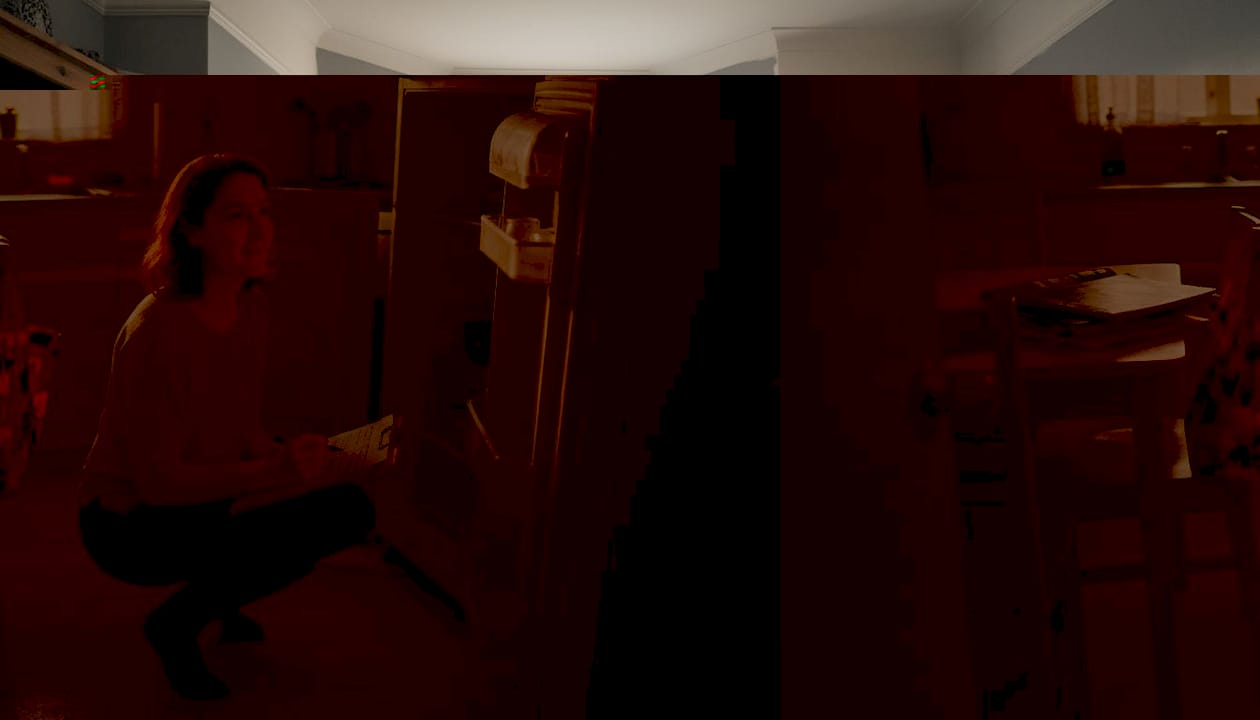
As property management professionals confirm, proper documentation and testing of appliance conditions at move-in minimize disputes and establish a clear baseline for both landlord and tenant.
Follow these steps for every move-in:
- Test each appliance physically, not just visually. Turn on burners, run the refrigerator for 30 minutes and check temperature, run the dishwasher through one cycle.
- Record the make, model, and serial number for every appliance in the unit.
- Take date-stamped photos from multiple angles, including close-ups of any pre-existing wear.
- Have the tenant sign the checklist at move-in to confirm the recorded conditions.
- Store the checklist, photos, and serial number log in a dedicated file for that unit.
Here is a simple table format for your appliance records:
| Appliance | Brand and model | Serial number | Test result | Photo reference |
|---|---|---|---|---|
| Stove | Example Brand X200 | SN-00123 | All burners functional | Photo 01 |
| Refrigerator | Example Brand R40 | SN-00456 | Temp 38°F, seals intact | Photo 02 |
| Dishwasher | Example Brand D10 | SN-00789 | Cycle completed, no leaks | Photo 03 |
| Microwave | Example Brand M5 | SN-00321 | Heated food evenly | Photo 04 |
Using a consistent format like this makes it easy to compare conditions at move-out. Your appliance maintenance checklist can serve as a companion document to track ongoing repairs and service history between tenancies.
One detail many landlords overlook: use a cloud-based or backed-up storage system for photos and records. Physical files can be lost. Digital records with time stamps are far more defensible and easier to retrieve when needed.
Scheduling maintenance: Keeping appliances reliable and tenants happy
Move-in documentation sets the baseline. A scheduled maintenance plan keeps appliances running well between tenancies and prevents the kind of sudden breakdowns that generate urgent repair calls and frustrated tenants.
Preventive maintenance and routine appliance schedules lower the number of emergency repair calls and are linked to higher tenant satisfaction rates. The math is straightforward. A refrigerator with clean coils and a tested door seal lasts years longer than one that is only serviced when it stops working.
There are three levels of maintenance to build into your workflow:
- Baseline test: Performed at move-in and move-out. Confirms all appliances are fully functional and records current condition.
- Routine check: Performed quarterly or semi-annually. Includes cleaning coils, checking filters, testing controls, and noting any performance changes.
- Annual service: A licensed technician inspects and services major appliances, including gas connections, electrical components, and any wear-prone parts.
Here is how scheduled maintenance compares to the ad hoc approach:
| Factor | Ad hoc maintenance | Scheduled maintenance |
|---|---|---|
| Average repair cost | Higher (emergency rates) | Lower (planned service) |
| Tenant complaints | More frequent | Significantly reduced |
| Appliance lifespan | Shorter | Extended |
| Legal compliance risk | Higher | Lower |
| Documentation quality | Inconsistent | Consistent and complete |
For guidance on resolving issues before they become emergencies, review common troubleshooting appliance problems that landlords encounter across Orange and Los Angeles County properties.
Pro Tip: Add a maintenance schedule clause to your lease agreement. Specify that appliances will be checked on a routine basis and require tenants to report any operational issues within 48 hours. This creates a shared responsibility framework and reduces the chance that small problems go unreported until they become costly repairs. A solid roof maintenance checklist follows the same logic: scheduled attention prevents expensive surprises.
Why a checklist approach outperforms intuition for appliance management
We have worked with many property owners who manage their rentals based on experience and memory. They know their units well and trust their judgment. But judgment has limits that a written checklist does not.
When a tenant disputes a deposit deduction or claims an appliance was already broken at move-in, memory is not evidence. A time-stamped photo and a signed checklist are. As confirmed by property management research, professional inspection checklists and documented appliance conditions create objective records that are essential for defending deposit decisions.
The landlords we see handle disputes most efficiently are the ones who spent 30 minutes at move-in doing things the right way. They are not scrambling for receipts or trying to recall what the stove looked like two years ago. Their records speak for them.
Beyond legal protection, structured checklists improve tenant relationships. When tenants see a professional, organized move-in process, they tend to treat the property with more care. It sets the tone. Review the appliance safety checklist for Orange and LA homes to make sure your documentation approach covers every item that matters.
Need expert help with appliance installation, repair, or maintenance?
Managing rental appliances across Orange County and Los Angeles County is demanding work. When an appliance fails between tenancies or a new installation needs to be done right the first time, having a reliable service partner saves time and protects your investment.

MDTech Services specializes in appliance repair services and professional appliance installation for residential properties throughout our local communities. Our licensed technicians respond quickly, work cleanly, and stand behind their results. Whether you need a refrigerator repaired before a new tenant moves in or a stove installed to meet AB 628 requirements, we are ready to help. Learn how we help landlords reduce appliance downtime and keep properties running smoothly. Contact MDTech Services today to schedule your service.
Frequently asked questions
Are landlords in California required to provide refrigerators in 2026?
Yes, under California AB 628, landlords must provide and maintain a working refrigerator unless the tenant supplies their own by written lease agreement.
What should be documented during an appliance inspection?
Record the appliance’s make, model, serial number, working condition, test results, and date-stamped photos. As property management guidance confirms, thorough documentation of condition and testing protects both parties and reduces disputes.
How often should appliances in rentals be checked?
Appliance checks should be done at move-in and move-out, with routine inspections quarterly or annually. Routine preventive maintenance lowers emergency repair calls and keeps tenants more satisfied.
What is the benefit of keeping appliance photos and test records?
They serve as objective evidence in case of questions about damage or deposit deductions. Consistent documentation with time-stamped photos and standardized forms defends against deposit disputes and removes ambiguity from the process.
Recommended
- Preparing appliances for tenants: essential 2026 checklist
- Why Maintain Appliances – Protect Your Home Investment
- Why Annual Appliance Checkups Matter for Homeowners
- 7 Essential Steps for an Effective Appliance Safety Checklist
- Smart Cleaning Service™ House Cleaning Seattle Kirkland Bellevue Redmond