
TL;DR:
- Regular plumbing maintenance through monthly, quarterly, and annual inspections helps prevent costly repairs and detects issues early. Homeowners should routinely check pipes, water pressure, and drainage while scheduling professional evaluations of hidden systems. Following this checklist reduces emergency situations and prolongs the lifespan of plumbing components.
A comprehensive plumbing checklist for homeowners is defined as a prioritized set of inspection and maintenance tasks covering every major failure point in your home’s water system. Repair costs average $330, but skipping routine maintenance can push that figure above $950 when small problems become emergencies. The good news is that most of those costs are preventable. This guide organizes your home plumbing maintenance tasks by frequency, from monthly checks to annual professional inspections, so you know exactly what to do and when to do it.
1. What should be on your monthly plumbing checklist?
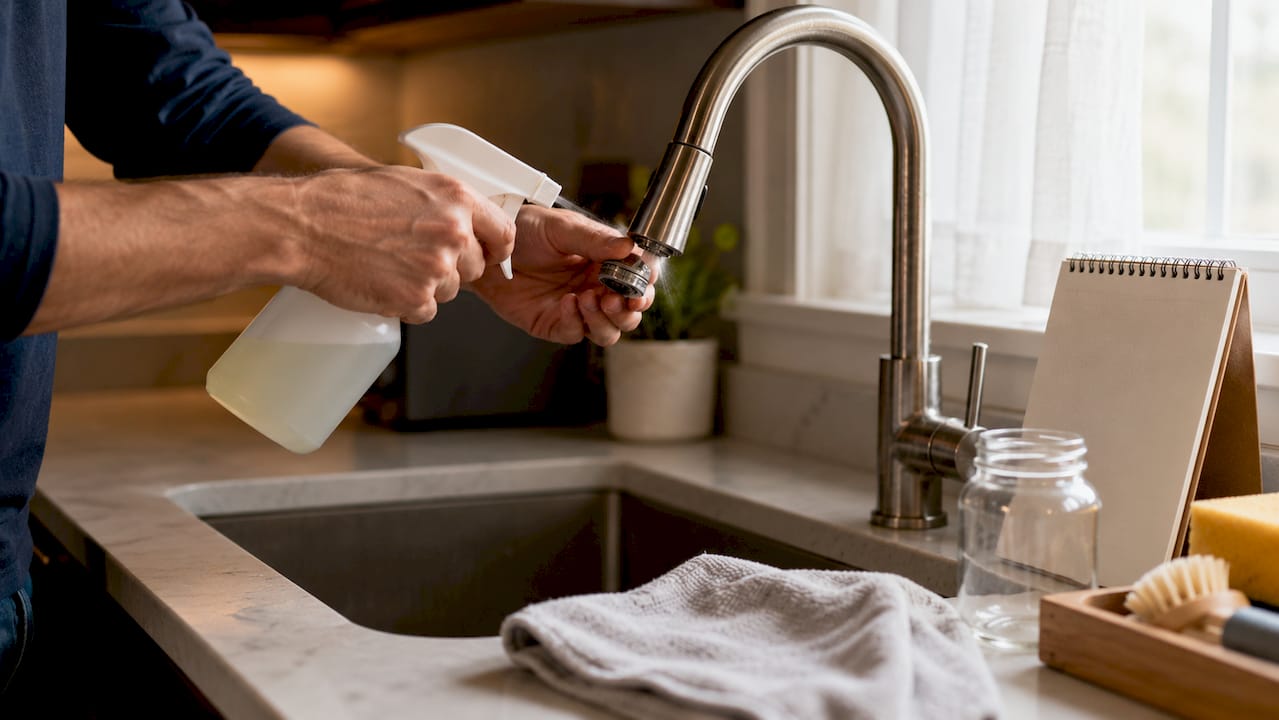
Monthly plumbing tasks are the foundation of any solid home plumbing maintenance routine. They take less than 30 minutes and catch the problems that cause the most damage when ignored.
Here is what to check every month:
- Inspect visible pipes under sinks and around toilets. Look for moisture, discoloration, or soft spots in the cabinet floor. These are early signs of a slow leak.
- Listen to your toilet. A running or hissing sound after flushing points to a worn flapper or fill valve. Both are inexpensive fixes if caught early.
- Test every faucet for drips. A single leaky faucet wastes over 3,000 gallons of water per year. That waste adds up on your water bill and accelerates fixture wear.
- Flush drains with hot water. Pour a kettle of hot water down kitchen and bathroom drains to break up grease and soap buildup before it becomes a clog.
- Test your main water shut-off valve. Turn it off and back on to confirm it moves freely. Locating and testing your shut-off valve before an emergency is the single most important step many homeowners skip.
- Check water pressure at a faucet. Normal residential pressure runs between 40 and 60 PSI. Pressure above 80 PSI stresses pipes and appliances.
Pro Tip: Set a recurring calendar reminder on the first of each month. Pair your plumbing walk-through with another routine task, like changing your HVAC filter, so it never gets skipped.
2. Which quarterly and seasonal checks matter most?
Industry standards recommend monthly DIY inspections combined with deeper quarterly and annual checks. Quarterly tasks target systems that degrade gradually and rarely show obvious warning signs until they fail.
Water heater inspection. Every three months, check the area around your water heater for rust stains, moisture, or corrosion on the connections. Sediment builds up inside the tank and forces the unit to work harder, shortening its lifespan.
Faucet aerators and showerheads. Unscrew aerators from kitchen and bathroom faucets and rinse out any mineral deposits. In Southern California, hard water makes this task especially important. Clogged aerators reduce water pressure and increase wear on the fixture.
Outdoor plumbing. Inspect hose bibs, irrigation lines, and any exposed pipes for cracks or signs of wear. In areas that experience cold snaps, including parts of Los Angeles County, exposed pipes can freeze and burst if left uninsulated.
Seasonal tasks to add before winter:
- Disconnect and drain garden hoses before the first cold night.
- Insulate exposed pipes in garages, crawl spaces, and exterior walls with foam pipe insulation.
- Shut off and drain outdoor irrigation systems if temperatures will drop below freezing.
- Check the pressure relief valve on your water heater by lifting the lever briefly to confirm it releases water and reseats properly.
Pro Tip: Combine your quarterly plumbing check with your seasonal HVAC inspection. Both systems share the same maintenance window and the habit stacks naturally into one home care afternoon.
3. What should homeowners include in an annual plumbing inspection?
The annual inspection is the most thorough item on any checklist for plumbing repairs. It covers systems that monthly and quarterly checks cannot fully assess.
Standard home inspections cover only visible pipes. Hidden pipes inside walls, under slabs, and in crawl spaces require a licensed plumber with a camera scope to inspect properly. That distinction matters because the most expensive failures, such as slab leaks and root intrusion in sewer lines, are invisible to the naked eye.
Here is a breakdown of what a thorough annual review covers:
| Task | DIY or Professional | Why It Matters |
|---|---|---|
| Full visual pipe walkthrough | DIY | Catches corrosion, joint leaks, and moisture damage |
| Water pressure test | DIY | Identifies pressure issues that stress the whole system |
| Water heater flush and anode rod check | Professional recommended | Removes sediment, extends tank life by years |
| Sewer line camera inspection | Professional required | Detects root intrusion and blockages before backup occurs |
| Shut-off valve function test | DIY | Confirms valves work when you need them most |
| Drain flow rate check | DIY | Slow drains signal partial clogs before full blockage |
A well-structured annual checklist covers leak detection, water pressure, sediment removal, and valve readiness. Skipping the professional sewer camera inspection is the most common mistake homeowners make. That single service can prevent a $5,000 or greater sewer line replacement by catching tree root intrusion early.
For homeowners in Orange County and Los Angeles County, Mdtechservices recommends scheduling your annual plumbing maintenance review in the fall, before the rainy season stresses drainage systems.
4. How to detect common plumbing problems early
Effective plumbing maintenance divides into three categories: Inspect, Maintain, and Upgrade. Most homeowners only act on the third category after a failure forces their hand. The checklist approach shifts that pattern by making inspection a habit.
Here are the most reliable early-detection methods:
- Food coloring toilet test. Drop a few drops of food coloring into the toilet tank. Wait 15–20 minutes without flushing. If color appears in the bowl, your flapper valve is leaking. This silent toilet leak test costs nothing and takes two minutes.
- Watch your water meter. Turn off every water source in the house, then check the meter. If the dial moves, you have a hidden leak somewhere in the system. Check the meter again after two hours to confirm.
- Notice slow drains. A drain that takes longer than usual to clear is a pre-failure sign, not a minor inconvenience. Address it with a drain snake or enzymatic cleaner before it becomes a full blockage.
- Listen for pipe noises. Banging pipes, called water hammer, signal pressure surges that stress joints over time. Gurgling drains point to partial clogs or venting problems.
- Avoid chemical drain cleaners. Chemical cleaners corrode older pipes and damage pipe joints. Use enzymatic drain cleaners or a manual drain snake instead.
One item that belongs on every homeowner’s list: Never flush so-called flushable wipes down the toilet. They are a leading cause of residential sewer blockages and can turn a $15 product into a $500 plumber visit.
The checklist approach works because it connects specific tasks to specific symptoms. When you run through your monthly checks consistently, you build a baseline for what normal looks and sounds like in your home. Deviations from that baseline become obvious fast.
Key Takeaways
A structured plumbing checklist for homeowners, organized by monthly, quarterly, and annual tasks, is the most reliable way to prevent costly repairs and keep your water system running efficiently.
| Point | Details |
|---|---|
| Monthly checks prevent the biggest losses | Inspect pipes, test shut-off valves, and check for drips every month to catch problems early. |
| Quarterly tasks protect gradual systems | Flush water heaters, clean aerators, and insulate outdoor pipes before cold weather arrives. |
| Annual pro inspections find hidden failures | Camera sewer inspections and water heater flushes catch issues no DIY check can reach. |
| Early detection saves hundreds of dollars | The food coloring test, meter monitoring, and drain speed checks identify problems before they escalate. |
| Avoid chemical drain cleaners | Enzymatic alternatives protect older pipes and prevent joint damage that chemical products cause. |
What years of plumbing calls have taught us
After working with homeowners across Orange County and Los Angeles County, the pattern we see most often is this: people treat plumbing as a system that either works or does not. They call us when it stops working. By then, the repair is almost always more expensive than it needed to be.
The homeowners who spend the least on plumbing over time are the ones who do the boring work. They check under the sink once a month. They know where their shut-off valve is. They schedule a professional inspection every year or two, as recommended by industry standards. That is not glamorous advice, but it is accurate.
One thing we tell every new customer: the checklist is not about being handy. It is about being observant. You do not need to fix anything yourself. You just need to notice when something changes and call before it gets worse. A slow drain noticed in october costs $150 to clear. The same drain ignored until january can back up into your home and cost $3,000 or more.
We also see homeowners underestimate how much routine maintenance cuts repair costs over time. The data backs this up. The savings are real, and the effort required is minimal compared to the alternative.
— MDTECH
How Mdtechservices can help when your checklist reveals a problem
When your monthly or annual walk-through turns up something you cannot handle yourself, Mdtechservices is ready to help. We serve homeowners throughout Orange County and Los Angeles County with licensed plumbing technicians who respond quickly and work cleanly.

Our team handles everything from routine maintenance visits to urgent repairs. If your checklist reveals a slow drain, a failing water heater, or a shut-off valve that will not turn, those are exactly the calls we are built for. We also provide a detailed plumbing emergency checklist so you know exactly what to do in the minutes before we arrive. Book your appointment online or call us directly. Fast, reliable service from a team that knows your neighborhood.
FAQ
How often should homeowners do a plumbing inspection?
Monthly basic visual checks combined with a professional inspection every 12 to 24 months is the industry-recommended schedule. Quarterly tasks like water heater checks and aerator cleaning fill the gap between those intervals.
What is the food coloring toilet test?
Drop food coloring into the toilet tank and wait 15–20 minutes without flushing. If color appears in the bowl, the flapper valve is leaking and needs replacement.
How do I find a hidden water leak in my home?
Turn off all water sources and watch your water meter. If the meter dial moves, a hidden leak is present somewhere in your system. A licensed plumber can pinpoint the location with pressure testing or a camera scope.
Are flushable wipes safe for home plumbing?
No. Despite their label, flushable wipes cause major sewer blockages in residential systems. Only toilet paper and human waste should be flushed.
What does a professional plumbing inspection cover that DIY checks miss?
Standard home inspections and DIY walkthroughs cover only visible pipes. A licensed plumber using a sewer camera inspection can identify root intrusion, slab leaks, and blockages inside walls and underground that no visual check can detect.