
TL;DR:
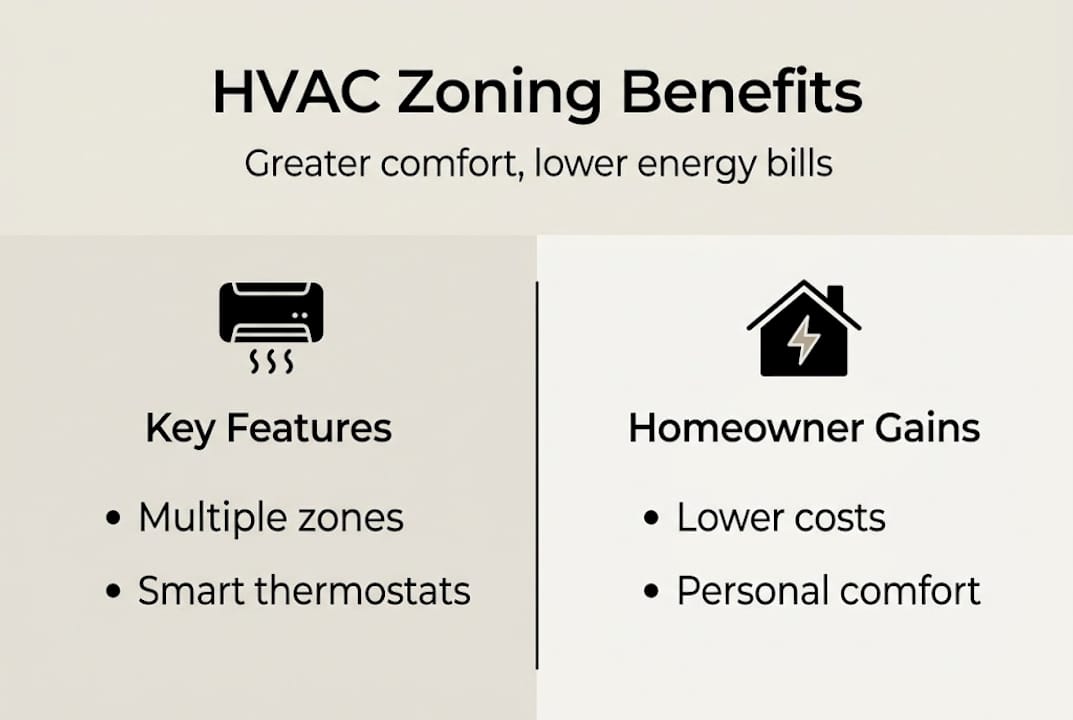
- HVAC zone systems provide independent temperature control for each home area.
- Zoning can cut energy bills by up to 30% and improve comfort.
- Regular maintenance ensures efficient operation and long system lifespan.
If your living room feels like a sauna while the bedroom stays freezing, you already know that one thermostat rarely keeps every room comfortable. Many homeowners in Orange County and Los Angeles County deal with uneven temperatures, high utility bills, and constant thermostat battles. HVAC zone systems solve all three problems by giving you independent control over each area of your home. This guide covers what zone systems are, how they work, why they save money, and how to maintain them so you get the most out of your investment.
Table of Contents
- What is an HVAC zone system?
- Key benefits of HVAC zone systems for homeowners
- How HVAC zone systems work: From installation to daily use
- Is an HVAC zone system right for your home?
- Maintenance and care for optimal zone system performance
- Why most people misunderstand HVAC zoning (and what to do differently)
- Ready to upgrade your home comfort?
- Frequently asked questions
Key Takeaways
| Point | Details |
|---|---|
| Room-by-room comfort | Zoning lets you set different temperatures for different parts of your home for maximum comfort. |
| Lower energy bills | Zone systems heat or cool only where needed, so you save significantly on utility costs. |
| Great for complex layouts | Large, multi-story homes or spaces with uneven temperatures get the biggest benefit from zoning. |
| Requires upkeep | Basic maintenance like filter changes and damper checks keep your zone system working efficiently. |
What is an HVAC zone system?
An HVAC zone system divides your home into separate areas, called zones, each with its own thermostat and independent temperature control. Instead of one thermostat dictating the climate for every room, each zone responds to its own settings. This means the upstairs bedrooms can stay cool at night while the living room stays warmer, all without overworking your equipment.
Understanding the role of HVAC systems in your home helps you see why zoning is such a practical upgrade. The system relies on four core components working together:
| Component | Role |
|---|---|
| Zone thermostats | Set and monitor temperature in each zone |
| Zone dampers | Open or close inside ductwork to control airflow |
| Control panel | Coordinates all dampers and thermostats |
| HVAC unit | Delivers heated or cooled air to the system |
Zone dampers are motorized plates inside your ducts. When a zone reaches its target temperature, the damper closes to stop airflow to that area. Programmable thermostats let you schedule temperatures by zone and time of day, adding another layer of efficiency.
By contrast, a traditional single-thermostat setup treats the entire house as one space. It runs until the sensor near the thermostat is satisfied, often leaving distant rooms too hot or too cold. As noted in our What Is HVAC Repair? Complete Residential Guide, different homes require different zoning setups and number of zones, so there is no one-size-fits-all answer.
- Zone thermostats give residents control room by room
- Dampers regulate airflow without adding new ductwork in most cases
- Control panels act as the central coordinator
- Your existing HVAC unit usually powers the whole system
Key benefits of HVAC zone systems for homeowners
With the basics covered, let’s see why so many homeowners upgrade to zoning. The advantages go well beyond comfort.
Energy savings you can measure. Zoning can cut energy bills by up to 30%, according to the U.S. Department of Energy. That is a significant reduction for a typical Southern California household running air conditioning for much of the year. Our energy-saving HVAC tips can help you stack additional savings on top of what zoning already delivers.
No more thermostat wars. In a multi-person household, everyone has different comfort preferences. Zoning lets each person control their own space without affecting the rest of the house. That alone is worth the upgrade for many families.
Less wear on your equipment. When your system only conditions the zones that need it, the HVAC unit runs shorter cycles. Shorter cycles mean less mechanical stress and fewer repair calls over time. Check our HVAC efficiency checklist for more ways to protect your equipment.
| Feature | Zoned system | Non-zoned system |
|---|---|---|
| Temperature control | Per room | Whole house only |
| Energy efficiency | Up to 30% savings | Standard usage |
| Equipment wear | Reduced | Higher |
| Comfort level | Customized | One-size-fits-all |
| Thermostat conflicts | Eliminated | Common |
Here is a quick summary of the financial and lifestyle benefits you can expect:
- Lower monthly utility bills
- Longer HVAC equipment lifespan
- Personalized comfort for every family member
- Better temperature consistency across all rooms
- Potential increase in home resale value
Statistic to know: Homeowners who install zone systems report up to 30% reductions in heating and cooling costs, making zoning one of the highest-return HVAC upgrades available.
How HVAC zone systems work: From installation to daily use
Knowing the benefits, you may wonder how these systems actually work day-to-day. The process is straightforward once you understand each step.
Zone dampers sit inside your existing ductwork. A zone control panel is the brain of the system, coordinating dampers and thermostats to route conditioned air only where it is needed. When one zone calls for cooling, the control panel opens that zone’s damper and signals the HVAC unit to run. When the target temperature is reached, the damper closes.
Here is how installation and setup typically unfolds:
- Assessment Your HVAC technician evaluates your home’s layout, ductwork, and current system capacity.
- Zone planning The technician maps out logical zones based on usage patterns, sun exposure, and room types.
- Damper installation Motorized dampers are placed at key points in the ductwork.
- Thermostat placement Each zone gets its own thermostat, wired back to the control panel.
- Programming You set schedules and temperature preferences for each zone.
- Testing The technician runs the system through all zones to confirm proper airflow and response.
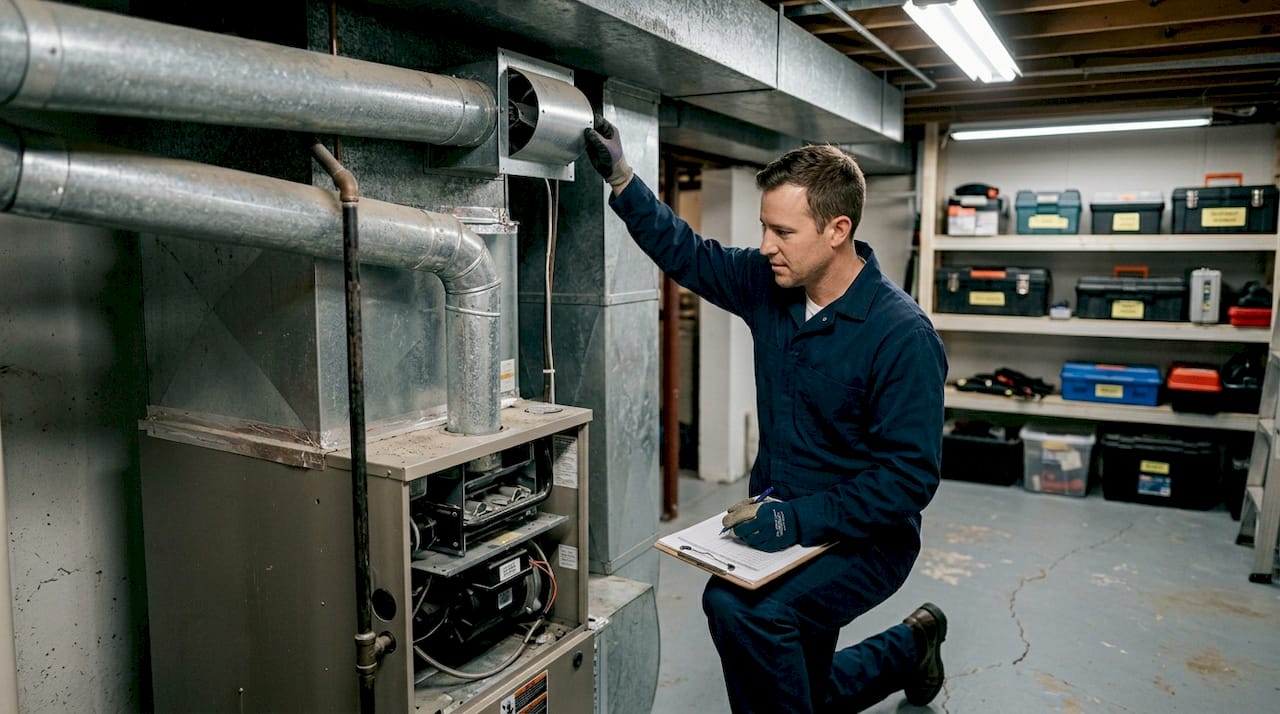
Modern systems pair well with smart thermostats that you can control from your phone. You can adjust temperatures remotely, set schedules, and even receive alerts if something seems off. For long-term performance, following HVAC maintenance steps after installation keeps everything running smoothly.
According to HVAC zoning research, zoning provides measurable comfort and energy savings when installed correctly.
Pro Tip: Place thermostats on interior walls, away from vents, windows, and direct sunlight. A poorly placed thermostat reads the wrong temperature and throws off your entire zone’s performance.
Is an HVAC zone system right for your home?
But is HVAC zoning the right solution for your specific home? Here’s how to decide.
Not every home needs zoning, but many in Orange County and Los Angeles County are strong candidates. Older homes and multi-story layouts benefit most from zoning, especially when temperature inconsistency is already a daily frustration.
Your home is likely a good fit if you recognize any of these situations:
- Multiple stories where heat rises and upper floors stay warmer
- Rooms with large windows that gain or lose heat quickly
- Home additions that were not part of the original duct design
- Finished basements or attics used as living spaces
- Rooms that are rarely used but still get conditioned air
- Family members with very different temperature preferences
If you notice hot and cold spots throughout the day, or if your utility bills seem high relative to actual usage, those are signs your current setup is working harder than it should. Our guide on signs your HVAC needs repair can help you determine whether zoning or a repair is the right first step.
Pro Tip: Before installation, ask your technician how many existing duct runs your home has and how zoning will interact with any smart home devices you already use. This conversation shapes the entire design of your zone layout.
“The best candidates for HVAC zoning are homes where occupants spend time in clearly different areas throughout the day, and where temperature complaints are routine. Zoning turns a frustrating problem into a solved one.”
Maintenance and care for optimal zone system performance
Once your zone system is in place, maintenance ensures it delivers maximum comfort. A well-maintained system runs efficiently and lasts longer, which protects your investment.
Routine maintenance helps avoid energy waste and repair costs, so staying on schedule matters. Here is a seasonal maintenance plan to follow:
- Every month: Check and replace air filters as needed. Clogged filters restrict airflow and force dampers to work harder.
- Every three months: Inspect each zone thermostat for accurate readings. Recalibrate if temperatures feel off.
- Every six months: Have a technician inspect damper motors and confirm they open and close fully.
- Annually: Schedule a full system tune-up before the peak cooling or heating season.
Between professional visits, keep an eye out for these warning signs:
- One zone is consistently warmer or cooler than its setting
- Unusual noises coming from the ductwork
- A thermostat that does not respond to adjustments
- Higher utility bills without a change in usage habits
For step-by-step guidance, our HVAC maintenance tips cover everything from filter changes to coil cleaning. If something seems off between scheduled visits, our HVAC troubleshooting process walks you through how to identify common issues before calling a technician.
When in doubt, call a licensed professional. Zone systems have more components than standard setups, and a trained technician can spot problems early before they become costly repairs.
Why most people misunderstand HVAC zoning (and what to do differently)
Stepping back, here is what most homeowners get wrong about HVAC zoning, and why it matters.
Many people assume zoning is a luxury feature reserved for large custom homes. That assumption costs them money every month. The reality is that a modest two-story home in Anaheim or Burbank with inconsistent temperatures is exactly the kind of property that benefits most from zoning. The upfront cost is real, but so is the 30% reduction in energy bills that follows.
We also see homeowners wait until their HVAC system is failing before asking about zoning. At that point, they are replacing equipment anyway, and adding zoning during a replacement is far more cost-effective than retrofitting later.
The smarter move is to evaluate zoning before you need a full system replacement. A quick assessment from a licensed technician tells you whether your current ductwork supports zoning and what the realistic savings look like for your specific home. Combining zoning with smart HVAC efficiency practices puts you in the best possible position for long-term comfort and lower bills. Act on current information, not outdated assumptions.
Ready to upgrade your home comfort?
If you’re ready to apply what you’ve learned and enjoy a more comfortable home, here’s how to get started. The first step is a professional evaluation of your home’s layout and existing HVAC setup.

At MDTech Services, our licensed technicians serve homeowners across Orange County and Los Angeles County with fast, reliable HVAC installation and repair. Whether you need help understanding your options, want a zoning assessment, or need to work through an existing issue using our HVAC troubleshooting help, we are ready to assist. Explore our full HVAC repair guide to learn more about what a professional evaluation covers. Contact us today to schedule your appointment and take the first step toward consistent, efficient comfort in every room.
Frequently asked questions
How does an HVAC zone system save energy?
By allowing you to heat or cool only the spaces in use, zoning reduces wasted energy and lowers utility bills. The U.S. Department of Energy confirms that zoning cuts energy bills by up to 30%.
Can I add zoning to my existing HVAC system?
Many existing systems can be retrofitted with zoning, but consult an HVAC professional to evaluate your home’s ductwork and setup. As our HVAC repair guide notes, different homes require different zoning setups and number of zones.
What maintenance is required for a zoned HVAC system?
Routine filter changes, cleaning dampers, and checking thermostats keep zone systems running efficiently. Routine maintenance helps avoid energy waste and repair costs over the life of the system.
Are HVAC zone systems expensive?
Initial install costs are higher than standard systems, but energy savings often offset the price over time. With up to 30% savings on energy bills, most homeowners recover their investment within a few years.
Who benefits most from HVAC zone systems?
Owners of multi-story homes or houses with uneven temperatures gain the most from zoning. Older homes and multi-story layouts benefit most from zoning, particularly when temperature complaints are a daily occurrence.
Recommended
- Smart HVAC efficiency tips to cut home energy costs
- Role of HVAC in Homes: Comfort, Air Quality, and Efficiency
- Why Upgrade HVAC Systems: Bigger Savings, Cleaner Air
- HVAC Terms Explained: Making Smart Home Decisions
- Hybridheizung: Schnittstelle zwischen Gas-Brennwertkessel und Wärmepumpe mit dem Kit 65 | BRÖTJE – Installateur John GmbH