
Routine plumbing inspections deliver real, measurable advantages that protect your home, your wallet, and your family’s health. The core benefits of regular plumbing checks include:
- Early leak detection before hidden water damage spreads behind walls or under floors
- Preserved water quality by identifying corroded or outdated pipes before they affect your drinking water
- Clear, free-flowing pipes through proactive clog removal and drain maintenance
- Lower utility bills from improved water and energy efficiency
- Avoided emergency repair costs by catching small problems while they’re still inexpensive to fix
- Extended system lifespan for water heaters, valves, and pipes through consistent care
- Safer indoor air quality by reducing moisture that feeds mold and by verifying gas line integrity
Each of these benefits compounds over time. A home with a documented inspection history is safer, more efficient, and worth more at resale than one that has been ignored.
Table of Contents
- 1. Regular plumbing checks catch leaks before they become disasters
- 2. Inspections protect your water quality and pipe health
- 3. Keeping pipes clear prevents backups and costly damage
- 4. Plumbing checks improve energy efficiency and cut water waste
- 5. Routine maintenance prevents expensive repairs and extends system life
- 6. Plumbing inspections protect your home’s safety and air quality
- 7. How often should you schedule plumbing inspections?
- 8. What experts say about the value of plumbing inspections
- Key Takeaways
- Mdtechservices keeps your plumbing system in reliable condition
1. Regular plumbing checks catch leaks before they become disasters
Small leaks are the most deceptive problem in any home. A pinhole in a supply line behind drywall can drip for months, soaking insulation, rotting framing, and feeding mold colonies, all without a single visible sign on your side of the wall. Household leaks waste nearly one trillion gallons of water annually in the US, with the average home losing almost 10,000 gallons per year.
The financial exposure is serious. Water damage from undetected leaks can cost homeowners an average of $11,000, including structural and mold remediation. Modern inspections use thermal imaging and video cameras to find these leaks without opening walls, protecting your home’s structure while pinpointing the source.
- Hidden leaks cause mold, wood rot, and structural weakening over months
- Thermal imaging detects temperature differences that reveal moisture behind surfaces
- Acoustic sensors identify the sound signature of pressurized water escaping a pipe
- Early detection keeps repair costs in the hundreds rather than the thousands
2. Inspections protect your water quality and pipe health
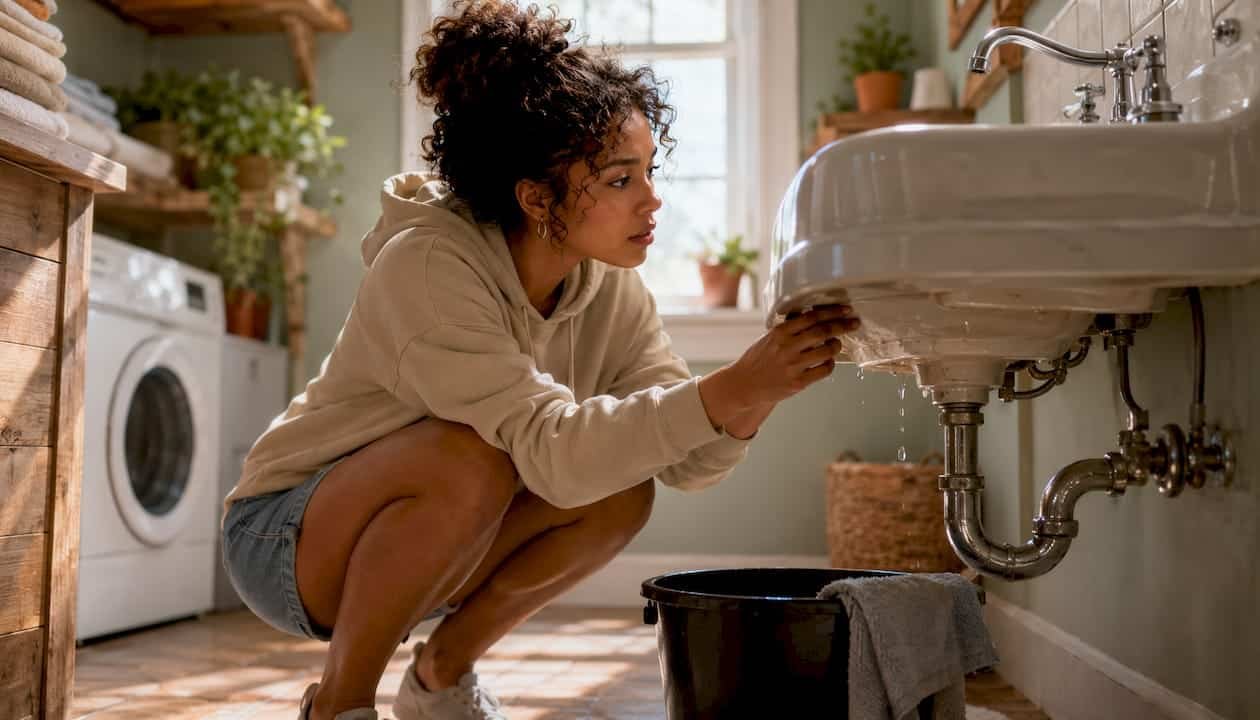
The water flowing through your taps is only as clean as the pipes carrying it. Older homes with galvanized steel, cast iron, or polybutylene pipes face higher risk of corrosion and sudden failure, and corroding pipes leach metals and sediment directly into your water supply. You may notice a metallic taste, discoloration, or reduced pressure long before a pipe actually fails.
A licensed technician can identify which sections of your system are deteriorating and prioritize replacement before contamination becomes a health concern. This is especially relevant in homes built before 1990, where original plumbing materials are now well past their intended service life.
- Galvanized steel corrodes from the inside out, narrowing flow and releasing rust particles
- Polybutylene pipes are prone to cracking and were recalled in many markets due to failure rates
- Inspections confirm whether your water heater’s anode rod is intact, protecting tank water quality
- Documented pipe condition gives you a clear picture of what needs attention and when
3. Keeping pipes clear prevents backups and costly damage
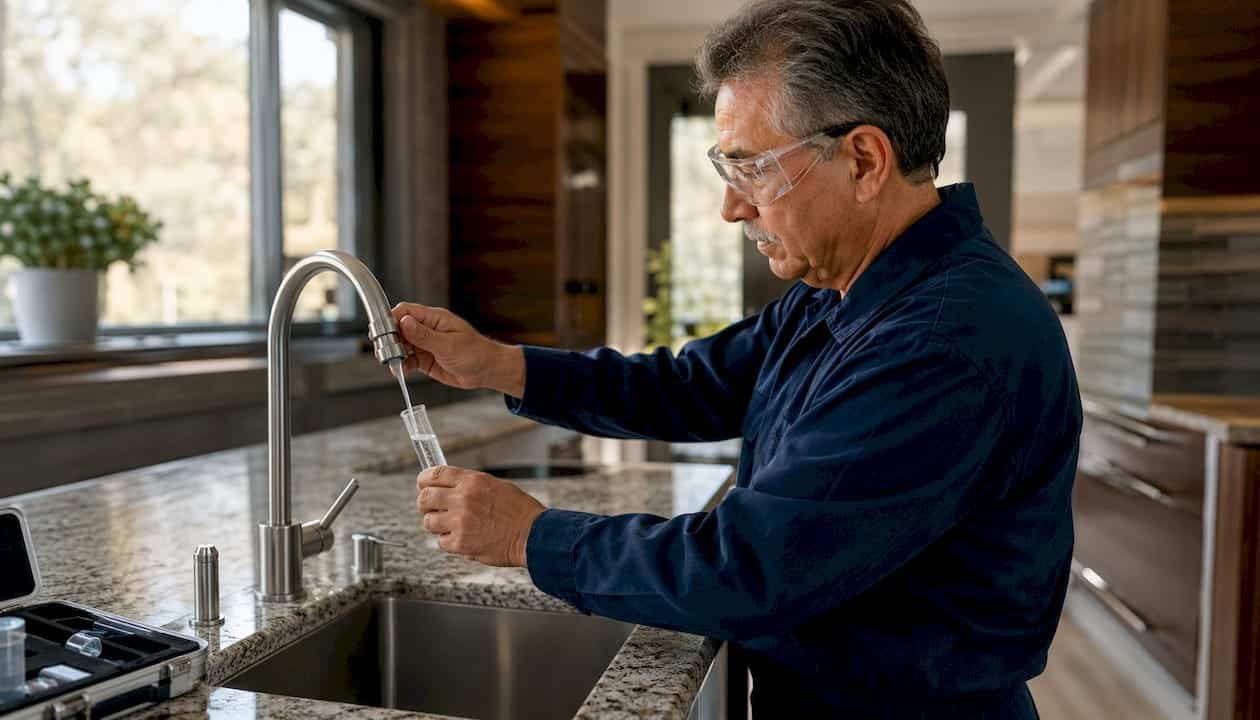
Clogs rarely appear overnight. Grease, hair, soap residue, and mineral deposits build up gradually on pipe walls, narrowing the passage until flow slows to a trickle or stops entirely. Tree roots are a separate threat, particularly in older neighborhoods where sewer lines run beneath mature landscaping. A root intrusion that starts as a hairline crack in a joint can collapse a sewer line within a few seasons.
Video camera inspections let a technician see exactly what is happening inside your drain lines without any digging. Catching a partial blockage or early root intrusion during a routine pipe inspection costs a fraction of what a full sewer backup and cleanup will run.
- Grease and soap buildup in kitchen lines restricts flow and causes slow drains
- Tree root intrusions are common in sewer laterals beneath older yards
- Partial blockages create pressure that stresses pipe joints and seals
- Regular drain cleaning prevents the emergency service call that arrives at the worst possible time
4. Plumbing checks improve energy efficiency and cut water waste
A running toilet flapper can waste considerable amounts of water daily, noticeably increasing your monthly water bill without obvious signs. That is one fixture. A home with multiple slow leaks, a sediment-clogged water heater, and fluctuating water pressure is burning money on every utility bill.
Faulty water heaters and unstable water pressure increase energy consumption unnecessarily. An inspection that includes flushing sediment from the tank, checking the anode rod, and testing pressure-regulating valves directly reduces what you pay each month to heat and deliver water throughout your home.
- Silent toilet leaks waste water continuously without triggering any alarm
- Sediment buildup in water heater tanks forces the unit to work harder and use more energy
- Pressure above 80 PSI strains fixtures and accelerates wear on seals and valves
- Properly calibrated fixtures and a clean water heater operate at peak efficiency
5. Routine maintenance prevents expensive repairs and extends system life
The math on proactive versus reactive plumbing is straightforward. Reactive repairs typically cost significantly more than proactive maintenance over a decade. A corroded anode rod replaced during an annual inspection costs $150–$250. The water heater it protects costs $1,500–$2,500 to replace if that rod is never serviced.
The same logic applies across your entire system. Valves that are exercised and tested during inspections remain operable in an emergency. Pipes that are monitored for early corrosion get spot-repaired rather than fully replaced. Following an annual plumbing maintenance checklist keeps each component in service longer and defers the large capital expense of full system replacement.
Cost comparison: Proactive maintenance over 10 years costs 2.5–3x less than reactive emergency repairs for the same home.
- Anode rod replacement helps protect water heater tanks from premature failure
- Exercising shut-off valves during inspections keeps them functional when you need them most
- Catching corrosion early allows targeted pipe repair rather than full repiping
- Water heaters, pipes, and fixtures all last significantly longer with consistent professional care
6. Plumbing inspections protect your home’s safety and air quality
Moisture from undetected leaks creates the conditions mold needs to grow, and mold spores circulate through your home’s air. For households with allergy sufferers or anyone with respiratory sensitivities, this is a direct health concern, not just a cosmetic problem. Regular inspections include testing shut-off valves to confirm they operate correctly in an emergency, which limits water damage escalation when a pipe does fail.
Gas line integrity is another dimension of plumbing safety that inspections address. A licensed technician checks connections, looks for signs of corrosion at fittings, and verifies that gas shut-off valves respond properly. These checks are particularly relevant for homes in Orange County and Los Angeles County, where aging gas infrastructure in older neighborhoods warrants regular professional attention.
- Moisture from hidden leaks feeds mold growth that degrades indoor air quality
- Mold remediation after a prolonged leak is far more expensive than the leak repair itself
- Gas line inspections confirm fitting integrity and valve operability
- Knowing your system has been professionally verified provides genuine peace of mind
7. How often should you schedule plumbing inspections?
Your home’s plumbing system includes supply pipes, drain lines, fixtures, shut-off valves, pressure-regulating valves, and the water heater. Each component ages at a different rate depending on material, water quality, and usage. Understanding what you have is the first step toward knowing when to inspect it.
For most homes, a whole-house plumbing inspection once per year covers the essentials. Homes over 20 years old, properties with hard water, or any home that has experienced a previous slab leak or sewer backup benefit from more frequent checks. Sewer line camera inspections every two to three years are a reasonable standard for homes with mature trees nearby.
- Pipes and fixtures: Annual visual inspection; camera inspection every 2–3 years for drain lines
- Water heater: Annual flush and anode rod check; full inspection every 1–2 years
- Shut-off valves: Tested during every annual inspection
- Water pressure: Tested annually; a gauge on an outdoor spigot gives you a quick baseline reading
Pro Tip: If your home is more than 15 years old or you have noticed unexplained increases in your water bill, schedule an inspection sooner rather than waiting for the annual cycle. Early detection on an aging system pays for itself quickly.
8. What experts say about the value of plumbing inspections
Plumbing professionals consistently describe undetected system problems as slow-motion events: damage accumulates quietly over months or years before anything visible appears. Homeowners tend to neglect plumbing maintenance because the system is out of sight, but aging pipes face compounding stress from hard water, temperature cycling, and ground movement.
There is also an insurance dimension worth understanding. Insurance policies often exclude water damage caused by slow, neglected leaks, but documented professional maintenance helps demonstrate due diligence and supports claim acceptance when damage does occur. Keeping records of your inspections is not just good practice; it is a financial safeguard.
Documented plumbing maintenance can also increase home resale value by reassuring buyers that the system has been professionally monitored. A home with a clean inspection history moves through the sale process with fewer surprises and less negotiation over repair credits.
Professional inspections provide documented proof of system condition, supporting both insurance claims and real estate transactions.
Pro Tip: Ask your inspector to provide a written report after every visit. That paper trail is exactly what an insurance adjuster or home buyer wants to see.
Key Takeaways
Regular plumbing inspections are one of the most cost-effective steps a homeowner can take, preventing thousands in emergency repairs while protecting water quality, home safety, and long-term property value.
| Point | Details |
|---|---|
| Early leak detection saves money | Undetected leaks cause costly water damage repairs; inspections catch them early. |
| Reactive repairs cost far more | Emergency plumbing repairs run 2.5–3x the cost of proactive maintenance over a decade. |
| Water waste adds up fast | A faulty toilet flapper wastes 20–200 gallons daily, adding $20–$60 monthly to bills. |
| Insurance and resale value | Documented inspections support insurance claims and improve buyer confidence at resale. |
| Mdtechservices for local homeowners | Mdtechservices provides licensed plumbing inspections and maintenance for Orange County and Los Angeles County homeowners. |
Mdtechservices keeps your plumbing system in reliable condition
Knowing the risks is one thing. Having a licensed team address them is what actually protects your home. Mdtechservices serves homeowners across Orange County and Los Angeles County with professional plumbing inspections, maintenance, and repairs performed by experienced, licensed technicians who know the specific demands of Southern California homes.
Whether you need a full plumbing safety review, a water heater service, or a complete system inspection with a written report, Mdtechservices handles it with the responsiveness and reliability our community depends on. We offer online appointment booking so you can schedule at your convenience, without waiting for a crisis to force the call. Contact Mdtechservices today to book your inspection and get a clear picture of your home’s plumbing condition.