
Anode rod replacement typically costs $20 to $75 for the part alone if you do it yourself, or $80 to $410 total when you hire a licensed plumber, depending on tank access and rod type. Tank size, rod material, and clearance around the water heater drive most of that spread. DIY makes sense only if you have real plumbing experience and clear access; otherwise, hiring a professional protects your warranty and your time.
TL;DR:
- Anode rod replacement costs typically range from $20 to $75 for parts and $80 to $410 for total service, depending on tank access and rod type.
- Magnesium rods cost $20 to $50 and last around five years in normal water, but in hard water, they may need replacement every two to three years.
- Flexible, segmented rods cost more upfront but are suitable for tanks with less than 44 inches of clearance, avoiding drywall demolition.
- Inspecting the rod annually and replacing it every few years can extend a water heater’s lifespan from 8-10 years up to 15-20 years.
- DIY replacement is recommended only for experienced homeowners with clear access; otherwise, a licensed plumber is safer, especially on gas models or tightly fitted tanks.
Table of Contents
- How Much Does Anode Rod Replacement Cost?
- Why Do Anode Rod Quotes Vary So Much?
- What Does the Replacement Process Actually Involve?
- Should You DIY or Hire a Plumber?
- How Do You Choose the Right Anode Rod?
- How Often Should You Check and Replace the Anode Rod?
- How Can You Save Money Without Cutting Corners?
- What Does MDTech See in the Field?
- The Real Math Behind Anode Rod Replacement
- Get a Straightforward Anode Rod Quote From Mdtechservices
- Sources
How Much Does Anode Rod Replacement Cost?
The math is simpler than most homeowners expect. You’re paying for a part that costs less than a pizza dinner, plus labor that covers diagnostic time, drain-down, and reassembly.
Anode rods themselves run $15 to $60 depending on material and length, with most standard magnesium rods landing in the $20 to $50 range. Add basic supplies like thread sealant or a replacement drain valve, and DIY material costs rarely climb past $75 unless your tank needs extra parts.
Labor costs vary widely. Plumbers often charge moderate rates for anode rod swaps, with hourly charges depending on market and job complexity. Most straightforward replacements take about an hour once a technician is on site, according to Angi’s water heater repair cost data.
Here’s how three common scenarios shake out:
Those figures track closely with the ranges compiled by CurrentCost’s anode rod cost breakdown, which puts full project costs between roughly $80 and $410 for typical residential tanks.
A few things push a bill toward the high end of any scenario:
- A service call fee on top of labor, especially for same-day or emergency visits
- A corroded or stripped rod that requires extra time and tools to remove
- A tank with less than 44 inches of clearance above it, which usually means a flexible rod and more labor
- A drain valve that fails or leaks during the flush, requiring an unplanned replacement
If a quote lands well above $410 for a standard tank with normal access, ask what specifically is driving the cost before you approve the work.
Why Do Anode Rod Quotes Vary So Much?
Two water heaters that look identical can produce very different quotes, and the reasons usually trace back to four factors: rod material, tank size, physical access, and your home’s water chemistry.
Magnesium rods are the standard choice for most tanks and cost around $20 to $40. They protect steel tanks aggressively but wear out faster in areas with hard or mineral-heavy water, sometimes needing replacement every two to three years instead of the usual five.
Aluminum and zinc rods cost slightly more, often $30 to $60, but last longer in hard-water conditions and produce less of the rotten-egg smell some homes get from sulfur-reducing bacteria reacting with magnesium. If your water softener runs constantly or you’ve had odor complaints before, a zinc-aluminum rod is usually the better long-term buy even at the higher upfront price.
Tank capacity matters too. A 40-gallon tank uses a shorter rod than a 75-gallon commercial-style unit, and longer rods cost more and take slightly longer to maneuver out during removal.
Then there’s clearance. When there’s less than 44 inches of space above the water heater, a technician can’t pull a rigid rod straight up without cutting drywall or moving the unit. Service Champions notes that flexible, multi-segment rods solve this by bending during removal and installation, avoiding demolition entirely. Expect to pay a modest premium for the flexible version, but it’s far cheaper than reconstruction work.
Watch for these add-ons that commonly appear on final invoices:
- A full tank flush to clear sediment before the rod comes out
- A new drain valve if the old one is corroded or won’t seal after the flush
- Fitting or nipple replacement if threads are damaged during removal
- A dielectric union replacement on older tanks with visible corrosion at the connections
Replacing the rod on schedule can stretch a standard tank’s service life from the typical 8 to 10 years up to 15 to 20 years, according to Bob Vila’s anode rod guide. That single fact explains why most plumbers treat this as preventive maintenance worth doing, not an optional upsell.
What Does the Replacement Process Actually Involve?
Knowing the steps helps you evaluate whether a quote makes sense, and whether a DIY attempt is realistic for your setup.
- Shut off power and water. Electric water heaters need the breaker off; gas units need the thermostat set to pilot or off, plus the cold water supply valve closed.
- Drain a portion of the tank. You don’t need a full drain, just enough to drop pressure below the anode rod fitting, usually a few gallons through the drain valve.
- Loosen and remove the old rod. This uses a 1 1/16 inch deep-well socket on a rigid rod, following the method outlined by This Old House’s replacement guide.
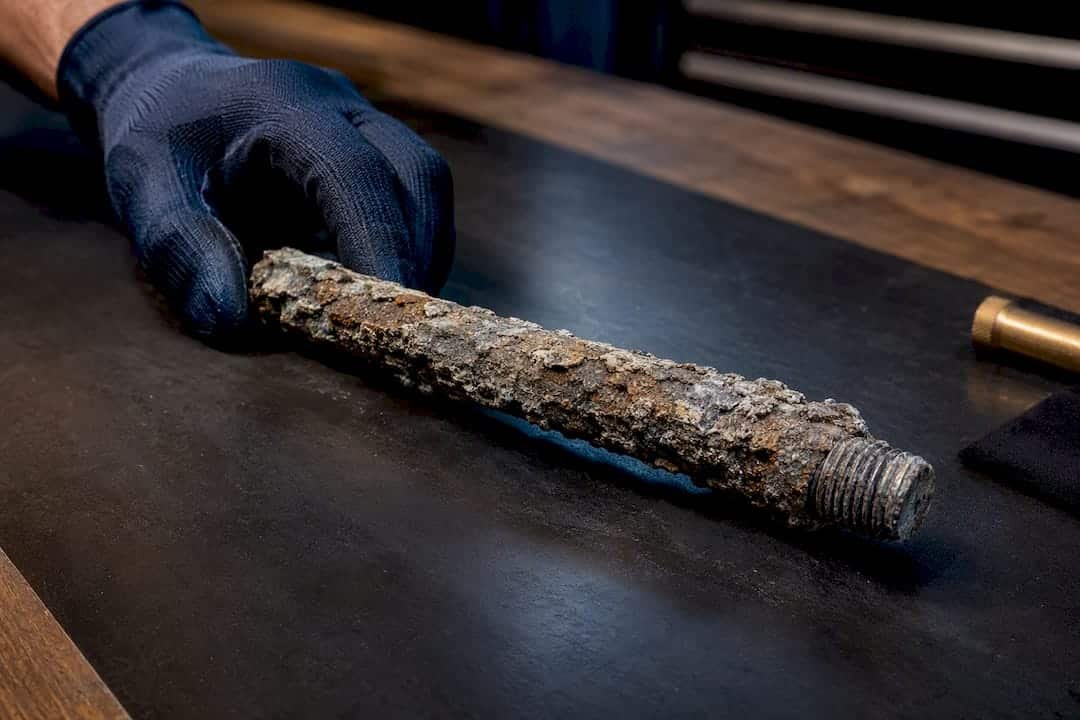
- Inspect the old rod. Heavy corrosion or a rod worn down to the steel core confirms it needed replacing and tells you how often to check going forward.
- Install the new rod. Apply thread sealant, thread it in by hand, then tighten with the socket.
- Refill the tank and restore power. Check the new fitting for leaks once the tank is full and the heater is running again.
Removing a factory-tight rod is often the hardest part, and there’s real debate over the right tool for the job. A cordless impact wrench delivers rapid, high-torque bursts that can shear a rusted rod loose in seconds, but it can also snap a fitting if you’re not careful. A manual breaker bar takes more muscle and time but gives you finer control over how much force you’re applying.
Pro Tip: If you’re using an impact wrench, ease into it with short bursts rather than holding the trigger down. A rod that’s been in place for years can shear off flush with the tank if it releases suddenly under full torque, turning a simple swap into a much bigger repair.
Also worth knowing: some plumbers specifically avoid plumber’s tape on this thread. USWHPro’s anode rod guide explains that tape can insulate the threads and weaken the electrical contact the rod needs to work sacrificially, so thread sealant, or pipe dope, is the safer choice.
A straightforward job on an accessible tank usually takes less than an hour. A tight-clearance install with a flexible rod, a stuck old rod, or an unexpected drain valve failure can take longer, sometimes up to a few hours.
Should You DIY or Hire a Plumber?
The honest answer depends on three things: your comfort with hand tools, your tank’s clearance, and how much risk you’re willing to absorb if something goes wrong.
DIY works well when all of the following are true:
- You’ve done basic plumbing work before and are comfortable with a socket wrench and shutoff valves
- You have at least 44 inches of clearance above the tank, or you’re prepared to buy a flexible rod
- Your existing rod isn’t rusted solid to the tank threads
- Your water heater runs on electricity, not gas, or you’re fully confident isolating gas lines safely
Certain situations should send you straight to a licensed plumber instead. Gas water heaters carry real risk if the pilot assembly or gas line is disturbed incorrectly. A rod that won’t budge, corroded fittings around the tank, or a manufacturer’s warranty that requires professional service are all good reasons to make the call rather than risk a leak, a stripped fitting, or a voided warranty.
When you do request a quote, ask for it in writing and itemized by part and labor, not a flat number. This Old House’s guide recommends this specifically because it lets you compare apples to apples between contractors. Expect a written minimum in the $60 to $100 range just for the service call, with the rod and labor added on top. For a broader look at what a professional visit typically covers, Mdtechservices and similar resources outline the safety checks worth confirming before you sign off. One useful outside perspective on DIY risk comes from OneDay Doors and Closets’ breakdown of common DIY pitfalls, which applies just as well to plumbing jobs as it does to home installs.
How Do You Choose the Right Anode Rod?
Picking the wrong material is one of the most common mistakes homeowners make when they buy their own replacement part.
Magnesium is the default for most municipal water supplies. It’s more chemically active, which means it protects the tank aggressively, but that same activity means it dissolves faster in mineral-heavy water, sometimes needing replacement every two to three years instead of the standard five.
Aluminum-zinc rods cost a bit more but last longer in hard water and cut down on sulfur odor complaints. If you’re on well water or have a whole-house softener, this is usually the smarter buy even though it costs a few dollars more upfront.
Flexible rods solve the clearance problem entirely. Rather than needing 44 inches of straight overhead space to pull a rigid rod, a segmented flexible rod bends during removal. Service Champions points out that this avoids cutting into drywall or relocating the heater, which would otherwise turn a simple swap into a demolition project. Expect to pay a modest premium over a rigid rod for that convenience.
Matching length to your tank matters too:
- Standard 40 to 50 gallon tanks typically use a 44-inch rod
- Taller or larger tanks may need a longer rod or a combination rod with two segments
- Some tanks use a combination hot-water-outlet rod built into the fitting itself, rather than a separate anode port
Replacing a worn rod on time is genuinely inexpensive maintenance next to the alternative. Bob Vila’s guide notes it can extend a tank’s usable life from the typical 8 to 10 years well past that mark, often reaching 15 to 20 years with consistent upkeep.
How Often Should You Check and Replace the Anode Rod?
A simple annual check is the cheapest insurance you can buy for a water heater.
Most manufacturers and plumbers recommend inspecting the rod once a year, then planning full replacement roughly every few years, with more frequent checks needed for homes with hard or heavily treated water. This Old House recommends adjusting replacement based on the rod condition when you inspect it.
A quick annual flush alongside the inspection helps too, since sediment buildup accelerates corrosion and shortens both the rod’s and the tank’s working life. Mdtechservices’ water heater maintenance checklist walks through that flush process alongside the rod check, which makes the annual visit a two-birds job instead of two separate ones.
Call for an inspection sooner if you notice any of these:
- Rust-colored or metallic-tasting hot water
- A sulfur or rotten-egg smell from hot water taps
- Unusual banging or popping sounds from the tank during heating
- Visible rust around fittings or the base of the water heater
- Water heater age past 8 years with no known rod replacement history
Catching these early usually means a $20 rod and an hour of labor. Ignoring them usually means an $1,200 replacement tank a year or two later.
How Can You Save Money Without Cutting Corners?
The biggest lever most homeowners overlook is simply supplying your own part. Buying a $30 to $50 anode rod yourself and having a plumber install it often costs less than letting the contractor mark up the part, though some contractors won’t install customer-supplied parts, so ask before you buy.
Beyond that, a few habits keep costs predictable:
- Always request an itemized quote broken into parts, labor, and any service fees before work starts
- Compare the labor line specifically. A $60 to $150 per hour range is normal; anything double that deserves an explanation
- Ask whether the flush and drain valve check are included or billed separately
- Keep the receipt and a photo of the old and new rod for warranty documentation, a habit CurrentCost specifically recommends for future claims
Red flags worth walking away from: a contractor who won’t put the quote in writing, one who insists on full tank replacement before even checking the rod, or pricing that changes significantly once they’re already on site.
Pro Tip: Ask for the old rod back after the job. A plumber who’s done the work correctly won’t hesitate, and seeing the corrosion firsthand tells you whether the replacement was actually necessary.
What Does MDTech See in the Field?
Access problems account for most of the price swings we see on service calls. A tank tucked into a garage corner or a closet with low ceiling clearance almost always needs a flexible rod and extra labor time, even when the tank itself is in good shape otherwise.
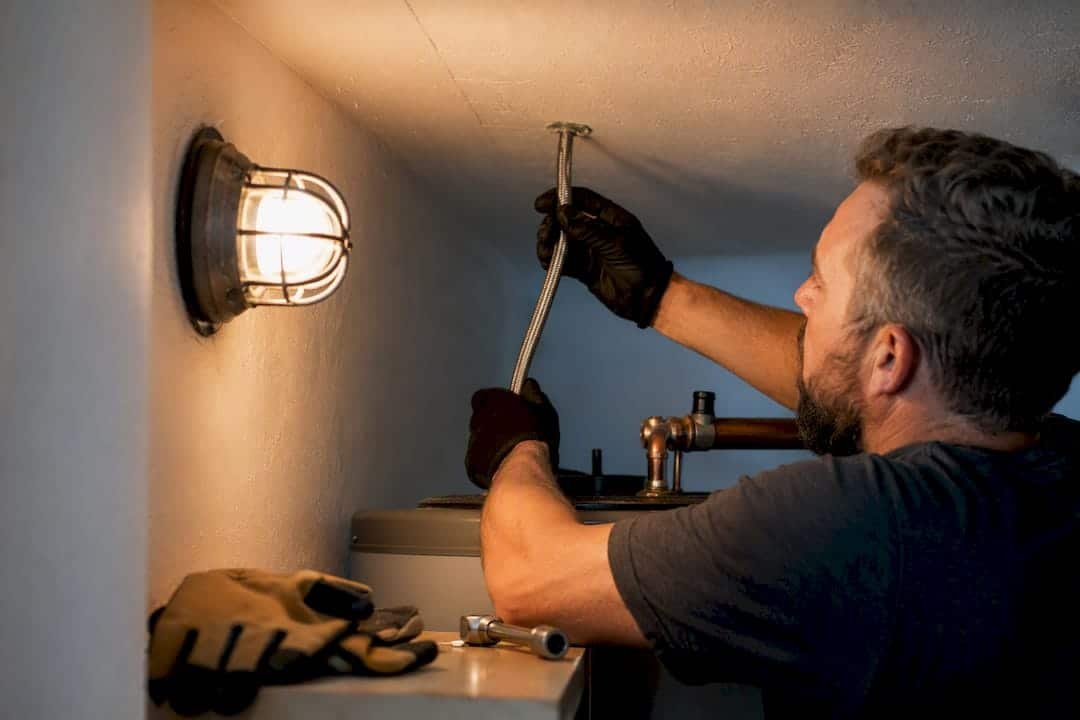
The jobs that run longer than expected usually involve a drain valve that fails during the flush or heavy sediment that has to be cleared before the rod will even thread out cleanly. Both are common on tanks past the 8 year mark that have never had a flush, and both add parts and labor that a phone quote can’t always predict.
If you want a number you can actually rely on, get an on-site look before you commit. A short inspection tells a technician whether you’re looking at a straightforward $85 to $240 job or a complex one with clearance and valve issues that push toward the higher end.
The Real Math Behind Anode Rod Replacement
Most cost guides treat anode rod replacement as a footnote buried inside broader water heater maintenance content. That undersells it. This is one of the few home maintenance jobs where a $30 part and an hour of labor can genuinely delay a $1,200 replacement by a decade.
The conventional advice tells homeowners to “check the rod annually,” which is correct but incomplete. It doesn’t explain that hard water can cut that interval in half, or that a tank tucked behind a low ceiling turns a routine job into a specialty one. Readers deserve to know those variables before they call for a quote, not after they’re staring at an unexpectedly high invoice.
If you take one thing from this guide, prioritize the inspection over the replacement schedule. A rod that looks fine at year three doesn’t need replacing yet, and a rod that’s down to bare wire at year two needs it immediately. Calendar dates are a guideline. What the rod actually looks like is the real answer.
— MDTECH
Get a Straightforward Anode Rod Quote From Mdtechservices
Homeowners seeking professional water heater service can find alternatives to DIY repairs or unlicensed handymen for jobs involving electrical and plumbing connections. A typical anode rod service visit from licensed technicians generally includes inspection of the existing rod and tank fittings, the part swap itself, a leak check on the fresh connection, and maintenance tips to help extend the unit’s life.

Booking typically involves requesting an estimate online or by phone, providing details such as the water heater’s age, tank size, and any recent symptoms, to help technicians prepare an accurate quote before arriving. If sediment buildup or a failing drain valve is found during the visit, the technician usually explains any added costs before performing extra work. For a broader look at what’s involved, see our guide on appliance repair services or explore our plumbing safety resources before your appointment.
Sources
- Water heater anode rod replacement cost – CurrentCost
- Cost to repair a hot water heater 2026 data | Angi
- How to replace an anode rod — Bob Vila
- How to replace an anode rod — This Old House