
TL;DR:
- Most household plumbing problems are fixable with basic tools, but main line issues and leaks require professional help. Regular maintenance and early repairs prevent costly damage and improve water efficiency. Call a licensed plumber for persistent problems or system-wide failures beyond DIY capabilities.
Common household plumbing issues are the predictable, recurring problems that affect nearly every home, from dripping faucets and clogged drains to running toilets and low water pressure. A single dripping faucet can waste over 3,000 gallons of water annually. That is a real cost on your utility bill, not just a minor annoyance. Most of these plumbing problems at home are fixable with basic tools and a little know-how. Knowing which ones you can handle yourself, and which ones require a licensed plumber, saves you money and prevents serious damage.
1. What causes dripping faucets and how to fix them
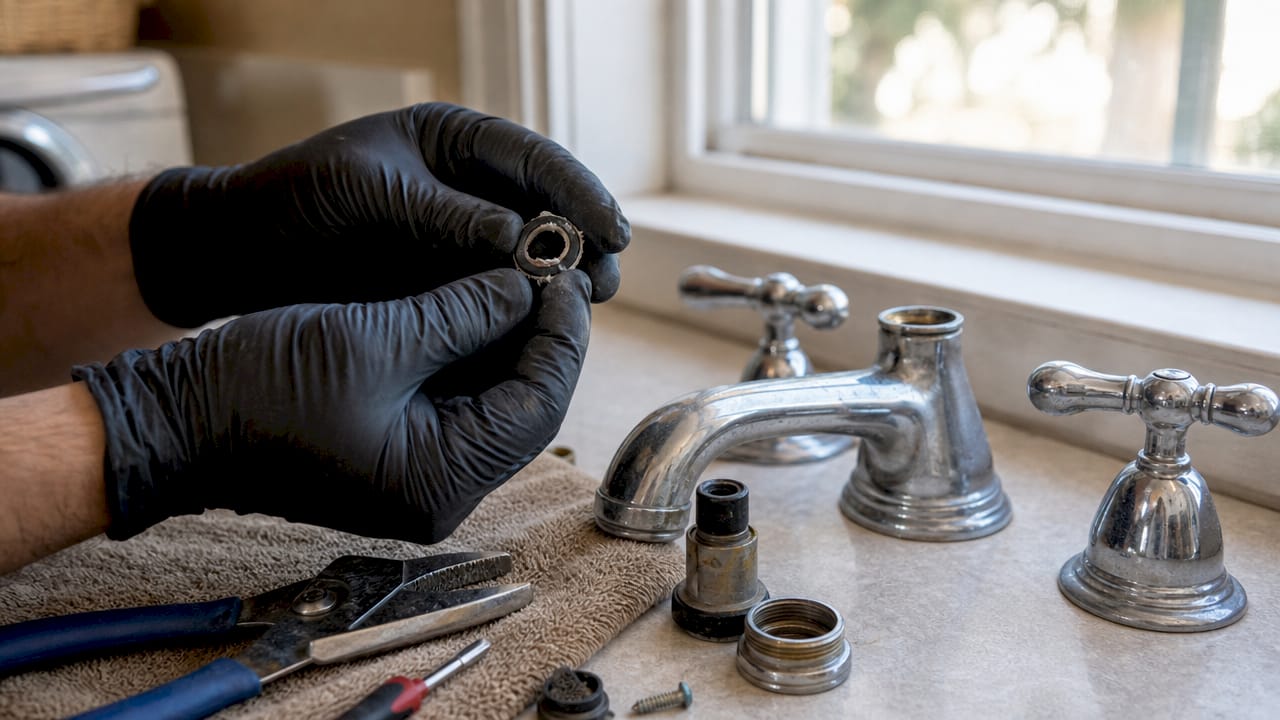
A dripping faucet is the most common plumbing problem homeowners report, and the cause is almost always a worn internal component. The three most frequent culprits are a worn rubber washer, a damaged O-ring, or a failed cartridge inside the faucet body. Each of these parts degrades with normal use over time.
The water waste adds up fast. One drop per second wastes more than 3,000 gallons per year per faucet. That volume is enough to fill a standard above-ground swimming pool.
DIY steps to fix a dripping faucet:
- Turn off the water supply valve under the sink or at the main shutoff.
- Remove the faucet handle by unscrewing the decorative cap and handle screw.
- Inspect the washer, O-ring, and cartridge for visible wear, cracking, or deformation.
- Replace the damaged part with an exact match from a hardware store.
- Reassemble the faucet and turn the water back on to test.
Pro Tip: Take the old washer or cartridge to the hardware store with you. Faucet parts are not universal, and matching the exact size and shape prevents a second trip.
Call a licensed plumber if the faucet continues dripping after you replace the internal parts. Persistent dripping after a repair usually points to a corroded valve seat or a cracked faucet body, both of which require professional tools to fix correctly.
2. How to identify and clear clogged drains effectively
Slow or completely blocked drains are among the most frequent types of plumbing problems in residential homes. The cause is almost always an accumulation of hair, grease, soap scum, or food debris inside the drain pipe. These materials bind together over time and restrict water flow.
The most important distinction in any plumbing troubleshooting guide is the difference between a single clogged drain and a main line blockage. A single slow drain points to a localized clog near the fixture. When multiple drains back up simultaneously, or when your toilet gurgles when you run the sink, the blockage is in the main sewer line and requires professional intervention.
Safe DIY methods for clearing a clogged drain:
- Use a cup plunger for sink and tub drains. Create a tight seal and pump firmly 10–15 times.
- Feed a hand-operated drain snake into the drain to break up or pull out the clog physically.
- Pour boiling water down the drain in two or three stages to dissolve grease and soap buildup.
- Remove and clean the drain stopper or strainer, which often traps hair and debris directly.
Avoid chemical drain cleaners entirely. Chemical cleaners damage pipes and create hazardous chemical reactions, especially in older plumbing systems. They also mask the symptom without removing the actual blockage.
Pro Tip: Install a mesh drain strainer in every shower and tub drain. Using drain strainers prevents the vast majority of residential drain clogs before they start.
3. Why toilets run continuously and quick fixes to save water
A running toilet is one of the most wasteful plumbing problems at home, and it often goes unnoticed because the sound becomes background noise. The three most common causes are a worn flapper, a float set too high, or a failed fill valve. Each of these parts sits inside the toilet tank and is visible when you remove the lid.
The water waste from a running toilet is significant. A faulty flapper or misadjusted float can waste up to 200 gallons of water every single day. That translates directly to a higher water bill every month.
How to inspect and fix a running toilet:
- Remove the tank lid and listen for the source of the running water.
- Press down on the flapper with your finger. If the running stops, the flapper is worn and needs replacement.
- Check the float arm. The water level in the tank should sit about one inch below the top of the overflow tube. Bend the float arm down slightly if the water level is too high.
- Flush the toilet and watch the fill valve. If it does not shut off cleanly after the tank refills, replace the fill valve.
- Purchase replacement parts at any hardware store. Flapper kits and fill valve assemblies cost under $15 and install without special tools.
Call a plumber if the toilet continues running after you replace the flapper and fill valve. A cracked overflow tube or a damaged flush valve seat requires professional repair to fix correctly.
4. Common causes of low water pressure and DIY troubleshooting
Low water pressure is a frustrating plumbing problem that has several distinct causes, and identifying the right one saves you time and money. Standard residential water pressure should fall between 40 and 80 PSI. Pressure consistently outside that range points to a specific underlying issue.
The most common and easiest cause to fix is a clogged faucet aerator. Mineral deposits from hard water accumulate inside the small screen at the tip of your faucet spout and restrict flow. This is a localized problem, not a whole-house issue.
Step-by-step troubleshooting for low water pressure:
- Test pressure at multiple fixtures. If only one faucet is affected, the aerator is the likely cause.
- Unscrew the aerator from the faucet tip by hand or with pliers wrapped in a cloth to protect the finish.
- Soak the aerator in white vinegar for 30 minutes. Vinegar dissolves mineral deposits and restores normal flow without any chemicals.
- Rinse the aerator, reinstall it, and test the pressure again.
- If pressure is low at every fixture, check that the main shutoff valve is fully open. A partially closed valve reduces whole-house pressure immediately.
Pro Tip: If cleaning the aerator and opening the main valve do not restore pressure, check your pressure regulator. This device sits near the main water line entry point and can fail after years of use, dropping pressure across the entire home.
Pipe corrosion in older homes and municipal supply problems are two additional causes of whole-house low pressure. Both require a licensed plumber to diagnose and repair safely.
5. Detecting and managing under-sink leaks and pipe problems
Under-sink leaks are a common plumbing emergency that homeowners often miss until water damage is already visible. The leak usually starts small and stays hidden inside the cabinet. By the time you notice a water stain, mold, or a musty smell, the leak has typically been active for weeks.
The most common leak points under a sink are the P-trap joints, the supply line connections, and the drain basket seal. Each of these connections can loosen over time or fail when a rubber gasket dries out and cracks.
Signs and DIY steps for under-sink leaks:
- Open the cabinet and inspect all visible pipe joints and connections with a flashlight.
- Run the water for 60 seconds and watch for drips at the P-trap, supply lines, and drain basket.
- Tighten any loose slip-joint nuts on the P-trap by hand first, then a quarter turn with pliers.
- Replace cracked or brittle supply line hoses. Braided stainless steel supply lines are more durable than plastic ones and cost under $10.
- Dry the cabinet completely and place a paper towel inside. Check it after 24 hours to confirm the leak is resolved.
Call a plumber when you find water stains on the cabinet floor but cannot locate the drip source. Hidden leaks inside the wall or at the shutoff valve connection require professional detection tools. Main sewer line issues and persistent water heater failures also fall outside safe DIY territory and need a licensed professional to address without creating health or safety risks.
Following a plumbing checklist for homeowners twice a year catches most under-sink leaks before they cause structural damage.
Key takeaways
Most household plumbing problems are fixable with basic tools, but main line blockages, persistent leaks, and pressure regulator failures require a licensed plumber to resolve safely.
| Point | Details |
|---|---|
| Dripping faucets waste water fast | Replace worn washers, O-rings, or cartridges to stop over 3,000 gallons of annual waste. |
| Drain strainers prevent most clogs | Install mesh strainers in every shower and tub to stop hair and debris before they accumulate. |
| Running toilets are costly | A faulty flapper or float wastes up to 200 gallons daily. Replace parts for under $15. |
| Low pressure often starts at the aerator | Soak the aerator in white vinegar for 30 minutes to dissolve mineral deposits and restore flow. |
| Know when to call a professional | Multiple drain backups, hidden leaks, and pressure regulator failures need licensed repair. |
What we have learned from years of residential plumbing calls
After handling plumbing service calls across Orange County and Los Angeles County, the pattern is clear: most homeowners wait too long. A slow drain becomes a main line blockage. A small drip under the sink becomes a mold problem inside the cabinet wall. The cost of waiting is always higher than the cost of acting early.
The misconception we hear most often is that a problem is “not bad enough yet” to address. A running toilet that wastes 200 gallons a day does not feel urgent because the water disappears quietly. But that volume shows up on your bill every single month without fail.
DIY repairs are genuinely practical for fixture-level problems. Replacing a flapper, cleaning an aerator, or snaking a single slow drain are all reasonable tasks for a homeowner with basic tools. The line gets crossed when multiple fixtures are affected, when you cannot find the source of a leak, or when pressure drops across the whole house. Those situations point to systemic problems that require diagnostic equipment and licensed expertise.
Routine plumbing maintenance is the single most effective thing you can do to avoid emergency calls. Two inspections per year, checking supply lines, aerators, toilet tank components, and under-sink connections, catches the problems that are cheap to fix before they become expensive to repair. Proactive inspections prevent the kind of costly emergency repairs that disrupt your home and your schedule.
— MDTECH
Mdtechservices is ready when the fix goes beyond DIY
Mdtechservices serves homeowners and renters across Orange County and Los Angeles County with licensed, responsive plumbing and appliance repair. When a dripping faucet turns into a corroded valve, or a slow drain points to a main line problem, our licensed technicians arrive prepared to diagnose and repair correctly the first time.

We also handle appliance repair and installation for refrigerators, HVAC systems, and major household appliances. If you need guidance on what a repair involves before booking, our appliance repair overview covers the process clearly. For plumbing safety guidance before you attempt any DIY work, the plumbing safety tips guide walks you through what to check and what to avoid. Book an appointment online or call us directly to get a fast, reliable response from a team that knows your neighborhood.
FAQ
How much water does a dripping faucet waste per year?
A faucet dripping at one drop per second wastes over 3,000 gallons of water annually. That volume adds a measurable amount to your monthly water bill.
What are the signs of a main sewer line blockage?
Multiple drains backing up at the same time, or a toilet that gurgles when you run the sink, signals a main sewer line blockage. This type of clog requires a licensed plumber, not a DIY drain snake.
What is the normal water pressure range for a home?
Residential water pressure should measure between 40 and 80 PSI. Pressure consistently outside that range indicates a failing pressure regulator, a partially closed valve, or a pipe problem.
Can I use chemical drain cleaners to clear a clogged drain?
Chemical drain cleaners damage pipes, especially in older plumbing systems, and only mask the blockage rather than removing it. Use a plunger, drain snake, or hot water flush instead.
How do I stop a toilet from running without calling a plumber?
Press down on the flapper inside the tank. If the running stops, replace the flapper, which costs under $15 at any hardware store. If the toilet still runs after replacing the flapper and adjusting the float, call a licensed plumber.