
Every Orange County home faces a constant battle against dust, pollen, and outdoor pollution—especially during Santa Ana winds and summer heat. Healthy air and lower utility bills rely on your HVAC filter working behind the scenes, protecting your family and expensive equipment. With filters efficiently trapping pollutants and ensuring smooth system operation, understanding proper HVAC filter care means fresher air, fewer repairs, and lasting energy savings for homes throughout Orange and Los Angeles County.
Table of Contents
- What HVAC Filters Do in Your Home
- Types of HVAC Filters and Key Differences
- Signs Your Filter Needs Immediate Attention
- How Inspections Impact Air Quality and Efficiency
- Common Risks of Neglecting Filter Checks
Key Takeaways
| Point | Details |
|---|---|
| Importance of Filters | HVAC filters trap dust, pollen, and allergens, ensuring cleaner indoor air and prolonging the life of your system. |
| Regular Inspections | Monthly filter checks help maintain airflow efficiency and reduce energy consumption by 5-15%. |
| Filter Type Matters | Selecting the right filter, such as pleated or HEPA, balances filtration efficiency with system airflow needs. |
| Consequences of Neglect | Ignoring filter maintenance leads to higher energy bills, reduced air quality, and potential equipment damage. |
What HVAC Filters Do in Your Home
Your HVAC filter works silently in the background, trapping dust, pollen, pet dander, and other particles before they circulate through your home. This small component plays an outsized role in both your family’s health and your system’s longevity.
Think of your filter as a bouncer at the door. It stops unwanted particles from entering your living spaces while protecting expensive HVAC components from damage caused by dirt accumulation.
How Filters Protect Your Home
When air flows through your HVAC system, it passes through the filter first. The filter’s job is straightforward but critical: trap particles before conditioning happens. Without this barrier, contaminants would settle on cooling coils, heating elements, and ductwork.
Clean filters enable the system to work efficiently while minimizing allergens and pollutants indoors. Here’s what a functioning filter accomplishes:
- Removes dust, pollen, and outdoor contaminants
- Captures pet hair and dander from your Orange County home
- Traps mold spores and bacteria particles
- Protects HVAC coils from premature wear
- Maintains consistent airflow throughout your house
Why Orange County Homeowners Should Care
Southern California’s climate brings unique challenges. Santa Ana winds carry dust and particulates. Summer heat increases pollen counts. Regular filter inspection becomes even more important in our region.
A clogged filter forces your system to work harder, consuming more energy and driving up utility bills. It also reduces the effectiveness of air conditioning during hot months.
A clean filter can reduce energy consumption by 5-15 percent, which adds up quickly in Los Angeles and Orange County’s warm climate.
What Your System Can’t Do Without Good Filtration
Removing particulates and gaseous pollutants protects both air quality and equipment. When filters become clogged, several problems emerge.
Your system must compensate by pushing air harder through the same restricted space. This strains the blower motor and increases wear on components that MDTech Services repairs regularly.
Beyond equipment damage, a dirty filter fails to remove contaminants effectively. Allergens and pollutants that should be filtered out instead circulate through your home, affecting family members with asthma or allergies.
The Bottom Line for Your Home
HVAC filters are one of the cheapest maintenance investments you can make. Replacing them regularly prevents costly repairs down the line and keeps your indoor air cleaner.
Your filter stands between outdoor pollution and your family’s lungs. Treating it as a vital component, not an afterthought, makes a real difference in both health and equipment longevity.
Pro tip: Check your filter monthly during heavy-use seasons (summer and winter in Orange County) and replace it when you can no longer see light through it or when it shows visible dirt accumulation.
Types of HVAC Filters and Key Differences
Not all HVAC filters are created equal. The filter you choose affects how well your system removes contaminants, how much energy it consumes, and how often you need replacements. Understanding your options helps you make the right choice for your Orange County home.
Each filter type balances filtration efficiency against airflow resistance. Pick one that’s too restrictive, and your system works harder. Pick one too loose, and contaminants slip through.
The Main Filter Types
Fiberglass filters are the most affordable option. They’re thin, disposable, and cost just a few dollars. However, they only catch large particles like dust and lint. Fine particulates and allergens pass right through. Most homeowners upgrade from these within a year.
Pleated filters step up the game significantly. Their accordion-like design creates more surface area for trapping particles. This means better filtration without significantly restricting airflow. They last longer than fiberglass and cost more, but most homeowners find the investment worthwhile.
HEPA filters represent the highest tier of residential filtration. HEPA stands for High-Efficiency Particulate Air. These filters trap 99.97 percent of particles 0.3 microns or smaller. Healthcare facilities and clean rooms use HEPA filters because they remove virtually everything from the air.
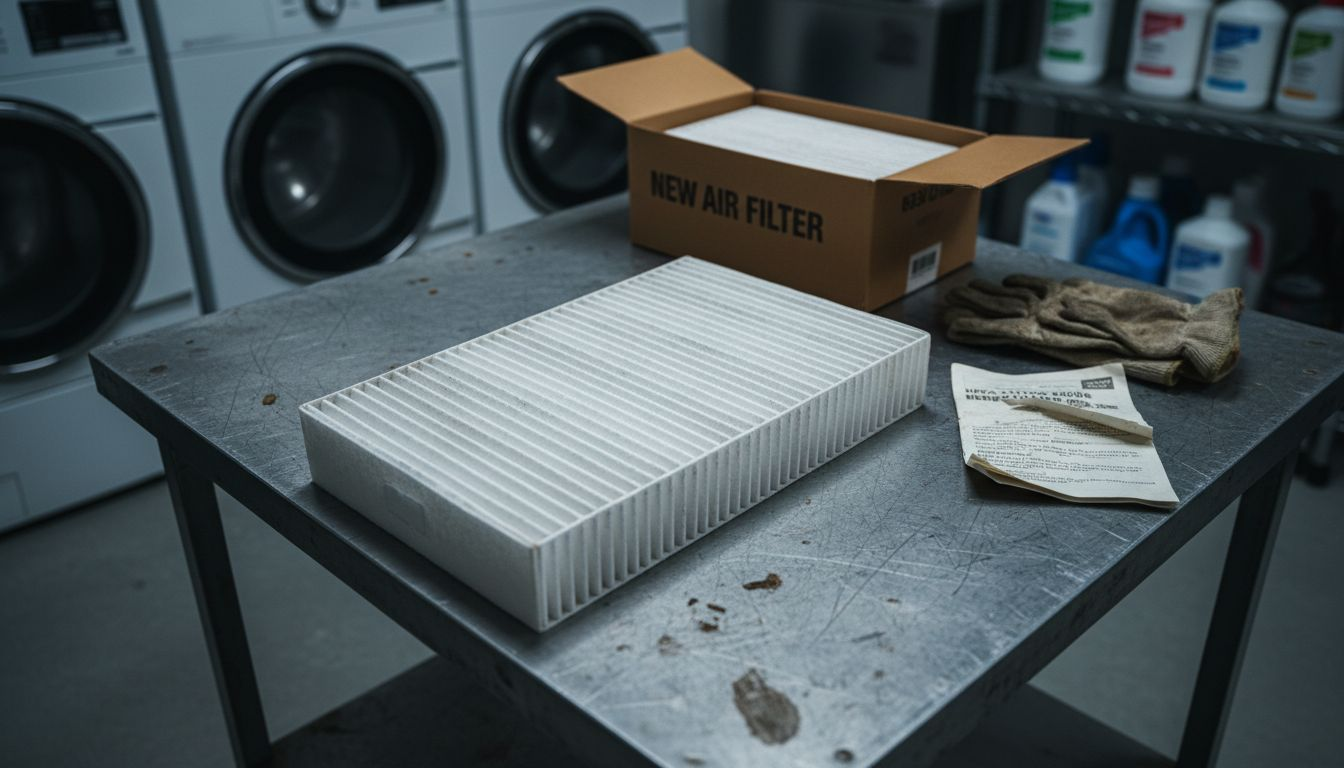
Electrostatic filters use electrical charges to attract and trap particles. Many are reusable, which appeals to environmentally conscious homeowners. You wash them instead of replacing them. They work well for capturing dust but may not match HEPA performance for fine allergens.
Comparing Your Options
Filter media types and efficiency levels vary based on application and system requirements. Here’s what distinguishes each choice:
Here’s a quick comparison of popular HVAC filter types and what each offers:
| Filter Type | Filtration Efficiency | Typical Lifespan | Maintenance Requirements |
|---|---|---|---|
| Fiberglass | Low, blocks large debris | 1 month | Replace monthly during high use |
| Pleated | Medium to high, traps more | 3 months | Inspect monthly, replace as needed |
| HEPA | Maximum, removes fine particles | 12 months | Monitor system capacity, replace yearly |
| Electrostatic | Medium, attracts dust | Reusable | Wash every 1-2 months regularly |
- Fiberglass: Low cost, low efficiency, frequent replacement needed
- Pleated: Mid-range cost, good efficiency, standard residential choice
- HEPA: Higher cost, maximum efficiency, may need professional installation
- Electrostatic: Medium cost, good efficiency, washable and reusable
Which Filter Fits Your Needs?
Your choice depends on three factors: your budget, your family’s health needs, and your HVAC system’s capacity. Most standard residential systems handle pleated filters without issue. If anyone in your home has asthma or severe allergies, upgrading to HEPA makes a real difference.
The best filter balances effective contaminant removal with your system’s ability to maintain consistent airflow throughout your home.
If you have pets or live in a dusty area, you’ll replace filters more frequently regardless of type. Orange County’s Santa Ana winds and seasonal pollen mean more particles entering your home than in other climates.
Installation and Maintenance Considerations
Some filter types require professional installation or system modifications. Before investing in premium filters, confirm your HVAC system can handle the added resistance. MDTech Services can assess whether your current system supports different filter types.
Electrostatic filters need washing every month or two. HEPA filters are disposable and typically last 12 months. Pleated filters fall somewhere in between.
Pro tip: Start with a quality pleated filter for your home, monitor how often it gets visibly dirty in Orange County’s climate, then consider upgrading to HEPA if you’re replacing filters every 30 days or less.
Signs Your Filter Needs Immediate Attention
A clogged filter doesn’t announce itself with a warning light. You have to watch for subtle clues that your HVAC system is struggling. Catching these signs early prevents bigger problems and keeps your home comfortable year-round.
Ignoring a dirty filter forces your system to work harder, consuming more energy and shortening its lifespan. The good news is that most warning signs are easy to spot once you know what to look for.
Weak Airflow Coming From Vents
The most obvious sign is noticeably weaker air coming from your registers and vents. When you hold your hand near a vent, the air feels gentle instead of forceful. This reduced airflow happens because a clogged filter restricts air movement through the system.
Insufficient heating or cooling output often results from this restricted airflow. Your air conditioning runs, but your home doesn’t cool as quickly. Your heater cycles but doesn’t warm rooms evenly. This inefficiency wastes energy and frustrates your family.
System Cycling Behavior Changes
Pay attention to how often your HVAC turns on and off. A dirty filter causes the system to cycle more frequently or run almost constantly. Your blower motor works overtime trying to push air through the clogged filter.
This constant cycling puts stress on components and increases wear. You might notice the system sounds louder or runs almost continuously during peak heating or cooling season in Orange County.
Visual and Sensory Clues
Look for these physical indicators:
- Visible dirt accumulation on the filter itself when you inspect it
- Dust buildup around vents and registers throughout your home
- Gray or dark discoloration on the filter surface
- Unusual noises from the HVAC unit indicating system strain
If you see dust settling on furniture more frequently than normal, your filter isn’t capturing particles effectively.
Energy Bills Tell a Story
Rising energy consumption is a financial wake-up call. When your system works harder to push air through a clogged filter, your utility bills climb. A 167-kilowatt-hour increase per month during peak season is common with severely restricted filters.
Compare your current bill to the same month last year. An unexplained jump suggests your filter needs immediate attention.
Air Quality Suffers
Allergy symptoms or respiratory irritation can worsen when filters clog. The filter becomes so saturated that it stops removing particles effectively. Dust, pollen, and pet dander circulate freely through your home instead of being trapped.
A clogged filter stops protecting your family’s health while simultaneously damaging your HVAC system.
If anyone notices increased sneezing, coughing, or allergy flare-ups, check your filter before assuming it’s seasonal pollen.
Temperature Control Problems
You set the thermostat for 72 degrees, but your home sits at 75. The system runs more often but struggles to maintain your desired temperature. This temperature swing indicates the system can’t condition air efficiently due to airflow restriction.
Multiple rooms feeling warmer or cooler than others is another red flag. Weak airflow means some areas get less conditioned air than others.
When to Replace Versus Clean
Disposable filters like pleated types need replacing immediately when clogged. Washable electrostatic filters can sometimes be rinsed and reused if not too damaged. However, once a filter reaches the point of restricting airflow noticeably, replacement is faster than cleaning.
Pro tip: Check your filter monthly during summer and winter in Orange County, and replace it the moment you can’t see light through it or notice any of these signs occurring.
How Inspections Impact Air Quality and Efficiency
Regular HVAC filter inspections do more than keep your system running. They directly affect how clean your indoor air is and how much money you spend on energy bills. One simple monthly check prevents cascading problems that damage both your health and your wallet.
Think of inspections as preventive medicine for your home. You wouldn’t wait until you’re sick to see a doctor. Your HVAC system deserves the same proactive attention.
The Connection Between Clean Filters and Air Quality
A clean filter removes dust, pollen, mold spores, and other contaminants before they circulate through your living spaces. When you inspect filters regularly, you catch problems before indoor air quality deteriorates. A filter that’s visibly dirty has already allowed particles to bypass its mesh.
Maintaining clean filters and balanced airflows directly improves indoor air quality by minimizing pollutants circulating indoors. For Orange County families, this matters especially during wildfire season when outdoor air contains hazardous particles. A clogged filter becomes useless, allowing poor air quality to enter your home.
How Inspections Reduce Energy Waste
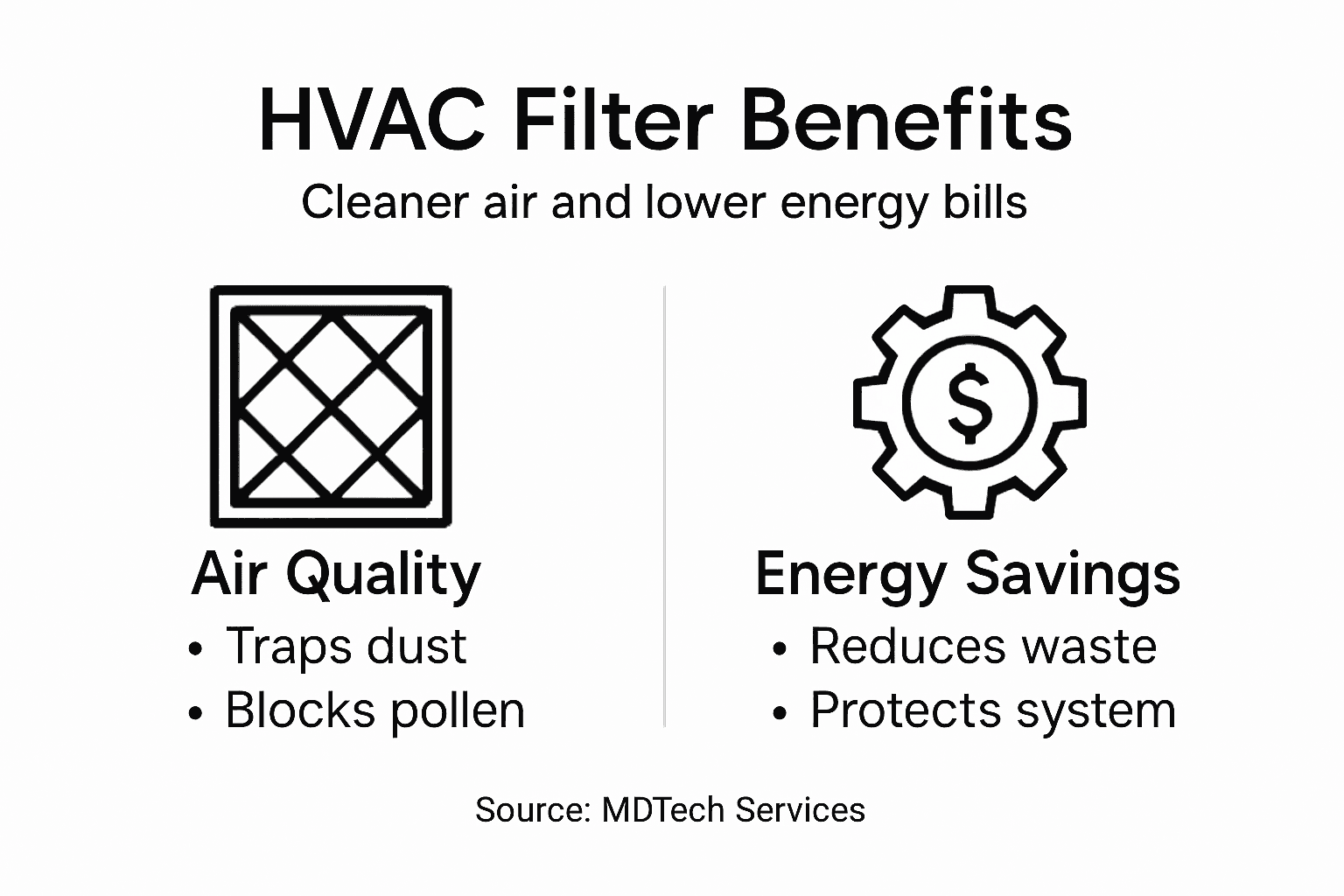
A clogged filter forces your HVAC system to work harder, consuming significantly more energy. Inspections catch filters before they become severely restricted, keeping your system operating at peak efficiency. Clean filters mean lower utility bills month after month.
Consider the numbers: a moderately clogged filter can increase energy consumption by 5 to 15 percent. Over a year, that adds up to hundreds of dollars in wasted energy. Regular inspections cost nothing but save substantial money.
What Inspections Reveal
When you inspect your filter monthly, you learn your home’s specific dust patterns. Some Orange County properties accumulate more dust due to their location, climate exposure, or pet ownership. Regular inspections help you establish the right replacement schedule for your unique situation.
Beyond filter condition, inspections reveal:
- Airflow patterns that indicate system balance
- Visible dirt accumulation suggesting outdoor air leaks
- Filter damage requiring immediate replacement
- System strain indicators like unusual cycling
System Balance and Distribution
Testing and balancing HVAC systems ensures air and flows meet design specifications. When filters work properly within a balanced system, every room receives adequate conditioned air. Poor distribution means some spaces stay uncomfortable while others feel over-cooled or over-heated.
Inspections help identify if certain rooms aren’t getting enough airflow. This could indicate filter problems or distribution issues that need professional attention. MDTech Services can assess whether your system needs professional balancing.
Long-Term System Health
Regular filter inspections extend your HVAC equipment’s lifespan. Dirty filters force compressors, blower motors, and heat exchangers to work excessively. This accelerated wear shortens the system’s life and increases repair costs over time.
A system that receives regular filter attention can last 15 to 20 years. Neglected systems often need major repairs by year 10. The difference comes down to consistent maintenance.
Monthly filter inspections cost nothing but prevent expensive repairs and maintain both your air quality and system efficiency.
Building the Inspection Habit
Make filter inspection part of your routine like checking your car’s oil. Set a phone reminder for the first of each month. Spend two minutes looking at your filter and noting its condition. This simple habit pays dividends in health, comfort, and savings.
Pro tip: Create a calendar reminder for the 1st of each month to inspect your filter, photograph its condition, and note when you replaced it so you can identify patterns in your home’s specific dust accumulation rate.
Common Risks of Neglecting Filter Checks
Skipping filter inspections might seem harmless, but the consequences pile up quickly. A few months of neglect can trigger repair bills, health problems, and wasted energy that cost thousands of dollars. Understanding these risks motivates consistent maintenance.
Your HVAC system is one of your home’s largest investments. Protecting it takes minutes per month but saves major headaches later.
Energy Bills Skyrocket
When filters get clogged, your HVAC system consumes significantly more energy to push air through the restriction. A severely clogged filter can increase energy use by 15 percent or more. Over a year, that translates to hundreds of dollars in unnecessary utility costs.
Orange County’s warm climate means extended cooling seasons. Energy waste during summer months hits your wallet particularly hard when filters go unchecked.
Indoor Air Quality Deteriorates
Neglecting filter maintenance allows allergens and pollutants to circulate freely through your home instead of being trapped. A clogged filter can’t capture particles effectively. Dust, pollen, pet dander, and mold spores bypass the filter entirely and settle in your living spaces.
For families with asthma or allergies, this directly triggers health problems. Respiratory symptoms worsen. Allergy sufferers experience increased sneezing and congestion. Children with sensitive lungs suffer most.
Equipment Damage Accelerates
A clogged filter forces every component in your HVAC system to work harder. Your compressor, blower motor, and heat exchanger experience excessive strain. This accelerated wear shortens the system’s lifespan significantly.
Here’s what happens:
- Blower motors burn out from constant overwork
- Compressors fail prematurely from thermal stress
- Capacitors wear out faster under increased load
- Heat exchangers accumulate dirt and lose efficiency
- Refrigerant lines develop leaks from stress
Each failure means expensive repairs or system replacement.
Repair Costs Multiply
Failure to regularly inspect filters causes increased maintenance costs and frequent system breakdowns. What starts as a $20 filter replacement becomes a $800 compressor replacement. A system that could last 15 to 20 years with proper maintenance might need replacement by year 10.
MDTech Services sees this pattern repeatedly. Homeowners who skip filter checks end up calling for emergency repairs during the hottest or coldest days, when service fees are highest.
System Breakdowns at Worst Times
Your HVAC will fail when you need it most. Orange County’s summer heat means breakdowns happen during triple-digit days. Winter repairs occur during rare cold snaps. Emergency service calls cost 50 to 100 percent more than routine maintenance.
Neglected systems are unreliable systems. They cycle erratically, struggle to maintain temperature, and eventually stop working entirely.
Reduced Heating and Cooling Effectiveness
A clogged filter means your system can’t distribute conditioned air effectively. Some rooms stay too warm while others feel too cold. Your thermostat reads 72 degrees, but your bedroom feels like 78. This temperature inconsistency indicates restricted airflow from filter problems.
Neglecting filter checks transforms a reliable system into an unpredictable one that costs more to operate and fails when you need it most.
The Compounding Effect
Each month without filter inspection makes the next month worse. Dirt accumulation accelerates. Energy consumption climbs. Component wear intensifies. What could be fixed with a $25 filter becomes a $3,000 problem.
The solution is simple: check your filter monthly. Replace it when needed. This tiny habit prevents all these cascading failures.
Use this summary as a reference for common HVAC filter neglect risks:
| Neglect Consequence | Impact on System | Result for Homeowner |
|---|---|---|
| Higher energy bills | System works harder | Increased monthly costs |
| Reduced air quality | More contaminants inside | Elevated allergy symptoms |
| Equipment damage | Premature part failure | Expensive repair or replacement fees |
| Unreliable performance | Frequent breakdowns | Comfort issues during extreme weather |
Pro tip: If you haven’t checked your filter in more than three months, inspect it immediately and replace it regardless of appearance, as hidden dirt accumulation may have already stressed your system.
Keep Your Home Healthier with Expert HVAC Filter Inspection and Service
Maintaining clean HVAC filters is essential to ensure healthier air quality and protect your family from allergens, dust, and pollutants common in Orange County and Los Angeles. This article highlights how clogged filters strain your system, raise energy costs, and risk costly repairs. At MDTech Services, we understand these challenges and offer professional HVAC repair and maintenance solutions tailored to your home’s needs. Our licensed technicians can help you avoid unexpected breakdowns and improve your indoor comfort by ensuring your system’s filtration works perfectly.

Don’t wait until poor air quality or rising energy bills disrupt your comfort. Visit MDTech Services to schedule a thorough HVAC filter inspection or repair. Learn how our expert team supports healthier homes and prolongs your system’s life. Act now for reliable and fast service you can trust in Orange County and Los Angeles.
Frequently Asked Questions
How often should I inspect my HVAC filter?
Inspect your HVAC filter monthly, especially during high-use seasons like summer and winter. This helps ensure your system runs efficiently and maintains good air quality.
What are the signs that my HVAC filter needs immediate replacement?
Signs include noticeably weak airflow from vents, increased energy bills, visible dirt on the filter, unusual system noises, and poor indoor air quality symptoms like increased allergy issues.
What happens if I neglect to inspect my HVAC filter regularly?
Neglecting to inspect your HVAC filter can lead to higher energy bills, reduced air quality, accelerated equipment damage, and increased repair costs due to your system working harder than necessary.
What are the different types of HVAC filters and how do they compare?
The main types include fiberglass, pleated, HEPA, and electrostatic filters. Fiberglass filters are low-cost but low-efficiency, pleated filters balance efficiency and airflow, HEPA filters offer maximum filtration, and electrostatic filters are reusable but may not capture fine particles as well as HEPA filters.