
Over 50 percent of appliance failures in american homes can be traced back to improper installation. This hidden issue often leads to electrical hazards, gas leaks, and unexpected repair costs, putting families and their investments at risk. Understanding what professional appliance installation really involves helps homeowners make safer choices and avoid expensive pitfalls so their equipment runs efficiently and complies with the latest safety rules.
Table of Contents
- Defining Appliance Installation And Its Scope
- Common Types Of Appliance Installations
- Step-By-Step Guide To Professional Installation
- Safety And Legal Requirements In California
- Risks, Costs, And Common Mistakes To Avoid
Key Takeaways
| Point | Details |
|---|---|
| Importance of Professional Installation | Appliance installation requires technical expertise to ensure safety and compliance with local regulations, protecting homeowners from risks. |
| Scope of Work | The installation process encompasses safe connections, precise positioning, functional testing, and system integration with existing infrastructure. |
| Common Risks | Improper installation can lead to safety hazards, increased energy consumption, and significant financial costs due to repairs or malfunctioning appliances. |
| Regulatory Compliance | Technicians must adhere to strict safety standards and building codes, ensuring appliances are installed correctly and efficiently. |
Defining Appliance Installation and Its Scope
Appliance installation is a specialized service that involves professionally connecting, positioning, and setting up household electrical and gas-powered equipment to ensure safe, efficient operation. This comprehensive process goes far beyond simply placing an appliance in a designated space, requiring technical expertise, precise knowledge of local building codes, and understanding of complex electrical and plumbing systems.
According to California Code of Regulations, proper appliance installation involves rigorous safety standards and compliance requirements. Technicians must carefully examine electrical connections, verify appropriate voltage, ensure proper grounding, and confirm that all installation procedures meet local regulatory guidelines. This means checking everything from electrical load capacity to gas line connections and ventilation requirements.
The scope of appliance installation encompasses several critical elements:
- Safe Electrical Connections: Verifying voltage compatibility and proper circuit connections
- Precise Positioning: Ensuring equipment fits correctly and allows adequate ventilation
- Functional Testing: Comprehensive checks to confirm proper operation and performance
- Code Compliance: Adhering to local building and safety regulations
- System Integration: Connecting appliances seamlessly with existing home infrastructure
Professional installation protects homeowners from potential risks like electrical malfunctions, gas leaks, or improper equipment setup. MDTech’s comprehensive appliance installation guide provides additional insights into ensuring your household equipment is installed correctly and safely.
Common Types of Appliance Installations
Appliance installations encompass a wide range of household and commercial equipment, each requiring specialized technical expertise and precise implementation. According to the National Appliance Energy Conservation Act, certain standard appliances are subject to specific installation regulations, highlighting the complexity and importance of professional setup.
Kitchen Appliance Installations represent a significant category, including essential equipment like refrigerators, dishwashers, ranges, and built-in ovens. These installations demand careful electrical and plumbing connections, precise measurements, and adherence to ventilation requirements. Technicians must ensure proper electrical load, gas line compatibility, and seamless integration with existing kitchen infrastructure.
Other critical appliance installation types include:
- HVAC Systems: Complex heating, ventilation, and air conditioning unit installations
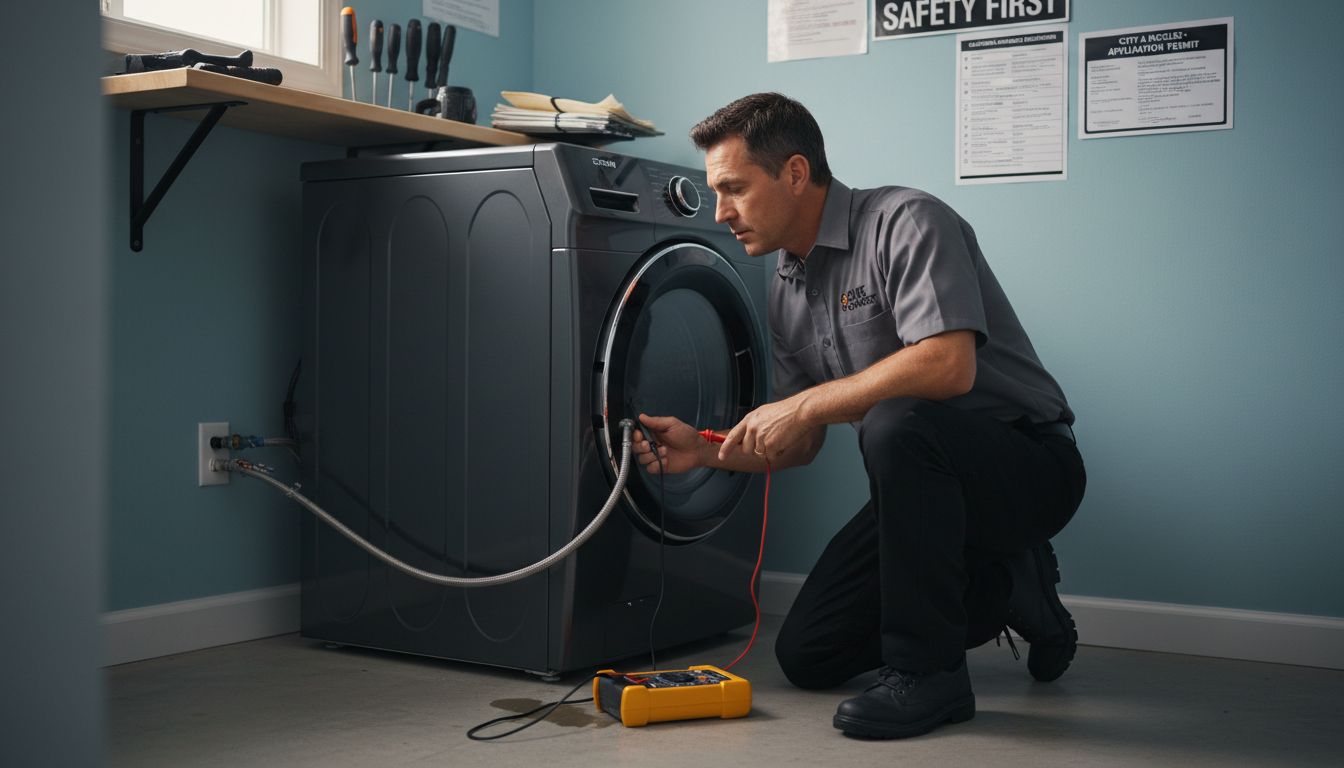
- Laundry Equipment: Washers and dryers requiring specialized electrical and water connections
As the Uniform Mechanical Code details, mechanical appliance installations involve intricate processes beyond simple placement. Our comprehensive guide to home appliance types offers deeper insights into the nuanced world of residential equipment installation, ensuring homeowners understand the technical expertise required for safe, efficient setup.
Step-by-Step Guide to Professional Installation
Professional appliance installation is a methodical process that requires precision, technical knowledge, and strict adherence to safety standards.
According to California Code of Regulations, technicians must follow specific guidelines when installing electrical equipment, particularly in potentially hazardous locations, to ensure maximum safety and operational efficiency.
Pre-Installation Preparation is crucial and involves several critical steps:
- Site Assessment: Thoroughly evaluate the installation location
- Measurements: Precise measurements of available space and equipment dimensions
- Utility Connections: Verify electrical, gas, and water line compatibility
- Safety Inspection: Check existing infrastructure for potential installation challenges
California Code of Regulations, Title 8 emphasizes the importance of comprehensive equipment examination before, during, and after installation. This means professional technicians conduct multiple checks to guarantee proper functionality and compliance with local building codes.
The actual installation process typically follows these key stages:
- Positioning: Carefully place the appliance in its designated location
- Electrical Connections: Secure and verify all electrical hookups
- Plumbing Connections: Install water lines or gas connections as needed
- Ventilation Setup: Ensure proper airflow and ventilation requirements
- Functional Testing: Comprehensive operational checks
MDTech’s complete guide to appliance installation provides homeowners with additional insights into the intricate process of professional equipment setup, helping them understand the expertise required for safe and efficient installation.
Safety And Legal Requirements in California
Appliance installation in California is governed by stringent safety regulations that prioritize public protection and operational efficiency. According to the California Code of Regulations, electrical equipment must be completely free from recognized hazards and installed in strict conformity with established safety orders, creating a comprehensive legal framework for professional installers.
The state imposes multiple layers of regulatory compliance that technicians must navigate:
- Electrical Safety Standards: Ensuring all connections meet precise technical requirements
- Performance Verification: Comprehensive testing of installed equipment
- Hazard Prevention: Identifying and mitigating potential installation risks
- Licensing Requirements: Mandatory certification for professional installers
The California Energy Commission plays a critical role in establishing statewide energy efficiency standards that directly impact appliance installation protocols. These regulations not only protect consumers but also promote sustainable energy practices across residential and commercial settings.
Homeowners should understand that professional installation goes beyond simple equipment placement. It involves:
- Comprehensive safety inspections
- Precise electrical and plumbing connections
- Compliance with local building codes
- Verification of manufacturer specifications
Our detailed guide to appliance installation requirements offers additional insights into navigating California’s complex legal landscape, helping residents understand the critical importance of professional, code-compliant installation services.
Risks, Costs, and Common Mistakes to Avoid
Appliance installation involves significant potential risks that can impact both financial and safety outcomes for homeowners. According to the California Code of Regulations, non-compliance with installation standards can lead to serious legal and safety consequences, making professional expertise crucial in preventing costly mistakes.
Common Installation Mistakes that homeowners and inexperienced technicians frequently encounter include:
- Incorrect Electrical Connections: Potentially causing short circuits or fire hazards
- Improper Ventilation: Reducing appliance efficiency and creating safety risks
- Measurement Errors: Leading to equipment malfunction or inability to fit properly
- Overlooking Permit Requirements: Risking legal penalties and insurance complications
The California Energy Commission emphasizes that improper installation can dramatically increase energy consumption, potentially resulting in:
- Higher utility bills
- Reduced appliance performance
- Shortened equipment lifespan
- Increased risk of mechanical failures
Financial risks associated with DIY or unprofessional installation can be substantial.
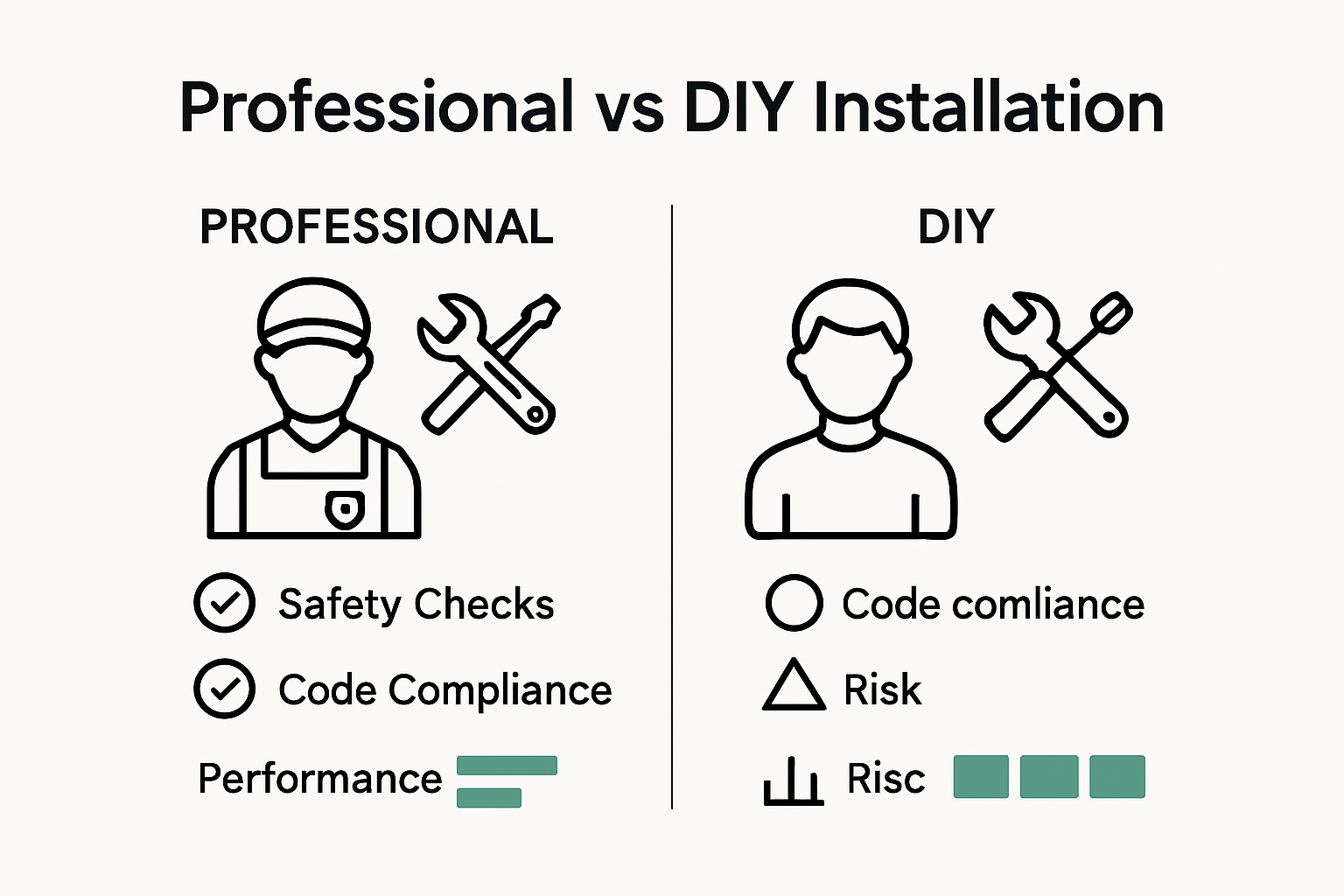
Homeowners might face expenses ranging from $200 to $2,000 in corrective repairs, not including potential damage to surrounding infrastructure or voided manufacturer warranties.
MDTech’s comprehensive installation guide provides additional insights into avoiding these costly mistakes, helping homeowners understand the critical importance of professional, code-compliant installation services.
Ensure Safe and Professional Appliance Installation with MDTech Services
Proper appliance installation is essential to avoid risks such as electrical hazards, gas leaks, and costly mistakes that reduce your appliance’s performance. This article highlights key challenges including meeting safety standards, precise electrical and plumbing connections, and complying with California regulations. If you want to protect your home and ensure your appliances operate efficiently and safely, trust the experts who understand these complexities.

Don’t leave your home’s safety and comfort to chance. MDTech Services specializes in expert residential appliance installation and repair throughout Orange County and Los Angeles County. With licensed technicians and a safety-first approach, we handle everything from refrigerators to HVAC systems and even appliance conversions from LP to natural gas. Visit MDTech Services to book your appointment today and experience reliable, code-compliant installations that give you peace of mind. Learn more about our professional appliance installation services and take the first step toward a safer, more efficient home.
Frequently Asked Questions
What is appliance installation?
Appliance installation is a specialized service that involves setting up household electrical and gas-powered equipment to ensure safe and efficient operation, following local building codes and safety standards.
What are the common types of appliances that require professional installation?
Common types of appliances requiring professional installation include kitchen appliances like refrigerators, dishwashers, and ovens, as well as HVAC systems and laundry equipment such as washers and dryers.
What are the risks of improper appliance installation?
Improper appliance installation can lead to significant risks, including electrical malfunctions, gas leaks, reduced appliance efficiency, increased utility bills, and potential legal issues due to non-compliance with safety regulations.
What steps are involved in the professional appliance installation process?
The professional appliance installation process typically involves site assessment, precise measurements, utility connections, safety inspections, positioning the appliance, securing electrical and plumbing connections, setting up ventilation, and conducting functional tests.