
Many homeowners are surprised to learn that over 60 percent misunderstand what appliance warranties truly cover. Misconceptions about coverage can lead to costly mistakes and unexpected repair bills. Knowing the facts about appliance warranties helps you avoid hidden exclusions and take full advantage of your rights as a customer. This guide brings clarity to warranty terms, reveals common pitfalls, and helps you make confident decisions before and after any appliance purchase.
Table of Contents
- Defining Appliance Warranties And Common Misconceptions
- Types Of Appliance Warranties Explained
- Coverage Details: What Is And Isn’t Included
- Homeowner Rights, Obligations, And Claim Process
- Exclusions, Costs, And What To Avoid
Key Takeaways
| Point | Details |
|---|---|
| Understanding Warranty Types | Appliance warranties come in various forms, including written, spoken, and implied warranties, each offering different levels of protection. Familiarize yourself with these types to make informed purchases. |
| Review Warranty Coverage | Coverage specifics such as repair scope, duration, and exclusions can greatly vary among manufacturers. Always read warranty documentation carefully to understand what is included and excluded. |
| Consumer Rights and Obligations | Homeowners have rights to clear warranty terms and obligations like maintaining appliance records and using authorized repair services. Staying informed on these aspects can help navigate warranty claims effectively. |
| Preventing Unexpected Costs | Be aware of common warranty exclusions and potential out-of-pocket costs such as labor and parts fees. Regular maintenance and documentation are vital to avoiding unexpected repair expenses. |
Defining Appliance Warranties and Common Misconceptions
An appliance warranty is a legally binding promise from a manufacturer or seller guaranteeing product performance and repair under specific conditions. According to the Federal Trade Commission, a warranty details the terms and conditions in writing, explaining what protection the consumer receives after purchasing an appliance.
Warranties are not universal blanket protections. The Association of Home Appliance Manufacturers emphasizes that warranty coverage can vary dramatically between manufacturers and product types. Some key differences include:
- Duration of coverage (30 days vs. multiple years)
- Scope of repairs covered
- Parts and labor inclusions
- Specific exclusions and limitations
Many homeowners mistakenly assume all warranties offer comprehensive protection. In reality, warranties often have nuanced conditions that can limit their effectiveness. Some common misconceptions include:
- Believing all repairs are automatically covered
- Assuming warranties transfer with home or appliance sale
- Thinking extended warranties always provide better protection
To maximize warranty benefits, carefully review the documentation, understand specific terms, and maintain proper appliance maintenance. Keeping detailed records of service and following manufacturer guidelines can help ensure your warranty remains valid and provides the protection you expect.
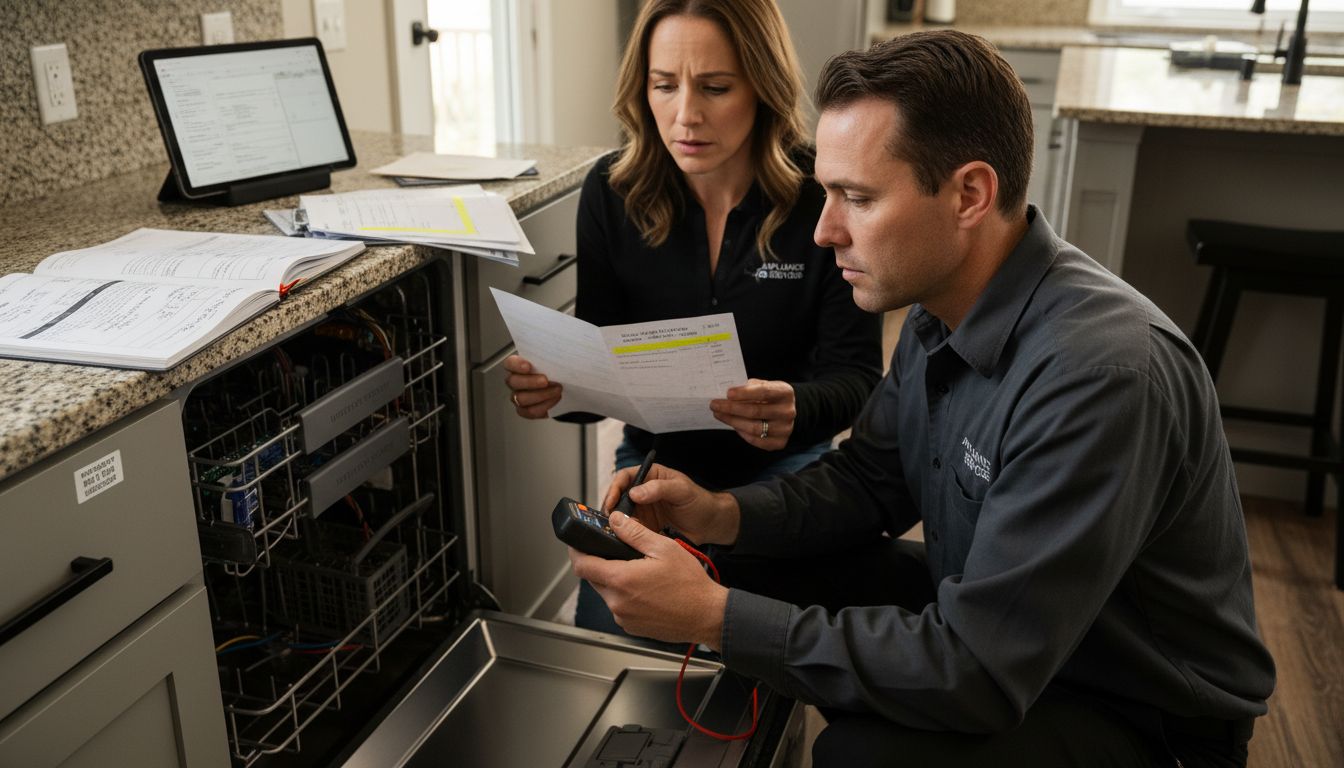
When considering an appliance purchase, always request and thoroughly read the warranty documentation. Ask specific questions about coverage limitations, repair processes, and potential out-of-pocket expenses to avoid unexpected surprises.
Types of Appliance Warranties Explained
According to the Federal Trade Commission, appliance warranties can be categorized into three primary types: written warranties, spoken warranties, and implied warranties. Each type offers different levels of protection and legal recourse for consumers purchasing home appliances.
The Association of Home Appliance Manufacturers further distinguishes warranties into two critical classifications: full warranties and limited warranties. Here’s a detailed breakdown:
Full Warranties:
- Require free repair or replacement of defective products
- Cover repairs within a reasonable timeframe
- Typically apply to major defects or systemic product failures
- Often transferable between owners
Limited Warranties:
- Have specific restrictions and exclusions
- May cover only certain parts or types of repairs
- Often have time-based or usage-based limitations
- Require consumer to cover partial repair costs
Written warranties provide the most comprehensive documentation, explicitly detailing the manufacturer’s obligations. These documents outline specific conditions, repair processes, and consumer rights. Spoken warranties, while legally binding, are more challenging to enforce due to lack of written proof.
Implied warranties represent an unwritten guarantee that the product will function as reasonably expected. These warranties automatically apply unless specifically disclaimed by the manufacturer. When purchasing an appliance, understanding these warranty types can help you make informed decisions and protect your investment.
To maximize your warranty protection, learn how to choose an appliance repair service that understands these nuanced warranty distinctions and can help you navigate potential repair scenarios effectively.
Coverage Details: What Is and Isn’t Included
According to the Federal Trade Commission, warranty coverage can be complex and varies dramatically between different manufacturers and appliance types. Understanding precisely what is and isn’t included is critical to avoiding unexpected repair expenses.
Typical warranty coverage components often include:
- Replacement of defective parts
- Repair of manufacturing defects
- Specified timeframe for parts and labor protection
- Some electrical and mechanical system repairs
Exclusions frequently found in warranties typically encompass:
- Damage from improper installation
- Normal wear and tear
- Cosmetic damages
- Unauthorized repair attempts
- Environmental damage
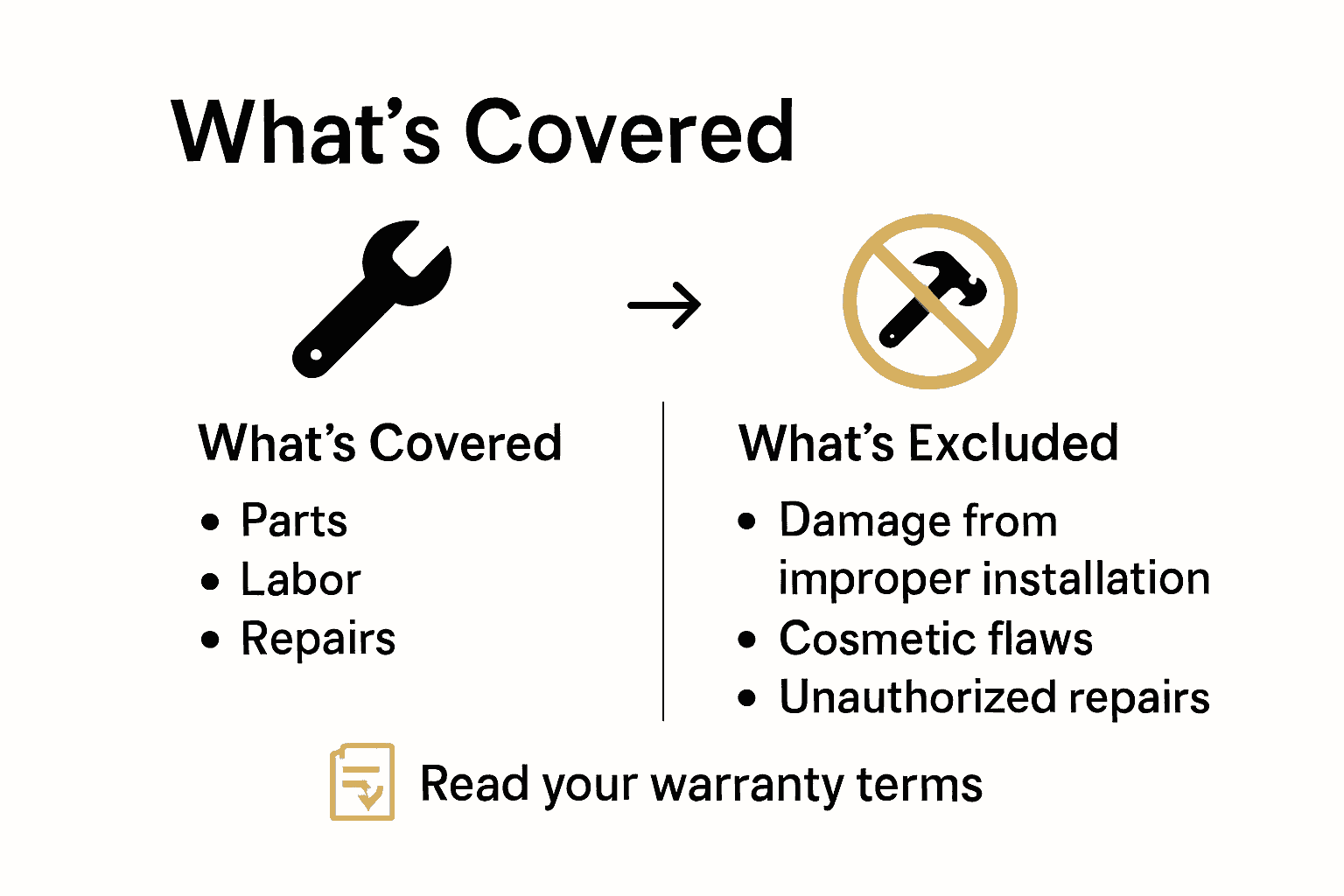
The Association of Home Appliance Manufacturers emphasizes that consumers should carefully review specific coverage details. Some warranties might cover certain components for extended periods while excluding others entirely.
Maintaining detailed maintenance records can significantly impact warranty claims. Many manufacturers require proof of regular professional servicing to keep warranties valid. This means scheduling routine inspections and keeping documentation of all maintenance can protect your investment and ensure warranty compliance.
To maximize your understanding of warranty details, learn how to repair appliances with our comprehensive homeowner guide, which provides insights into navigating complex warranty requirements and maintaining your appliances effectively.
Homeowner Rights, Obligations, and Claim Process
According to the Federal Trade Commission, the Magnuson-Moss Warranty Act establishes critical consumer protections for warranty claims. This legislation ensures homeowners have clear rights and access to warranty information before purchasing an appliance, mandating transparency and fairness in warranty documentation.
Homeowner Rights include:
- Receiving complete warranty terms before purchase
- Accessing written warranty documentation
- Getting repairs completed within reasonable timeframes
- Requesting detailed explanations for warranty claim decisions
- Pursuing legal recourse if warranty terms are not honored
Homeowner Obligations typically involve:
- Maintaining proper appliance maintenance records
- Following manufacturer-recommended care instructions
- Reporting issues within specified warranty periods
- Using authorized repair services
- Preserving original proof of purchase
The Association of Home Appliance Manufacturers emphasizes the importance of understanding specific claim procedures. Most warranty claims require systematic documentation, including detailed repair histories, photographs of damage, and comprehensive problem descriptions.
Successful warranty claims often depend on meticulous record-keeping and prompt communication. Homeowners should document every interaction, keep maintenance receipts, and submit claims quickly when issues arise. Delays or incomplete documentation can potentially compromise warranty protection.
To streamline your warranty claim process, learn how to choose an appliance repair service that understands manufacturer requirements and can help you navigate complex warranty procedures effectively.
Exclusions, Costs, and What to Avoid
According to the Federal Trade Commission, warranties often include complex exclusions that can catch homeowners off guard. Understanding these potential financial pitfalls is crucial for protecting your appliance investment and avoiding unexpected repair expenses.
Common Warranty Exclusions:
- Damage from improper installation
- Cosmetic imperfections
- Accidental damage
- Environmental factors
- Normal wear and tear
- Modifications or unauthorized repairs
Potential Out-of-Pocket Costs:
- Labor charges
- Diagnostic fees
- Replacement parts not covered
- Transportation or shipping expenses
- Service call fees
- Repair costs exceeding warranty limits
The Association of Home Appliance Manufacturers warns that many warranties require consumers to pay for specific repair components. Some manufacturers impose strict conditions that can quickly nullify warranty coverage, making careful documentation and adherence to maintenance guidelines essential.
Preventative maintenance is your best defense against costly repairs. Regular professional inspections, following manufacturer guidelines, and maintaining detailed service records can help preserve your warranty and minimize potential financial risks.
To protect yourself from unexpected expenses, learn how to choose an appliance repair service that understands warranty intricacies and can help you navigate potential coverage challenges effectively.
Secure Your Appliance Investment with Trusted Local Service
Understanding the fine print of your appliance warranty is crucial to avoid unexpected repair costs and frustration. This article highlights common warranty pitfalls such as limited coverage, exclusions for improper maintenance, and the importance of timely claims. If you want peace of mind knowing your refrigerator, ice machine, or other home appliance is in expert hands you should turn to a service provider that truly understands warranty terms and the complexities of appliance repairs.

At MDTech Services, we combine deep knowledge of appliance warranties with skilled repair and installation tailored for homeowners in Orange County and Los Angeles County. Our licensed technicians specialize in serving brands like Sears and are committed to clear communication, reliability, and safety. Don’t risk warranty denial or out-of-pocket repair bills because of avoidable errors. Instead, experience the confidence that comes with working with a local company that helps you protect your home investment from start to finish.
Make your warranty work for you today by booking expert appliance repair or installation with MDTech Services. Visit MDTech Services now to schedule an appointment and get the professional support that your appliances deserve. Also discover how to choose an appliance repair service that maximizes warranty benefits and reduces costly surprises. For DIY enthusiasts who want to understand appliance care deeper explore our guide on how to repair appliances as a homeowner and stay informed and empowered.
Frequently Asked Questions
What is an appliance warranty?
An appliance warranty is a legally binding promise from a manufacturer or seller that guarantees product performance and repair under specific conditions outlined in writing.
What are the main types of appliance warranties?
Appliance warranties can be categorized into written warranties, spoken warranties, and implied warranties. They are further classified as full warranties and limited warranties, each offering different levels of protection.
What common exclusions should I be aware of in an appliance warranty?
Common exclusions in appliance warranties include damage from improper installation, cosmetic imperfections, normal wear and tear, accidental damage, and repairs from unauthorized service providers.
How can I ensure my appliance warranty remains valid?
To maintain warranty validity, it’s essential to keep detailed maintenance records, follow manufacturer care instructions, schedule regular professional servicing, and document any repairs or issues promptly.