
More than 60 percent of american homeowners report problems after attempting DIY appliance installation. With the complexity of today’s major household systems, even simple setups can lead to risks that threaten safety and property value. Understanding what true appliance installation involves empowers homeowners to make informed choices and protect their homes from costly mistakes. This guide breaks down what professional appliance installation means in residential settings, why expert help matters, and what every american family should know before their next upgrade.
Table of Contents
- Defining Appliance Installation In Residential Settings
- Types Of Appliances And Installation Methods
- Essential Steps And Professional Techniques
- Legal, Safety, And Permit Requirements In California
- Risks, Liabilities, And Cost Considerations
Key Takeaways
| Point | Details |
|---|---|
| Importance of Professional Installation | Hiring licensed technicians ensures compliance with safety standards and optimal appliance performance. |
| Complexity of Installation | Major appliances require careful assessment of power, water, and gas connections to avoid future problems. |
| Legal and Safety Compliance | In California, installations must adhere to strict regulations, including obtaining permits and passing inspections. |
| Financial Risks of DIY | Improper installation can void warranties and lead to significant repair costs, making professional services a cost-effective choice. |
Defining Appliance Installation in Residential Settings
Appliance installation represents a critical home improvement service that involves professionally connecting major household equipment to essential infrastructure like electrical, gas, and plumbing systems. According to lni.wa.gov, installation encompasses two primary categories: plug-in appliances and hard-wired appliances, each requiring distinct technical approaches and potential regulatory compliance.
In residential settings, appliance installation goes far beyond simply placing a device in its designated location. Pressbooks highlights that proper installation involves precise plumbing connections for devices like dishwashers, washing machines, and ice makers. These connections demand specialized knowledge to ensure safe, efficient functionality. Technicians must carefully assess factors such as water pressure, electrical load, gas line compatibility, and spatial constraints before executing an installation.
The complexity of modern appliance installation requires professional expertise. Key considerations include:
- Verifying electrical compatibility and load requirements
- Ensuring proper water and drainage connections
- Confirming gas line safety and pressure regulations
- Adhering to local building codes and manufacturer specifications
Homeowners should recognize that while some minor installations might seem straightforward, professional appliance installation services provide crucial safeguards against potential safety risks and equipment damage. Licensed technicians bring specialized training, precise tools, and comprehensive understanding of complex residential infrastructure requirements.
Types of Appliances and Installation Methods
Home appliances represent a diverse ecosystem of equipment, each requiring unique installation techniques and professional expertise. According to essc-india.org, appliances can be broadly categorized into two primary groups: major appliances and small appliances, with distinct installation methodologies for each category.
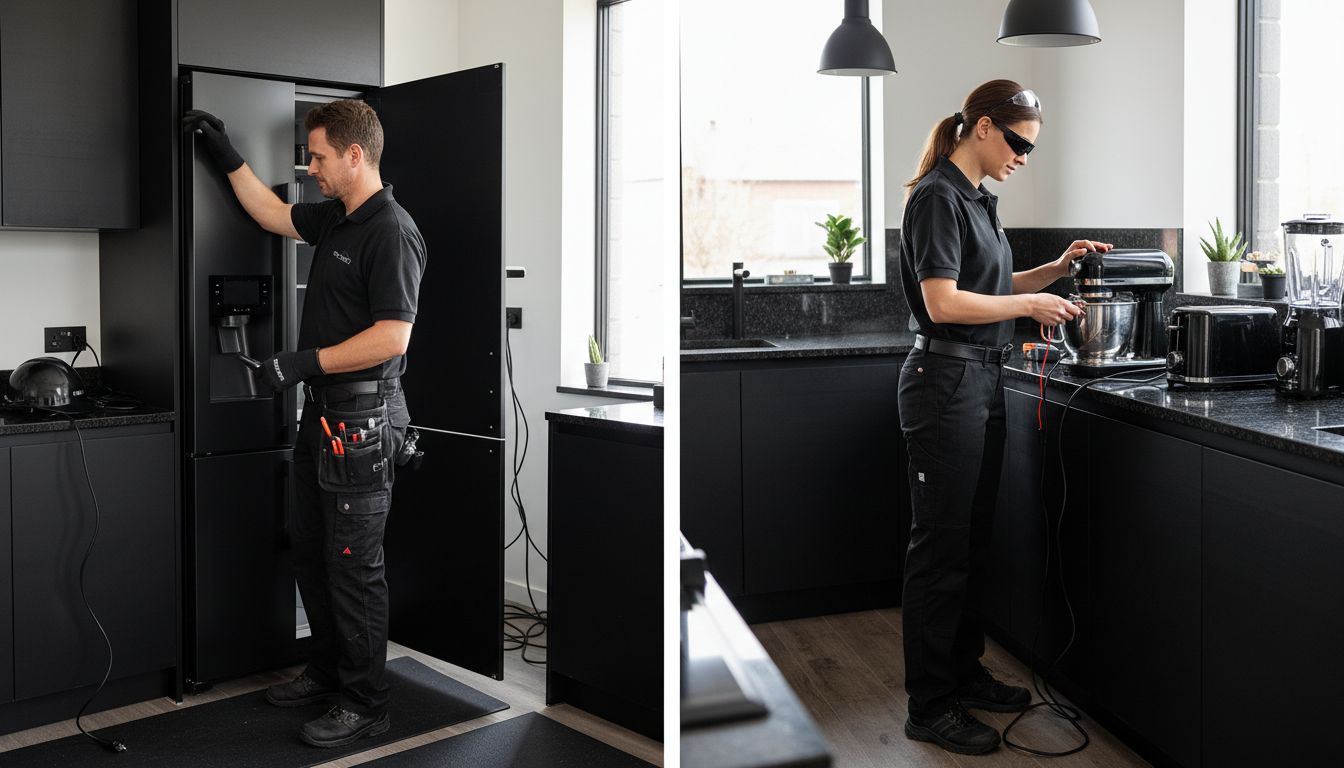
Major appliances demand comprehensive installation processes that involve intricate connections to home infrastructure. These typically include refrigerators, washing machines, dishwashers, and ovens, which require precise electrical, plumbing, or gas line integrations. 7 Essential Types of Home Appliances Every Homeowner Needs highlights the complexity of connecting these large-scale devices, emphasizing the need for professional technical intervention.
Installation methods vary significantly based on appliance type and infrastructure requirements:
- Electrical Plug-In Methods: Direct connection to standard electrical outlets
- Hard-Wired Installations: Permanent electrical system connections
- Plumbing-Integrated Installations: Direct water line and drainage connections
- Gas Line Connections: Specialized installations requiring professional certification
Small appliances, such as mixers, blenders, and countertop devices, generally involve simpler installation processes. However, even these seemingly straightforward connections require careful consideration of electrical load, kitchen workspace configuration, and manufacturer specifications. Professional technicians ensure not just functional placement, but also optimal performance and safety compliance across all appliance categories.
Essential Steps and Professional Techniques
Appliance installation requires a meticulously structured approach that combines technical expertise, safety protocols, and precise execution. Pressbooks emphasizes that successful installation involves multiple critical phases, each demanding specialized knowledge and careful attention to infrastructure requirements.
According to lni.wa.gov, professional installation encompasses comprehensive safety and regulatory compliance. Key pre-installation assessment steps include:
- Conducting thorough site measurements
- Verifying electrical and plumbing infrastructure compatibility
- Identifying potential structural limitations
- Assessing load-bearing requirements
- Confirming permit and inspection necessities
The professional installation process typically follows a structured sequence of technical interventions. Technicians must carefully evaluate the specific appliance’s requirements, including electrical specifications, water line connections, and spatial configurations. This involves precise measurements, specialized tools, and a deep understanding of both manufacturer guidelines and local building codes.
Beyond technical execution, professional installers bring critical safety expertise. They ensure proper grounding, correct voltage connections, and seamless integration with existing home systems. This comprehensive approach not only guarantees optimal appliance performance but also protects homeowners from potential electrical hazards, water damage, or structural complications that could arise from improper installation techniques.
Legal, Safety, and Permit Requirements in California
Appliance installation in California demands rigorous adherence to state-specific legal and safety regulations, reflecting the unique environmental and infrastructural challenges of the region. Basc emphasizes the critical importance of seismic safety requirements, particularly for appliance installations in earthquake-prone areas.
According to lni.wa.gov, professional installations must navigate a complex landscape of legal and regulatory compliance. Key legal considerations include:
- Obtaining necessary municipal permits
- Passing required safety inspections
- Complying with California Building Code standards
- Ensuring proper electrical and gas line certifications
- Adhering to manufacturer-specific installation guidelines
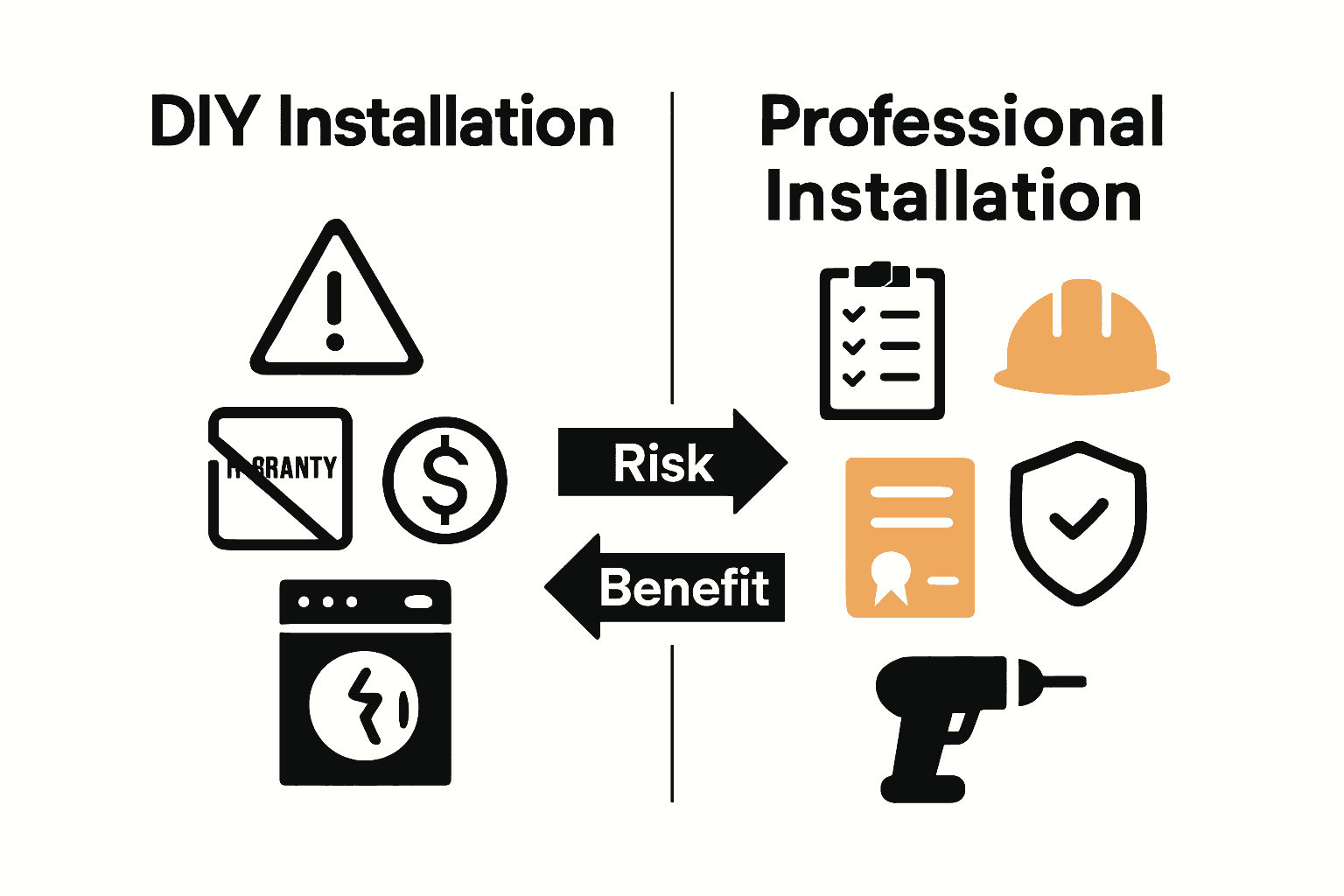
California’s stringent safety regulations mandate specialized installation techniques, particularly in regions with high seismic activity. Role of Safety in Appliance Repair highlights the critical need for professional intervention, especially when dealing with complex appliance installations involving electrical, gas, or plumbing connections. Homeowners must recognize that DIY installations can potentially void warranties, compromise safety, and lead to significant legal and financial liabilities.
The state’s comprehensive approach to appliance installation goes beyond mere technical compliance. Professional technicians must navigate intricate local building codes, understand specific regional safety requirements, and ensure that every installation meets the highest standards of structural integrity and operational safety. This multilayered approach protects homeowners from potential hazards while ensuring optimal performance and long-term reliability of their household appliances.
Risks, Liabilities, and Cost Considerations
Appliance installation involves a complex web of potential financial and legal risks that homeowners must carefully navigate. The financial implications extend far beyond the initial installation costs, encompassing potential damage, warranty complications, and long-term performance impacts that can significantly affect household budgets and property value.
The primary risks associated with improper appliance installation include:
- Voiding manufacturer warranties
- Potential property damage from incorrect connections
- Increased energy consumption due to inefficient installations
- Safety hazards leading to electrical or gas-related incidents
- Unexpected repair and replacement costs
Role of Safety in Appliance Repair underscores the critical financial protection that professional installation provides. Homeowners who attempt DIY installations risk substantial economic consequences, including potentially invalidating insurance claims, incurring expensive repairs, and facing potential legal liabilities if improper installation leads to property damage or personal injury.
Professional installation services offer a comprehensive cost-mitigation strategy. While the upfront investment might seem higher than a DIY approach, the long-term savings are significant. Certified technicians ensure optimal appliance performance, minimize energy waste, maintain manufacturer warranties, and provide critical protection against potential safety incidents that could result in devastating financial and legal repercussions. The true value lies not just in the immediate installation, but in the comprehensive risk management and peace of mind that professional services deliver.
Ensure Safe and Expert Appliance Installation with MDTech Services
The article highlights critical challenges in residential appliance installation such as navigating complex electrical, plumbing, and gas connections while meeting strict safety codes and manufacturer requirements. Homeowners face risks like voided warranties, property damage, and costly repairs if installations are done incorrectly or without proper permits. Understanding the importance of professional expertise is key to protecting your home and investment.

Don’t risk your safety or appliance performance. Trust the licensed technicians at MDTech Services to provide reliable, code-compliant appliance installation and conversions from LP to natural gas in Orange County and Los Angeles County. We specialize in major household appliances requiring precise hookups and safety inspections. Book your expert service now to safeguard your home and enjoy peace of mind with every new installation. Visit MDTech Services and secure your appointment today.
Frequently Asked Questions
What is included in appliance installation services?
Appliance installation services typically include connecting major household appliances to electrical, gas, and plumbing systems, ensuring proper safety protocols, and complying with local building codes and manufacturer specifications.
What are the risks of improper appliance installation?
Improper appliance installation can lead to voided manufacturer warranties, property damage from incorrect connections, safety hazards such as electrical or gas leaks, and unexpected repair or replacement costs.
Why should I hire a professional for appliance installation instead of doing it myself?
Hiring a professional ensures compliance with safety regulations, proper installation techniques, and reduces the risk of costly issues down the line, including damage to the appliance, the home, or potential injury.
What types of appliances require specialized installation?
Major appliances such as refrigerators, washing machines, dishwashers, and ovens require specialized installation due to their complex connections to electrical, plumbing, or gas lines, while even small appliances can benefit from professional oversight for optimal performance.