
TL;DR:
- Hiring a licensed professional ensures safety, legal compliance, and preservation of manufacturer warranties. Proper installation also improves energy efficiency, prevents hidden damage, and extends equipment lifespan. DIY work often leads to costly repairs, voided warranties, and decreased home resale value.
Professional installation is defined as the setup of appliances or HVAC systems by a licensed technician who meets manufacturer specifications, local building codes, and federal safety standards. The advantages of professional installation go well beyond convenience. They include verified safety, preserved warranties, measurable energy savings, and protection against costly hidden damage. For homeowners in Orange County and Los Angeles County weighing a DIY approach against hiring a pro, the financial and safety case for expert setup is clear and well-documented.
1. Advantages of professional installation: safety and compliance
Safety is the most immediate reason to hire a licensed installer. Federal and industry standards require licensed professionals for any work involving high-voltage electricity at 240V, gas lines, and sealed refrigerant systems. These are not suggestions. They are legal requirements backed by enforcement.
The risks of unlicensed or DIY work in these areas include:
- Gas leaks and explosions from improper connections on ranges, dryers, or furnaces
- Electrical fires from incorrect wiring on high-voltage appliances like electric dryers or HVAC units
- Refrigerant exposure, which causes chemical burns and respiratory injury
- Failed inspections that delay home sales or trigger insurance claim denials
Federal EPA law under Section 608 forbids venting refrigerants into the atmosphere and requires certified technicians for all refrigerant handling. Violations carry fines up to $44,539 per day. That number alone makes the cost of a licensed installer look trivial.
Licensed HVAC professionals pull permits, conduct inspections, and carry liability insurance. This protects you from financial and legal exposure if something goes wrong after installation. It also protects your home’s resale value by keeping all work on record with the local building department.
Pro Tip: Ask your installer for a copy of the permit and final inspection sign-off. Keep both documents with your appliance records. You will need them if you sell your home or file an insurance claim.
2. Energy efficiency and cost savings through expert setup
Poor installation wastes money every month. Improper HVAC installation reduces system efficiency by 20–30%, adding $40–$80 to your monthly utility bills. Over a ten-year equipment lifespan, that adds up to thousands of dollars in avoidable costs.
Correct sizing is one of the most overlooked benefits of expert setup. Manual J load calculations match the HVAC system’s capacity to your home’s actual heating and cooling needs. An oversized unit short-cycles, wearing out the compressor faster. An undersized unit runs constantly, driving up energy bills and failing early.
| Installation Factor | Done Correctly | Done Incorrectly |
|---|---|---|
| HVAC system sizing | Matches home load, extends equipment life | Short-cycling, premature compressor failure |
| Ductwork sealing | 18–36% energy savings possible | Conditioned air lost to unconditioned spaces |
| Refrigerant charge | Full rated efficiency | Reduced cooling, higher energy draw |
| Appliance leveling | Proper drainage, no vibration damage | Water leaks, worn bearings, noise |
Ductwork quality alone can yield energy savings of 18–36%. A licensed technician seals duct joints, tests airflow, and verifies refrigerant charge before leaving the job. A DIY install skips most of these steps because the tools and training required are not available to the average homeowner.
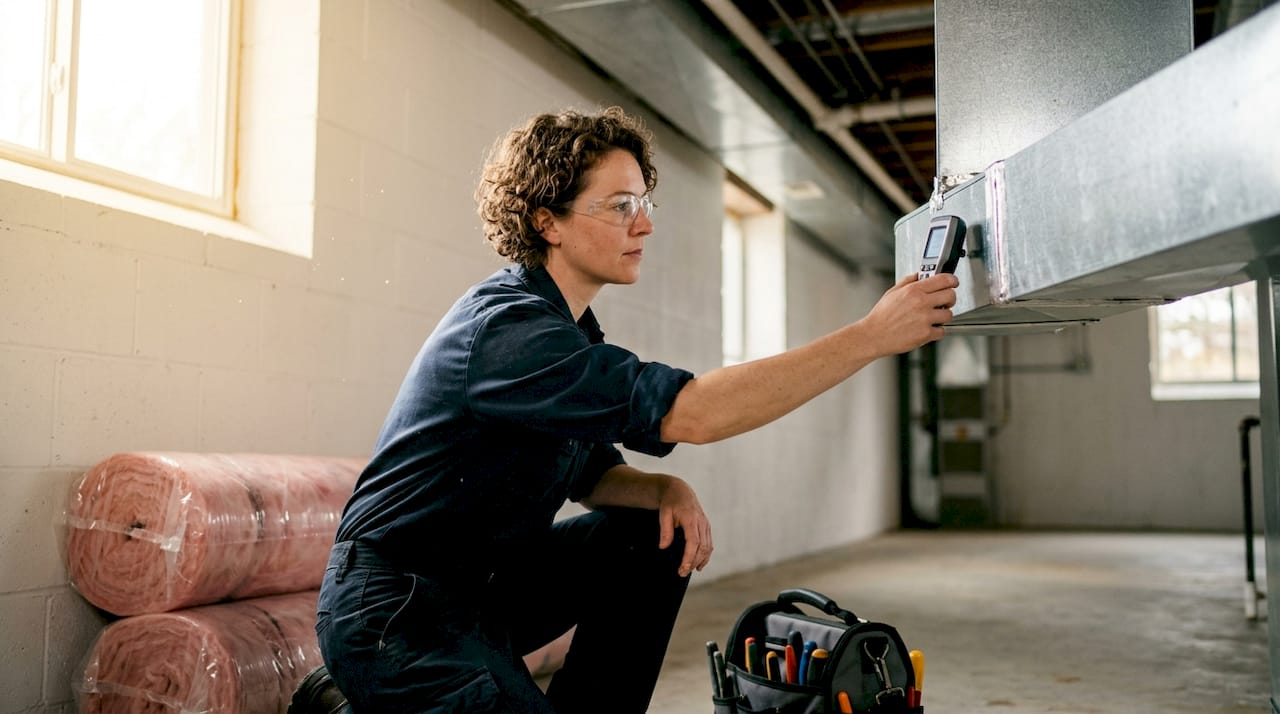
Pro Tip: Request a post-installation efficiency report from your HVAC technician. It should include airflow readings, refrigerant charge levels, and duct leakage test results. These numbers confirm your system is running at rated capacity.
3. Preserving and validating manufacturer warranties
Most manufacturer warranties require licensed installation as a condition of coverage. This applies to HVAC systems, refrigerators, dishwashers, and most major appliances. If an unlicensed person installs the unit, the warranty is void from day one, even if the equipment itself is brand new.
The financial impact of a voided warranty is significant. Unlicensed HVAC installation results in repair bills averaging $1,500 to $5,000 when the manufacturer refuses to cover the work. A compressor replacement alone can cost more than the original installation fee.
Key warranty protection benefits of professional installation include:
- Certified documentation showing the installer’s license number and installation date
- Inspection records that satisfy manufacturer audit requirements
- Proper part usage confirming only approved components were installed
- Warranty registration support that many licensed installers handle on your behalf
The math is straightforward. Paying a licensed technician upfront costs far less than paying out of pocket for a major repair that a valid warranty would have covered. You can learn more about appliance installation and warranty requirements to understand what documentation your specific equipment needs.
4. Quality assurance: how professionals secure performance and durability
Professional installers follow manufacturer specifications exactly. Appliances installed to spec, including correct leveling, venting, and pressure testing, perform as designed and avoid the silent performance degradation common in substandard installations. This matters because most installation errors do not cause immediate failures. They cause slow, invisible damage.
Hidden water leaks from poorly installed dishwashers or refrigerators can damage subfloors and cabinets for months before anyone notices. By the time the damage is visible, the repair bill often exceeds the original appliance cost. A licensed installer checks every water connection, tests for leaks, and confirms drainage before the job is complete.
“Professional installation acts as performance insurance for your home. When a licensed technician installs your appliance or HVAC system to exact manufacturer specifications, you are protected from the costly silent damage that substandard work causes over months and years.”
Professionals also bring specialized tools that most homeowners do not own. Refrigerant manifold gauges, duct blasters, combustion analyzers, and digital multimeters are standard equipment for a licensed technician. These tools catch problems at installation that would otherwise surface as expensive service calls later.
Hidden installation problems cause HVAC components to wear prematurely through inefficient cycling, improper refrigerant charge, and duct leakage. A system installed correctly by a licensed pro runs at full rated efficiency from day one and lasts its full expected lifespan. That directly supports your home’s resale value, since buyers and home inspectors look for permitted, documented work.
The advantages of licensed technicians extend beyond the installation day itself. Licensed pros stand behind their work, return for warranty service calls, and maintain records that protect you for years after the job is done.
Key Takeaways
Professional installation protects homeowners through verified safety compliance, preserved warranties, measurable energy savings, and documented quality that unlicensed or DIY work cannot provide.
| Point | Details |
|---|---|
| Safety and legal compliance | Licensed installers handle gas, 240V electrical, and refrigerants legally and safely. |
| Warranty protection | Manufacturer warranties require licensed installation; unlicensed work voids coverage immediately. |
| Energy cost savings | Improper HVAC installation adds $40–$80 per month in wasted utility costs. |
| Hidden damage prevention | Professionals test connections and catch leaks before they cause months of unseen damage. |
| Long-term equipment life | Correct sizing and spec-compliant installation extend equipment lifespan and protect resale value. |
What we have learned from years of installation work
After years of installing and repairing appliances and HVAC systems across Orange County and Los Angeles County, the pattern we see most often is this: homeowners who attempt their own installation to save money end up calling us anyway, usually after a leak, a tripped breaker, or a warranty denial. The savings they expected never materialize.
The most common DIY mistake we encounter is skipping the permit. Homeowners assume permits are bureaucratic overhead. They are not. A permit triggers an inspection, and an inspection catches errors before they become disasters. We have seen unpermitted HVAC installations that ran for two years at 40% efficiency because no one verified the refrigerant charge or duct connections at startup.
My honest advice: treat professional installation as part of the equipment cost, not as an optional add-on. A licensed installer who pulls permits, documents the work, and tests the system before leaving is the single best investment you can make after buying a new appliance or HVAC unit. When you are comparing quotes, ask every contractor for their license number and proof of insurance. If they hesitate, that is your answer.
— MDTECH
Mdtechservices: licensed installation for appliances and HVAC
Mdtechservices serves homeowners across Orange County and Los Angeles County with licensed, insured appliance and HVAC installation. Every technician on our team carries the credentials required for gas, electrical, and refrigerant work, and we handle permit applications and inspection coordination on your behalf.

Whether you need a new refrigerator connected safely, an HVAC system sized and installed correctly, or an appliance repair or installation question answered, Mdtechservices is ready to help. We back every installation with full documentation to protect your manufacturer warranty and your home’s value. Book your appointment online or call us directly to schedule a licensed technician at a time that works for you.
FAQ
Is professional installation required for HVAC systems?
Licensed installation is required by federal and most local codes for any work involving gas lines, 240V electrical connections, or sealed refrigerant systems. Skipping a licensed installer also voids most manufacturer warranties.
How much money does professional HVAC installation save?
Proper installation prevents the 20–30% efficiency loss common with substandard work, saving homeowners $40–$80 per month on utility bills. Correct ductwork alone can yield energy savings of 18–36%.
What happens to my warranty if I use an unlicensed installer?
Most manufacturer warranties are voided immediately by unlicensed installation. Repair bills after a voided warranty average $1,500 to $5,000 for HVAC systems alone.
Why hire a professional installer instead of doing it myself?
Professional installers bring licensed expertise, specialized tools, and legal accountability that DIY work cannot replicate. They also handle permits and inspections that protect your home’s resale value and your insurance coverage.
Does professional installation affect home resale value?
Yes. Permitted, documented installation work is verified during home inspections and required by buyers’ lenders in many cases. Unpermitted work can delay or derail a home sale entirely.