
TL;DR:
- Early warning signs of failing HVAC systems include weak airflow, unusual noises, and rising energy bills. Immediate attention is required for odors, moisture issues, or gas smells to prevent safety hazards. Regular maintenance and prompt diagnosis can extend system lifespan and avoid costly repairs.
Your HVAC system rarely fails without warning. The signs of failing HVAC systems show up weeks or even months before a total breakdown, and recognizing them early can save you thousands in emergency repairs. Most homeowners either miss these signals or dismiss them as minor quirks. This guide walks you through every major warning sign, explains what causes each one, and tells you exactly what to do about it. Whether you manage a single-family home or a rental property, knowing these indicators puts you in control.
Table of Contents
- Key takeaways
- 1. Signs of failing HVAC systems: weak or inconsistent airflow
- 2. Unusual HVAC noises you should never ignore
- 3. Temperature inconsistencies and rising energy bills
- 4. Odors, moisture, and urgent safety warning signs
- 5. Quick reference: prioritize your response
- My honest take on catching HVAC problems early
- Get professional HVAC help before a small problem becomes a big repair
- FAQ
Key takeaways
| Point | Details |
|---|---|
| Airflow changes come first | Weak or uneven airflow is often the earliest warning sign homeowners can detect on their own. |
| Sounds signal specific problems | Different noises point to different failures, so knowing what to listen for helps you act faster. |
| Rising bills reveal hidden strain | A spike in energy costs with no change in usage often means your system is working harder than it should. |
| Odors and moisture need immediate attention | Musty, burning, or gas smells require same-day action to prevent health and safety hazards. |
| Trend observation beats one-time checks | Early detection based on noticing patterns over time prevents costly total HVAC failure. |
1. Signs of failing HVAC systems: weak or inconsistent airflow
Poor airflow is one of the most common HVAC system warning signs, and it tends to appear long before anything more serious develops. If you notice that air is barely coming through your vents, or that some rooms feel completely different from others, your system is telling you something.
The most frequent causes include:
- Dirty or clogged air filters that restrict how much air moves through the system
- Blocked or closed vents in unused rooms, which the DOE links directly to restricted airflow and malfunction
- Damaged or leaky ductwork that bleeds conditioned air into wall cavities instead of rooms
- Fouled evaporator or condenser coils that reduce system capacity over time
When airflow is restricted, the compressor and fan motors have to work harder to move air through the system. That added strain accelerates wear on expensive components. Blocked ducts and dirty filters also push your system below ASHRAE ventilation standards, which affects indoor air quality directly.
You can check and replace your air filter yourself, and you can walk your home to confirm all supply vents are open. Beyond that, duct inspections and coil cleaning require a licensed technician.
Pro Tip: Replace your air filter every 30 to 90 days depending on household dust levels and whether you have pets. If you pull the filter and it looks gray and packed solid, that alone could explain your airflow problem.
2. Unusual HVAC noises you should never ignore
A well-functioning HVAC system runs with a steady, low hum. When you start hearing sounds outside of that, they are indicators of HVAC failure that deserve attention right away. Loud or unfamiliar sounds are recognized early-warning signals of internal damage.
Here is what different noises typically mean:
- Rattling or clanking often points to loose panels, screws, or a foreign object caught in the fan blades
- Screeching or squealing usually signals worn motor bearings or a slipping belt in older systems
- Banging or thumping suggests a broken or unbalanced component, like a cracked blower wheel or a loose connecting rod in the compressor
- Clicking at startup or shutdown is normal, but constant clicking during operation points to a failing relay or control board
- Hissing can indicate a refrigerant leak or a duct seal that has blown out
The danger in ignoring unusual HVAC noises is that small mechanical issues compound quickly. A loose screw can become a broken fan blade. Worn motor bearings lead to full motor seizure. What costs $150 to fix today can turn into a $1,200 motor replacement if you wait two months.
Pro Tip: Record the sound on your phone and note when it happens: startup, steady operation, or shutdown. That information helps a technician diagnose the problem faster and reduces your service time.
3. Temperature inconsistencies and rising energy bills
If one bedroom is freezing while the living room never quite cools down, that uneven comfort is a clear performance indicator. Progressive HVAC failures show up as temperature inconsistency and increased energy consumption before anything physically breaks.
Watch for these specific patterns:
- Hot or cold spots in the home that were not there before, even with the thermostat set normally
- The system running constantly without reaching the set temperature, which signals a capacity problem
- Short cycling, meaning the unit turns on and off every few minutes. Short cycling caused by control problems stresses components and requires professional attention
- Unexplained spikes in your utility bill when your usage habits have not changed
Refrigerant leaks are a common cause of cooling loss and uneven performance. The DOE is clear that refrigerant issues require certified technicians for repair and recharge, both to protect the environment and prevent further system damage. Simply recharging refrigerant without fixing the leak wastes money and worsens the underlying problem over time.
Thermostat malfunctions also fall into this category. A thermostat that misreads the room temperature will cause the system to behave erratically, creating the impression of a much larger mechanical problem when the fix might be straightforward.
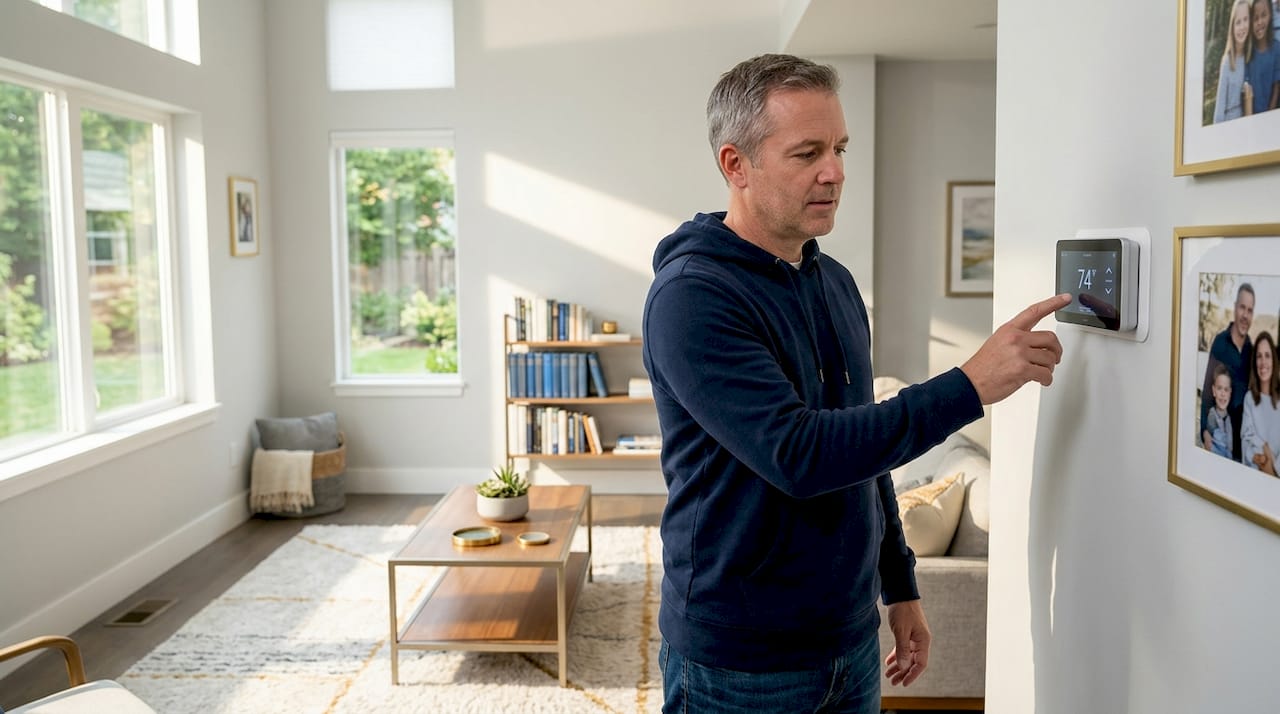
The key here is tracking trends. One warm afternoon is not a cause for concern. Three weeks of steadily rising bills and rooms that never reach the right temperature are a pattern worth acting on.
4. Odors, moisture, and urgent safety warning signs
Some HVAC system warning signs are not just inconvenient. They are genuinely hazardous, and they require same-day attention. Safety failures such as carbon monoxide detection and gas odors must not be deferred.
Pay attention to these specific indicators:
- Musty or moldy smells coming from vents indicate moisture buildup inside the system, the ductwork, or both. Mold spores spread through the air and create serious indoor air quality problems
- Burning smells, like hot plastic or a burning rubber odor, signal electrical component failure or overheating motors. Shut the system off and call a technician immediately
- Visible water pooling around your indoor unit points to a clogged condensate drain line or a frozen evaporator coil
- Gas smells near a gas-powered furnace require you to leave the home, avoid using any switches or open flames, and call your gas company before calling an HVAC technician
- Unusual mustiness tied to humidity spikes suggests the system is no longer managing indoor humidity, which accelerates mold growth throughout the home
A critical safety note: If you suspect a carbon monoxide leak — symptoms in residents include headache, dizziness, and nausea with no other explanation — evacuate immediately and call 911. Carbon monoxide detectors should be installed near every sleeping area and tested monthly.
5. Quick reference: prioritize your response
Not every symptom carries the same urgency. This table helps you sort what you are seeing and decide how fast to act.
| Warning sign | Likely cause | Urgency | Who handles it |
|---|---|---|---|
| Weak airflow from vents | Dirty filter, blocked ducts | Moderate | Check filter yourself; call tech for ducts |
| Rattling or banging sounds | Loose parts, broken component | High | Call a technician soon |
| Screeching or squealing | Worn motor bearings or belt | High | Schedule service promptly |
| Uneven room temperatures | Refrigerant leak, duct issues | Moderate to high | Licensed technician required |
| Rising energy bills | System strain, dirty coils | Moderate | HVAC efficiency inspection |
| Short cycling | Thermostat or electrical fault | High | Professional diagnosis needed |
| Musty or moldy smell | Moisture in ducts or unit | Moderate to high | Technician plus possible duct cleaning |
| Burning smell | Electrical overheating | Emergency | Shut off system; call immediately |
| Gas smell | Gas line issue | Emergency | Evacuate; call gas company first |
| Water pooling around unit | Clogged condensate drain | Moderate | Technician; some DIY possible |
Before calling for service, the DOE recommends checking fuses and circuit breakers as a first step when your system stops operating. This simple check eliminates unnecessary service calls.
You can also find a thorough HVAC symptom walkthrough to compare what you are experiencing against the most common repair scenarios.
My honest take on catching HVAC problems early
I have seen a pattern over years of working with homeowners in Orange County and Los Angeles County. The people who call us after a full system failure almost always mention one thing: they noticed something weeks earlier but figured it would go away on its own.
A slight drop in airflow, a bill that was $20 higher than usual, a faint smell that came and went. Those quiet signals matter more than the dramatic ones, because they give you time to act. By the time the system shuts down completely in July heat, your options narrow fast.
What I tell every homeowner is this: do not evaluate symptoms in isolation. One warm room is a data point. Warm rooms plus a higher bill plus a faint burning smell is a pattern that demands a call. Learning to read your system’s performance trends is the single most protective habit you can develop as a homeowner.
Also, most technicians will tell you that regular HVAC maintenance is what separates systems that last 15 to 20 years from ones that quit at 10. How long do HVAC systems last? A properly maintained system can reach 15 to 20 years. A neglected one often fails well short of that. You are not just preventing repairs. You are extending the life of a $5,000 to $12,000 investment.
— MDTECH
Get professional HVAC help before a small problem becomes a big repair

Catching the signs early is only half of the solution. Acting on them is the other half. At Mdtechservices, our licensed technicians serve homeowners and property managers across Orange County and Los Angeles County, providing fast, reliable HVAC diagnostics and repair. Whether you are dealing with unusual sounds, uneven temperatures, or a spike in energy costs, a professional assessment can tell you exactly what is happening and what it will take to fix it. Do not wait for a complete breakdown. Schedule an inspection now by visiting our HVAC repair guide or learn more about why timely repair matters for your home and budget.
FAQ
What are the first signs of a failing HVAC system?
The earliest signs are usually weak airflow from vents and a gradual rise in energy bills. These symptoms often appear weeks before more serious issues like motor failure or refrigerant leaks develop.
How long do HVAC systems last before they need replacement?
A well-maintained HVAC system typically lasts 15 to 20 years. Systems that miss regular maintenance often fail in 10 to 12 years, sometimes sooner in high-use climates like Southern California.
What does short cycling mean, and is it serious?
Short cycling is when your system turns on and off repeatedly in short bursts rather than completing a full heating or cooling cycle. It signals a thermostat or electrical fault and causes accelerated component wear, so it should be diagnosed by a technician promptly.
When should I shut off my HVAC immediately?
Shut your system off right away if you smell burning, see sparks near any unit, or detect a gas odor. For gas smells, leave the home and call your gas utility before contacting an HVAC technician.
Can I fix HVAC problems myself?
Homeowners can safely replace air filters and check that all vents are open. Anything involving electrical components, refrigerant, ductwork, or mechanical parts inside the unit requires a licensed technician to do safely and correctly.