
Preparing rental appliances for tenant move-in requires property managers in California to balance safety compliance, operational functionality, and cost efficiency. Many tenant complaints and emergency repair calls stem from overlooked appliance issues during turnover periods. This guide walks landlords through systematic testing protocols, safety verification steps, professional servicing considerations, and documentation practices to minimize disputes, reduce liability, and ensure tenant-ready appliances in Orange County and Los Angeles County rentals.
Table of Contents
- Selection Criteria For Tenant-Ready Appliance Preparation
- 1. Appliance Functionality Testing
- 2. Safety Compliance Checklist
- 3. Professional Servicing Benefits
- 4. Cost Considerations And Budgeting
- 5. Diy Vs Professional Inspections
- 6. Documentation And Tenant Communication
- 7. Maintenance Scheduling For Optimal Performance
- Summary Comparison And Situational Recommendations
- Discover Expert Appliance Repair And Installation Services
Key takeaways
| Point | Details |
|---|---|
| Testing reduces repairs | Pre-move-in appliance testing cuts emergency service calls by 40%. |
| Professional servicing | Licensed technicians improve safety compliance and repair efficiency significantly. |
| Documentation prevents disputes | Detailed condition records lower tenant disagreements by 25%. |
| Maintenance extends lifespan | Regular servicing decreases major breakdowns by 15% and prolongs appliance reliability. |
| Compliance is mandatory | California requires GFCI outlets, gas inspections, and proper ventilation for rental appliances. |
Selection criteria for tenant-ready appliance preparation
Property managers must evaluate several critical factors before handing keys to new tenants. Safety and regulatory compliance with California and local appliance safety standards forms the foundation of tenant-ready preparation. Meeting these requirements protects tenants from electrical shocks, gas leaks, and carbon monoxide hazards while shielding landlords from legal liability.
Appliance functionality and preventive maintenance ensure reliable operation throughout the lease term. Testing each appliance comprehensively before tenant occupancy prevents mid-lease breakdowns that disrupt tenant satisfaction and strain property management resources. Professional inspections often catch hazards that DIY approaches miss, though landlords must balance service costs against risk exposure and timing constraints.
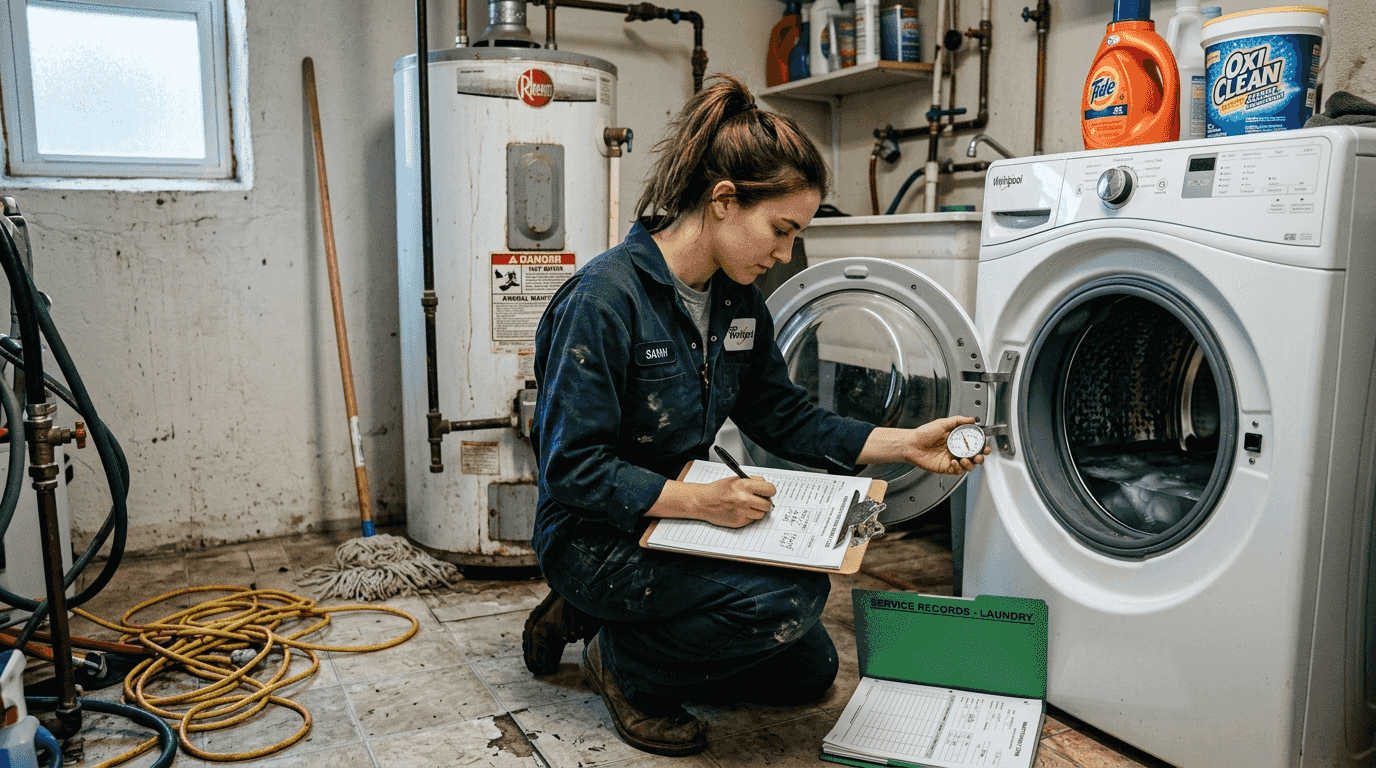
Effective documentation and tenant communication reduce disputes and establish clear expectations from day one. Good records track appliance condition shifts across tenant turnovers, supporting security deposit decisions and legal protection. Time and cost efficiency influence whether property managers pursue DIY inspections or hire licensed professionals. Following a 7-step appliance replacement checklist helps landlords systematize their preparation workflow.
Pro Tip: Create a standardized inspection form that covers all appliances in your rental properties. Consistent documentation simplifies tenant communications and provides defensible records if disputes arise.
Key evaluation criteria include:
- Safety compliance with state and local codes
- Operational functionality across all appliance features
- Cost versus benefit analysis of professional versus DIY inspections
- Documentation completeness for legal protection
- Maintenance schedule adherence to manufacturer guidelines
1. Appliance functionality testing
Comprehensive functionality testing before tenant move-in prevents many common complaints and emergency repair requests. Functional testing of refrigerators reduces emergency repair requests by approximately 40%, demonstrating the value of systematic pre-occupancy checks. Property managers should follow manufacturer-specific testing protocols for each appliance type to verify full operational status.
For refrigerators, test temperature regulation in both freezer and fresh food compartments using an appliance thermometer. Verify ice maker operation, check door seals for air leaks, and inspect drainage systems for clogs. Ovens require heating accuracy tests at multiple temperature settings, burner ignition checks, and oven light functionality verification.
Washing machines need cycle testing across all settings, including spin speeds, water temperature ranges, and drainage efficiency. Inspect hoses for cracks or weak connections that could cause leaks. Dryers require heat output verification, lint trap inspection, and exhaust vent airflow assessment to prevent fire hazards.
Documenting test results creates a baseline for tracking appliance condition changes over time. Record specific temperatures, cycle completion times, and any unusual noises or performance issues. This documentation supports security deposit decisions and helps identify when appliances approach end-of-life replacement needs. Landlords can reference a guide to appliance safety inspections for additional testing protocols.
Pro Tip: Test appliances under full load conditions, not empty, to reveal issues that only appear during actual use. Run a refrigerator for 24 hours with representative food items and check actual operating temperatures.
Functionality testing steps:
- Test all temperature settings and controls on refrigerators and freezers
- Verify oven and range burner heating accuracy and timing
- Run complete wash and dry cycles on laundry appliances
- Check for leaks, unusual noises, or performance inconsistencies
- Document all test results with dates and specific measurements
- Address any identified issues before tenant occupancy
2. Safety compliance checklist
California rental properties must meet strict safety standards for tenant appliances to protect occupants and satisfy legal requirements. California state law mandates installation of GFCIs and proper venting for rental appliances to prevent electrical shocks and carbon monoxide hazards. Property managers face significant liability exposure when they overlook these critical safety measures.
Gas appliances require certified inspection for leaks, proper combustion, and adequate ventilation. Licensed technicians should verify gas line connections, test for leaks using approved detection methods, and confirm flame color indicates complete combustion. Poor maintenance contributes to 40% of appliance safety recalls, making regular professional checks essential risk mitigation.
Electrical outlets serving major appliances must include ground fault circuit interrupters to reduce shock risks near water sources. Inspect all electrical cords for fraying, verify proper grounding, and ensure outlets can handle appliance amperage requirements without overheating. Replace any damaged cords or non-compliant outlets before tenant move-in.
Proper ventilation prevents dangerous carbon monoxide buildup from gas ovens and ensures efficient dryer operation. Verify dryer vents exhaust to building exteriors without obstruction and check gas appliance clearances meet manufacturer specifications. Clean lint accumulation from dryer vents and inspect ductwork for damage or disconnection.
Safety compliance requirements:
- Certified gas line inspections for all gas appliances
- GFCI outlet installation near water sources and major appliances
- Dryer vent and gas appliance ventilation verification
- Electrical cord and grounding system checks
- Carbon monoxide detector installation and testing
- Fire extinguisher placement in kitchen areas
40% of appliance safety recalls stem from inadequate maintenance, highlighting the critical importance of regular professional safety inspections before each tenant turnover.
3. Professional servicing benefits
Engaging licensed appliance technicians delivers significant advantages for landlords preparing rental units. Professional gas appliance servicing reduces carbon monoxide risks by over 50%, and licensed technicians expedite repairs by 20% compared to unlicensed providers. These improvements directly impact tenant safety and minimize property downtime between occupancies.
Licensed technicians ensure repairs and installations comply with current California building codes and manufacturer specifications. They carry proper insurance coverage that protects landlords from liability if service work causes damage or injury. Professional documentation of repairs and inspections provides defensible records for legal disputes or insurance claims.
Fuel conversions from LP to natural gas require specialized expertise to maintain safety and efficiency. These conversions cost $300 to $700 depending on appliance type and complexity but improve long-term operating efficiency and safety compliance. Professional technicians handle regulatory permits, pressure adjustments, and final safety testing that DIY approaches cannot replicate.
Professional repairs generally offer faster turnaround times and longer-lasting results than DIY attempts. Technicians carry common replacement parts, have diagnostic equipment that pinpoints issues quickly, and provide warranty coverage on their work. This reliability matters when tight turnover schedules demand rapid unit preparation.
| Service Type | Professional Cost | DIY Cost | Safety Improvement | Compliance Assurance |
|---|---|---|---|---|
| Gas inspection | $150 to $250 | $0 | 50% risk reduction | Full code compliance |
| Fuel conversion | $300 to $700 | Not recommended | Significant | Permits and testing |
| Appliance repair | $200 to $400 | $50 to $150 | Moderate | Warranty protection |
| Safety inspection | $100 to $200 | $0 | 30% more thorough | Documentation |
Pro Tip: Establish relationships with licensed technicians who serve your property areas. Preferred vendor agreements often secure priority scheduling and volume discounts that improve your tenant turnover efficiency.
Professional servicing advantages:
- Code compliance assurance for all repairs and installations
- Comprehensive liability insurance protection
- Faster repair turnaround with warranty coverage
- Specialized equipment for accurate diagnostics
- Permit handling for fuel conversions and major work
4. Cost considerations and budgeting
Proactive appliance maintenance and inspection generate measurable financial returns for rental property managers. Detecting issues before tenant occupancy saves approximately $250 per turnover by avoiding costly emergency repairs and tenant satisfaction problems. Smart budgeting balances upfront prevention costs against long-term repair expenses and liability exposure.
Professional fuel conversions from LP to natural gas range from $300 to $700 based on appliance type, installation complexity, and local permit requirements. While this represents a significant upfront investment, converted appliances typically operate more efficiently and align with natural gas infrastructure common in Orange County and Los Angeles County properties.
DIY inspections eliminate immediate service fees but create risk exposure when inexperienced landlords miss safety hazards. The potential liability from undetected gas leaks, electrical faults, or ventilation problems far exceeds professional inspection costs. Property managers must weigh their technical expertise and available time against the protection professional services provide.
Budget considerations:
- Professional inspection packages typically cost $100 to $200 per unit
- Emergency repair calls average $350 to $500 including after-hours fees
- Preventive maintenance reduces emergency calls by 40%
- Fuel conversion investments pay back through efficiency gains over 3 to 5 years
| Approach | Upfront Cost | Long-Term Savings | Liability Risk | Time Investment |
|---|---|---|---|---|
| Full professional | $400 to $800 | $250 per turnover | Minimal | Low |
| Hybrid model | $200 to $400 | $150 per turnover | Moderate | Medium |
| DIY only | $0 to $100 | Variable | High | High |
5. DIY vs professional inspections
Property managers must carefully evaluate their capabilities and risk tolerance when choosing between do-it-yourself and professional appliance inspections. DIY approaches miss approximately 30% more safety hazards than professional assessments, creating significant liability exposure despite lower immediate costs. The decision often depends on property portfolio size, landlord technical expertise, and tenant risk profiles.
DIY inspections work best for landlords with appliance repair experience who manage small property portfolios. Basic functionality testing requires minimal tools and can identify obvious issues like broken burners or temperature control failures. However, gas line integrity, electrical grounding verification, and carbon monoxide risk assessment demand specialized equipment and training that most landlords lack.
Professional inspections provide comprehensive safety verification, code compliance documentation, and liability protection that DIY cannot match. Licensed technicians identify subtle issues that lead to mid-lease failures and carry insurance that protects landlords if inspection oversights cause tenant harm. The higher upfront cost often proves economical when considering avoided emergency repairs and legal exposure.
Hybrid models combine DIY preliminary checks with periodic professional reviews to optimize budget and safety. Landlords perform basic functionality tests between tenancies while scheduling professional inspections annually or when appliances show performance changes. This approach works well for experienced property managers with stable tenant relationships. Resources like a 7-step appliance replacement checklist help structure hybrid inspection workflows.
Inspection approach considerations:
- DIY suitable for basic functionality checks only
- Professional required for gas appliances and electrical safety
- Hybrid models balance cost with thorough safety coverage
- Portfolio size influences cost-effectiveness of each approach
- Landlord technical expertise determines DIY viability
6. Documentation and tenant communication
Thorough appliance condition documentation and transparent tenant communication reduce disputes by 25% while building trust that encourages lease renewals. Standardized documentation creates defensible records for security deposit decisions and legal disputes. Clear communication sets realistic expectations about appliance condition and maintenance responsibilities from the start of each tenancy.
Create detailed inspection forms that record specific appliance conditions, test results, and any known limitations. Include photographs showing appliance exteriors, control panels, and serial number plates. Date and sign all documentation, providing copies to tenants during move-in walkthroughs to confirm mutual understanding of appliance status.
Share appliance manuals and safety instructions clearly with tenants during lease signing. Explain proper use, basic troubleshooting steps, and emergency contact procedures for appliance failures. This proactive communication reduces unnecessary service calls and helps tenants maintain appliances properly throughout their lease term.
Communication best practices:
- Use standardized forms for consistent appliance condition recording
- Provide appliance manuals and care instructions to every tenant
- Conduct joint move-in inspections with signed acknowledgment forms
- Establish clear reporting procedures for appliance issues
- Document all maintenance and repairs with dates and descriptions
Pro Tip: Create a simple one-page appliance guide for tenants that covers basic troubleshooting, proper use, and your contact information for repairs. This small investment prevents many unnecessary service calls.
7. Maintenance scheduling for optimal performance
Regular maintenance intervals significantly extend appliance lifespan and decrease breakdown frequency. Recommended maintenance occurs every 12 to 18 months depending on appliance type, usage intensity, and manufacturer specifications. Following manufacturer guidelines reduces major appliance breakdowns by 15%, improving tenant satisfaction and reducing unplanned repair expenses.
Manufacturer-specific instructions vary by brand and model, requiring landlords to maintain service records for each appliance. Sears, Whirlpool, GE, and other major brands publish detailed maintenance schedules that specify filter replacements, seal inspections, and cleaning procedures. Adhering to these guidelines preserves warranty coverage and optimizes appliance performance.
Scheduling maintenance during tenant turnovers maximizes efficiency by combining inspection, cleaning, and minor repairs into single service visits. This timing minimizes tenant disruption and ensures appliances operate at peak performance when new occupants arrive. Tracking maintenance dates helps landlords identify appliances approaching end-of-life replacement needs before catastrophic failures occur.
Maintenance scheduling practices:
- Schedule professional maintenance every 12 to 18 months per appliance type
- Follow manufacturer-specific service instructions for each model
- Combine maintenance with tenant turnover inspections when possible
- Track service history to identify patterns and replacement timing
- Budget annually for preventive maintenance across all rental units
Consult resources like a 7-step appliance replacement checklist to determine when maintenance becomes less cost-effective than replacement.
Summary comparison and situational recommendations
Property managers benefit from understanding how different appliance preparation approaches compare across key performance metrics. The following comparison helps landlords match preparation strategies to their specific situations, budgets, and risk tolerance levels.
| Factor | DIY Inspection | Professional Service | Fuel Conversion | Hybrid Approach |
|---|---|---|---|---|
| Safety thoroughness | 70% hazard detection | 100% hazard detection | Critical for gas | 85% hazard detection |
| Cost per unit | $0 to $100 | $400 to $800 | $300 to $700 | $200 to $400 |
| Compliance assurance | Limited | Full code compliance | Required permits | Good |
| Time investment | High | Low | Moderate | Moderate |
| Liability protection | Minimal | Comprehensive | Significant | Moderate |
| Best for | Experienced landlords | All properties | Gas appliances | Budget-conscious managers |
Situational recommendations help landlords select optimal strategies. Budget-conscious property managers with technical skills benefit from hybrid approaches that combine DIY preliminary checks with annual professional reviews. This balance captures most safety issues while controlling costs.
Compliance-focused landlords managing multiple properties should invest in full professional servicing to ensure consistent code adherence and minimize liability exposure. The documentation and insurance protection justify higher costs for larger portfolios. Properties with gas appliances require professional gas appliance conversion and inspection regardless of other DIY capabilities.
Small-scale landlords with 1 to 3 units and appliance repair experience can safely use DIY for basic functionality checks while hiring professionals for gas and electrical safety verification. Following a systematic 7-step appliance replacement checklist helps these landlords maintain consistent preparation standards.
Discover expert appliance repair and installation services
Property managers throughout Orange County and Los Angeles County trust MDTech Services for tenant-ready appliance preparation. Our licensed technicians specialize in comprehensive safety inspections, efficient repairs, and professional fuel conversions that meet California compliance standards. We understand tight turnover schedules and offer flexible service packages that align with your property management workflow.

Our team handles everything from routine maintenance to emergency repairs, ensuring your rental appliances operate safely and reliably when tenants move in. Whether you need a single appliance inspection or complete property preparation, our responsive service reduces your downtime and liability exposure. Professional appliance repair services deliver the documentation and warranty protection that protect your investment while satisfying tenant expectations.
We specialize in gas appliance conversions that adapt properties to natural gas infrastructure, improving efficiency and safety compliance. Our certified technicians handle permitting, testing, and final inspections that meet local code requirements. Trust our expertise for appliance installation that ensures safe, compliant operation from day one.
FAQ
How often should landlords test appliances before a tenant moves in?
Test all major appliances immediately before each tenant move-in, following manufacturer guidelines for specific testing procedures. Annual professional maintenance between tenancies catches developing issues before they cause mid-lease failures. This schedule reduces emergency repair requests by 40% and extends appliance lifespan significantly.
What safety standards must California landlords follow for tenant appliances?
California requires GFCI outlets near appliances in wet locations, certified gas appliance inspections for leak detection, and proper ventilation for dryers and gas ovens. These standards reduce fire risks, electrical shock hazards, and carbon monoxide poisoning. Landlords must also ensure working smoke and carbon monoxide detectors near appliance areas.
Can landlords perform appliance inspections themselves or should they hire professionals?
Landlords can perform basic functionality checks themselves, but professional inspections provide 30% better hazard detection and full compliance verification. Gas appliances always require licensed technician inspection for safety and legal compliance. Hybrid approaches combining DIY preliminary tests with periodic professional reviews balance cost and thoroughness effectively for most property managers.
How does documenting appliance condition benefit landlords and tenants?
Detailed condition records decrease tenant disputes by 25% by establishing clear baseline expectations at move-in. Documentation supports fair security deposit decisions and provides legal protection if appliance-related disputes arise. Sharing condition reports with tenants promotes transparency and builds trust that encourages better appliance care throughout the lease term.