
Every homeowner in Orange and Los Angeles Counties knows how challenging it can be to maintain a comfortable indoor environment when seasons change. Reliable HVAC systems play a central role in protecting your home against heat, humidity, and airborne contaminants. By understanding advanced HVAC technologies and their impact on energy efficiency and air quality, you can make smarter choices for your home’s comfort and long-term savings.
Table of Contents
- Defining HVAC and Its Core Functions
- Types of Residential HVAC Systems Explained
- How HVAC Systems Manage Indoor Comfort
- Energy Efficiency and Air Quality Factors
- Maintenance, Safety, and Common Issues
Key Takeaways
| Point | Details |
|---|---|
| Understanding HVAC Functions | HVAC systems provide heating, ventilation, and cooling to maintain indoor comfort and air quality. Regular maintenance is essential for optimal performance and efficiency. |
| Types of Residential HVAC Systems | Various HVAC systems like central air, heat pumps, and boilers cater to specific heating and cooling needs. Choosing the right system is crucial for energy efficiency based on local climate and home size. |
| Indoor Comfort Management | HVAC systems continually adjust temperature and humidity while ensuring proper air circulation. Advanced sensors allow for effective monitoring to maintain consistent indoor conditions. |
| Importance of Maintenance and Safety | Regular maintenance prevents system failures and enhances safety. Homeowners should be proactive by scheduling inspections and keeping maintenance logs to track system health. |
Defining HVAC and Its Core Functions
Heating, Ventilation, and Air Conditioning (HVAC) represents a sophisticated technological system designed to manage indoor environmental conditions for residential and commercial spaces. These systems are engineered to provide consistent thermal comfort while maintaining high-quality indoor air standards. Advanced HVAC technologies utilize complex engineering principles derived from thermodynamics, fluid mechanics, and heat transfer to regulate temperature, humidity, and air quality.
The core functions of HVAC systems encompass three primary objectives: heating, ventilation, and cooling. Heating elements warm indoor spaces during colder periods, ventilation systems exchange interior air with fresh outdoor air to remove contaminants, and cooling mechanisms reduce temperature and humidity. Each component works synergistically to create a controlled indoor environment that supports human comfort and health. By removing moisture, odors, dust, and potentially harmful gases, HVAC systems do far more than simply adjust temperature.
Modern HVAC systems employ sophisticated refrigeration cycles and air handling technologies to achieve precise environmental control. When cooling, these systems pass air over cold coils containing refrigerants that absorb heat through evaporation, then compress and condense the refrigerant externally to expel accumulated thermal energy. This process not only reduces temperature but also dehumidifies indoor spaces, creating a more comfortable living or working environment.
Pro tip: Regularly schedule professional HVAC maintenance to ensure optimal system performance and prevent potential efficiency losses that could increase energy consumption.
Types of Residential HVAC Systems Explained
Residential HVAC systems come in several distinct configurations, each designed to address specific heating, cooling, and ventilation needs for homeowners. Home cooling systems range from traditional air conditioners to more advanced heat pump technologies, offering varied approaches to maintaining indoor comfort. The primary types include central air conditioning systems, ductless mini-split systems, heat pumps, and standalone window units, each with unique advantages and installation requirements.
Furnace-based systems represent a traditional heating approach, utilizing combustion mechanisms to warm indoor spaces during colder months. Heat pumps offer a more versatile solution, capable of both heating and cooling by transferring thermal energy between indoor and outdoor environments. Boiler systems, which use steam or hot water to distribute heat through radiators or in-floor heating networks, provide another alternative for residential temperature management. These systems can be powered by natural gas, electricity, or oil, with efficiency varying based on local energy costs and climate conditions.
Ventilation components play a critical role in residential HVAC functionality, with ductwork and fans facilitating air circulation and filtration. Modern systems incorporate advanced air handling technologies that not only control temperature but also manage humidity, filter out contaminants, and ensure consistent air quality. Some homeowners opt for hybrid systems that combine multiple technologies, such as a heat pump with a gas furnace, to maximize energy efficiency and adaptability across different seasonal conditions.
Here’s a comparison of common residential HVAC system types and their ideal usage scenarios:
| System Type | Best For | Main Advantage | Installation Complexity |
|---|---|---|---|
| Central Air Conditioning | Large homes | Even cooling throughout space | High |
| Ductless Mini-Split | Room additions | Flexible zone control | Moderate |
| Heat Pump | Mild climates | Heating and cooling in one | Moderate |
| Window Unit | Individual rooms | Low upfront cost | Low |
| Boiler | Older homes/radiators | Consistent heating | High |
Pro tip: Consider your local climate and home size when selecting an HVAC system, as proper sizing and matching technology to environmental conditions can significantly reduce long-term energy costs.
How HVAC Systems Manage Indoor Comfort
HVAC systems are sophisticated environmental management technologies designed to create optimal living conditions within residential spaces. HVAC systems control temperature through intricate mechanisms that balance thermal regulation, air circulation, and humidity management. These systems work continuously to maintain a consistent and comfortable indoor environment by monitoring and adjusting multiple environmental parameters simultaneously.
Temperature control represents the primary function of HVAC systems, allowing homeowners to set precise comfort levels through programmable thermostats and zone-based heating and cooling approaches. Advanced systems utilize sensors that detect ambient temperature variations, automatically triggering heating or cooling mechanisms to maintain desired indoor conditions. Humidity management is equally critical, with modern HVAC technologies capable of removing excess moisture during summer months and adding minimal humidity during dry winter periods to prevent issues like respiratory discomfort and potential mold growth.
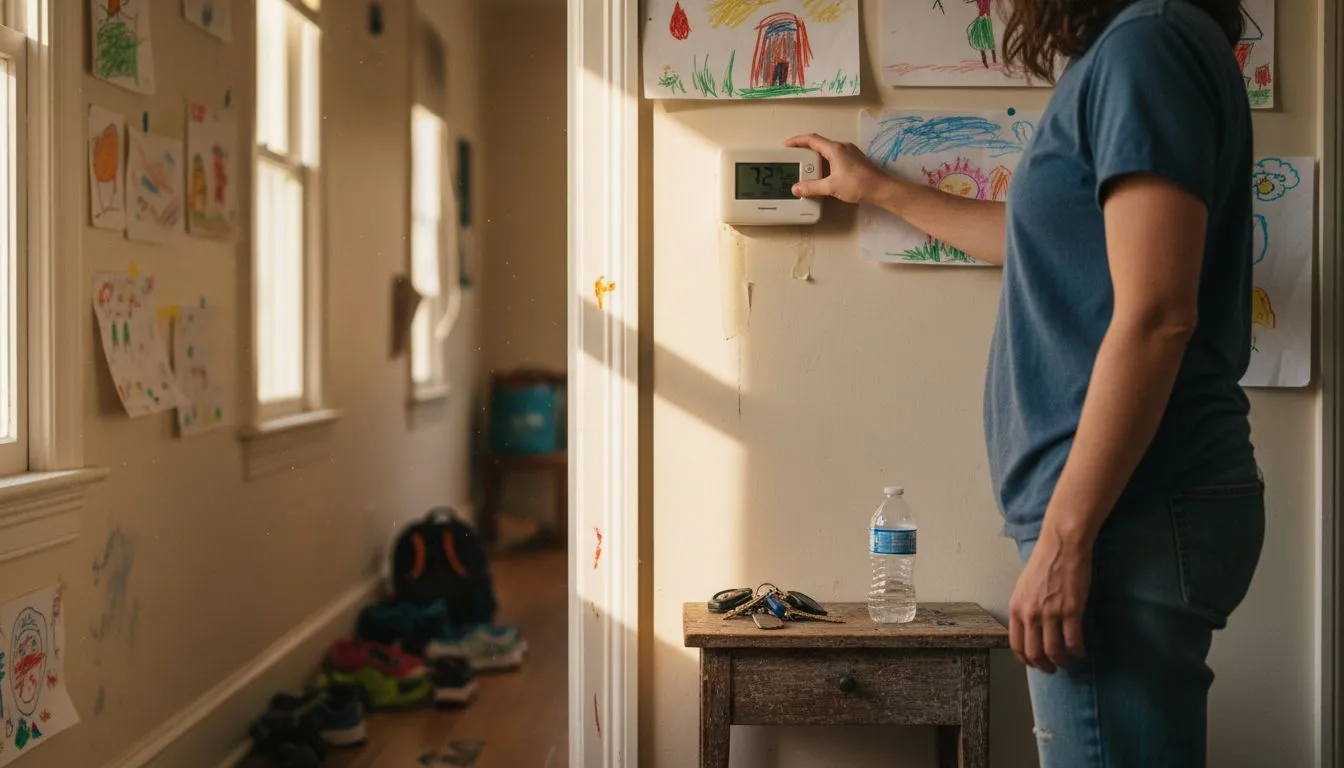
Ventilation plays a crucial role in indoor comfort by ensuring continuous air exchange and filtration. HVAC systems incorporate multiple filtration stages that remove dust, allergens, and airborne contaminants, effectively improving overall air quality. Mechanical ventilation technologies systematically circulate fresh outdoor air while removing stale indoor air, creating a dynamic respiratory environment that supports occupant health and well-being. Some advanced systems even integrate air purification technologies that can neutralize bacteria, viruses, and other microscopic particles.
Pro tip: Schedule professional HVAC maintenance twice annually to ensure optimal system performance and maximize indoor comfort efficiency.
Energy Efficiency and Air Quality Factors
Energy efficiency in HVAC systems represents a critical consideration for homeowners seeking to optimize both environmental performance and household comfort. Indoor air quality standards provide comprehensive guidelines for balancing energy consumption with effective air filtration and ventilation. Modern HVAC technologies incorporate sophisticated design principles that simultaneously address thermal regulation, air purification, and power consumption, enabling homeowners to create healthier living environments while minimizing energy expenditures.
Advanced filtration technologies play a pivotal role in managing indoor air quality and energy efficiency. High-efficiency particulate air (HEPA) filters and electrostatic precipitators can remove microscopic contaminants while maintaining optimal airflow, reducing the energy required to circulate air throughout living spaces. Smart control systems enable precise monitoring of temperature, humidity, and air quality parameters, allowing automatic adjustments that minimize unnecessary energy consumption. These intelligent systems can detect occupancy patterns, adjust ventilation rates, and optimize heating and cooling cycles to maximize efficiency.
Carbon dioxide levels, particulate matter concentration, and humidity represent key metrics for assessing indoor environmental quality. Demand-controlled ventilation systems use real-time sensors to modulate air exchange rates, ensuring appropriate fresh air circulation while preventing unnecessary energy waste. Innovative technologies like heat recovery ventilators capture thermal energy from exhaust air, preconditioning incoming fresh air and significantly reducing overall energy requirements. By integrating these advanced approaches, homeowners can create sustainable indoor environments that prioritize both comfort and conservation.
Pro tip: Install programmable or smart thermostats to automatically optimize temperature settings and reduce energy consumption during unoccupied hours.
Maintenance, Safety, and Common Issues
Regular HVAC system maintenance is fundamental to ensuring optimal performance, safety, and longevity. Routine maintenance tasks are critical for preventing potential system failures and maintaining energy efficiency. Homeowners should focus on comprehensive maintenance strategies that include regular filter replacements, thorough system inspections, equipment cleaning, and professional annual service checks to detect and address potential issues before they escalate.
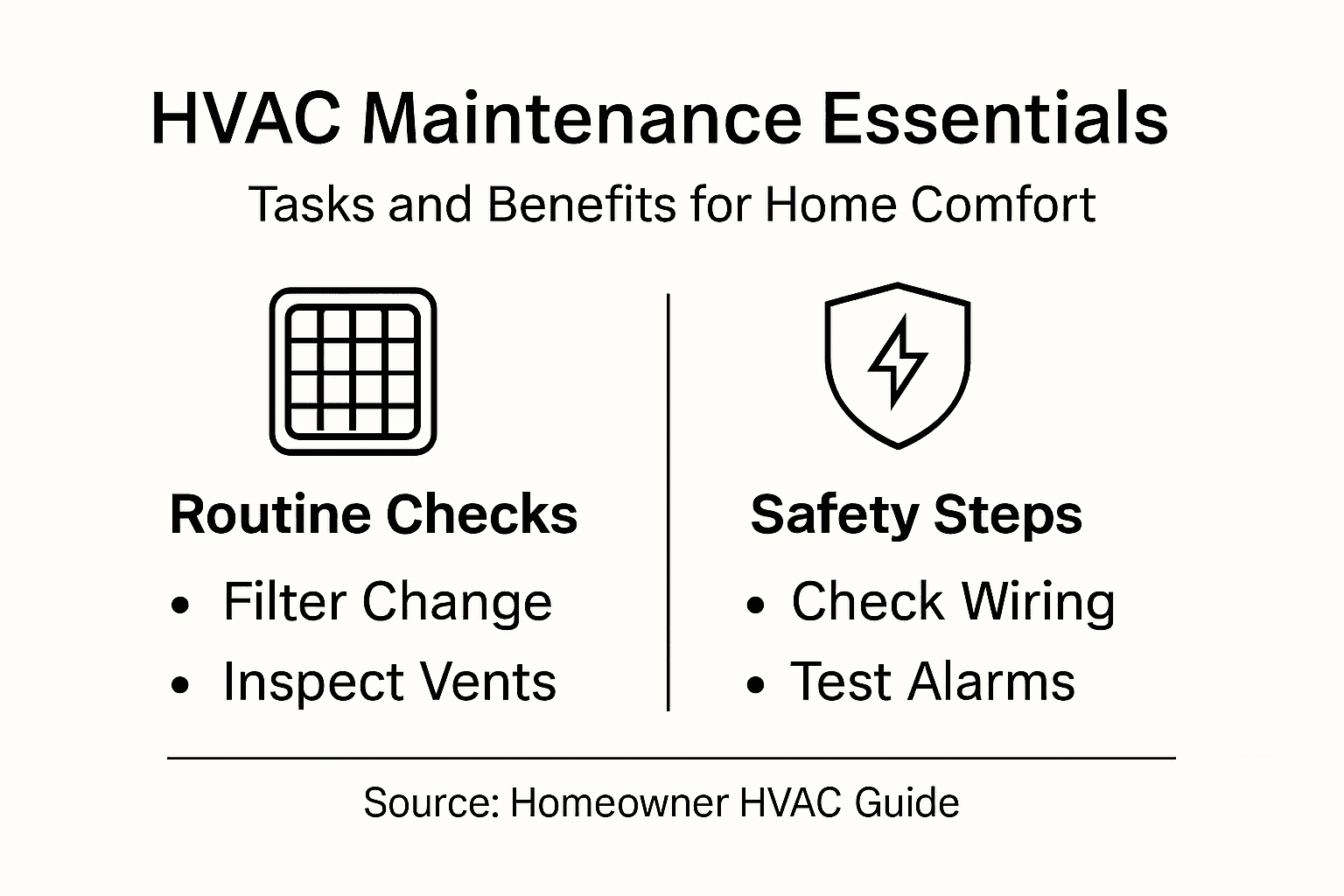
Safety considerations are paramount when dealing with HVAC systems, which involve complex electrical components, potential chemical exposures, and intricate mechanical parts. Critical safety protocols include de-energizing equipment before maintenance, using appropriate personal protective equipment, and understanding potential hazards such as electrical risks and refrigerant leaks. Common issues like reduced system efficiency, compressor malfunctions, refrigerant leakage, and poor airflow can compromise both system performance and household safety if not promptly addressed.
Diagnosing and resolving HVAC problems requires a systematic approach. Homeowners should pay attention to warning signs such as unusual noises, inconsistent temperature regulation, increased energy consumption, and unexpected system cycling. Professional technicians can perform detailed diagnostics, including electrical connection inspections, refrigerant level assessments, ductwork examinations, and comprehensive system performance evaluations. Advanced diagnostic tools and thermal imaging technologies enable precise identification of potential mechanical or electrical problems before they result in complete system failure.
Below is a summary of key HVAC maintenance actions and their benefits:
| Maintenance Task | Benefit | Suggested Frequency |
|---|---|---|
| Replace air filters | Improves airflow and quality | Every 1-3 months |
| Clean condenser coils | Boosts system efficiency | Annually |
| Inspect ductwork | Prevents leaks and loss | Every 1-2 years |
| Professional service | Ensures safe operation | Annually or as needed |
Pro tip: Create a maintenance log to track system performance, repairs, and filter replacements, helping you anticipate potential issues and maintain warranty compliance.
Enhance Your Home Comfort and Air Quality with Trusted HVAC Experts
Maintaining perfect indoor comfort means addressing heating, ventilation, air quality, and energy efficiency challenges all at once. This article highlights how vital a properly maintained HVAC system is to achieve consistent temperature, manage humidity, and ensure clean air free of contaminants. At MDTech Services, we understand these pain points and specialize in professional HVAC repair and installation to keep your system running safely and efficiently. Whether you face issues like reduced airflow, uneven temperature control, or concerns about energy consumption, our licensed technicians deliver timely, reliable service tailored to your home needs.

Take control of your home’s comfort today by scheduling expert HVAC service with MDTech Services. Our dedicated team in Orange County and Los Angeles County is ready to provide quick repairs, preventive maintenance, or complete installations to enhance your indoor environment. Visit MDTech Services now to book your appointment online and experience peace of mind backed by local expertise. Discover how personalized HVAC solutions from MDTech Services ensure your system performs at its best year-round while improving air quality and lowering energy costs.
Frequently Asked Questions
What are the main functions of HVAC systems in homes?
HVAC systems primarily provide heating, ventilation, and cooling to maintain comfortable indoor environments while ensuring high air quality.
How does HVAC enhance indoor air quality?
HVAC systems improve air quality by filtering out dust, allergens, and contaminants through multiple filtration stages, ensuring fresh air circulation and reducing indoor pollutants.
What is the importance of regular HVAC maintenance?
Regular HVAC maintenance is crucial for optimal system performance, safety, and longevity. It prevents potential failures and ensures energy efficiency through routine inspections and filter replacements.
How can I increase the energy efficiency of my HVAC system?
You can enhance energy efficiency by installing programmable or smart thermostats, regularly replacing air filters, and incorporating demand-controlled ventilation systems that adjust air exchange rates based on occupancy.