
The top plumbing tips for 2025 center on one clear priority: get ahead of problems before they become expensive emergencies. That means upgrading to WaterSense-certified fixtures, installing smart leak detection, adopting tankless or solar water heating, and building a routine maintenance schedule you actually follow. Here is a quick summary of what this guide covers:
- Upgrade to WaterSense fixtures like dual-flush toilets, low-flow showerheads, and aerated faucets to cut water waste and lower utility bills
- Install smart leak detectors and automatic shut-offs for real-time alerts and early damage prevention
- Adopt greywater recycling and rainwater harvesting to reduce potable water demand and meet tightening environmental regulations
- Switch to a tankless or solar water heater to eliminate standby energy loss and reduce heating costs
- Use press-fit pipe technology for faster, flame-free installations that hold up longer
- Schedule annual plumbing inspections to catch small issues before they turn into major repairs
- Integrate IoT-enabled plumbing devices with your home automation system for predictive maintenance and remote monitoring
- Know your emergency shut-offs and keep a basic response plan ready for burst pipes or sudden leaks
Each of these tips reflects where the plumbing industry is heading in 2025, driven by water efficiency standards, decarbonization goals, and the growing availability of smart home technology.
How to choose efficient and stylish plumbing fixtures
WaterSense-certified products are the clearest starting point for any fixture upgrade in 2025. The EPA’s WaterSense program labels fixtures that meet strict water efficiency and performance criteria, so you get real savings without sacrificing water pressure or usability. Dual-flush toilets, low-flow showerheads, and aerated faucets all carry this certification and are widely available at major home improvement retailers.

Beyond efficiency, fixture aesthetics have moved toward clean, minimal designs in matte black, brushed nickel, and warm brass finishes. These styles pair well with both modern and transitional interiors, so you do not have to choose between looking good and saving water. Many manufacturers now offer complete fixture collections that match across the bathroom and kitchen, making coordination straightforward.
When selecting fixtures, consider your household’s actual usage patterns. A family of four will benefit more from a high-capacity, dual-flush toilet than a single occupant who rarely flushes at full volume. For showerheads, look for models rated at 1.5 gallons per minute or less. WaterSense rebates are available in many states through the EPA’s rebate finder, which can offset upfront costs.
- Dual-flush toilets: Offer a half-flush option for liquid waste, cutting per-flush water use
- Low-flow showerheads: Deliver strong pressure at reduced flow rates, typically 1.5–2.0 gallons per minute
- Aerated faucets: Mix air into the water stream to maintain pressure while using less water
- Touchless faucets: Reduce cross-contamination and eliminate unnecessary water running
- Smart faucets: Allow temperature and flow presets, reducing both water and energy waste
Pro Tip: Check your local water utility’s website before purchasing. Many utilities offer direct rebates on WaterSense-labeled fixtures, sometimes covering 50% or more of the purchase price.
Smart plumbing systems and automation trends
Smart plumbing technology is no longer a luxury item reserved for high-end custom builds — Plumber SEO Services | Be First Choice & Get More Calls helps plumbing businesses connect with homeowners embracing these smart upgrades. Homeowners across the country are installing IoT-enabled leak detectors and automatic water shut-offs as standard upgrades, driven by falling device costs and rising repair bills. A single undetected leak under a sink can cause thousands of dollars in water damage before you notice it.
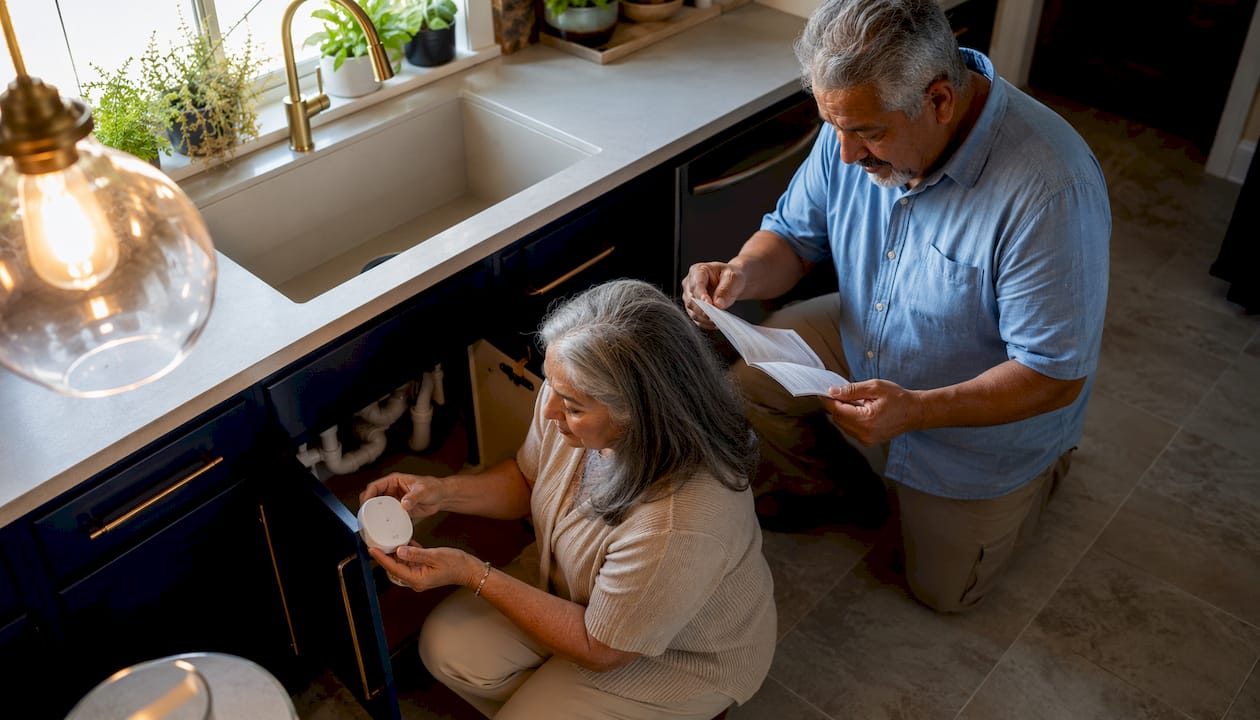
Automatic shut-off valves connect to moisture sensors placed near appliances, under sinks, and behind toilets. When a sensor detects water where it should not be, the valve closes the supply line within seconds. Some systems send a push notification to your phone at the same time, so you know exactly where the problem is even when you are not home.
IoT-enabled faucets and shower systems go a step further by tracking daily water usage and flagging unusual consumption patterns. Contractors are also using AI-assisted diagnostics to identify pressure drops and flow irregularities that signal developing problems, well before a visible failure occurs. This shift toward predictive maintenance is one of the defining trends of 2025 residential plumbing.
- Smart leak detectors: Battery-powered sensors placed at high-risk locations, paired with a smartphone app
- Automatic shut-off valves: Whole-home or zone-specific valves that close on sensor trigger
- IoT faucets and showers: Track usage data and allow remote control via app
- Pressure monitoring systems: Alert you to drops that may indicate a hidden leak or pipe failure
- AI-assisted diagnostics: Used by licensed plumbers to analyze system data and predict failures
Pro Tip: If you have a whole-home automation system like Google Home or Amazon Alexa, look for smart plumbing devices that integrate natively. Centralizing alerts in one app reduces the chance you miss a critical notification.
Sustainability and water treatment innovations
Greywater recycling and rainwater harvesting have moved from niche eco-projects to practical options for mainstream homeowners. Sustainable plumbing practices like these reduce potable water demand, lower monthly utility costs, and help properties comply with increasingly strict water conservation regulations in states like California, Texas, and Arizona.
A greywater system captures water from sinks, showers, and laundry, then filters and redirects it for toilet flushing or outdoor irrigation. Installation complexity varies. Simple laundry-to-landscape systems can be DIY-friendly, while whole-home greywater setups require a licensed plumber and local permits. Rainwater harvesting systems collect roof runoff in storage tanks, with filtration added for any indoor use.
Water treatment is also advancing rapidly. Whole-home filtration systems now combine sediment filters, activated carbon stages, and UV sterilization in compact units that fit in a utility closet. These systems address concerns about aging municipal infrastructure and well water quality without the waste associated with single-use pitcher filters or bottled water.
- Laundry-to-landscape greywater: Diverts washing machine discharge to outdoor irrigation, one of the simplest systems to install
- Whole-home greywater recycling: Captures bathroom sink and shower water for toilet flushing, requiring permits in most states
- Rainwater harvesting tanks: Store roof runoff for irrigation or, with proper filtration, indoor non-potable use
- UV sterilization systems: Kill bacteria and viruses without chemicals, ideal for well water or older municipal supplies
- Eco-friendly pipe materials: Cross-linked polyethylene (PEX) tubing resists corrosion and requires fewer fittings than copper, reducing potential leak points
California’s 2025 building energy efficiency standards push new construction toward lower water and energy consumption, and many of these requirements are filtering into renovation guidelines as well.
Tankless, solar, and advanced water heating solutions
Tankless water heaters heat water on demand rather than keeping a full tank warm around the clock. Homes can save up to 30% or more on water heating energy costs by switching from a traditional storage tank to a tankless model, according to ENERGY STAR. That saving compounds over the life of the unit, which typically runs 20 years or longer compared to 10–12 years for a conventional tank.
Solar water heaters take efficiency further by using rooftop collectors to preheat water before it reaches a backup heating element. In sunny climates like Southern California, a solar water heater can cover the majority of a household’s hot water needs for most of the year. The IRS offers an energy-efficient home improvement credit for qualifying installations, which can reduce your out-of-pocket cost.
Hybrid heat pump water heaters represent a third option worth considering. They pull heat from surrounding air rather than generating it directly, making them two to three times more efficient than standard electric resistance heaters. They work best in unconditioned spaces like garages or utility rooms where ambient air temperature stays above 40°F.
- Tankless gas heaters: Deliver unlimited hot water on demand, best for households with high simultaneous demand
- Tankless electric heaters: Easier to install in smaller homes, ideal for point-of-use applications like a remote bathroom
- Solar water heaters: Pair rooftop collectors with a backup element, reducing grid energy dependence
- Hybrid heat pump water heaters: Most efficient electric option, best suited to warmer climates or unconditioned spaces
- Recirculation systems: Keep hot water ready at the tap, eliminating the wait and reducing water waste
Energy savings callout: ENERGY STAR-certified tankless water heaters can cut water heating energy costs by up to 30% compared to conventional storage tank models, a meaningful reduction given that water heating typically accounts for a significant portion of a home’s total energy bill.
What new pipe materials and tools mean for your home
Press-fit pipe technology has changed how plumbers join copper, stainless steel, and carbon steel pipes. Instead of soldering, a technician uses a press tool to crimp a fitting onto the pipe in seconds, creating a watertight seal without an open flame. PressACR technology extends this approach to refrigeration and HVAC lines, enabling faster assembly with lower skill thresholds. For homeowners, this means shorter labor times and lower installation costs on new work.
PEX tubing continues to gain ground over rigid copper in residential repiping projects. It is flexible, freeze-resistant, and easier to route through walls without as many fittings. Fewer fittings mean fewer potential leak points, which is a practical advantage in older homes with complex layouts.
For DIY-minded homeowners, the tool market has also improved. Push-to-connect fittings like SharkBite allow you to join pipes without soldering or special tools, making minor repairs accessible without professional help. That said, knowing the 135 rule in plumbing still matters: total horizontal bends between cleanouts should not exceed 135 degrees, because sharper cumulative angles trap debris and cause recurring clogs. Following this principle when routing new drain lines prevents problems that are expensive to diagnose later.
- PEX tubing: Flexible, corrosion-resistant, and freeze-tolerant, ideal for repiping and new construction
- Press-fit fittings: Flame-free copper and stainless steel joining, faster and safer than soldering
- Push-to-connect fittings: Tool-free connections for DIY repairs on copper, PEX, and CPVC pipes
- High-performance ball valves: Quarter-turn shutoffs that seal more reliably than older gate valves
- Pipe inspection cameras: Compact, affordable cameras that let you see inside drain lines before calling a plumber
Maintenance tips and emergency preparedness for 2026
Annual plumbing inspections can save homeowners up to 30% on repair costs by catching problems early, before they escalate into burst pipes or water damage. A licensed plumber can check water pressure, inspect supply and drain lines, test shut-off valves, and look for early signs of corrosion or mineral buildup in a single visit. Scheduling this once a year, ideally before winter, keeps your system in reliable shape.
Your routine plumbing maintenance checklist should cover more than just inspections. Flushing your water heater tank annually removes sediment that reduces efficiency and shortens the unit’s life. Checking toilet flappers, supply line hoses, and washing machine connections for wear takes under 30 minutes and prevents the slow leaks that quietly inflate your water bill.
Emergency preparedness is just as important as routine upkeep. Every adult in your household should know where the main water shut-off valve is and how to operate it. If you have a multi-story home or a property with multiple units, label each zone shut-off clearly. Keeping a basic kit with a pipe repair clamp, plumber’s tape, and the number of a licensed plumber on hand means you can respond quickly when something goes wrong at 11 PM on a Sunday.
- Annual inspection: Have a licensed plumber check pressure, valves, and visible pipe condition once per year
- Water heater flush: Drain sediment from the tank annually to maintain efficiency and extend service life
- Toilet and supply line checks: Inspect flappers, fill valves, and braided hoses every six months for wear or slow leaks
- Main shut-off test: Turn the main valve off and back on once a year to confirm it operates freely
- Smart leak sensor placement: Install sensors under sinks, behind toilets, near the water heater, and at washing machine connections
- Emergency contact list: Keep a licensed plumber’s number accessible, along with your water utility’s emergency line
For a complete step-by-step reference, the annual plumbing maintenance checklist from Mdtechservices walks through every task in sequence.
Expert advice from Mdtechservices on plumbing safety and maintenance
Mdtechservices serves homeowners and property managers across Orange County and Los Angeles County with licensed plumbing, HVAC, and appliance repair services. The team’s approach to plumbing safety is straightforward: most serious failures are preventable with the right combination of routine maintenance and early detection technology.
Licensed technicians at Mdtechservices consistently recommend that homeowners treat their plumbing system the same way they treat their HVAC unit. You would not skip an annual furnace inspection, and your plumbing deserves the same attention. Water damage from a slow leak or a failed supply line can cost far more to remediate than the inspection that would have caught it.
For property managers specifically, the stakes are higher. A single undetected leak in a multi-unit building can affect multiple tenants and trigger liability concerns. Mdtechservices recommends building a property maintenance schedule that includes plumbing inspections at every unit turnover, plus a whole-property check at least once per year.
- Verify shut-off valve operation at every inspection, not just during emergencies
- Check water pressure at multiple fixtures. Pressure above 80 psi stresses pipes and appliances
- Inspect exposed pipes in garages, crawl spaces, and under sinks for corrosion, moisture, or pest damage
- Test GFCI outlets near plumbing fixtures to confirm electrical safety in wet areas
- Document your system: Keep a simple diagram of your home’s shut-off locations, pipe materials, and water heater model for quick reference during repairs
Pro Tip: If your home was built before 1980, ask a licensed plumber to assess your pipe material. Galvanized steel pipes common in older construction corrode from the inside out, restricting flow and eventually failing without visible warning signs.
The national median wage for plumbers reflects a skilled trade with real demand and professional standards. When you hire a licensed plumber, you are paying for that expertise and accountability. Mdtechservices brings that same standard to every service call in Southern California, whether it is a fixture upgrade, a leak repair, or a full system inspection.
If you need help with a plumbing repair, an appliance installation, or an HVAC issue, the team at Mdtechservices is ready to help. Schedule a service call or explore the full range of home services available for Orange County and Los Angeles County residents.

Key Takeaways
The most reliable plumbing strategy for 2025 combines WaterSense-certified fixture upgrades, smart leak detection, tankless or solar water heating, and annual professional inspections to prevent costly failures.
| Point | Details |
|---|---|
| WaterSense fixtures save water | Dual-flush toilets, low-flow showerheads, and aerated faucets reduce usage without sacrificing performance. |
| Tankless heaters cut energy costs | Switching to a tankless model can reduce water heating energy costs by up to 30% compared to storage tanks. |
| Annual inspections prevent major repairs | Scheduling a yearly plumbing inspection can save homeowners up to 30% on repair costs by catching problems early. |
| Smart leak detection limits damage | IoT-enabled sensors and automatic shut-off valves stop leaks within seconds, minimizing water damage. |
| Press-fit and PEX improve reliability | Flame-free press fittings and flexible PEX tubing reduce installation time and the number of potential leak points. |