
Every american homeowner wants their appliances to work safely and efficiently, yet more than 50 percent of installation mistakes can lead to costly repairs or safety concerns. With so many brands, codes, and regulations, even a simple kitchen upgrade can turn stressful in a hurry. Understanding how professional residential appliance installation works helps you avoid trouble and keeps your home running smoothly, whether you are replacing a stove or adding a new washer and dryer.
Table of Contents
- Defining Residential Appliance Installation Services
- Types Of Residential Appliances Installed
- Typical Installation Process And Requirements
- Legal, Code, And Safety Considerations
- Common Mistakes And How To Avoid Them
Key Takeaways
| Point | Details |
|---|---|
| Importance of Professional Installation | Hiring qualified technicians ensures adherence to safety standards and regulatory requirements, leading to safe and efficient appliance setup. |
| Comprehensive Installation Process | A thorough approach covering pre-installation assessments, utility preparations, execution, and post-installation verification is crucial for optimal appliance functionality. |
| Awareness of Legal and Safety Requirements | Understanding local licensing, safety compliance, and potential legal implications is essential for homeowners to avoid future liabilities. |
| Common Installation Mistakes | Homeowners should be aware of common errors such as inaccurate measurements and ignoring technical requirements to ensure successful appliance integration. |
Defining Residential Appliance Installation Services
Residential appliance installation encompasses a range of specialized professional services focused on safely connecting and preparing household appliances for optimal functionality. These services go beyond simple plug-and-play setups, requiring technical expertise, precision, and understanding of complex electrical, gas, and plumbing systems.
When considering residential appliance installation, professionals must navigate specific regulatory requirements that vary by jurisdiction. In Texas regulations, for instance, the definition is quite precise: installation involves electrical work limited to connecting or disconnecting residential appliances to existing electrical circuits, with specific exclusions for standard plug-in connections. Similarly, Washington State regulations differentiate between residential and commercial appliance installation protocols, highlighting the nuanced nature of these services.
The core components of residential appliance installation typically include:
- Precise electrical connection and circuit compatibility assessment
- Proper gas line hookup and pressure testing (for gas appliances)
- Ensuring manufacturer specifications and local building codes are met
- Structural modifications or preparations required for appliance placement
- Safety inspections and functional testing post-installation
Professional installation services offered by MDTech Services are critical for homeowners seeking safe, efficient, and compliant appliance setup. These experts bring specialized knowledge that goes far beyond basic connections, addressing potential electrical, structural, and safety challenges unique to each residential environment.
Types of Residential Appliances Installed
Residential appliance installation encompasses a wide range of household equipment designed to improve comfort, efficiency, and daily functionality. From kitchen essentials to laundry room workhorses, these appliances require professional installation to ensure optimal performance and safety. High-efficiency residential appliances represent a critical area of focus for modern home setup and maintenance.
The primary categories of residential appliances typically installed by professional technicians include:
- Kitchen Appliances
- Refrigerators
- Dishwashers
- Ovens and ranges
- Microwaves
- Built-in coffee makers
- Laundry Appliances
- Washing machines
- Clothes dryers
- Combination washer/dryer units
- Climate Control Equipment
- HVAC systems
- Ceiling fans
- Whole-house ventilation systems
Each appliance category presents unique installation challenges that demand specialized technical knowledge. Home appliance installation requires understanding electrical requirements, structural considerations, and manufacturer specifications to guarantee safe and efficient operation.
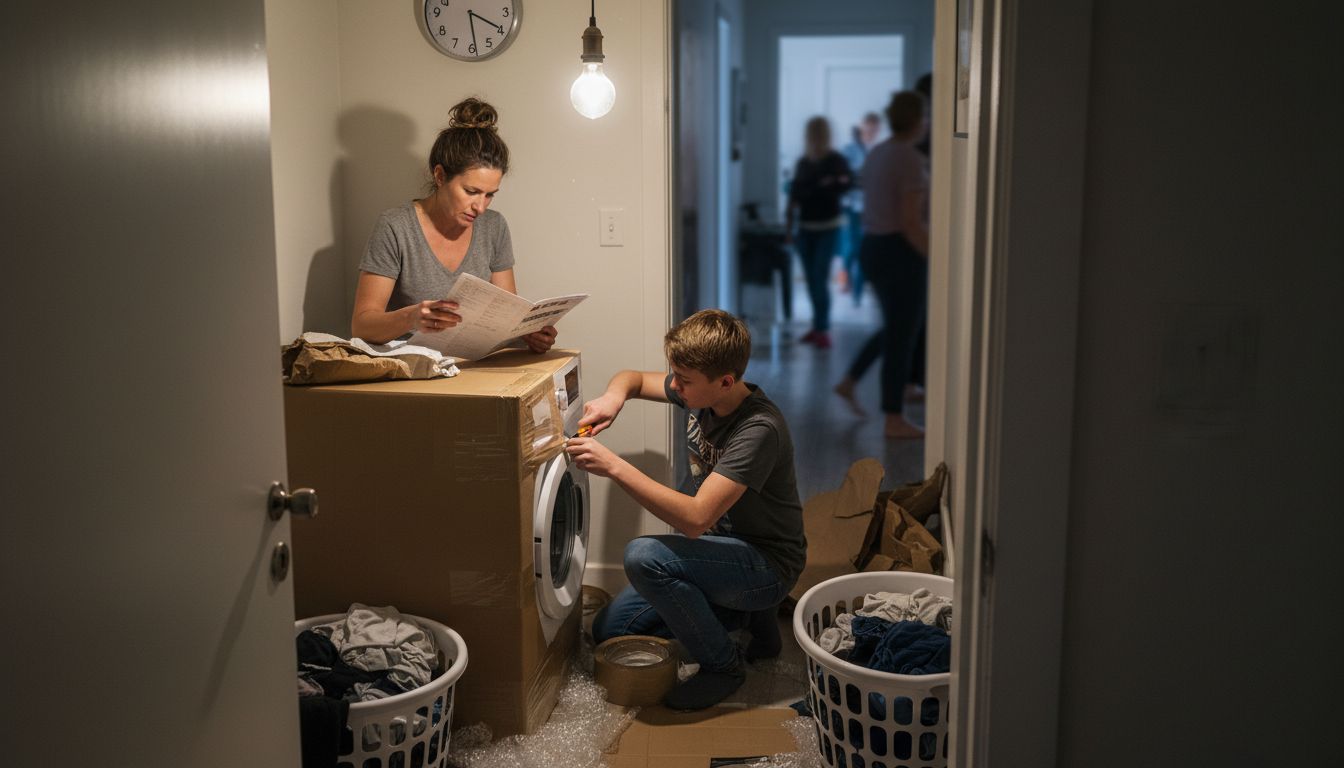
Professional installers must also navigate complex considerations like proper electrical connections, potential structural modifications, gas line compatibility, and adherence to local building codes. Whether it’s a high-end refrigerator with advanced cooling technology or a standard washing machine, precise installation ensures longevity, safety, and peak performance of these essential home systems.
Typical Installation Process and Requirements
Professional appliance installation follows a meticulous process that ensures safety, functionality, and compliance with manufacturer specifications and local regulations. Comprehensive installation guidelines emphasize the critical preparatory steps that professional technicians must carefully execute before, during, and after appliance placement.
The typical installation process encompasses several key stages:
- Pre-Installation Assessment
- Measuring precise space dimensions
- Verifying electrical and plumbing compatibility
- Checking doorway and pathway clearances for equipment delivery
- Identifying potential structural modifications
- Utility Preparation
- Shutting off relevant electrical circuits
- Disconnecting existing appliances
- Verifying appropriate voltage and amperage requirements
- Checking gas line connections (for gas-powered appliances)
- Installation Execution
- Carefully positioning the appliance
- Making precise electrical or gas connections
- Leveling and securing the equipment
- Conducting initial functional tests
- Post-Installation Verification
- Running complete operational diagnostics
- Checking for proper seal and connection integrity
- Demonstrating functionality to the homeowner
- Providing maintenance recommendations
Professional technicians understand that appliance installation involves more than simple connection. Each step requires technical expertise, specialized tools, and an understanding of complex home systems. Safety remains paramount, with technicians ensuring that every connection meets manufacturer specifications and local building codes, protecting both the homeowner and the investment in new equipment.
Legal, Code, and Safety Considerations
Residential appliance installation involves complex legal and safety requirements that vary significantly across different jurisdictions. Texas legislative guidelines provide a detailed framework for understanding the regulatory landscape surrounding appliance installation, emphasizing the critical importance of professional licensing and adherence to specific safety standards.
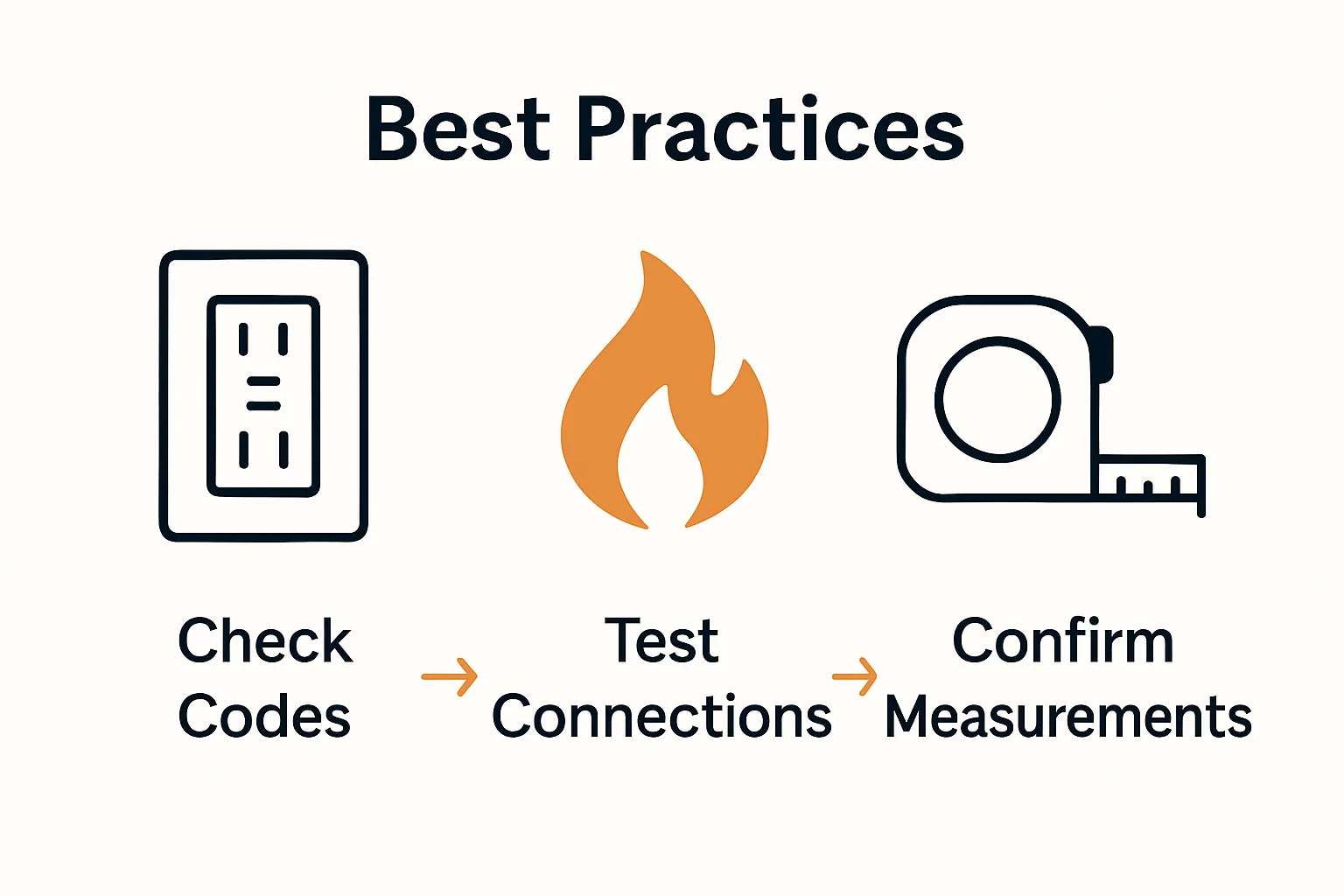
Key legal and safety considerations for residential appliance installation include:
Licensing and Certification
- Mandatory professional certification for electrical and gas appliance installers
- State-specific licensing requirements
- Proof of technical training and ongoing education
- Compliance with local building and safety codes
Safety Compliance Requirements
- Electrical circuit load verification
- Proper grounding and connection protocols
- Gas line pressure testing
- Adherence to manufacturer installation specifications
- Documentation of installation procedures
Potential Legal Implications
- Liability for improper installation
- Voiding manufacturer warranties
- Potential insurance claim complications
- Risk of property damage or personal injury
Washington State’s electrical safety standards underscore the critical nature of professional installation, highlighting that seemingly minor mistakes can lead to significant safety risks. Professional technicians must navigate a complex web of regulations, ensuring not just functional installation, but comprehensive safety compliance that protects homeowners from potential electrical, gas, and structural hazards.
Common Mistakes and How to Avoid Them
Choosing appliances without careful consideration can lead to significant installation challenges and potential long-term functional problems. Homeowners frequently make critical errors that compromise both the performance and safety of their residential appliances, underscoring the importance of thorough planning and professional guidance.
Common Installation Mistakes to Avoid:
Measurement and Spatial Errors
- Failing to measure installation spaces accurately
- Overlooking doorway and pathway clearance requirements
- Ignoring ventilation and clearance specifications
- Purchasing appliances without verifying dimensional compatibility
Technical Preparation Mistakes
- Neglecting to check electrical circuit load capacity
- Improper gas line connection procedures
- Overlooking specific manufacturer installation requirements
- Attempting complex installations without professional expertise
Decision-Making Pitfalls
- Selecting appliances based solely on aesthetic appearance
- Ignoring long-term functionality and efficiency
- Underestimating the complexity of professional installation
- Foregoing professional assessment and recommendations
Professional technicians understand that successful appliance installation involves far more than physical placement. Each step requires meticulous attention to technical specifications, safety protocols, and individual home system requirements. By recognizing and avoiding these common mistakes, homeowners can ensure smooth, safe, and efficient appliance integration that protects both their investment and their home’s infrastructure.
Ensure Safe and Expert Residential Appliance Installation with MDTech Services
Residential appliance installation can be a complex challenge that demands technical expertise and strict adherence to safety codes. Common issues like incorrect electrical connections, gas line mishandling, or neglecting manufacturer specifications put your home and family at risk. If you want to avoid costly mistakes and ensure your appliances operate safely and efficiently from the start, relying on licensed professionals is crucial.

Choose MDTech Services for trusted local expertise in Orange County and Los Angeles County. Our licensed technicians handle everything from refrigerators to HVAC systems, ensuring compliance with all regulations and manufacturer guidelines. We specialize in precise appliance installation and conversions like LP to natural gas to meet your unique needs. Don’t wait until a faulty installation causes damage or voids your warranty. Visit MDTech Services today and book your appointment online for reliable and safety-focused service you can count on.
Frequently Asked Questions
What is included in residential appliance installation services?
Residential appliance installation services typically include assessing electrical connections, hooking up gas lines, ensuring compliance with manufacturer specifications and local building codes, making structural modifications if necessary, and conducting safety inspections and functional testing post-installation.
Why is it important to hire a professional for appliance installation?
Hiring a professional ensures that installations meet safety standards and manufacturer specifications. Professionals have the expertise and tools necessary to navigate the complexities of electrical, gas, and plumbing systems, reducing the risk of errors that could lead to safety hazards or damage to appliances.
What are common mistakes to avoid during appliance installation?
Common mistakes include failing to accurately measure installation spaces, neglecting to check electrical and gas line compatibility, and selecting appliances based solely on appearance without considering functionality and efficiency. Additionally, attempting to perform installations without proper expertise can lead to significant issues.
How can I prepare for a professional appliance installation?
To prepare for a professional installation, measure the space where the appliance will go, ensure clear pathways for delivery, verify electrical and plumbing compatibility, and check that existing utilities are turned off and ready for connection. Providing any relevant instructions or specifications from the appliance manufacturer can also be helpful.
Recommended
- Appliance repair or Installation service Appliance Repair vs. Replacement: How to Make the Right Decision for Your Home – MDTech Services
- Complete Guide to the Role of Appliance Installation
- What Is Appliance Installation? Complete Overview – MDTech Services
- Complete Guide to Appliance Installation Terminology – MDTech Services
- Boiler Installation Checklist for Safe and Efficient Setup – Skan Plumbing & Heating
- Residential Camera Installation: Step-by-Step Success Guide – 247 CCTV Security Ltd