
Choosing when to update your kitchen appliances can feel like a balancing act, especially for homeowners in Orange and Los Angeles County who prioritize both cost savings and reliability. With modern refrigerators, ovens, and dishwashers now designed for far greater energy efficiency, the gap between older and newer models is clearer than ever. Appliance obsolescence is about more than age—it relates directly to performance, efficiency, and how well your devices fit current technology standards.
Table of Contents
- What Makes An Appliance Outdated Today
- Key Differences: Modern Vs. Old Appliances
- Energy Efficiency And Lower Utility Bills
- Safety, Reliability, And Home Value Impact
- Environmental Benefits And Disposal Regulations
Key Takeaways
| Point | Details |
|---|---|
| Energy Efficiency Matters | Upgrading to modern appliances can lead to 50-60% lower energy consumption and substantial savings on utility bills. |
| Technological Advancements | New appliances feature smart capabilities and enhance convenience, unlike older models with limited functionality. |
| Safety and Reliability | Outdated appliances can pose safety risks, making it crucial to assess and replace them for improved home safety. |
| Environmental Impact | Investing in energy-efficient appliances not only benefits personal finances but also contributes to broader environmental sustainability efforts. |
What Makes an Appliance Outdated Today
In the rapidly evolving world of home technology, an outdated appliance is no longer just about age—it’s about performance, efficiency, and compatibility. Modern homeowners in Orange and Los Angeles County increasingly recognize that appliance obsolescence goes beyond simple wear and tear.
Today’s appliances are considered outdated when they fail to meet contemporary standards in several critical areas. Energy efficiency stands at the forefront of this assessment. Older refrigerators, dishwashers, and ovens consume significantly more electricity compared to newer models, leading to higher utility bills and increased environmental impact. Many appliances manufactured before 2010 operate at 30-50% lower efficiency levels than current Energy Star certified models, translating to substantial annual energy cost differences.
Technological compatibility also plays a crucial role in determining an appliance’s relevance. Smart home integration, digital controls, and connectivity features have transformed household appliances from mere functional tools to interactive systems. Older models lacking wireless connectivity, touchscreen interfaces, or remote management capabilities are increasingly viewed as antiquated. Consumer Reports reliability data suggests that appliances over 10 years old frequently struggle with maintenance issues and lack modern diagnostic capabilities that newer models provide.
Pro tip: Schedule a professional assessment of your current appliances to understand their true efficiency and potential replacement needs, focusing on energy consumption and repair frequency.
Key Differences: Modern vs. Old Appliances
The landscape of home appliances has dramatically transformed, with modern technologies creating substantial performance gaps between contemporary and older models. Energy efficiency improvements have revolutionized household technologies across multiple categories, fundamentally changing how homeowners approach appliance selection and maintenance.
Energy consumption represents the most significant differentiator between modern and older appliances. Contemporary refrigerators, dishwashers, and washing machines now operate with dramatically reduced electricity requirements. Where older models might consume 1,000-1,500 kilowatt-hours annually, newer Energy Star certified appliances can reduce consumption by 50% or more. These efficiency gains translate directly into lower utility bills and reduced environmental impact, making replacement a financially strategic decision for homeowners.
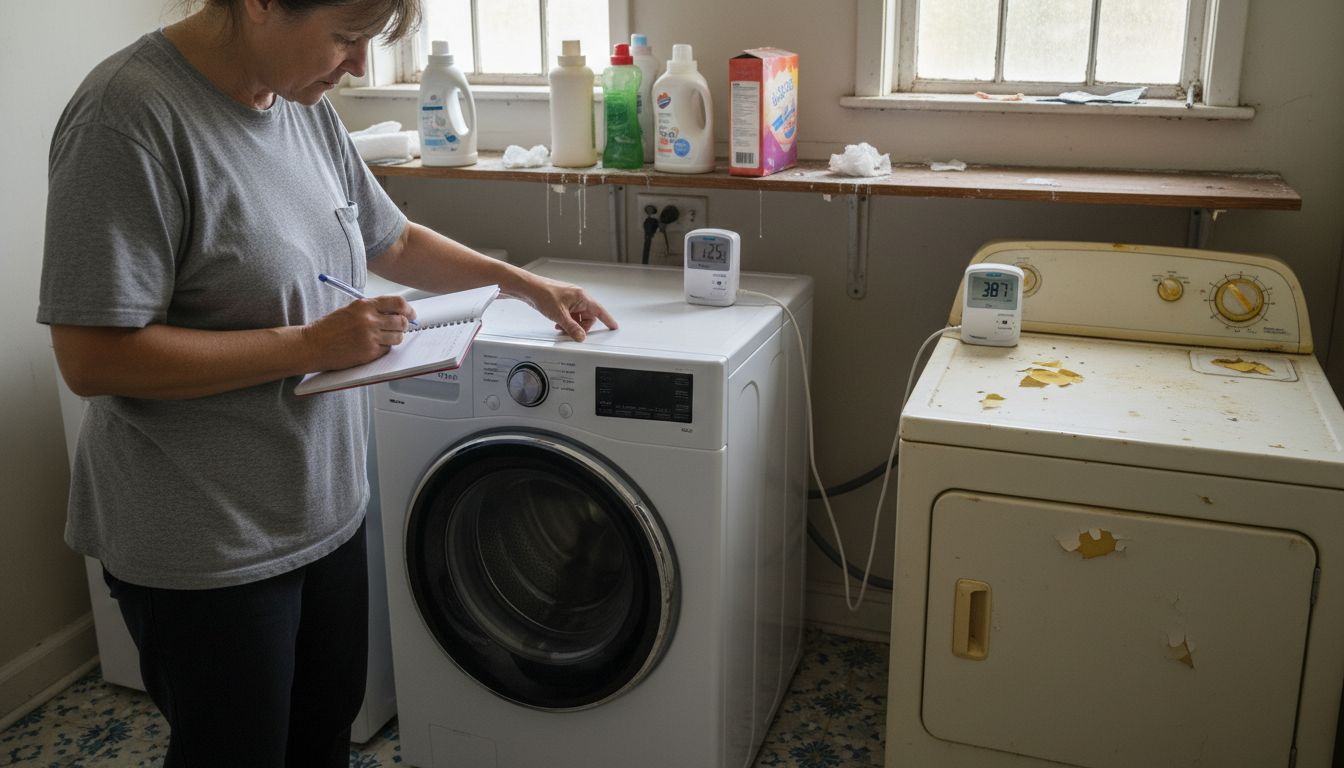
Technological capabilities further distinguish modern appliances from their predecessors. Smart home integration has transformed basic household equipment into intelligent, interconnected systems. Unlike older models with limited functionality, contemporary appliances offer features like remote monitoring, self-diagnostic capabilities, precision controls, and seamless smartphone connectivity. Comprehensive appliance efficiency studies demonstrate that these technological advancements not only improve performance but also provide consumers with unprecedented convenience and control over their home environments.
Pro tip: Compare your current appliance’s annual energy consumption with newer models to quickly determine potential savings and justify potential replacement investments.
Here’s how modern and older appliances differ across key aspects:
| Aspect | Modern Appliances | Older Appliances |
|---|---|---|
| Energy Use | 50-60% lower annual consumption | High, inefficient energy use |
| Smart Features | Remote monitoring, app control | Manual controls only |
| Safety Technologies | Advanced circuits, emissions reduction | Basic safety features |
| Home Value Impact | Increases resale and market appeal | May lower home market value |
Energy Efficiency and Lower Utility Bills
Homeowners today face increasing pressure to reduce energy consumption and minimize utility expenses. Energy efficiency represents a critical strategy for achieving substantial financial savings while simultaneously reducing environmental impact. By strategically updating appliances, residents can dramatically lower their monthly electricity costs without sacrificing home comfort or performance.
Modern appliances have revolutionized energy consumption metrics, offering remarkable improvements over older models. A typical refrigerator from the early 2000s might consume 1,200 kilowatt-hours annually, whereas contemporary Energy Star models can reduce consumption by up to 60%. These efficiency gains translate directly into tangible financial benefits, with the average household potentially saving $100-$300 annually on utility bills through strategic appliance upgrades. The cumulative impact extends beyond individual households, contributing to broader environmental conservation efforts by reducing overall energy demand.
ENERGY STAR programs incentivize consumers to select more efficient appliances, creating a win-win scenario for both economic and environmental sustainability. These initiatives provide clear guidelines and performance standards that help homeowners make informed decisions about their energy-consuming equipment. By choosing appliances with superior efficiency ratings, consumers can simultaneously reduce their carbon footprint and enjoy significant long-term cost savings, making energy-efficient upgrades a smart investment for both personal finances and global environmental health.
Pro tip: Request an energy audit from a professional technician to identify which appliances offer the most significant potential for efficiency improvements and cost savings.
Here is a summary of environmental and financial benefits of upgrading appliances:
| Benefit | Financial Impact | Environmental Impact |
|---|---|---|
| Lower Utility Bills | Save $100-$300 per year | Reduced overall energy demand |
| Energy Star Incentives | Rebates, lower upfront costs | Lower greenhouse gas emissions |
| Eco-friendly Disposal | Possible trade-in credits | Reduces landfill and e-waste issues |
Safety, Reliability, and Home Value Impact
Homeowners increasingly recognize that outdated appliances pose significant risks beyond simple inconvenience. Appliance reliability directly impacts home safety and represents a critical consideration for maintaining property value and protecting household residents from potential hazards.
Older appliances frequently develop critical safety vulnerabilities that modern technologies have systematically addressed. Aging electrical systems, degraded insulation, and compromised mechanical components can create substantial fire risks and potential electrical hazards. A refrigerator manufactured before 2010, for instance, might have outdated wiring and compressor designs that increase the likelihood of electrical failures, compared to newer models with advanced safety circuits and more robust engineering standards. These risk factors translate into tangible concerns for homeowners, potentially affecting home insurance rates and overall property safety.
Transitioning to newer appliances reduces indoor pollution risks while simultaneously enhancing home value. Modern appliances incorporate sophisticated safety technologies that minimize emissions, reduce indoor air quality risks, and provide more reliable performance. Potential home buyers actively assess the age and condition of major appliances when evaluating property purchases, making recent, well-maintained equipment a significant selling point that can increase overall property marketability and perceived value.
Pro tip: Schedule an annual professional inspection of major home appliances to identify potential safety issues and maintain optimal performance.
Environmental Benefits and Disposal Regulations
Modern appliance technologies play a critical role in environmental sustainability, transforming how households approach energy consumption and ecological responsibility. The evolution of appliance design has shifted from purely functional equipment to sophisticated systems that actively contribute to reducing carbon footprints and minimizing environmental impact.
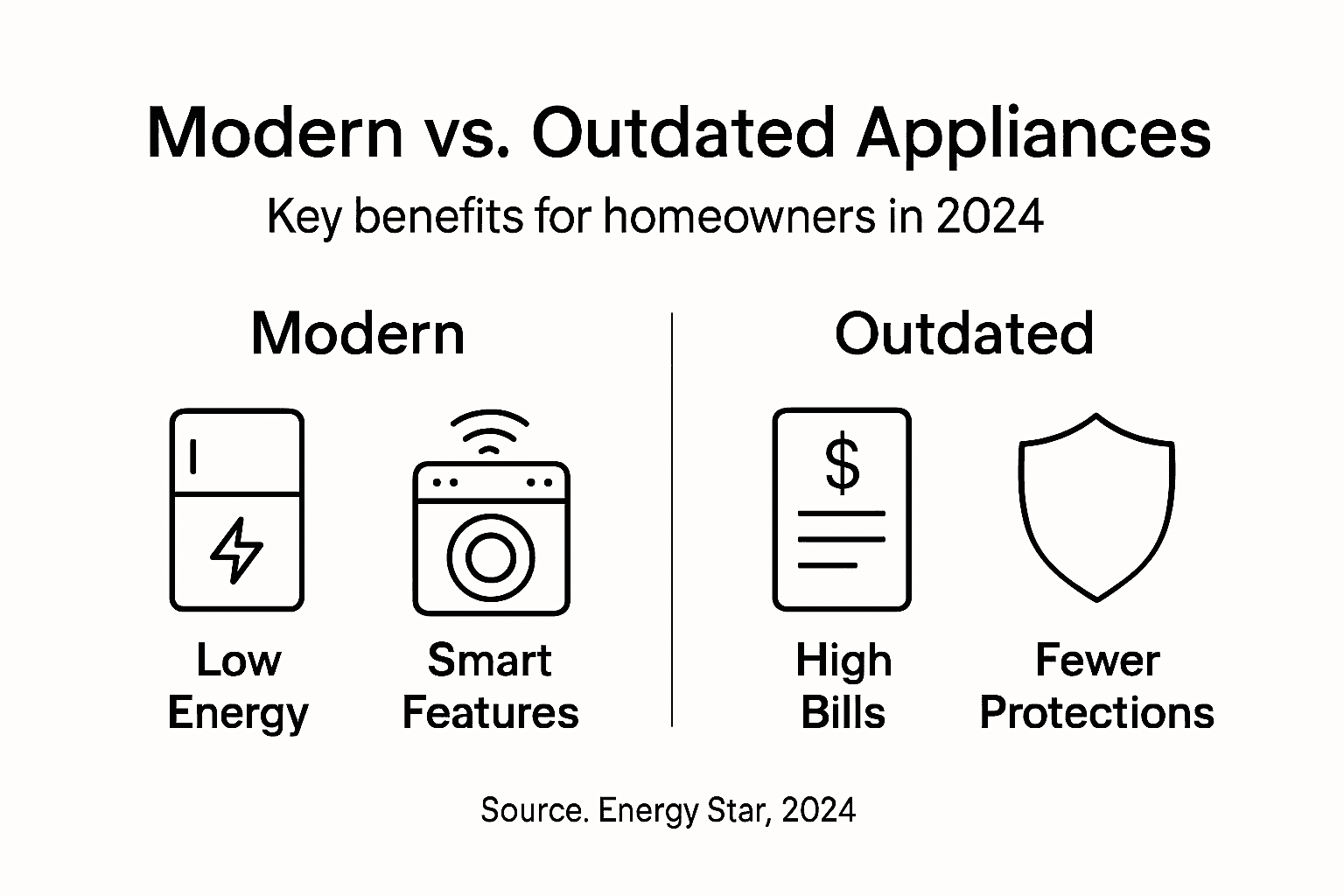
Regulatory frameworks have become increasingly stringent, driving manufacturers to develop more environmentally conscious appliances. Energy efficiency standards now mandate substantial reductions in electricity consumption, with many jurisdictions requiring appliances to meet specific emission and performance criteria. These regulations ensure that newer models consume up to 60% less energy compared to decade-old counterparts, directly translating to reduced greenhouse gas emissions and more sustainable household operations.
Sustainable disposal practices have become equally important in managing the environmental lifecycle of home appliances. Responsible recycling programs now require comprehensive deconstruction processes that carefully extract and recycle hazardous materials, prevent electronic waste contamination, and recover valuable metal and plastic components. Many states have implemented strict e-waste regulations that mandate proper handling, ensuring that outdated appliances do not become environmental liabilities.
Pro tip: Research local e-waste recycling centers that offer certified disposal services and potential trade-in credits when replacing old appliances.
Upgrade Smartly with MDTech Services for Safer, Efficient Appliances
Older appliances can lead to higher energy bills, safety risks, and reduced home value. If your refrigerator or dishwasher is showing signs of inefficiency or frequent repairs, relying on outdated technology could be costing you more than you think. MDTech Services understands these challenges and offers expert residential appliance repair and installation in Orange County and Los Angeles County to help homeowners enjoy energy savings, improve safety, and boost home comfort.

Take control of your home environment now with reliable service from licensed technicians specializing in major brands including Sears. Whether you need quick repairs or professional appliance conversions, MDTech Services is your trusted partner. Don’t wait until inefficiency or safety concerns escalate. Visit MDTech Services to schedule your appointment online today and experience prompt, expert care tailored to your home’s exact needs.
Frequently Asked Questions
What are the main benefits of updating outdated appliances?
Updating outdated appliances can lead to enhanced energy efficiency, reduced utility bills, improved safety features, and increased home value. Modern appliances often have better technology and performance standards, contributing to both financial savings and environmental sustainability.
How much can homeowners save by upgrading to newer, energy-efficient appliances?
Homeowners can potentially save between $100-$300 annually on utility bills by upgrading to newer, Energy Star certified appliances, which consume significantly less energy compared to older models.
What technological features should I look for in modern appliances?
Look for features such as smart home integration, remote monitoring capabilities, digital controls, and self-diagnostic systems. These advancements not only improve convenience but also enhance overall appliance performance.
Why is it important to consider the safety of older appliances?
Older appliances may present significant safety risks due to outdated wiring and mechanical components, which can increase the likelihood of electrical failures and other hazards. Upgrading to modern appliances helps mitigate these risks and ensures better safety technologies are in place.
Recommended
- Why Upgrade Old Appliances: Save Energy, Money, and Hassle
- 7-Step Appliance Replacement Checklist for Homeowners
- Appliance repair or Installation service Appliance Repair vs. Replacement: How to Make the Right Decision for Your Home – MDTech Services
- Why Check Appliance Recalls—Protecting Local Homes
- 7 Key Benefits of Refurbished Coffee Machines Explained