
Every American homeowner expects their appliances to work safely and reliably, but few realize that strict industry standards are the backbone of quality repair services. With California enforcing some of the most detailed regulations in the country, technicians must meet precise technical and safety requirements. Non-compliance can lead to hefty fines or even business shutdowns. This guide sheds light on the professional standards and critical compliance steps that protect both property and peace of mind.
Table of Contents
- Defining Industry Standards In Appliance Repair
- Certifications And Qualifications For Technicians
- Safety Protocols And Compliance Measures
- California Appliance Repair Regulations Explained
- Risks Of Non-Compliance And Common Mistakes
Key Takeaways
| Point | Details |
|---|---|
| Industry Standards | Appliance repair standards ensure safety, quality, and professionalism, requiring technicians to follow technical requirements and safety protocols. |
| California Regulations | California’s regulations mandate specific technical standards for appliance repair, emphasizing compliance in areas like electrical connections and gas line management. |
| Safety Protocols | Safety protocols are essential for protecting technicians and homeowners, including procedures for electrical safety, personal protective equipment, and risk assessments. |
| Consequences of Non-Compliance | Non-compliance with regulations can lead to severe legal penalties and operational disruptions, emphasizing the importance of proper licensing and adherence to established standards. |
Defining Industry Standards in Appliance Repair
Appliance repair industry standards are systematic guidelines that ensure safety, quality, and professional performance across residential service contexts. These standards represent a comprehensive framework of technical requirements, safety protocols, and professional practices that technicians must follow when servicing major home appliances. Safety protocols play a critical role in maintaining these standards, protecting both homeowners and service professionals.
In California, specific regulatory requirements govern appliance repair practices. The California Code of Regulations provides detailed guidelines for disconnecting means and control mechanisms for fixed appliances. These regulations mandate precise technical standards that professionals must meet, including specific requirements for electrical connections, gas line management, and equipment handling. Technicians must understand these regulations to ensure compliance and maintain high-quality service delivery.
Key industry standards typically encompass several critical dimensions:
- Technical Competency: Comprehensive understanding of various appliance systems and repair techniques
- Safety Protocols: Adherence to electrical, gas, and mechanical safety guidelines
- Equipment Calibration: Precise measurement and diagnostic procedures
- Documentation: Accurate reporting and maintenance of repair records
- Continuing Education: Regular training to stay current with evolving technology and repair methodologies
Professional appliance repair organizations continuously refine these standards to address emerging technologies and improve service quality. By maintaining rigorous professional standards, service providers like MDTech Services ensure that homeowners receive safe, reliable, and effective appliance repair solutions that protect both their equipment investments and personal safety.
Certifications and Qualifications for Technicians
In the appliance repair industry, professional certifications and qualifications serve as critical indicators of a technician’s expertise and commitment to excellence. These credentials go beyond basic training, demonstrating a comprehensive understanding of complex repair techniques, safety protocols, and emerging technological standards. Professional qualifications ensure that technicians can handle intricate repair challenges with precision and reliability.
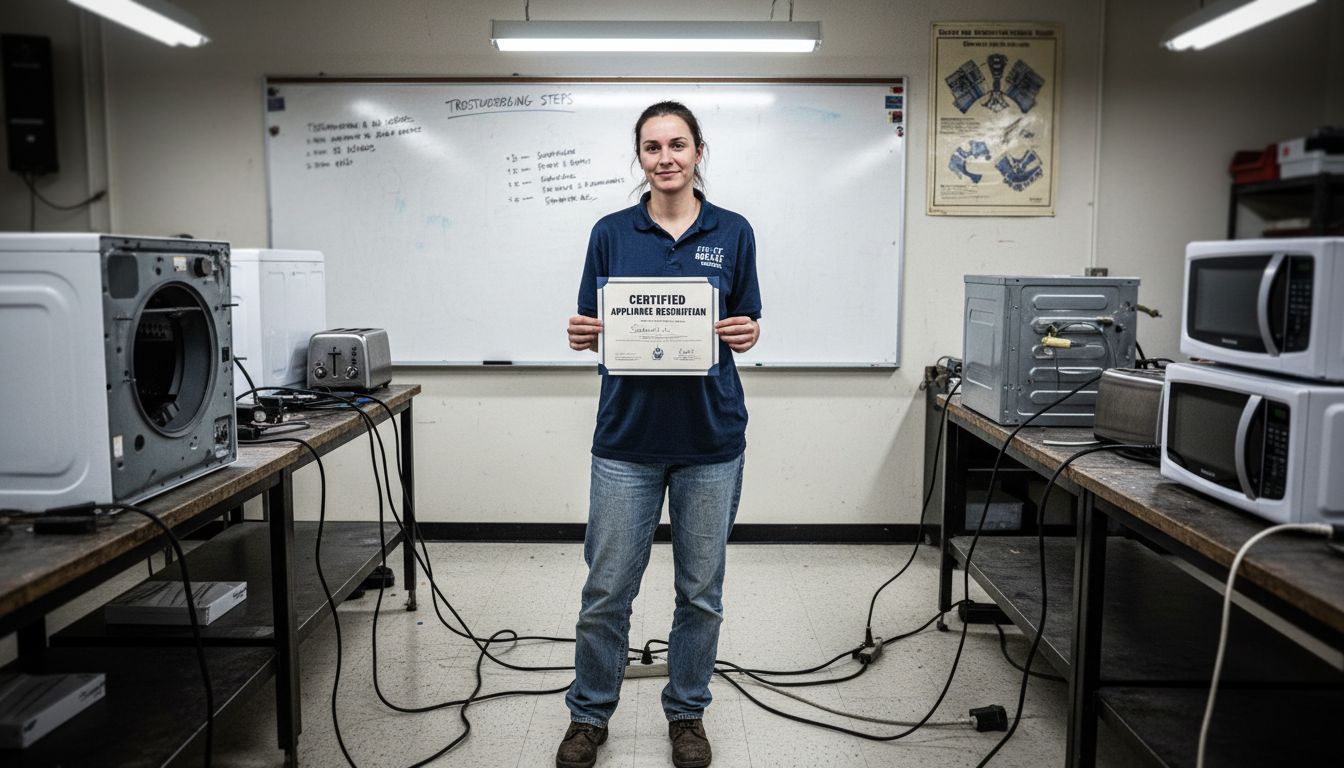
California has established specific regulatory frameworks to maintain high professional standards. The Certified Appliance Recycler (CAR) Program mandates specialized certification for professionals handling appliance-related services, particularly focusing on proper hazardous material management. This program underscores the state’s commitment to ensuring that technicians possess not just technical skills, but also critical environmental and safety knowledge.
Key certifications and qualifications for appliance repair technicians typically include:
- State Licensing: Mandatory permits demonstrating compliance with local regulations
- Technical Certifications: Specialized training from manufacturer or industry associations
- Safety Credentials: Electrical safety and hazardous material handling certifications
- Manufacturer-Specific Training: Brand-authorized repair and diagnostic credentials
- Continuing Education Credits: Ongoing professional development requirements
Beyond formal certifications, professional appliance repair requires technicians to demonstrate practical skills, problem-solving abilities, and a commitment to staying current with rapidly evolving technology. Landlords and homeowners increasingly rely on certified professionals who can navigate complex repair scenarios while adhering to stringent safety and performance standards. By investing in comprehensive training and certification, technicians not only enhance their professional credibility but also provide homeowners with confidence in the quality and reliability of their service.
Safety Protocols and Compliance Measures
Safety protocols represent the fundamental backbone of professional appliance repair, ensuring technicians protect themselves, homeowners, and the integrity of complex home systems. Safety protocols are comprehensive guidelines that address potential risks associated with electrical, mechanical, and gas-powered appliance interventions. These standardized procedures minimize potential hazards and create a structured approach to managing potentially dangerous repair scenarios.
California’s regulatory framework provides rigorous standards for appliance repair safety. The California Code of Regulations establishes detailed requirements for disconnecting and handling appliances, mandating specific safety measures that technicians must follow. These regulations cover critical aspects such as electrical disconnection protocols, gas line management, and equipment handling procedures that protect both service professionals and residential environments.
Key safety protocols and compliance measures typically encompass multiple critical dimensions:
- Electrical Safety: Proper power disconnection and lockout procedures
- Personal Protective Equipment (PPE): Mandatory safety gear requirements
- Risk Assessment: Pre-repair evaluation of potential hazards
- Equipment Isolation: Systematic approaches to disconnecting appliances
- Hazardous Material Management: Proper handling of potentially toxic components
- Emergency Response Preparedness: Protocols for unexpected complications
Professional appliance repair organizations continually refine these safety standards to address emerging technological challenges and minimize potential risks. By maintaining strict adherence to comprehensive safety protocols, technicians demonstrate their commitment to professional excellence and customer protection. These measures not only safeguard immediate repair environments but also contribute to long-term residential safety and equipment reliability.
California Appliance Repair Regulations Explained
California maintains a comprehensive regulatory framework that sets rigorous standards for appliance repair professionals, ensuring safety, quality, and consumer protection across residential service contexts. Appliance installation standards play a crucial role in defining the technical and professional requirements that technicians must meet when servicing home equipment.
The California Code of Regulations establishes detailed guidelines that define accepted trade standards for electronic sets and appliances. These regulations specify what constitutes a “good and workmanlike” repair, outlining precise technical requirements that protect consumers and maintain high-quality service standards. Specific provisions address critical aspects such as:
- Technical Competency: Minimum skill and knowledge requirements
- Safety Protocols: Mandatory procedures for equipment handling
- Material Standards: Acceptable replacement parts and repair methods
- Documentation Requirements: Repair reporting and record-keeping guidelines
- Professional Conduct: Ethical standards for service professionals
Additional regulatory measures, such as those outlined in Title 8, Section 2522.20, provide explicit guidelines for safely disconnecting appliances during repair processes. These regulations demonstrate California’s commitment to protecting both service professionals and homeowners by establishing clear, comprehensive standards that minimize risks and ensure high-quality technical interventions. By maintaining such stringent requirements, the state ensures that appliance repair services meet the highest levels of professional excellence and consumer safety.
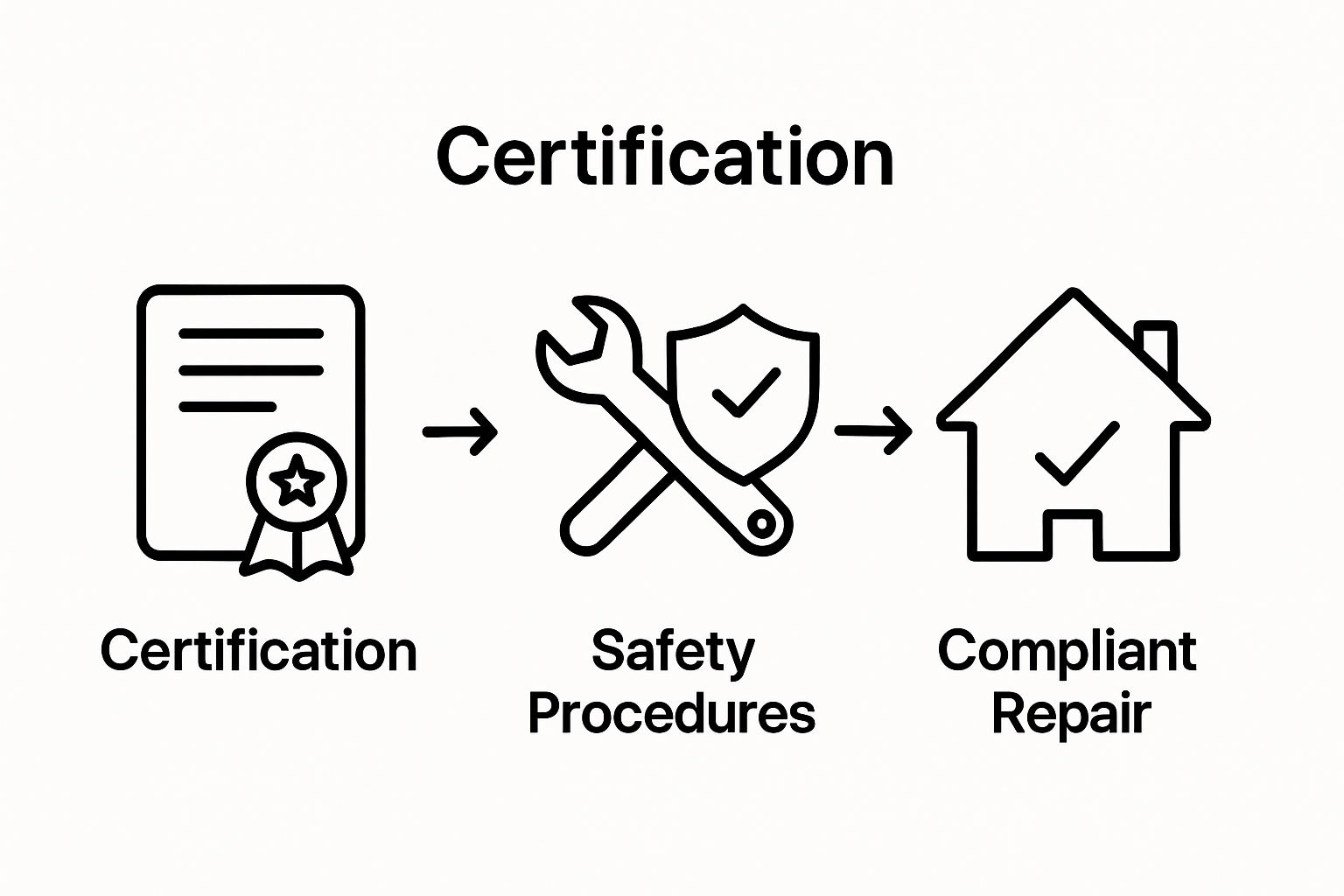
Risks of Non-Compliance and Common Mistakes
Non-compliance with California’s appliance repair regulations poses significant risks that can devastate professional careers and expose businesses to severe legal consequences. Professional appliance repair requires strict adherence to established standards to avoid potentially catastrophic financial and legal repercussions.
The consequences of regulatory violations can be remarkably severe. Operating without proper licensing can result in extensive penalties, including substantial monetary fines, potential jail time, consumer lawsuits, and mandatory cease-and-desist orders that can permanently disrupt business operations. These penalties underscore the critical importance of maintaining full regulatory compliance.
Common compliance mistakes that technicians and businesses frequently encounter include:
- Improper Licensing: Attempting to operate without required state certifications
- Safety Protocol Violations: Neglecting mandatory equipment disconnection procedures
- Inadequate Documentation: Failing to maintain comprehensive repair records
- Unauthorized Repair Techniques: Using non-approved parts or methods
- Incomplete Safety Assessments: Skipping critical pre-repair risk evaluations
- Lack of Continuing Education: Not staying current with evolving technical standards
Professional appliance repair demands meticulous attention to regulatory requirements. By understanding and proactively addressing potential compliance risks, technicians can protect themselves, their businesses, and their customers from potentially devastating legal and financial consequences. The investment in proper training, documentation, and adherence to established standards ultimately represents the most effective strategy for sustainable professional success.
Ensure Top-Quality Appliance Repair with Local Experts Who Understand Industry Standards
Navigating California’s strict appliance repair regulations and safety protocols can be challenging. Homeowners often struggle with finding reliable technicians who not only have the right certifications but also strictly follow industry standards to protect their safety and investments. Key concerns include proper equipment disconnection, adherence to safety guidelines, and licensed service delivery—all critical to prevent costly mistakes or compliance issues.
At MDTech Services, we prioritize these exact challenges with our team of licensed technicians who specialize in residential appliance repair and installation. We ensure every job meets California’s rigorous technical and safety requirements, delivering peace of mind through professional, trustworthy service. From expert appliance conversions to handling branded repairs like Sears, our local knowledge and commitment to industry best practices set us apart.
Ready to experience safe, dependable appliance repair tailored to California standards?

Visit MDTech Services today to schedule your service or learn more about how we uphold the highest repair standards. Don’t wait to protect your home and appliances—book online now and get service from Orange County and Los Angeles County’s leading professionals.
Learn why professional appliance repair matters. Discover our full range of residential appliance installation services designed to keep your household safe and running smoothly.
Frequently Asked Questions
What are industry standards in appliance repair?
Industry standards in appliance repair are systematic guidelines that ensure safety, quality, and professional performance in servicing residential appliances. These standards cover technical requirements, safety protocols, and best practices that technicians must follow.
Why are safety protocols important in appliance repair?
Safety protocols are crucial in appliance repair as they protect both technicians and homeowners from potential hazards associated with electrical, mechanical, and gas-powered appliances. Adherence to these protocols minimizes risks during repair interventions.
What certifications should appliance repair technicians have?
Appliance repair technicians should have state licensing, technical certifications, safety credentials, and manufacturer-specific training. These qualifications demonstrate their expertise in handling complex repairs and their commitment to safety and environmental standards.
What are the risks of non-compliance with appliance repair regulations?
Non-compliance with appliance repair regulations can lead to severe penalties, including fines, potential jail time, consumer lawsuits, and business disruptions. It is vital for technicians to adhere to established standards to avoid these consequences.
Recommended
- Appliance repair or Installation service Appliance Repair vs. Replacement: How to Make the Right Decision for Your Home – MDTech Services
- Dishwasher repair installation service The Ultimate Guide to Dishwasher Repair: Troubleshooting Tips and Tricks – MDTech Services
- Dishwasher repair or Installation Garbage disposal repair or Installation Airgap repair pump repair Fixing Dishwashers, Garbage Disposals, and More! – MDTech Services
- Washer repair Washing machine repair. A Second Chance for Washers: How We Transformed Broken Machines into Like-New Appliances – MDTech Services
- Industry Standards for Testing in Diesel Injection Services – My WordPress