
Over 80 percent of american households rely on appliances every day, yet few understand the complex terms that shape safe and proper installation. Whether you are a homeowner or a professional, knowing the right terminology helps protect your investment and safety. This guide breaks down the essential language of appliance installation, giving you the confidence to ensure every setup meets the highest standards without confusion or costly mistakes.
Table of Contents
- Defining Appliance Installation Terminology
- Essential Terms And Their Meanings
- Types Of Appliance Installations Explained
- Safety Codes And Compliance Standards
- Common Mistakes And How To Avoid Them
Key Takeaways
| Point | Details |
|---|---|
| Understanding Terminology is Essential | Grasping appliance installation terms like grounding and overcurrent protection is crucial for safe, compliant setups. |
| Compliance with Standards is Critical | Adhering to local and national codes ensures that installations meet safety and performance regulations. |
| Avoid Common Installation Mistakes | Being aware of frequent errors, such as improper grounding and inadequate ventilation, can prevent costly safety issues. |
| Tailored Installation Methods Exist | Different appliances require specific installation techniques, emphasizing the need for a professional approach to each unique case. |
Defining Appliance Installation Terminology
Appliance installation involves complex technical processes that require understanding specialized terminology. Professionals and homeowners alike must grasp key concepts to ensure safe, compliant, and efficient setup of household equipment. From electrical connection requirements to proper mounting techniques, these terms form the foundation of proper appliance placement and functionality.
Installation Standards encompass a broad range of technical specifications that govern how appliances are safely integrated into residential environments. According to electrical code guidelines, critical terminology includes:
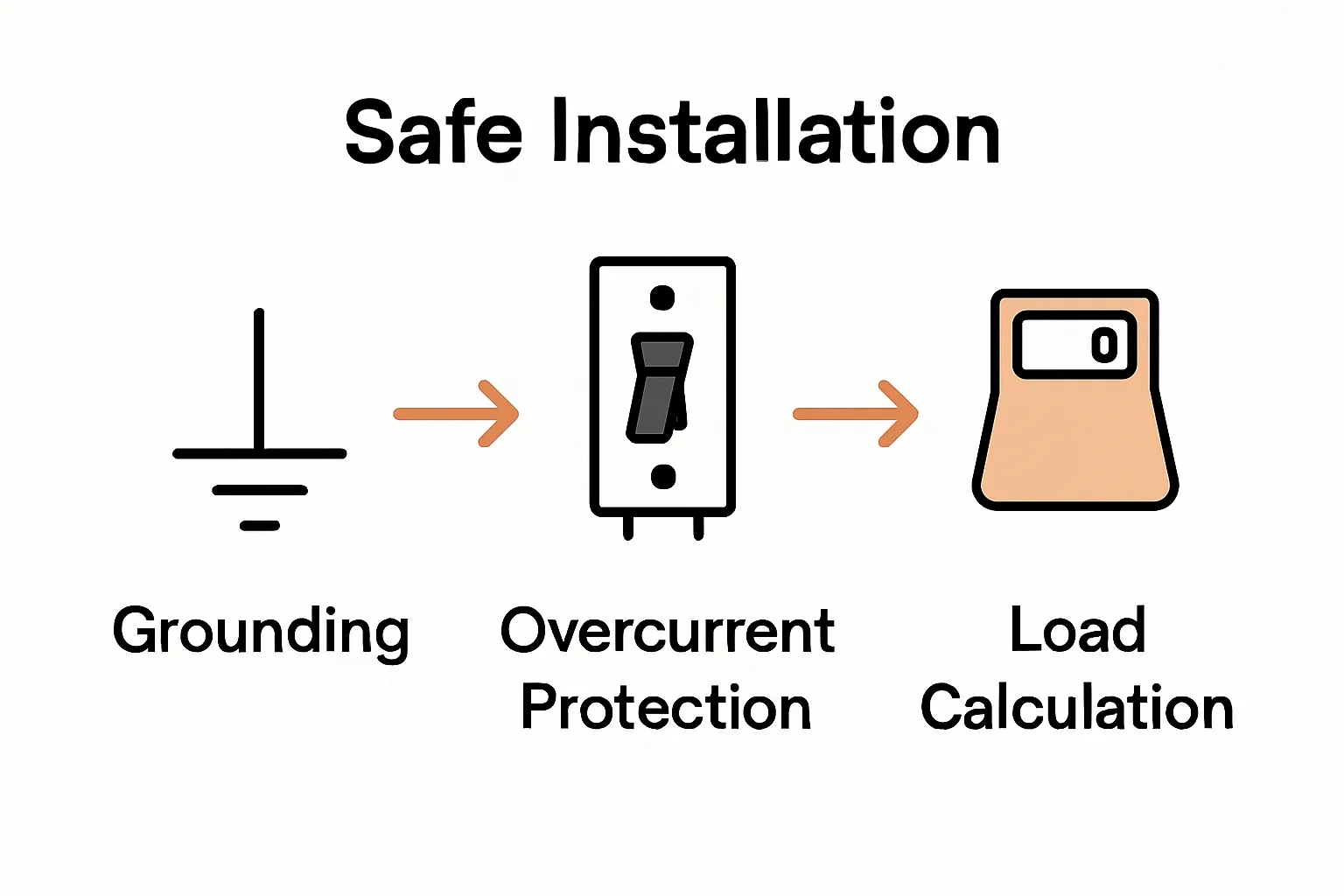
- Disconnecting Means: The method or device used to disconnect power from an appliance, typically involving switches, circuit breakers, or plugs
- Overcurrent Protection: Mechanisms designed to prevent electrical circuits from experiencing excessive current that could cause damage or fire risks
- Grounding: The process of creating a direct electrical connection to the earth, which helps prevent electrical shock and stabilize voltage
Understanding these foundational terms is crucial for homeowners and technicians. Compliance Requirements are equally important, with national and local building codes dictating specific installation protocols. Proper terminology helps ensure that appliances are not just functional, but also meet rigorous safety standards set by regulatory agencies. Whether you are installing a refrigerator, dishwasher, or gas stove, knowing the right terminology can mean the difference between a successful setup and a potential safety hazard.
Essential Terms and Their Meanings
Navigating the world of appliance installation requires understanding a complex set of specialized terminology that ensures safe and efficient equipment setup. Electrical code guidelines provide critical definitions that help professionals and homeowners comprehend the technical nuances of proper installation.
Key Installation Terminology encompasses several crucial categories that define how appliances are safely integrated into residential environments:
- Load Calculation: The process of determining the total electrical demand an appliance will place on a home’s electrical system
- Amperage Rating: The maximum current an electrical circuit or device can safely handle without overheating or causing damage
- Voltage Compatibility: Ensuring the electrical supply matches the specific requirements of an appliance
- Circuit Breaker Specifications: The protective devices that interrupt electrical flow when current exceeds safe levels
Beyond electrical considerations, appliance efficiency standards introduce additional critical terminology. Compliance Definitions play a vital role in understanding installation requirements. These include energy efficiency ratings, building code specifications, and safety protocol definitions that guide technicians in creating optimal, safe installations. Professional installers must be well-versed in these terms to guarantee that every appliance meets rigorous performance and safety standards, protecting both the equipment and the homeowner.
Types of Appliance Installations Explained
Appliance installations are not a one-size-fits-all process, with different installation methods tailored to specific equipment requirements and residential environments. National Electrical Code guidelines outline several critical categories of appliance installations that professionals must understand to ensure safety and functionality.
Installation Categories can be broadly classified into several key types:
- Permanently Connected Appliances: Devices directly wired into the home’s electrical system, requiring professional installation and meeting specific electrical code standards
- Plug-In Appliances: Equipment that can be connected through standard electrical outlets, offering more flexibility in placement
- Motor-Operated Appliances: Specialized devices with unique electrical and mechanical installation requirements
- Gas-Powered Appliances: Installations involving precise gas line connections and ventilation specifications
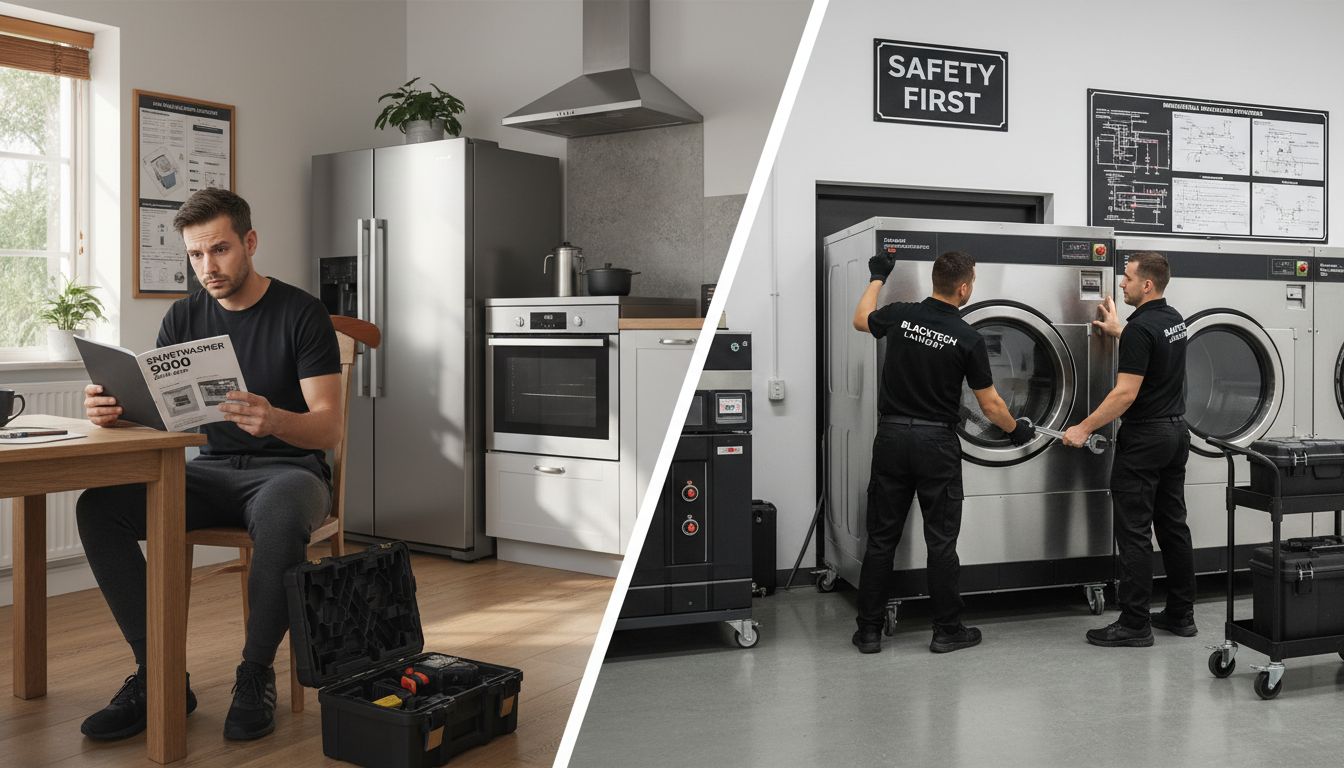
Beyond basic installation types, appliance efficiency standards introduce additional complexity. Residential versus Commercial Installations differ significantly, with commercial settings requiring more rigorous safety protocols, higher voltage tolerances, and specialized mounting techniques. Professional technicians must navigate these nuanced installation requirements, ensuring each appliance not only functions correctly but also meets stringent safety and performance standards specific to its intended environment.
Safety Codes and Compliance Standards
Electrical safety regulations form the critical backbone of appliance installation, establishing comprehensive guidelines that protect homeowners and technicians from potential hazards. The National Electrical Code (NEC) serves as the primary framework for ensuring safe electrical systems across residential and commercial environments.
Key Compliance Requirements encompass multiple critical dimensions:
- Electrical Load Specifications: Precise calculations determining safe electrical capacity for different appliances
- Grounding Standards: Mandatory protocols for preventing electrical shock and equipment damage
- Circuit Protection: Requirements for circuit breakers and safety switches to interrupt potentially dangerous electrical currents
- Installation Clearance: Minimum distance regulations for appliances near electrical outlets, walls, and other potential interference sources
Appliance efficiency standards extend beyond basic safety, introducing additional layers of regulatory oversight. Jurisdictional Variations mean that compliance requirements can differ significantly between states and local municipalities. Professional technicians must navigate these complex regulatory landscapes, ensuring that each installation meets not just minimum safety standards, but also local and state-specific efficiency and performance regulations. This multilayered approach guarantees that appliance installations protect both consumer safety and long-term equipment functionality.
Common Mistakes and How to Avoid Them
National Electrical Code guidelines highlight numerous critical errors that homeowners and technicians frequently encounter during appliance installations. Understanding these potential pitfalls is crucial for ensuring safe, efficient, and compliant equipment setup.
Critical Installation Mistakes that professionals routinely encounter include:
- Improper Grounding: Failing to establish correct electrical grounding, which can lead to shock risks and equipment damage
- Inadequate Overcurrent Protection: Neglecting to install appropriate circuit breakers or safety switches
- Incorrect Electrical Load Calculations: Overloading circuits by miscalculating the power requirements of specific appliances
- Insufficient Ventilation: Placing appliances in spaces that restrict proper air circulation and heat dissipation
- Ignoring Manufacturer Specifications: Disregarding specific installation instructions unique to each appliance model
Appliance efficiency standards underscore the importance of meticulous installation practices. Prevention Strategies demand a comprehensive approach, including thorough pre-installation inspections, precise measurements, and strict adherence to both manufacturer guidelines and local building codes. Professional technicians must combine technical expertise with careful attention to detail, recognizing that even minor installation errors can compromise safety, performance, and long-term equipment reliability.
Master Appliance Installation Terminology with Expert Support
Understanding complex terms like grounding, overcurrent protection, and load calculation is essential to ensure your appliance installation is safe and efficient. Many homeowners face the challenge of navigating technical jargon and strict safety codes that can feel overwhelming and risky without the proper expertise. Whether you are dealing with permanently connected or plug-in appliances, knowing the right installation standards can mean the difference between a safe and a faulty setup.
At MDTech Services, we specialize in translating these technical requirements into reliable, worry-free solutions. Our licensed technicians bring local expertise to every job, ensuring compliance with all electrical codes and manufacturer specifications. From installing refrigerators to complex conversions from LP to natural gas, we deliver peace of mind through expert service that prioritizes your safety and comfort.
Take control of your home appliance installation today and avoid costly mistakes by relying on trusted professionals.
Looking for a trustworthy partner to handle your appliance installation or repair needs?

Discover how our responsive and safety-focused team at MDTech Services can simplify your installation process. Schedule your next service easily online or contact us now to secure your appointment. Your home deserves expert care designed around the latest installation standards and terminology.
Learn more about our comprehensive services at MDTech Services Appliance Solutions and experience true local expertise for your residential appliances.
Frequently Asked Questions
What is the importance of understanding appliance installation terminology?
Understanding appliance installation terminology is crucial for ensuring safe, compliant, and efficient setup of household equipment. It facilitates better communication between homeowners and technicians, ensuring that appliances are correctly installed according to local safety standards.
What does ‘overcurrent protection’ mean in appliance installation?
Overcurrent protection refers to mechanisms, such as circuit breakers or fuses, designed to prevent electrical circuits from experiencing excessive current, which can lead to damage or fire hazards. This is a vital safety measure in appliance installations.
What are the different types of appliance installations?
Appliance installations can be broadly classified into permanently connected appliances, plug-in appliances, motor-operated appliances, and gas-powered appliances. Each type has unique installation requirements and considerations to ensure safety and functionality.
Why is proper grounding necessary in appliance installation?
Proper grounding is essential to create a direct electrical connection to the earth, which helps prevent electrical shock and stabilizes voltage levels. It is a critical safety measure required by electrical codes and standards.
Recommended
- Appliance repair or Installation service Appliance Repair vs. Replacement: How to Make the Right Decision for Your Home – MDTech Services
- What Is Appliance Installation? Complete Overview – MDTech Services
- Complete Guide to the Role of Appliance Installation
- Complete Guide to Appliance Electrical Terminology – MDTech Services