
Energy efficiency is the fastest, lowest-cost way most households can cut utility bills, improve comfort, and reduce emissions — and the U.S. Department of Energy confirms that reducing energy losses through insulation, efficient HVAC, and better appliances delivers measurable savings alongside real comfort gains. The EPA adds that local efficiency programs also create jobs and open financing pathways that make upgrades accessible to most homeowners.
The five headline benefits you can expect:
- Lower monthly bills — typical households spend around $2,000 per year on energy, and combined efficiency measures can cut that total by up to 25%
- Reduced greenhouse gas emissions — less energy consumed means less fossil fuel burned at the grid level
- Better comfort and indoor air quality — tighter envelopes reduce drafts, dust, and humidity swings
- Grid reliability — your reduced demand helps defer costly new power plant construction
- Local job creation — efficiency programs fund local contractors, auditors, and technicians
Your first move: schedule a home energy audit, seal the biggest air leaks, and check whether your HVAC system has been serviced in the past 12 months.
Key Takeaways
Energy efficiency is the single most cost-effective way most homeowners can reduce bills, improve comfort, and lower emissions — and the benefits compound when upgrades are sequenced correctly.
| Point | Details |
|---|---|
| Start with the envelope | Air sealing and insulation deliver 10–25% energy savings and make every subsequent upgrade more effective. |
| Sequence upgrades correctly | Fix air leaks and insulation before sizing or replacing HVAC equipment to avoid oversizing and wasted spend. |
| Use available incentives | Utility rebates, federal tax credits, and EEMs can significantly reduce upfront costs — check DSIRE and ENERGY STAR for current offers. |
| Measure before and after | Collect 12 months of baseline bills, then compare year-over-year to verify real savings after upgrades. |
| Mdtechservices | Licensed HVAC diagnostics and appliance repair in Orange County and Los Angeles County help homeowners capture real efficiency gains. |
Table of Contents
- Why energy efficiency matters: the full picture of benefits
- How energy efficiency translates into real dollar savings
- How does energy efficiency help the power grid and climate?
- What homeowners actually notice after making efficiency upgrades
- How to improve energy efficiency at home, step by step
- What programs and financing options make upgrades affordable?
- How to measure your savings and set realistic expectations
- Sources
Why energy efficiency matters: the full picture of benefits
Energy efficiency is sometimes called the “first fuel” or “hidden fuel” — a term used by the Rocky Mountain Institute (RMI) and the International Energy Agency (IEA) to describe the energy you never have to generate because you stopped wasting it. The World Bank frames it as a low-cost infrastructure strategy that can yield roughly $3–$5 in economic returns for every $1 invested, while reducing the capital needed for new power plants.
That framing matters because it shifts the conversation from “saving a few dollars on your bill” to something much larger.
Costs and bills. The most direct benefit is financial. Those are real dollars recovered every month without changing how you live.
Climate and emissions. Every kilowatt-hour you avoid consuming is one that doesn’t need to be generated, which means less combustion, fewer carbon emissions, and a smaller contribution to climate change. ACEEE modeling finds that scaling efficiency and demand flexibility through 2050 could save approximately $4.8 trillion in energy and related costs and reduce climate pollution by roughly one-third — equivalent to nearly $31,000 per household over that period.
$4.8 trillion in projected savings from efficiency and demand flexibility through 2050, with per-household gains of approximately $31,000 — ACEEE
Public health and air quality. Burning less fossil fuel at power plants reduces particulate matter, nitrogen oxides, and ozone precursors. The EPA’s multiple-benefits guide documents these health improvements alongside energy savings, noting that avoided pollution translates into measurable reductions in respiratory illness and related healthcare costs.
Grid reliability and avoided capacity. When enough homes reduce peak demand, utilities can defer or cancel new generation capacity. EPA analysis shows efficiency programs cost utilities roughly 2–3 cents per kWh on average, far below the cost of building new generation. That gap represents real savings passed back through rates.
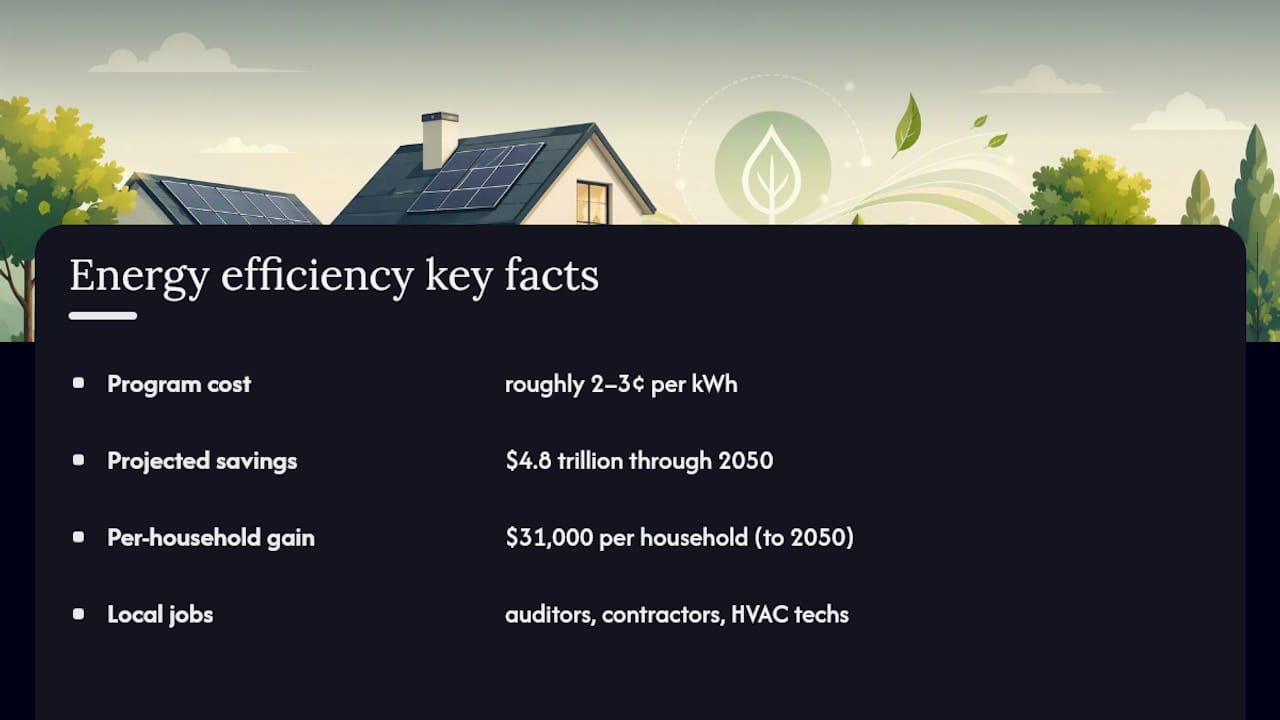
Local economic and job effects. Efficiency programs employ local auditors, insulation contractors, HVAC technicians, and appliance installers. The EPA notes that voluntary certifications like ENERGY STAR and Home Performance with ENERGY STAR channel investment into local labor markets, which strengthens the economic case for public program funding.
How energy efficiency translates into real dollar savings
The mechanism is straightforward: use fewer kilowatt-hours and therms, and your bill drops proportionally. But the specific savings vary by measure, and understanding typical paybacks helps you prioritize.
Ranges reflect typical residential scenarios; actual results depend on climate zone, existing conditions, and usage habits.
A concrete example: a home with leaky ducts and minimal attic insulation spending $180/month on energy could realistically drop to around $150/month after duct sealing and R-38 attic insulation — a $30/month saving. At a project cost of roughly $2,000–$2,500 installed, that’s a simple payback of roughly 6–7 years, with comfort improvements starting on day one.
Quick wins that cost very little and pay back fast:
- Replace remaining incandescent or CFL bulbs with LEDs
- Set your thermostat 7–10°F lower at night or when you’re away
- Seal visible gaps around outlets, pipe penetrations, and attic hatches with caulk or foam
- Clean or replace HVAC filters every 1–3 months to maintain airflow efficiency
Learning more about energy-efficient appliances can also help you decide when an aging unit is costing more to run than it’s worth to keep.
How does energy efficiency help the power grid and climate?
Individual efficiency actions aggregate in ways that matter at the grid level. When millions of homes reduce peak demand — the hours when everyone runs air conditioning simultaneously — utilities face less pressure to build expensive “peaker” plants that run only a few hundred hours per year. The World Bank’s analysis frames efficiency as a low-cost infrastructure strategy that can delay or eliminate the need for new generation capacity, with returns commonly in the $3–$5-per-$1-invested range.
Efficiency programs typically cost utilities around 2–3 cents per kWh — a fraction of the cost of building new generation capacity — EPA multiple-benefits analysis
The climate connection is direct. Reduced electricity consumption means less combustion at fossil fuel plants, which cuts greenhouse gas emissions at the source. ACEEE projects that efficiency and demand flexibility could reduce climate pollution by roughly one-third by 2050 if scaled aggressively.
Efficiency also makes electrification cheaper. A well-insulated, air-sealed home needs a smaller heat pump to maintain comfort, which lowers equipment cost and reduces the strain on the grid during cold snaps. Practical grid-facing impacts include:
- Flattening evening demand peaks through smart thermostats and demand-response-ready appliances
- Reducing the need for transmission upgrades by lowering total load
- Making rooftop solar more effective by reducing baseline consumption first
- Improving grid resilience during extreme weather by reducing load on stressed infrastructure
What homeowners actually notice after making efficiency upgrades
The financial case is clear, but homeowners often report that comfort improvements matter just as much as the bill reduction. Air sealing and insulation eliminate the cold drafts near windows and exterior walls that make a room feel uncomfortable even when the thermostat reads 70°F. Proper HVAC sizing — right-sized equipment for the actual load after envelope improvements — means more consistent temperatures room to room and quieter operation.
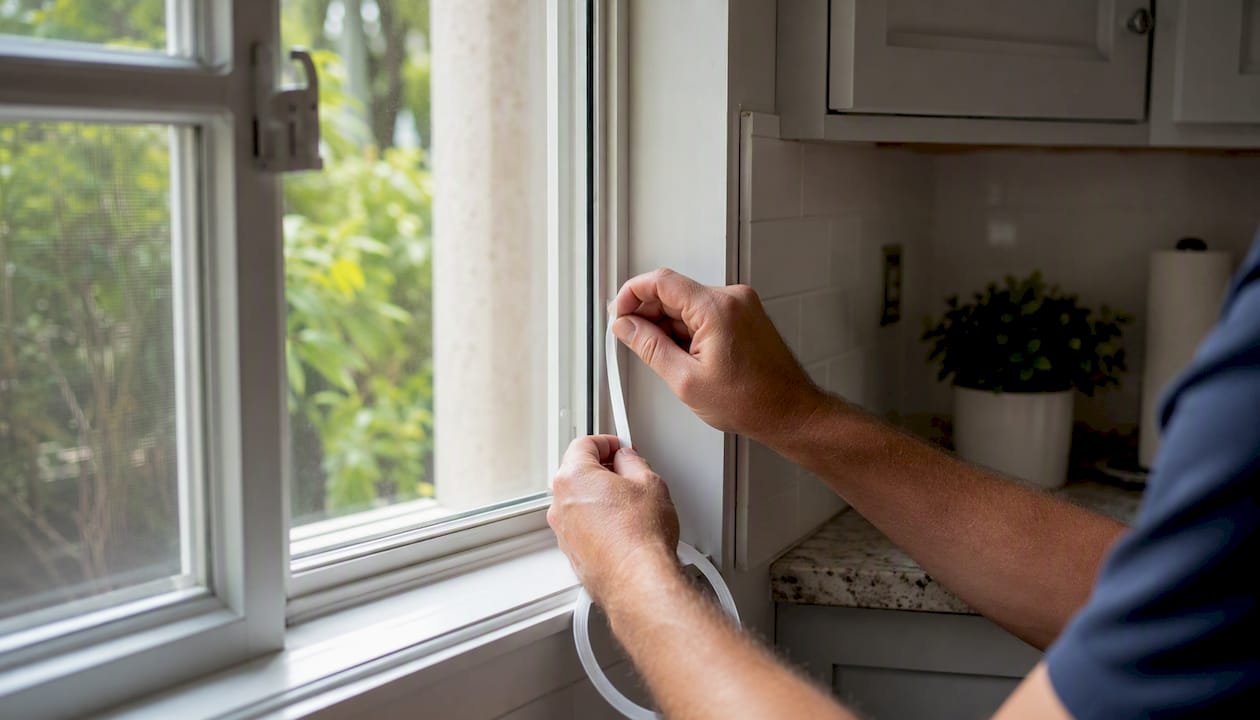
ENERGY STAR-certified homes perform at least 10% better than homes built to minimum code, and studies in some markets show resale premiums up to 8%. EPA guidance confirms that tighter envelopes also reduce infiltration of outdoor pollen, dust, and humidity, which directly improves indoor air quality. Homes with better insulation also retain heat longer during power outages, adding a resilience benefit that most homeowners don’t anticipate until they need it.
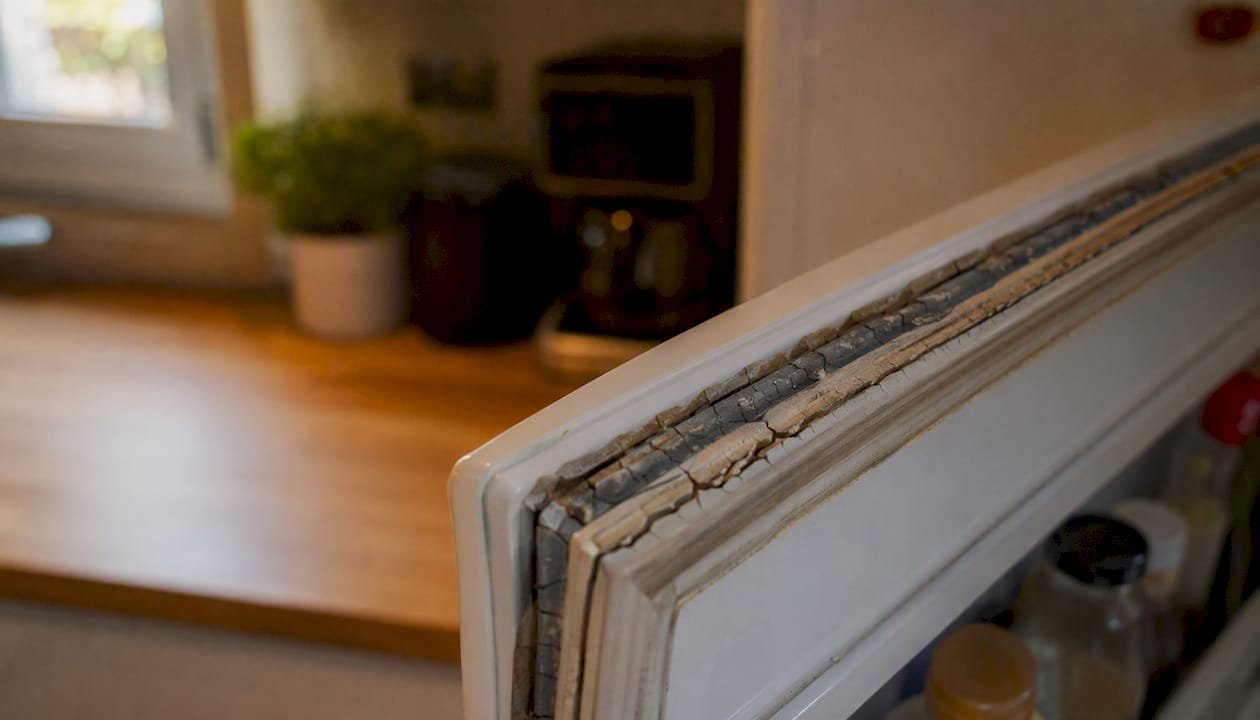
Appliance aging is a factor that often goes unnoticed. A technical study on refrigerator aging found that average refrigeration energy consumption tends to increase noticeably as appliances age over many years, driven primarily by insulation degradation rather than compressor failure. That’s a meaningful efficiency loss that shows up silently on your bill.
Pro Tip: Fix the envelope before upsizing the HVAC. A leaky, under-insulated home will defeat even a high-efficiency heat pump. Seal and insulate first, then right-size the equipment to the reduced load. For appliances, use a plug-in energy monitor to measure actual watt-draw before deciding whether to repair or replace — a lifecycle analysis shows that manufacturing a new appliance carries its own carbon cost, so early replacement isn’t always the greener choice.
Consider a typical scenario Mdtechservices technicians encounter: a homeowner in a 1980s-era house complains of uneven room temperatures and a high summer cooling bill. The result is more consistent temperatures across rooms, a quieter system cycling less frequently, and a measurable reduction in monthly energy costs — all without replacing the HVAC unit itself.
How to improve energy efficiency at home, step by step
Prioritizing upgrades in the right order makes each dollar go further. Envelope work first, then mechanical systems, then appliances and behavior.
- Get a home energy audit. A certified auditor uses a blower-door test and thermal imaging to find where your home loses energy. This gives you a ranked list of improvements rather than guesswork. Review what an energy audit covers before booking one.
- Seal air leaks. Focus on attic bypasses, basement rim joists, and penetrations around pipes and wires. These are often the largest sources of energy loss in older homes.
- Add or upgrade insulation. Attic insulation is typically the highest-return insulation project. Target R-38 to R-60 in attics depending on your climate zone.
- Service or upgrade your HVAC system. A tune-up, filter replacement, and duct inspection can recover significant efficiency from an existing system. If the unit is over 15 years old, compare operating costs against a modern heat pump. Use an HVAC efficiency checklist to guide the inspection.
- Upgrade water heating. Heat pump water heaters use roughly half the energy of conventional electric resistance models and qualify for federal tax credits.
- Replace aging appliances strategically. Use measured watt-draw data and lifecycle cost to decide, not just age. Refrigerators over 15 years old are strong replacement candidates given the 27–28% efficiency loss documented in aging studies.
- Adjust daily habits. Wash laundry in cold water, run the dishwasher only when full, and set the thermostat 7–10°F back during sleeping hours. These changes cost nothing and compound over time.
When hiring contractors, ask for credentials: ENERGY STAR Partner status, Home Performance with ENERGY STAR certification, or state licensing for HVAC and electrical work. Third-party verification matters because it gives you a basis for comparing bids and holding contractors accountable for results. Energy-efficient window treatments and upgraded interior doors can also reduce drafts and cooling loads in older homes, complementing envelope work at a lower cost than full window replacement.
What programs and financing options make upgrades affordable?
Upfront cost is the most common barrier to efficiency upgrades, and several financing vehicles exist to reduce it.
- Utility rebates are the most accessible starting point. Most utilities offer instant rebates on ENERGY STAR appliances, smart thermostats, and insulation. Check your utility’s website or the DSIRE database (dsireusa.org) for current offers in your state.
- Federal tax credits under the Inflation Reduction Act cover a percentage of costs for heat pumps, heat pump water heaters, insulation, and energy audits. Confirm current credit amounts and eligibility at energystar.gov, since limits and qualifying products are updated periodically.
- Energy Efficient Mortgages (EEMs) allow buyers or refinancing homeowners to roll efficiency upgrade costs into their mortgage, spreading the cost over the loan term at mortgage rates rather than credit card rates.
- On-bill financing and PACE programs let you repay upgrade costs through your utility bill or property tax assessment, which can be useful when upfront cash is limited.
Local government programs often bundle multiple measures — insulation, air sealing, and HVAC tune-ups — into a single subsidized package, which lowers both cost and coordination effort. The ENERGY STAR website and DSIRE are the two most reliable places to search for what’s available in your area.
Combining incentives with financing often produces the best outcome: use a rebate to reduce the financed amount, then use an EEM or on-bill program to spread the remaining cost. For homeowners in Orange County or Los Angeles County, Mdtechservices can help identify which HVAC and appliance upgrades qualify for local rebates and handle the installation work. Book a service appointment to get a professional assessment before committing to a project.
How to measure your savings and set realistic expectations
Measuring efficiency gains requires a consistent baseline. Pull 12 months of utility bills before any work begins, note the kWh and therm totals, and record the weather (heating and cooling degree days) for that period. After upgrades, compare the same calendar months year-over-year, adjusting for any significant weather differences or changes in occupancy.
Smart meters and home energy monitors (such as those that clip onto your electrical panel) make this easier by providing near-real-time consumption data. Many utilities now offer online dashboards that display daily and hourly usage, which lets you see the impact of a thermostat change or a new appliance within days.
A practical verification checklist:
- Collect pre-install bills for at least 3 billing cycles (ideally 12 months)
- Record baseline kWh and therms by month
- Note any behavior changes that could affect results (new occupants, home office use, EV charging)
- Inspect installation quality: check that insulation is continuous with no gaps, ducts are sealed at all joints, and equipment is properly commissioned
- Allow 3–12 months of post-install data before drawing conclusions, since seasonal variation can mask or exaggerate results in shorter windows
Pro Tip: If savings are lower than expected after 6 months, inspect the envelope work first. Gaps in attic insulation and unsealed attic bypasses are the most common reasons efficiency upgrades underperform. Then check HVAC commissioning: a system that wasn’t properly charged or balanced after installation won’t deliver rated efficiency. A licensed technician can run a smart HVAC diagnostic to identify the gap.
Mdtechservices’ perspective on practical home efficiency
At Mdtechservices, we work in homes across Orange County and Los Angeles County every week — servicing HVAC systems, repairing aging appliances, and helping homeowners understand why their bills aren’t matching their expectations. That field experience shapes our recommendations. The homes that see the best results start with an audit and envelope fixes, then address mechanical systems with licensed help. Skipping the audit and jumping straight to equipment replacement is the most common and most expensive mistake we see. We follow EPA and ENERGY STAR guidance because it’s grounded in real performance data, not marketing claims. Our technicians are licensed, and we back our work with the kind of reliability that homeowners in our service area have come to expect.
Mdtechservices can help you put efficiency into practice
Knowing what to do and getting it done are two different things. Mdtechservices offers HVAC diagnostics, tune-ups, and appliance repair and installation for homeowners in Orange County and Los Angeles County who want to stop losing money to inefficient equipment. Our licensed technicians can assess your HVAC system’s actual performance, identify aging appliances that are quietly inflating your bill, and handle the repair or installation work correctly the first time.
Whether you need an HVAC repair or diagnostic or guidance on an appliance repair versus replacement decision, we make it straightforward to book online and get a licensed technician to your door. Call us or schedule your appointment at mdtechservices.com today.
Sources
- Power More With Less: Scaling Up Energy Efficiency for Growth and Energy Security
- Local Energy Efficiency Benefits and Opportunities | US EPA
- Explore Homeowner Benefits | ENERGY STAR
- Efficiency Saves: Cutting Energy Waste Can Save $31,000 per Household | ACEEE