
When a pipe bursts at midnight or your air conditioner fails during a summer heat wave, recognizing true emergencies saves you from costly damage and stress. Homeowners in Orange County and Los Angeles County face unique challenges with aging infrastructure, soil conditions, and climate extremes that trigger urgent plumbing, HVAC, and appliance failures. Understanding which situations demand immediate professional attention versus those that can wait until morning protects your home and budget. This guide walks you through the most common emergency repair scenarios, helping you identify warning signs and make informed decisions when seconds count.
Table of Contents
- How To Identify Emergency Plumbing Repairs
- Common Emergency HVAC Repairs In Los Angeles And Orange County
- Typical Examples Of Emergency Appliance Repairs
- Comparing Emergency Repair Response Times And Costs
- Reliable Emergency Repairs From Mdtech Services
- Frequently Asked Questions
Key takeaways
| Point | Details |
|---|---|
| Emergency repairs span three critical systems | Plumbing leaks, HVAC failures, and appliance malfunctions pose immediate risks to your home and safety. |
| Response time determines damage severity | Professional technicians typically arrive within 30 to 90 minutes, preventing escalation from minor issues to major disasters. |
| Licensed expertise ensures code compliance | Certified technicians with proper credentials handle refrigerants, gas lines, and structural repairs safely and legally. |
| Repair versus replacement decisions follow cost rules | If repair costs exceed 50% of replacement value, investing in new equipment often makes better financial sense. |
| Local conditions create specific vulnerabilities | Slab leaks from soil shifts and HVAC strain from heat waves represent frequent Orange County emergencies. |
How to identify emergency plumbing repairs
Plumbing emergencies in Orange County often involve slab leaks, where pipes beneath your foundation crack or burst due to soil movement and corrosion. These hidden failures can devastate your home’s structure before you notice surface symptoms. Detecting slab leaks requires specialized equipment including acoustic listening devices that amplify the sound of water escaping underground, thermal imaging cameras that reveal temperature variations in floors, and moisture meters that pinpoint wet areas invisible to the naked eye.
Once detected, repair methods vary based on leak location and severity. Spot repairs work for isolated breaks, while extensive damage may require rerouting pipes through walls or ceilings. In severe cases, technicians tunnel beneath the slab or jackhammer through concrete to access broken sections. Emergency slab leak repairs demand response times between 60 and 90 minutes to prevent foundation settling and toxic mold growth.
Watch for these warning signs that indicate immediate plumbing attention:
- Unexplained wet spots on floors or carpets that expand over hours
- Vertical cracks appearing in walls or tile grout lines
- Sudden drops in water pressure throughout your home
- Hot spots on floors where heated water pools beneath slabs
- Unexpected spikes in water bills without increased usage
Understanding emergency plumbing basics helps you communicate effectively with technicians during crisis calls. Before scheduling service, verify a licensed plumber holds current California credentials and proper insurance coverage. Professional plumbing repair service providers maintain 24/7 availability for genuine emergencies that threaten property damage.
Pro Tip: Document slab leak evidence with photos and videos before repairs begin, as insurance claims often require visual proof of damage progression and professional assessment reports.
“Homeowners who catch slab leaks early through routine inspections save an average of $4,000 compared to those who wait until foundation cracks appear.”
Common emergency HVAC repairs in Los Angeles and Orange County
HVAC systems fail at the worst possible moments, typically during extreme weather when you need climate control most. The most frequent emergency HVAC repairs include capacitor failures that prevent compressors from starting, refrigerant leaks that reduce cooling capacity and pose environmental hazards, and compressor overload situations where electrical components overheat and shut down.
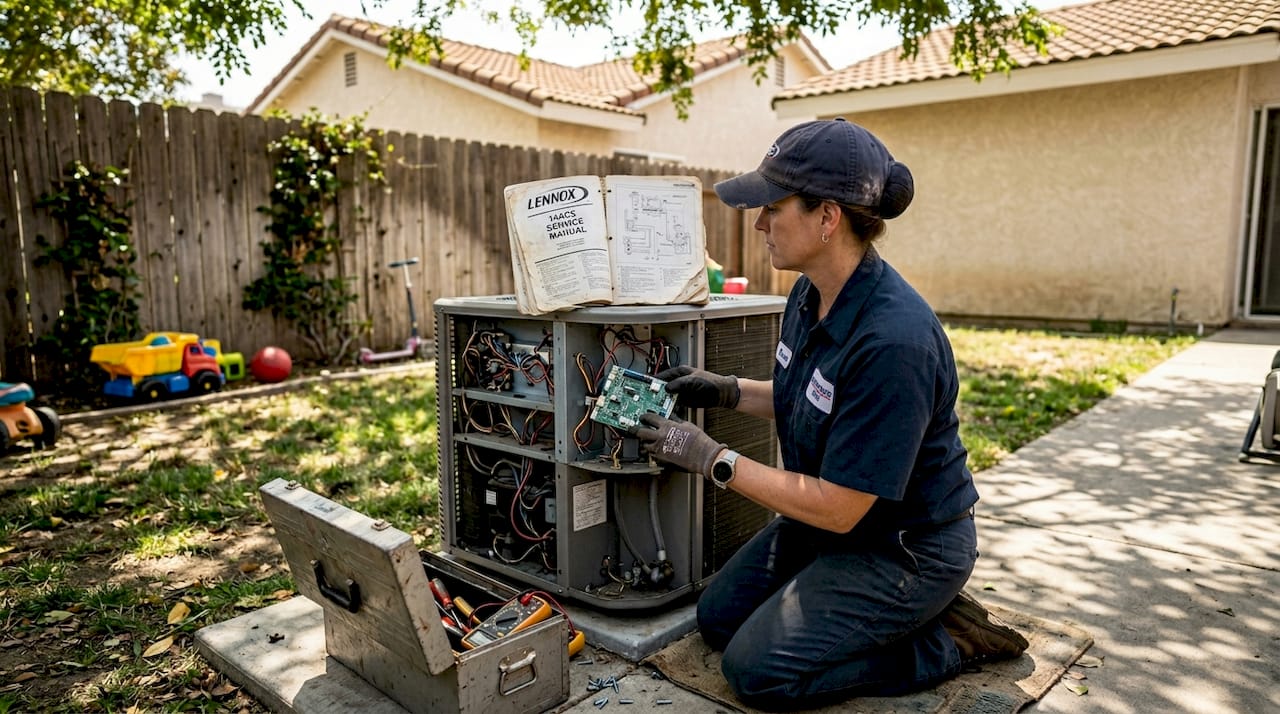
California law mandates specific licensing for HVAC work. Technicians must hold a C-20 contractor license and EPA Section 608 certification for handling refrigerants. Minor repairs like capacitor replacement typically proceed without permits, but major system replacements require inspection approval from the Los Angeles Department of Building and Safety. This regulatory framework protects homeowners from substandard work that creates safety hazards or code violations.
Response times for timely HVAC repair range from 30 to 90 minutes, critical during summer heat waves when indoor temperatures climb rapidly. Emergency technicians prioritize calls based on health risks, with homes containing elderly residents or young children receiving faster service. Understanding your HVAC repair guide options helps you assess whether temporary solutions like portable fans suffice until morning or immediate intervention prevents heat-related illness.
Common HVAC emergencies requiring immediate attention include:
- Complete system shutdown during temperatures above 95°F or below 40°F
- Burning smells indicating electrical shorts or motor failures
- Refrigerant leaks marked by hissing sounds and ice buildup on coils
- Thermostat malfunctions causing continuous operation and energy waste
- Blower motor failures leaving no air circulation through ductwork
Repair costs and timing decisions depend heavily on equipment age and efficiency ratings. Systems over 15 years old with major component failures often warrant replacement rather than expensive repairs. The emergency AC repair process involves diagnostic testing, cost estimates comparing repair versus replacement, and frank discussions about expected equipment lifespan.
Pro Tip: Keep your HVAC system’s model number, installation date, and maintenance records in a readily accessible file, as technicians need this information to order parts and assess whether repairs make economic sense.
Always verify licensed technician credentials before authorizing work, as unlicensed contractors cannot legally handle refrigerants or pull permits for major installations.
Typical examples of emergency appliance repairs
Appliance failures disrupt daily routines and sometimes create safety hazards requiring immediate professional response. Refrigerator breakdowns top the emergency list, as food spoilage begins within four hours once internal temperatures rise above 40°F. Oven malfunctions during meal preparation, especially gas units with ignition problems, pose fire and carbon monoxide risks. Dishwasher leaks flood kitchens rapidly, damaging cabinets and flooring if not addressed within the first hour.
Before calling for service, homeowners can perform basic diagnostics that sometimes resolve issues without professional help. Check circuit breakers for tripped switches, inspect power cords for damage, and verify appliances plug firmly into outlets. For refrigerators, clean condenser coils and ensure door seals close completely. Dishwashers often malfunction due to clogged filters or kinked drain hoses you can clear yourself.
When professional repair becomes necessary, the 50% replacement value rule guides your decision. If repair costs exceed half the price of a new appliance, replacement typically offers better long-term value. This calculation factors in the appliance’s age, remaining warranty coverage, and energy efficiency improvements in newer models.
Follow these steps to diagnose appliance emergencies before calling technicians:
- Document symptoms including error codes, unusual sounds, and performance changes
- Check owner’s manual troubleshooting sections for manufacturer-recommended solutions
- Test basic functions like power supply, water connections, and drainage systems
- Photograph any visible damage or leaks for insurance documentation
- Research typical repair costs online to establish budget expectations
The appliance repair guide provides detailed troubleshooting for common failures. Understanding when situations demand immediate attention versus scheduled appointments saves money and prevents unnecessary emergency service fees.
| Repair Option | Advantages | Disadvantages |
|---|---|---|
| Emergency Repair | Restores function immediately, preserves existing appliance, lower upfront cost | May require repeat service, older units less efficient, limited warranty on parts |
| Replacement | New warranty coverage, improved energy efficiency, latest features and technology | Higher initial investment, installation delays, disposal fees for old unit |
Consider appliance repair versus replacement factors including repair frequency over the past year, available rebates for energy-efficient models, and whether current appliances meet your household’s changing needs.
Comparing emergency repair response times and costs
Understanding response times and cost ranges across different emergency types helps you prioritize repairs and budget appropriately. Plumbing slab leak responses typically require 60 to 90 minutes as technicians gather detection equipment and assess foundation access points. These repairs often carry the highest costs due to concrete work and structural considerations, with expenses ranging from $2,000 to $10,000 depending on leak location and repair method.
HVAC emergencies generally see faster 30 to 90 minute response times since technicians carry common replacement parts like capacitors and contactors in service vehicles. Standard capacitor replacements cost between $150 and $400, while compressor failures run $1,200 to $2,500. The urgency increases during extreme weather when system failures threaten health and safety.
Appliance repair response varies widely based on part availability and technician specialization. Refrigerator compressor failures may require ordering specific components, delaying repairs by several days. Simple fixes like replacing door gaskets or thermostats happen within hours. Cost considerations follow the 50% rule, with homeowners weighing repair estimates against replacement prices.
| Emergency Type | Typical Response Time | Average Cost Range | Damage Risk Level |
|---|---|---|---|
| Slab Leak | 60 to 90 minutes | $2,000 to $10,000 | Critical foundation and mold risk |
| HVAC Failure | 30 to 90 minutes | $150 to $2,500 | Health risk during temperature extremes |
| Appliance Breakdown | 2 to 24 hours | $100 to $800 | Food spoilage, water damage potential |
Several factors influence emergency repair costs and timing:
- Time of service call, with after-hours and weekend rates typically 50% higher
- Part availability, as obscure components require special ordering and shipping
- Technician certification level, with master licenses commanding premium rates
- Extent of collateral damage requiring additional trades like drywall repair
- Local permit requirements adding inspection fees and compliance costs
Pro Tip: Establish relationships with licensed contractors before emergencies strike, as existing customers often receive priority scheduling and discounted rates compared to first-time callers.
“Homeowners who invest in timely HVAC repair and preventive maintenance reduce emergency service calls by 60% compared to those who neglect routine inspections.”
Prioritize repairs based on immediate damage potential rather than inconvenience alone. A dripping faucet can wait, but a burst pipe demands instant action. Consult plumbing repair service providers about maintenance plans that catch problems before they escalate to emergencies. Regular inspections of appliances following your appliance repair guide prevent unexpected failures during critical moments.
Reliable emergency repairs from MDTech Services
When emergencies strike your Orange County or Los Angeles home, you need professionals who respond quickly with proven expertise. MDTech Services maintains 24/7 availability with licensed technicians specializing in the exact scenarios covered throughout this guide.

Our team handles everything from slab leak detection to HVAC system failures and appliance breakdowns with the same commitment to quality and transparency. We carry extensive parts inventory in our service vehicles, reducing wait times and completing most repairs in a single visit. Every technician holds current California licenses and manufacturer certifications, ensuring your repairs meet all code requirements and warranty specifications. Whether you need appliance repair services, HVAC repair services, or plumbing repair services, our local expertise and rapid response times protect your home from escalating damage.
Frequently asked questions
What qualifies as a true emergency repair versus routine maintenance?
Emergencies involve active damage progression or immediate safety threats like burst pipes flooding your home, complete HVAC failure during extreme temperatures, or gas leaks creating explosion risks. Routine issues like slow drains or minor temperature fluctuations can wait for regular business hours. Consult your emergency appliance repair guide when uncertain about urgency levels.
How quickly should I expect emergency repair technicians to arrive?
Response times typically range from 30 minutes for critical HVAC failures to 90 minutes for complex plumbing diagnostics requiring specialized equipment. Weather conditions, traffic, and call volume affect arrival times. Reputable services provide estimated arrival windows when you book emergency calls.
When does repairing an appliance make more sense than replacing it?
Repair makes financial sense when costs stay below 50% of replacement value and the appliance is under 10 years old with no history of repeated failures. Factor in energy efficiency improvements in newer models and available manufacturer rebates. Older appliances nearing typical lifespan limits often warrant replacement despite lower repair costs.
What warning signs indicate plumbing or HVAC issues need immediate attention?
Plumbing red flags include rapidly spreading water damage, complete fixture failures, sewage backups, and visible pipe ruptures. HVAC emergencies present as complete system shutdown during temperature extremes, burning odors, refrigerant leaks, or electrical sparking. Understanding emergency plumbing fundamentals helps you recognize genuine crises.
How does proper licensing affect emergency repair quality and safety?
Licensed technicians complete rigorous training, pass comprehensive exams, and maintain insurance coverage protecting homeowners from liability. They understand building codes, safety protocols, and proper repair techniques that prevent future failures. Unlicensed workers cannot legally pull permits, handle refrigerants, or perform gas line work, leaving you vulnerable to code violations and dangerous installations.