
A burst pipe or unexpected sewage backup can catch any Orange County or Los Angeles County homeowner off guard, quickly turning a routine day into a stressful crisis. Responding quickly is critical because delays worsen damage and increase safety risks. Learn how to recognize real plumbing emergencies, dispel common misconceptions, and find immediate professional response that protects your home and family when every minute counts.
Table of Contents
- Defining Emergency Plumbing and Misconceptions
- Types of Plumbing Emergencies in Homes
- How Emergency Plumbing Services Operate
- Risks, Costs, and Safety Considerations
- Homeowner Responsibilities and What to Avoid
Key Takeaways
| Point | Details |
|---|---|
| Emergency Plumbing Defined | Emergency plumbing involves urgent situations that threaten health and safety, requiring immediate professional response. |
| Common Misconceptions | Many homeowners misunderstand emergency plumbing, thinking it refers only to minor issues or that any plumber can handle emergencies. |
| Importance of Professional Help | Licensed professionals have the necessary expertise and tools to address serious plumbing issues safely and efficiently. |
| Prevention and Preparedness | Knowing your emergency shut-offs and performing regular maintenance can help prevent plumbing crises and mitigate damage. |
Defining Emergency Plumbing and Misconceptions
Emergency plumbing isn’t just about a leak under the sink or a slow drain. It’s about situations that pose immediate threats to your home’s safety and sanitation. When pipes burst, sewage backs up, or water floods your property, you’re facing a genuine emergency that demands fast professional response.
What Makes a Plumbing Emergency Real
True plumbing emergencies involve urgent repair and maintenance needs that threaten the health and livability of your home. These aren’t problems you can ignore for a few days while you save up money. Emergency preparedness frameworks clarify that plumbing failures fall into critical categories requiring immediate action.
Severe situations include:
- Burst or frozen pipes flooding interior spaces
- Complete loss of water pressure or supply
- Sewage backup into your home (a serious health hazard)
- Gas leaks near plumbing connections
- Water damage threatening electrical systems or structural integrity
- Broken water heaters leaving you without hot water in freezing conditions
These problems can cause thousands of dollars in damage within hours. They also create unsafe living conditions for your family.
Common Misconceptions About Emergency Plumbing
Here’s where homeowners often get it wrong. Many people think emergency plumbing means paying premium prices for a simple problem. Others believe they can wait it out, hoping the issue resolves itself. Neither assumption is accurate.
Emergency plumbing is defined by urgent need and immediate safety risk, not by convenience or cost expectations.
Another widespread misconception is that any licensed plumber can handle emergencies at any time. The reality is different. Specialized training, equipment, and availability matter significantly. When your main water line fails at 2 a.m. on a Sunday, you need a service that actually answers the phone and arrives quickly.
Many homeowners also underestimate how quickly minor issues become major ones. A small leak today becomes water damage tomorrow, which becomes mold problems next week. Delaying response to potential emergencies worsen both damage and health risks in your home.
Why Professional Handling Matters Now
DiY solutions might work for routine maintenance, but emergencies require licensed expertise. Professionals have diagnostic tools, experience with complex scenarios, and knowledge of local building codes. They also carry insurance protecting you from liability if something goes wrong during repair work.
In Orange County and Los Angeles County, professional emergency plumbing services operate around the clock specifically for situations like yours. They understand that timing is everything when water is actively damaging your property.
Pro tip: Save the contact information for a reliable emergency plumber before you need it, so you’re not searching frantically during an actual crisis.
Types of Plumbing Emergencies in Homes
Not all plumbing problems are created equal. Some issues are annoying; others are catastrophic. Knowing the difference helps you decide whether to call immediately or wait for a scheduled appointment. Real emergencies demand fast action to prevent serious damage and health risks to your family.
To better understand how urgent home plumbing issues differ from less serious situations, review this comparison:
| Issue Type | Emergency Response Needed | Risk if Delayed | Typical Action |
|---|---|---|---|
| Burst Pipe | Immediate | Severe water damage | Shut water, call plumber |
| Slow Drain | No | Minimal inconvenience | Schedule routine repair |
| Sewer Backup | Immediate | Health hazard, property damage | Evacuate, call pro |
| Dripping Faucet | No | Increased water bill | Basic maintenance |
| Gas Leak by Plumbing | Immediate | Fire/explosion risk | Leave home, call 911/plumber |
Burst and Frozen Pipes
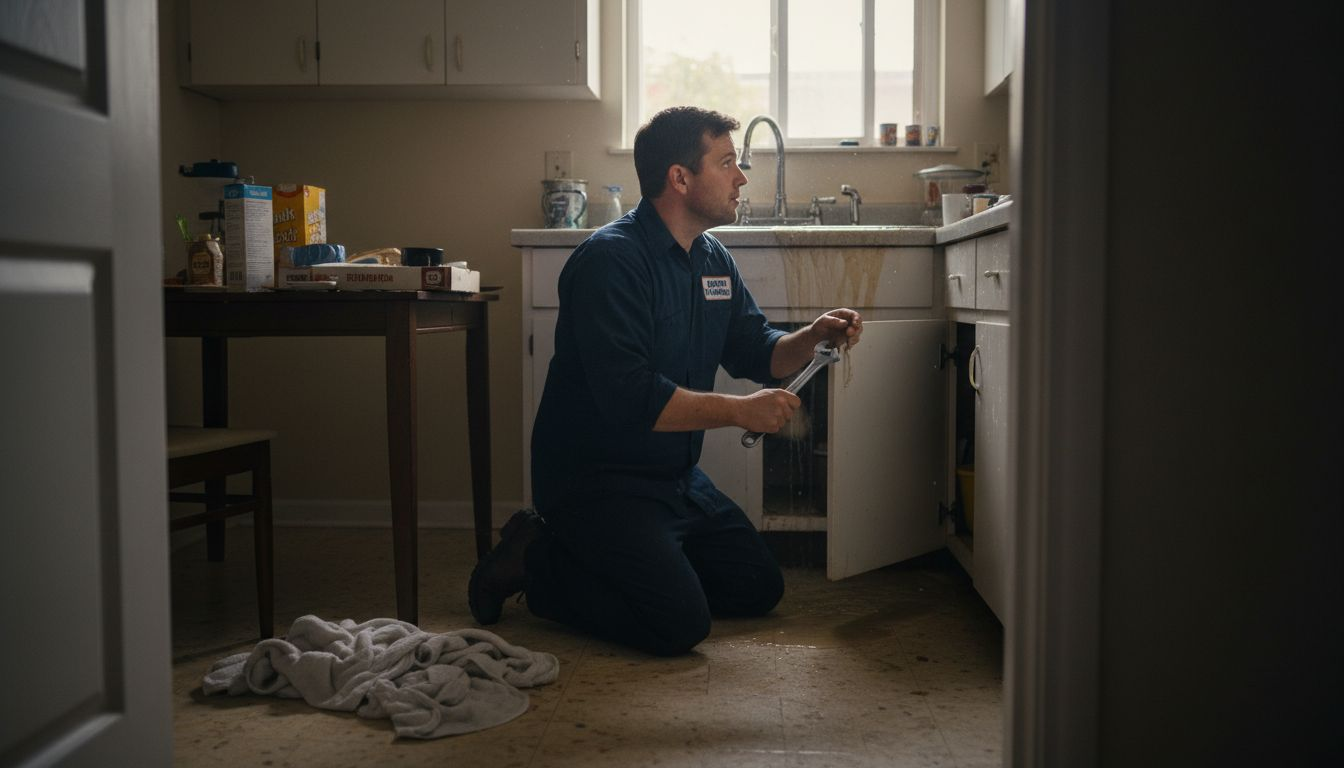
Burst pipes are among the most destructive plumbing emergencies. A single rupture can release hundreds of gallons of water into your home within hours. Frozen pipes in Orange County and Los Angeles County are less common than in colder climates, but winter freezes still happen. When water inside pipes freezes and expands, it creates pressure that eventually ruptures the pipe.
You’ll notice:
- Water spraying from visible cracks or splits
- Sudden loss of water pressure throughout your home
- Water stains or puddles in walls, ceilings, or basements
- Sounds of water running even when no faucets are on
These situations require immediate professional attention to stop water flow and assess structural damage.
Sewer and Drain Backups
Sewer backups are serious health hazards. When your main sewer line clogs or fails, wastewater backs up into your home instead of flowing away. This isn’t just gross—it’s dangerous. Raw sewage contains harmful bacteria and pathogens that cause disease.
Water contamination from broken pipes represents a genuine public health threat requiring immediate professional response. Signs include:
- Sewage smell inside or around your property
- Multiple drains backing up simultaneously
- Gurgling sounds from toilets or drains
- Patches of unusually green grass in your yard
- Fecal matter or waste visible in drains
Do not attempt to fix this yourself. Professionals have equipment and training to handle contamination safely.
Water Heater Failures
A broken water heater creates immediate problems. Cold showers are inconvenient, but tank ruptures flood your home. Leaking water heaters can damage floors, walls, and nearby appliances. Gas water heaters with leaks also pose safety risks.
Other Critical Emergencies
Additional situations that demand fast response include complete water loss, gas leaks near plumbing connections, and major plumbing emergencies like clogged drains causing flooding. These problems won’t resolve on their own.
Any situation where water actively damages your property or creates health hazards qualifies as an emergency requiring immediate professional intervention.
In Orange County and Los Angeles County, understanding which situations warrant emergency calls versus routine service saves you money and protects your home. Professional emergency plumbers recognize these scenarios instantly and respond with appropriate solutions.
Pro tip: Take photos of any visible water damage or leaks immediately when you discover them—this documentation helps your insurance company and gives the plumber context about how long the problem existed.
How Emergency Plumbing Services Operate
Emergency plumbing services work differently than standard daytime repair appointments. They operate 24/7 with crews ready to dispatch immediately when you call. Understanding how these services function helps you know what to expect and how to work effectively with professionals during a crisis.
Rapid Response and Dispatch
When you contact an emergency plumbing service, a trained dispatcher answers immediately. They ask specific questions about your situation to assess severity and determine which technician or crew you need. In Orange County and Los Angeles County, this process typically takes minutes.
The dispatch center then:
- Locates the nearest available technician
- Provides your address and detailed problem description
- Estimates arrival time based on current traffic and distance
- Alerts you via phone when the technician is en route
This coordinated approach ensures faster response than calling a plumber who handles emergencies as side work.
On-Site Assessment and Diagnosis
When the technician arrives, they begin with a thorough assessment. Licensed professionals use diagnostic tools to identify the exact problem, not just obvious symptoms. Emergency repair operations follow OSHA safety protocols to protect both workers and your family during urgent repairs.
Technicians evaluate:
- Water source and extent of damage
- Structural impact and safety hazards
- Required tools and materials for repair
- Whether the situation requires additional crew members
This diagnostic phase prevents costly mistakes and unnecessary work.
Immediate Mitigation and Repair
Professionals prioritize stopping water damage first. They may shut off main water lines, contain flooding, or isolate affected areas before beginning repairs. Only after stabilizing the emergency do they focus on permanent solutions.
Emergency plumbing services respond rapidly to restore critical infrastructure and prevent contamination during urgent situations.
The actual repair depends on the problem. Burst pipes require sections to be replaced. Sewer backups need line clearing or repair. Water heaters must be drained or replaced.
Safety and Code Compliance
Professional emergency plumbers maintain strict safety standards. They use proper personal protective equipment, follow building codes, and document all work for insurance purposes. This protects your home and ensures repairs meet local Orange County and Los Angeles County requirements.
Transparent Pricing During Crisis
Reputable emergency services provide upfront cost estimates before beginning work. They explain what charges cover (technician time, materials, service fees) so you understand the bill. This transparency matters especially during stressful situations.
Pro tip: Before an emergency happens, save the contact number for a trusted 24/7 emergency plumber and keep it visible on your refrigerator so you can call immediately without searching when panic sets in.
Risks, Costs, and Safety Considerations
Emergency plumbing situations carry real dangers and expenses. Understanding both the hazards involved and potential costs helps you make informed decisions and take appropriate precautions. Safety should always be your priority during plumbing crises.
Physical Hazards During Emergencies
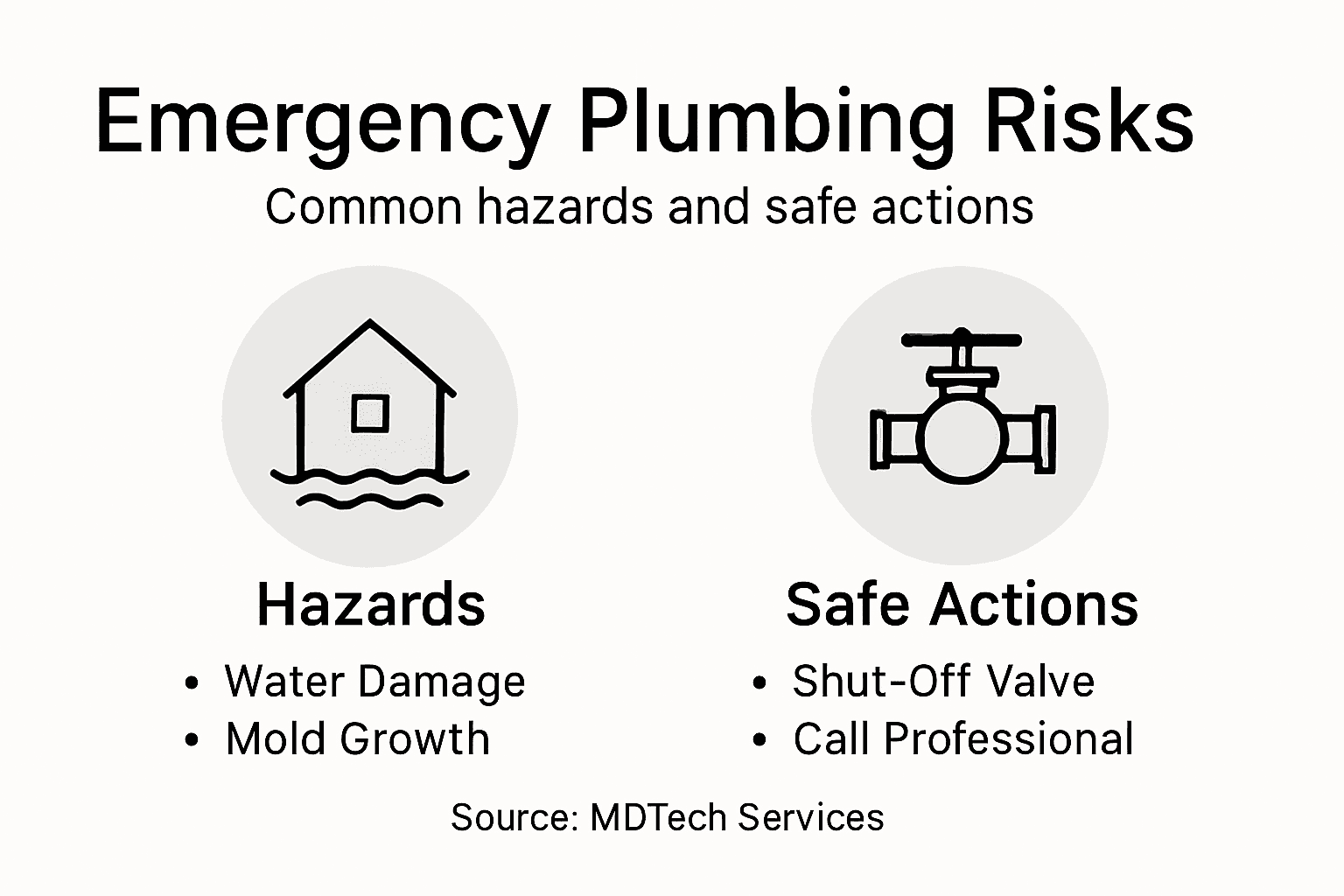
Plumbing emergencies expose you and professionals to serious risks. Electric shock, burns, and chemical exposure can occur when pipes fail near electrical systems or when handling water contamination. Hot water scalding and steam burns happen instantly when pressurized lines rupture.
Common risks include:
- Electric shock from water contact with electrical wiring or outlets
- Severe burns from hot water, steam, or exposed pipes
- Slip and fall hazards from flooding and wet surfaces
- Exposure to sewage and hazardous bacteria
- Structural collapse from water damage to walls or floors
- Hypothermia in extreme cases from prolonged water exposure
Never attempt DIY fixes when these hazards are present. Licensed technicians have training and equipment to work safely.
Financial Impact and Cost Factors
Emergency plumbing costs vary widely based on the situation. A simple burst pipe repair might cost $500 to $1,500, while sewer line replacement can exceed $10,000. The bill includes labor, materials, and emergency service fees.
Here is a quick reference on cost factors and their impact during plumbing emergencies:
| Cost Factor | Influence on Total Bill | Reason for Variation |
|---|---|---|
| Emergency Fee | Increases total cost | After-hours or holiday response |
| Damage Severity | Major cost driver | More repairs and materials needed |
| Travel Distance | Adds to cost | Longer arrival time, fuel use |
| Permits Required | Raises price | City regulations and inspections |
| Secondary Damage | Multiplies expenses | Mold, structural repairs involved |
Costs depend on:
- Severity and complexity of the problem
- Time of day and day of week (nights and weekends cost more)
- Distance from the service location
- Extent of secondary damage requiring mitigation
- Whether permits are needed for major work
Delaying response typically increases costs. Water damage spreads quickly, affecting walls, flooring, and belongings. A $400 leak ignored for 24 hours becomes a $5,000 restoration problem.
Secondary Damage and Prevention
Water damage triggers additional expenses beyond pipe repair. Mold remediation, flooring replacement, and structural repairs accumulate rapidly. Safety considerations include preventing slips, trips, and exposure to hazardous materials during water mitigation.
Immediate professional response prevents exponential cost growth and protects your family from dangerous conditions.
Mold can develop within 24 to 48 hours in wet environments. Structural damage weakens your home’s integrity. Insurance may cover some costs, but only if you document everything and report promptly.
Protecting Yourself and Your Property
Before professionals arrive, shut off your main water line if you can do so safely. Do not touch electrical panels or outlets near water. Keep family members and pets away from affected areas.
Once professionals arrive, stay out of their work zone. Professional crews have insurance covering accidents. Your presence in the work area complicates liability if someone gets injured.
Pro tip: Review your homeowners insurance policy now to understand what plumbing emergencies it covers—most policies cover sudden burst pipes but not gradual leaks, so knowing your coverage prevents billing surprises later.
Homeowner Responsibilities and What to Avoid
You play a critical role in preventing plumbing emergencies and managing them effectively when they occur. Understanding your responsibilities and knowing what mistakes to avoid protects your family, preserves your home, and saves money. The actions you take—or don’t take—directly impact outcomes during plumbing crises.
Know Your Emergency Shut-Offs
Homeowners are responsible for knowing the locations and operation of emergency shut-offs for water, gas, and electricity. This knowledge is non-negotiable. During a plumbing emergency, every second counts. If you cannot quickly shut off water at the main valve, flooding accelerates dramatically.
Locate and test:
- Main water shut-off valve (usually near the meter or where the line enters your home)
- Individual shut-offs for toilets, sinks, and appliances
- Main electrical panel and circuit breaker locations
- Gas shut-off valve (if applicable to your home)
Write down these locations and share them with all household members. Practice shutting off water before emergencies happen so you do it confidently under stress.
Perform Regular Maintenance
Maintenance prevents many emergencies from starting. Check under sinks for leaks. Listen for running water when no fixtures are in use. Inspect water heaters and washing machine hoses for cracks or bulges.
Small issues caught early stay small. A slow drip addressed now never becomes a burst pipe. Routine inspections cost nothing and prevent thousands in damage.
Avoid DIY Repairs on Major Problems
This is critical. Do not attempt DIY fixes for burst pipes, sewer backups, or major leaks. Plumbing systems are complex and interconnected. Mistakes made during emergency repairs can worsen damage, create safety hazards, or lead to code violations.
When to avoid DIY:
- Burst or frozen pipes
- Complete water loss or low pressure
- Sewage backups or foul odors
- Gas leaks near plumbing connections
- Water heater failures
Calling professionals immediately prevents cascading problems and potential injuries.
Document Everything for Insurance
Take photos and videos of damage immediately. Note the time you discovered the problem and what actions you took. This documentation supports insurance claims and helps professionals understand problem history.
Legal guidance advises homeowners to respond quickly to plumbing issues to comply with building codes and habitability standards.
Report Issues Promptly
Ignoring signs of plumbing failure violates building codes and worsens damage. Call professionals as soon as you notice problems. Delayed response turns minor issues into major ones.
Don’t ignore:
- Water stains on ceilings or walls
- Wet spots in yards or basements
- Mold or musty odors
- Slow drains affecting multiple fixtures
- Unusual water bills
Pro tip: Create a laminated card with emergency contact numbers and shut-off valve locations, then tape it inside your kitchen cabinet door so household members and guests can find it instantly during a crisis.
Act Fast When Emergency Plumbing Threatens Your Home
When faced with urgent plumbing issues like burst pipes or sewer backups, every moment counts to prevent costly damage and health risks. The article highlights the critical nature of true plumbing emergencies and the importance of rapid, professional response to stop water damage and contamination before they worsen. If you want peace of mind knowing licensed experts are ready to act quickly and safely, MDTech Services specializes in emergency plumbing repairs and appliance solutions across Orange County and Los Angeles County.

Don’t let water damage disrupt your home or endanger your family. With MDTech Services, you get reliability, safety, and expert technicians standing by 24/7 to diagnose and fix plumbing emergencies fast. Learn more about our comprehensive plumbing services and why countless homeowners trust us for their urgent repairs. Contact us now at https://mdtechservices.com to secure swift assistance and protect your property before a small leak becomes a big problem.
Frequently Asked Questions
What qualifies as an emergency plumbing situation?
Emergency plumbing situations include burst pipes, sewage backups, gas leaks, and significant water damage. These issues pose immediate threats to health and safety and require urgent professional response.
How quickly should I respond to plumbing emergencies?
It’s vital to act immediately when a plumbing emergency occurs. Delaying response can lead to severe property damage and health risks. For instance, a minor leak can escalate into extensive water damage within hours.
Can I fix plumbing emergencies myself?
While DIY solutions might work for minor maintenance, it’s crucial to call professionals for emergencies like burst pipes or gas leaks. Licensed plumbers have the expertise and tools to handle dangerous situations safely and effectively.
What are the costs associated with emergency plumbing services?
Emergency plumbing costs can vary widely based on the problem’s severity and the time it occurs. A simple burst pipe repair might range from $500 to $1,500, while more complex issues, like sewer line replacements, can exceed $10,000.