
Appliances in Los Angeles and Orange County homes work hard every day, quietly powering routines you rely on. Catching potential problems early matters because breakdowns never happen at a convenient time. Regular assessments based on Department of Energy appliance standards help keep your household running smoothly while lowering energy costs. Discover practical ways to check your appliances, maintain critical components, and avoid sudden repair bills or wasted energy.
Table of Contents
- Step 1: Assess Current Appliance Condition
- Step 2: Clean and Maintain Critical Components
- Step 3: Replace Worn Parts Promptly
- Step 4: Schedule Professional Inspections Regularly
- Step 5: Test Appliance Performance and Efficiency
Quick Summary
| Key Takeaway | Explanation |
|---|---|
| 1. Regularly Assess Appliance Condition | Conduct annual inspections to catch issues early, maximizing lifespan and preventing costly repairs. |
| 2. Clean Components Systematically | Maintain performance by cleaning key parts like filters and electrical connections to ensure efficiency and safety. |
| 3. Replace Worn Parts Promptly | Address minor issues quickly to prevent major failures; timely replacements can drastically extend appliance life. |
| 4. Schedule Professional Inspections | Engage certified technicians for thorough assessments, particularly for older appliances, to identify potential problems before they escalate. |
| 5. Monitor Performance and Efficiency | Regularly check energy consumption and performance metrics to identify drops that could lead to increased costs over time. |
Step 1: Assess Current Appliance Condition
Evaluating the condition of your household appliances is a critical first step in extending their operational lifespan and preventing unexpected breakdowns. By systematically inspecting each appliance, you can identify potential issues before they escalate into costly repairs.
Start by conducting a comprehensive visual and functional assessment of your major appliances. This process involves examining several key aspects:
- Surface condition: Look for signs of rust, corrosion, or physical damage
- Operational sounds: Listen for unusual grinding, squeaking, or humming noises
- Performance efficiency: Check if appliances are operating at their expected performance levels
- Energy consumption: Monitor electricity usage through utility bills or smart meters
The Department of Energy’s appliance standards recommend regular inspections to ensure optimal energy performance and reliability. Professional technicians suggest creating a detailed checklist for each appliance, documenting its current condition, age, and maintenance history.
An annual assessment can help you catch potential problems early and prevent unexpected equipment failures.
Detailed inspection steps include:
- Unplug the appliance and visually inspect all external components
- Check electrical cords and connections for wear or fraying
- Clean internal and external surfaces thoroughly
- Test all functional buttons, dials, and electronic interfaces
- Verify temperature and performance consistency
Pro tip: Keep a dedicated maintenance log for each appliance, recording inspection dates, repair history, and performance observations to track long-term trends and anticipate potential issues.
Step 2: Clean and Maintain Critical Components
Maintaining the critical components of your household appliances is essential for ensuring their longevity, performance, and safety. By systematically cleaning and inspecting key parts, you can prevent potential breakdowns and extend the operational life of your valuable equipment.
Electrical appliance maintenance standards emphasize the importance of regular cleaning and inspection of crucial components. This process involves several strategic approaches:
- Electrical connections: Check and clean electrical contacts and wiring
- Filters: Replace or clean filters in air conditioning, refrigeration, and ventilation systems
- Moving parts: Lubricate and inspect mechanical components for wear
- External surfaces: Remove dust, debris, and potential corrosion sources
Based on the National Fire Protection Association recommendations, your maintenance routine should include:
- Unplug appliances before performing any cleaning or maintenance
- Use appropriate cleaning tools and solutions for each specific component
- Inspect electrical connections for signs of wear or damage
- Clean internal components carefully to avoid moisture damage
- Verify that all safety mechanisms are functioning correctly
Proper maintenance not only extends appliance life but also prevents potential safety hazards and unexpected breakdowns.
Pay special attention to components that directly impact performance, such as condenser coils in refrigerators, heating elements in ovens, and air intake systems in HVAC units. Each appliance has unique maintenance requirements, so consult the manufacturer’s manual for specific guidance.
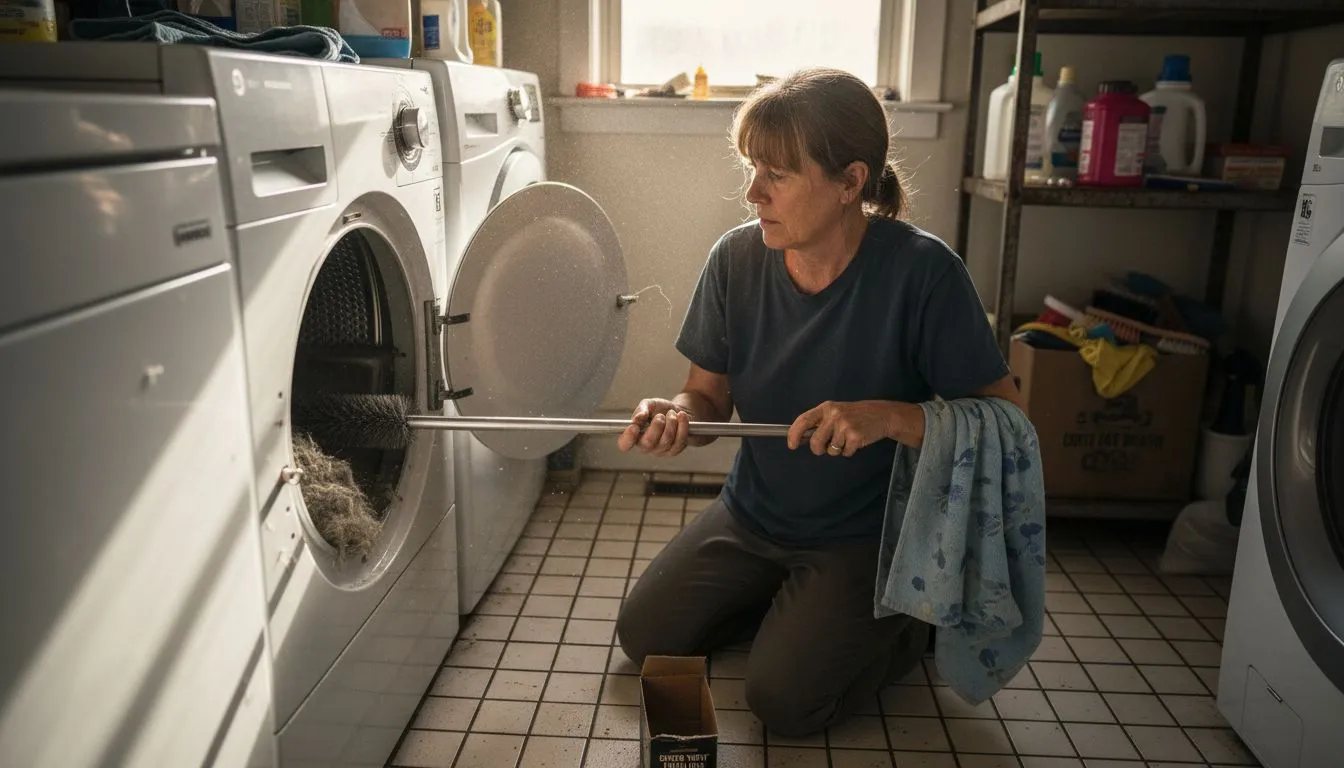
Pro tip: Invest in a set of specialized cleaning tools designed for home appliances, and create a quarterly maintenance schedule to ensure consistent and thorough component care.
Step 3: Replace Worn Parts Promptly
Addressing worn or failing appliance components quickly is crucial to preventing more extensive and expensive damage to your household equipment. Ignoring small issues can lead to complete system failures that are far more costly to repair or replace.
Common appliance problems demonstrate that timely replacement of specific components can significantly extend an appliance’s operational life. Understanding which parts are most likely to wear out helps you stay proactive in your maintenance approach.
Key components that often require prompt replacement include:
- Refrigerator parts: Icemakers, evaporator fan motors, thermostats
- Washing machine components: Belts, drive motors, water inlet valves
- Dryer elements: Heating elements, drive belts, thermal fuses
- Electrical connections: Worn wiring, damaged plugs, frayed cords
Your replacement strategy should focus on several critical steps:
- Identify the specific part showing signs of wear
- Research the exact replacement part compatible with your appliance model
- Determine whether DIY replacement is feasible or requires professional assistance
- Purchase high-quality, manufacturer-recommended replacement parts
- Install the new component carefully, following manufacturer instructions
Delaying part replacement can transform a minor repair into a major appliance failure.
Modern appliances often have integrated circuit boards, which makes component replacement more complex. Some repairs might require specialized tools or professional expertise, especially for sophisticated electronic systems.
Pro tip: Keep a digital or physical file of your appliances’ model numbers, warranty information, and maintenance records to streamline the part replacement process and ensure you get the correct components.
Below is a reference table for common appliance failure signs and possible early interventions:
| Appliance Type | Early Failure Sign | Suggested Action |
|---|---|---|
| Refrigerator | Inconsistent cooling | Check seals, clean condenser coils |
| Washing Machine | Unusual noises | Inspect belts and motor |
| Dryer | Slow drying times | Clean vent, check heating element |
| Oven/Range | Uneven heating | Test thermostat, inspect elements |
Step 4: Schedule Professional Inspections Regularly
Professional appliance inspections are a critical preventative strategy that can save you significant money and extend the operational life of your household equipment. By investing in routine expert evaluations, you can catch potential issues before they transform into expensive repairs or complete system failures.
Home appliance inspection checklists provide comprehensive guidelines for thoroughly examining critical home systems and appliances. These professional assessments go far beyond basic visual checks, offering in-depth analysis of your equipment’s performance and potential vulnerabilities.
Key components that should be included in professional inspections:
- Electrical systems: Detailed wiring and connection assessments
- HVAC units: Performance testing and efficiency evaluation
- Major appliances: Comprehensive functional and safety inspections
- Plumbing connections: Leak detection and system integrity checks
Scheduling professional inspections requires strategic planning:
- Research certified local technicians with appliance expertise
- Establish an annual or bi-annual inspection schedule
- Prioritize inspections for appliances over five years old
- Maintain detailed records of each professional assessment
- Follow recommended maintenance actions from inspection reports
Regular professional inspections can prevent up to 70% of potential appliance failures before they occur.
Most professional technicians recommend comprehensive inspections at least once annually, with additional checks for high-usage appliances like refrigerators, washers, and HVAC systems. These evaluations not only identify current issues but also predict potential future problems.
Pro tip: Create a digital calendar reminder for scheduling professional appliance inspections and set up automatic notifications to ensure you never miss a critical maintenance check.
Here is a summary comparing professional and DIY appliance maintenance:
| Approach | Main Benefits | When to Choose | Typical Costs |
|---|---|---|---|
| DIY Maintenance | Saves money, immediate attention | Simple tasks or cleaning | Tools and materials |
| Professional Checks | Expert assessment, long-term safety | Annual or complex repairs | Service fee, parts |
Step 5: Test Appliance Performance and Efficiency
Measuring the performance and energy efficiency of your household appliances is a strategic approach to maintaining their optimal functionality and controlling utility expenses. By systematically evaluating how your appliances consume energy and perform, you can make informed decisions about maintenance, repair, or replacement.
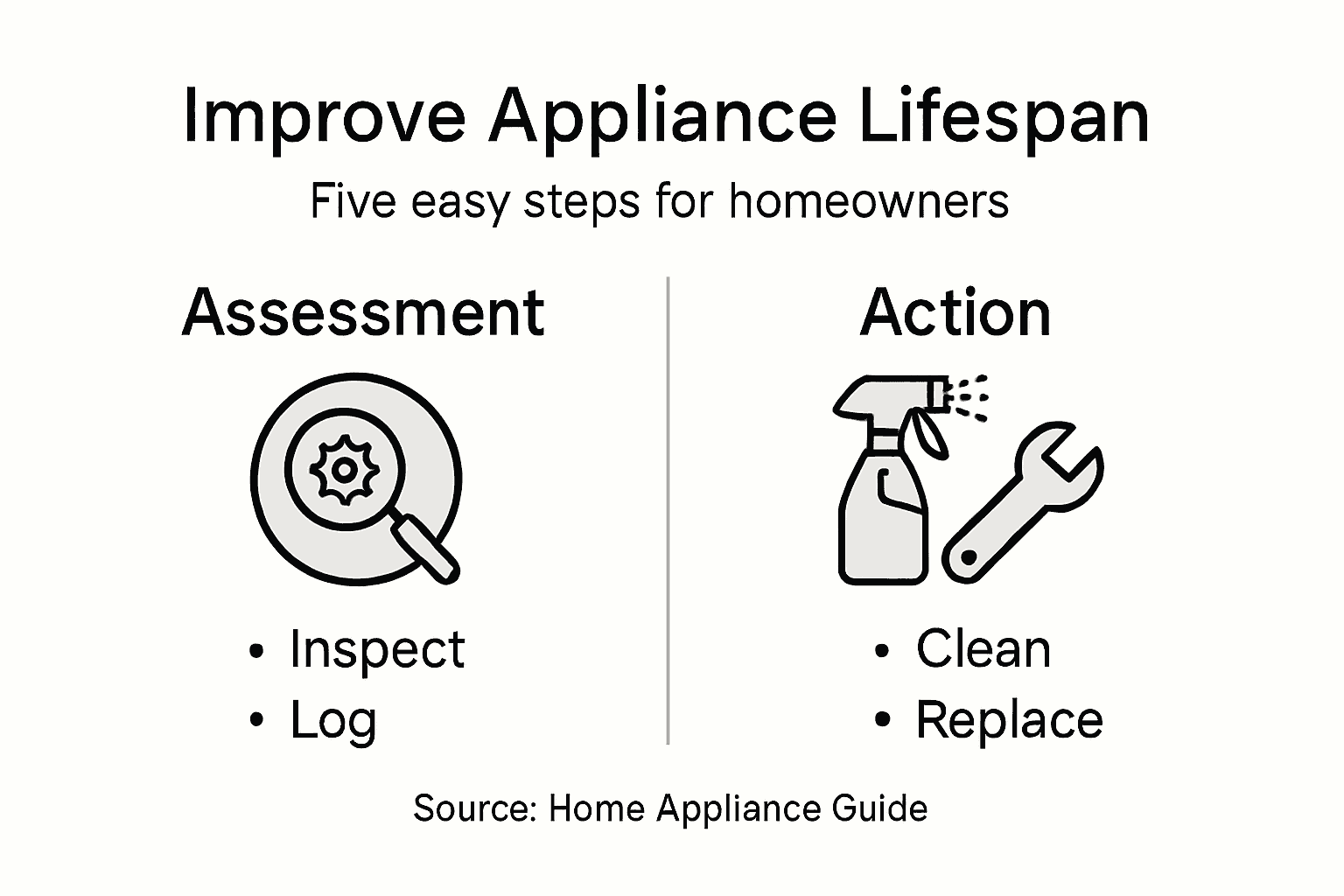
Department of Energy test procedures provide comprehensive guidelines for assessing appliance performance and energy consumption. These standardized methods help homeowners understand their equipment’s true operational capabilities and potential efficiency improvements.
Key performance testing methods include:
- Electricity usage monitoring: Track watts consumed during operation
- Functional performance checks: Evaluate operational consistency and output
- Temperature and pressure tests: Measure system performance under various conditions
- Comparative efficiency analysis: Compare current performance to manufacturer specifications
Your appliance performance testing strategy should involve:
- Obtain a reliable electricity usage monitor
- Measure baseline energy consumption for each major appliance
- Compare current performance against original manufacturer specifications
- Document performance metrics in a detailed tracking spreadsheet
- Identify significant deviations that might indicate potential issues
Small efficiency drops can translate to substantial increases in energy costs over time.
Professional technicians recommend periodic testing, particularly for appliances that are five years old or more. These evaluations can reveal subtle performance degradations that might not be immediately apparent during regular use.
Pro tip: Invest in a digital energy monitoring system that provides real-time performance data and can alert you to unexpected changes in appliance efficiency.
Protect Your Home Appliances with Expert Care from MDTech Services
Extending the lifespan of your home appliances requires more than just routine cleaning and inspections. The challenges of worn parts, inconsistent performance, and maintaining energy efficiency can quickly become overwhelming. If you want to avoid unexpected breakdowns and costly repairs, relying on professional support is the smart choice. MDTech Services offers expert residential appliance repair and installation tailored for homeowners in Orange County and Los Angeles County, California. Their licensed technicians specialize in everything from refrigerator repairs to HVAC systems and appliance conversions, ensuring your equipment runs safely and efficiently.

Don’t let minor issues turn into major failures take action today by scheduling a service with MDTech Services. Benefit from fast, reliable repairs and proactive maintenance designed to keep your appliances operating at peak performance longer. Visit MDTech Services now to book your appointment online and discover how professional care can save you time, money, and stress. Learn more about their full range of services including appliance repair and installation and secure your home’s comfort and safety today.
Frequently Asked Questions
How can I assess the current condition of my appliances?
Start by performing a visual and functional inspection of each appliance. Look for rust, unusual sounds, and monitor energy consumption; document your findings to track any signs of wear.
What are some effective cleaning techniques for my appliances?
Clean critical components using appropriate tools and solutions. Focus on filters, electrical connections, and moving parts at least once a quarter to maintain efficiency and performance.
When should I replace worn parts in my appliances?
You should replace worn parts as soon as you notice signs of wear, such as unusual noises or performance issues. Promptly addressing these problems can help prevent costly repairs or total appliance failure.
How often should I schedule professional appliance inspections?
Plan for professional inspections at least once a year, especially for appliances over five years old. Regular evaluations can catch potential problems early and help extend the lifespan of your equipment.
How can I measure the performance and efficiency of my appliances?
Monitor electricity usage and evaluate functional performance regularly. Set benchmarks based on manufacturer specifications and document your findings to identify any significant drops in efficiency.
What should I include in a maintenance log for my appliances?
Your maintenance log should include inspection dates, repair history, and performance observations for each appliance. Regularly updating this log helps you track trends and anticipate future issues.