
Every American family in Orange County and Los Angeles County faces greater fire risks from overlooked dryer vent clogs than most realize. Dryer vent failures cause roughly 15,000 home fires nationwide every year, threatening safety and increasing energy bills. For homeowners seeking peace of mind, understanding common myths about vent materials and maintenance is essential. Discover practical steps that protect your loved ones, save money, and keep your appliances running smoothly through simple dryer vent upgrades.
Table of Contents
- Dryer Vents Explained And Common Myths
- How Clogged Vents Affect Fire Hazards
- Impact On Energy Bills And Efficiency
- Dryer Performance And Appliance Longevity
- Key Signs Your Dryer Vent Needs Cleaning
- Professional Cleaning Vs. Diy Methods
Key Takeaways
| Point | Details |
|---|---|
| Proper Dryer Vent Maintenance is Crucial | Routine, thorough cleaning of dryer vents can prevent fire hazards and improve appliance efficiency. |
| Material Matters | Using rigid metal ducts instead of flexible plastic or foil significantly reduces fire risks and lint accumulation. |
| Monitoring Performance is Key | Homeowners should watch for warning signs such as longer drying times and unusual heat, indicating potential vent blockages. |
| Professional Cleaning Benefits | Annual professional dryer vent cleaning is recommended for better safety and performance compared to DIY methods. |
Dryer Vents Explained and Common Myths
Dryer vents play a critical role in home safety and appliance performance, serving as the essential pathway for expelling hot, moist air and lint from your laundry. Understanding how these systems function is key to preventing potential fire hazards. Proper vent installation and maintenance can significantly reduce the risk of home fires and improve your dryer’s overall efficiency.
Contrary to popular belief, not all dryer vent systems are created equal. Flexible plastic or foil vents might seem convenient, but they pose serious safety risks. These materials can easily kink, trap lint, and create significant fire hazards. Professional guidelines recommend using rigid metal ducts with smooth interiors to minimize lint accumulation. According to national safety data, approximately 15,000 home fires annually stem from poor dryer vent maintenance, highlighting the importance of understanding and properly managing these systems.
Here’s a comparison of dryer vent materials and their impact on safety and performance:
| Vent Material | Fire Safety Risk | Lint Accumulation Rate | Maintenance Requirements |
|---|---|---|---|
| Flexible Plastic | Very High | Rapid | Frequent inspection needed |
| Foil | High | Faster than metal | Regular cleaning advised |
| Rigid Metal | Low | Minimal | Annual professional cleaning |
Some homeowners mistakenly believe that occasional cleaning or visual inspection is sufficient for dryer vent safety. However, the National Fire Protection Association (NFPA) emphasizes that routine, thorough cleaning of lint filters, vents, and ducts is essential. Lint is highly flammable, and even a small buildup can dramatically increase fire risk. Regular professional inspection and cleaning can help ensure your dryer operates safely and efficiently.
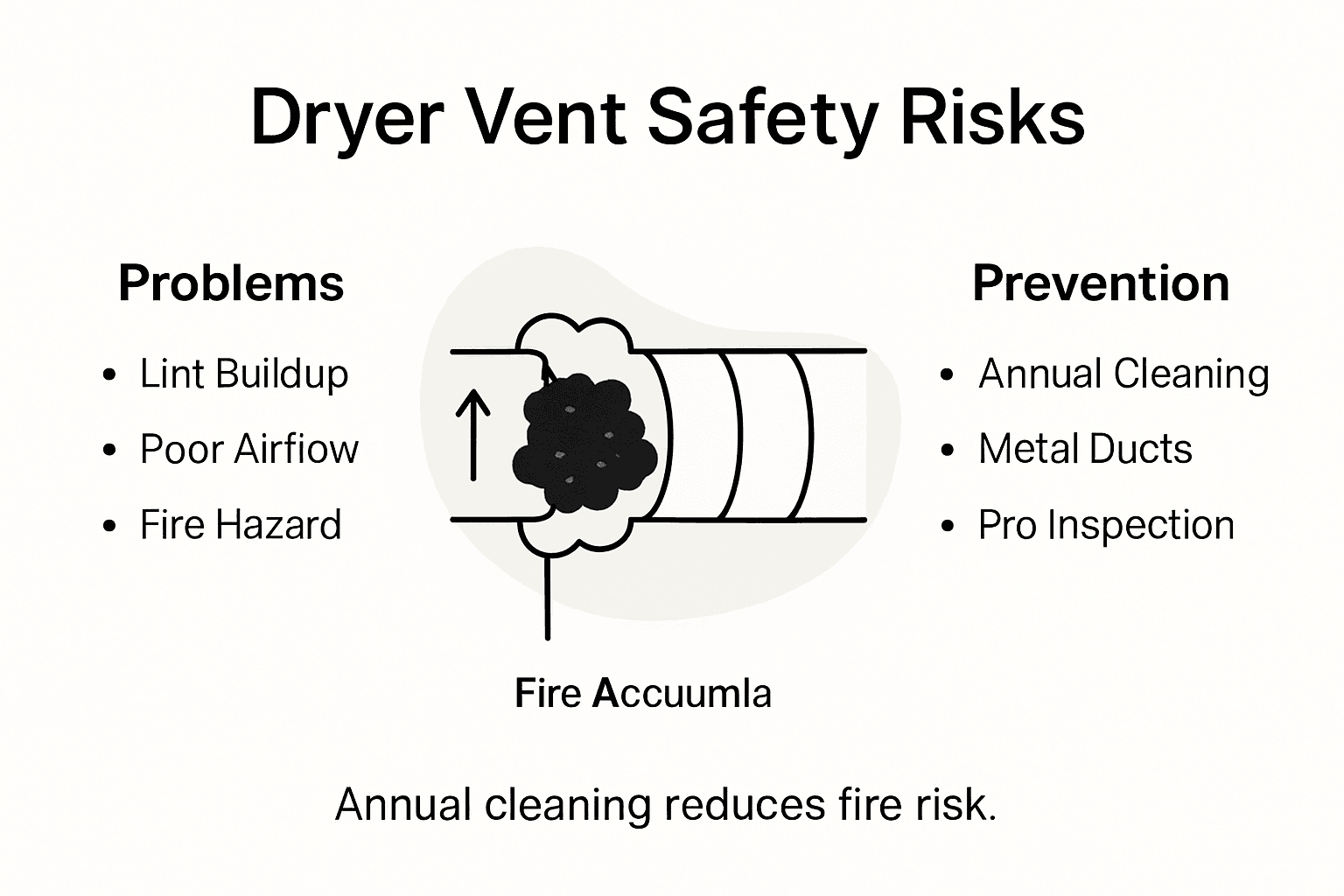
Pro tip: Schedule a professional dryer vent cleaning at least once per year, especially if you do multiple loads of laundry weekly or notice your clothes taking longer to dry than usual.
How Clogged Vents Affect Fire Hazards
Lint buildup in dryer vents represents a serious and often underestimated fire risk for homeowners. When dryer vents become clogged, they create a perfect storm of dangerous conditions that can rapidly escalate into potential fire hazards. Restricted airflow and lint accumulation transform an ordinary household appliance into a significant safety threat, with heat building up and combustible materials creating a dangerous environment.
The mechanics of dryer vent fires are surprisingly straightforward. As lint accumulates, it blocks normal air circulation, causing the dryer to work harder and generate excessive heat. This heat can potentially ignite the highly flammable lint trapped within the vent system. Professional data indicates that thousands of residential fires occur annually due to these preventable blockages. Moreover, external factors like ember entry can further compound the risk, especially during wildfire seasons or in regions prone to environmental fire hazards.
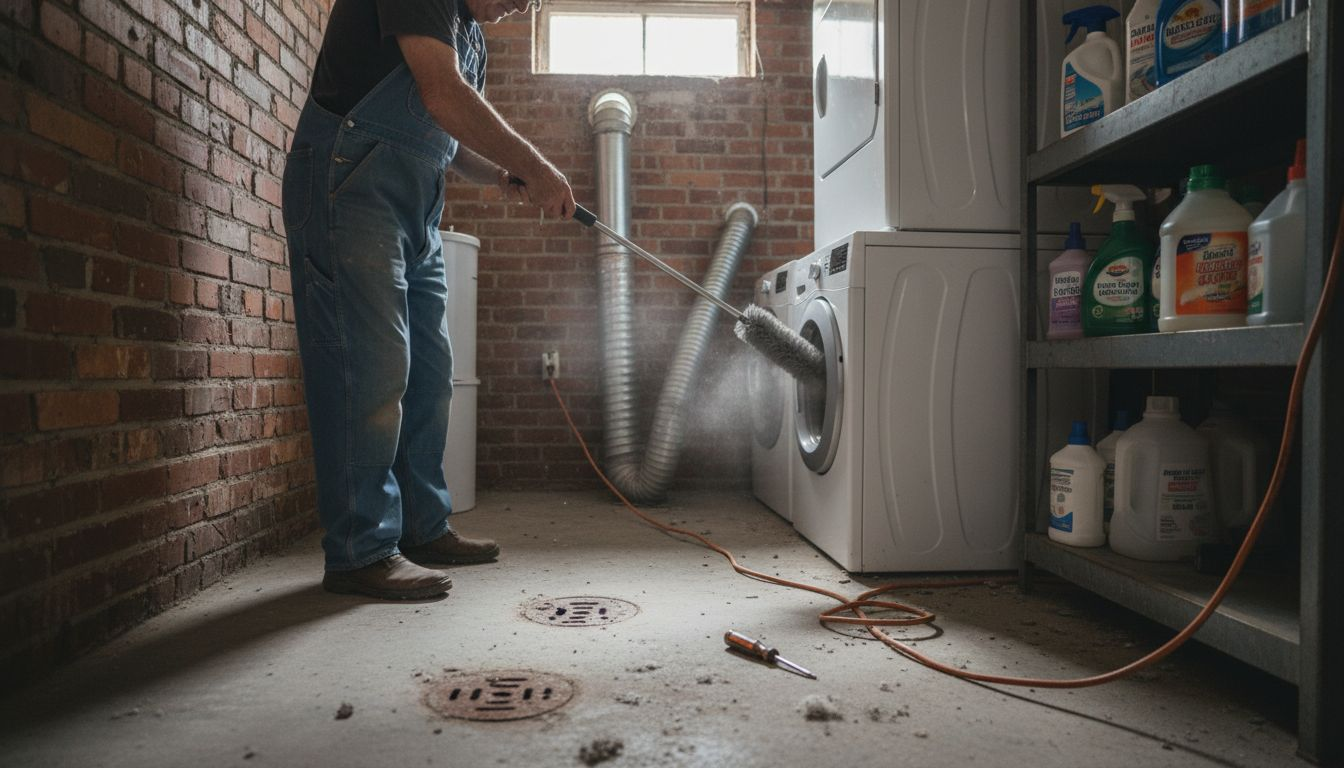
Understanding the specific risks requires recognizing how even small obstructions can create significant problems. Fire safety experts recommend implementing comprehensive vent protection strategies, including using fine wire mesh screens, regularly clearing lint accumulation, and ensuring vents remain unobstructed. These preventative measures are crucial in mitigating the potential for catastrophic fire events, transforming a simple maintenance task into a critical home safety protocol.
Pro tip: Invest in a professional dryer vent inspection annually, and purchase a high-quality lint trap screen to capture additional debris before it enters your vent system.
Impact on Energy Bills and Efficiency
Clean dryer vents play a crucial role in maintaining household energy efficiency, directly impacting monthly utility expenses. Optimal airflow and vent maintenance can significantly reduce the energy required to dry clothes, helping homeowners save money and reduce overall energy consumption. When dryer vents become clogged, the appliance must work harder, consuming more electricity and generating unnecessary additional heat.
The financial implications of neglected dryer vents extend beyond immediate energy costs. A restricted vent system forces the dryer to run longer cycles, increasing wear on the appliance and potentially shortening its operational lifespan. Professional energy efficiency studies indicate that a clean dryer vent can improve appliance performance by up to 30%, translating to noticeable reductions in energy expenditure. Global energy policy frameworks increasingly emphasize the importance of regular appliance maintenance as a strategy for reducing residential energy demand.
Homeowners can easily quantify the impact of clean dryer vents by monitoring their energy bills and drying cycle times. A well-maintained vent system allows hot air to escape efficiently, reducing the time and energy needed to dry each load of laundry. This not only saves money but also contributes to a more sustainable household energy profile. The cumulative effect of improved dryer efficiency can result in significant annual savings, making vent maintenance a smart financial and environmental investment.
Pro tip: Use a digital watt meter to track your dryer’s energy consumption before and after professional vent cleaning to see the exact impact on your electricity usage.
Dryer Performance and Appliance Longevity
Dryer performance is intrinsically linked to the health of its vent system, with clogged or restricted vents causing significant mechanical strain on the appliance. When airflow becomes compromised, the dryer must work exponentially harder to complete each drying cycle, generating excessive heat and creating unnecessary stress on critical components like motors and heating elements.
Consumer research reveals specific warning signs of potential vent problems that directly impact appliance longevity. Homeowners should pay attention to symptoms such as unusually long drying times, clothes emerging extremely hot after a cycle, and unexpected machine shutoffs. These indicators suggest restricted airflow and potential mechanical degradation that can significantly reduce the dryer’s operational lifespan. A well-maintained vent system ensures optimal performance, preventing premature wear and potential costly repairs.
The relationship between vent maintenance and appliance health extends beyond immediate performance concerns. Restricted vents force dryers to operate at higher temperatures and with greater mechanical effort, which accelerates component deterioration. Professional maintenance can help prevent these issues, potentially extending an appliance’s useful life by years. By investing in regular vent cleaning and professional inspections, homeowners can protect their significant household investment and ensure consistent, efficient dryer performance.
Pro tip: Track your dryer’s average drying time and energy consumption, and schedule professional vent cleaning immediately if you notice any significant changes in performance.
Key Signs Your Dryer Vent Needs Cleaning
National safety organizations highlight several critical warning signs that indicate your dryer vent requires immediate professional cleaning. Homeowners should become vigilant about monitoring their dryer’s performance, recognizing that subtle changes can signal potentially dangerous vent blockages. The most prominent indicators include significantly longer drying times, unusual heat buildup in the laundry area, and unexpected machine shutoffs during normal operation.
Beyond performance issues, physical signs provide crucial early warnings about vent system health. Visible lint accumulation around the dryer or exterior vent opening suggests restricted airflow that demands attention. A burning smell during drying cycles, extremely hot clothing after a completed cycle, or the exterior vent flap failing to open properly are additional red flags that cannot be ignored. These symptoms indicate potential blockages that compromise both appliance efficiency and home safety.
The following table summarizes key warning signs your dryer vent may need urgent cleaning:
| Warning Sign | Possible Cause | Recommended Action |
|---|---|---|
| Longer drying times | Vent blockage | Schedule inspection immediately |
| Burning smell | Lint overheating | Stop use, contact professional |
| Exterior vent not opening | Obstructed airflow | Clean duct and check for damage |
The consequences of neglecting these warning signs extend far beyond simple inconvenience. Blocked vents force dryers to work harder, generating excessive heat and creating potential fire hazards. Professional inspection guidelines recommend immediate action when multiple warning signs appear, as accumulated lint and restricted airflow can quickly transform a routine household appliance into a significant safety risk. Regular monitoring and proactive maintenance can prevent costly repairs and protect your home from potential fire dangers.
Pro tip: Keep a small notebook near your dryer to track drying times and performance, allowing you to quickly identify any gradual changes that might indicate vent blockage.
Professional Cleaning vs. DIY Methods
Home safety experts recognize significant differences between professional dryer vent cleaning and do-it-yourself approaches. While homeowners can perform basic maintenance like lint screen cleaning and surface-level vent clearing, professional services offer comprehensive cleaning that reaches deep into ductwork where most dangerous lint accumulation occurs. DIY methods typically involve simple vacuum attachments and brushes, which only address surface-level debris and provide minimal protection against potential fire hazards.
Professional cleaning services utilize specialized equipment such as rotary brushes, high-powered vacuums, and diagnostic tools that can thoroughly inspect and clean entire vent systems. Consumer safety research consistently recommends annual professional cleaning, especially for homes with complex vent configurations or older appliance systems. These experts can identify hidden issues like minor duct damage, improper installation, or potential code violations that most homeowners would overlook during basic maintenance.
The cost difference between DIY and professional cleaning is often minimal compared to the potential risks of incomplete maintenance. Professional technicians not only clean the vent system but also provide a comprehensive safety assessment, checking for potential fire hazards, ensuring proper airflow, and verifying that the entire system meets current safety standards. Their expertise can prevent costly appliance repairs, reduce energy consumption, and most importantly, significantly lower the risk of dryer-related fires in your home.
Pro tip: Request a detailed report from your professional vent cleaning service, documenting their findings and any recommended follow-up actions to maintain your dryer’s safety and efficiency.
Protect Your Home with Expert Dryer Vent Services
Keeping your dryer vents clean is essential to safeguard your home from costly fire hazards and to ensure your appliances run efficiently. The article highlights critical issues like lint buildup, restricted airflow, and overheating that can lead to severe safety risks and higher energy bills. If you have noticed longer drying times or unusual heat around your laundry area these are clear warning signs your dryer vent needs professional attention. At MDTech Services, we understand these challenges and offer reliable, licensed technicians who specialize in comprehensive appliance care including vent cleaning and safety inspections to protect your family and home.

Schedule your professional dryer vent cleaning and inspection today to avoid dangerous blockages and improve your dryer’s performance. Don’t wait until a small problem turns into a costly repair or safety emergency. Visit MDTech Services now to book your appointment online. Learn more about our appliance repair and installation expertise so you can trust your home is in expert hands. Your safety and peace of mind matter—take action now with professional appliance services tailored to your needs.
Frequently Asked Questions
Why is cleaning dryer vents important for home safety?
Cleaning dryer vents is essential for home safety because clogged vents can lead to overheating and increase the risk of dryer-related fires. Proper maintenance ensures optimal airflow, reducing both fire hazards and energy consumption.
How often should dryer vents be cleaned?
It is recommended to schedule a professional dryer vent cleaning at least once a year, especially if you use your dryer frequently. Regular inspections help prevent dangerous lint buildup that could pose fire risks.
What are the signs that my dryer vent needs cleaning?
Key signs that your dryer vent may need cleaning include significantly longer drying times, a burning smell during operations, hot clothing after drying cycles, and an exterior vent flap that doesn’t open properly.
What type of material is best for dryer vents?
Rigid metal ducts are the safest and most efficient material for dryer vents. Unlike flexible plastic or foil vents, rigid metal ducts minimize lint accumulation and have a lower fire safety risk.
Recommended
- Hood repair installation service Vent Blower Duct repair installation service.Transforming Kitchens: Hood Repair and Installation for a Better Cooking Experience – MDTech Services
- Dryer Installation Steps for Safe and Easy Setup – MDTech Services
- Hood repair Cooktop repair Vent repair Blower repair or Installation – MDTech Services
- Cooktop Hood Stove repair or installation How We Repaired Cooktop Hoods and Stoves: A Detailed Overview – MDTech Services
- Complete Guide to Gas Fire Servicing in the UK – Skan Plumbing & Heating