
Every homeowner in Orange and Los Angeles County knows the frustration of a sudden appliance breakdown. With California’s strict efficiency regulations, keeping your appliances in top shape is more than a convenience—it’s a smart move for safety and cost savings. A professional appliance audit helps you spot hidden issues early, optimize energy use, and protect your home from unexpected, expensive repairs.
Table of Contents
- Defining Appliance Audits And Common Myths
- Types Of Appliance Audits For Homeowners
- How Professional Appliance Audits Work
- Cost Savings And Increased Home Safety
- Avoiding Costly Repairs And Common Pitfalls
Key Takeaways
| Point | Details |
|---|---|
| Importance of Appliance Audits | Comprehensive audits assess energy efficiency, safety risks, and performance, helping homeowners make informed decisions. |
| Common Myths | Many homeowners mistakenly believe audits are too costly or unnecessary for newer appliances, which can lead to missed savings. |
| Types of Audits | Major types include Energy Efficiency Audits and Safety & Functionality Inspections, each providing targeted benefits. |
| Cost Savings & Safety | Regular audits can significantly reduce utility costs and identify safety hazards, preventing expensive repairs. |
Defining Appliance Audits and Common Myths
An appliance audit is a comprehensive evaluation of household appliances designed to assess their energy efficiency, performance, and potential safety risks. Unlike casual inspections, these systematic assessments provide homeowners with detailed insights into their equipment’s operational status and potential areas for improvement.
The primary goals of an appliance audit include:
- Identifying energy consumption patterns
- Detecting potential safety hazards
- Determining maintenance or replacement needs
- Evaluating overall appliance performance
Homeowners often misunderstand the scope and value of these audits, perpetuating several common myths. Appliance efficiency standards reveal that many misconceptions prevent residents from maximizing their home’s energy potential.
Common myths about appliance audits include:
- Audits are too expensive to be worthwhile
- Only old appliances need inspection
- Energy efficiency doesn’t significantly impact household costs
- Professional audits are unnecessary for modern equipment
In reality, appliance audits provide crucial insights that can save homeowners substantial money and prevent unexpected breakdowns. California’s stringent efficiency regulations mean that local homeowners have even more reasons to conduct thorough assessments.
Pro tip: Schedule a professional appliance audit annually to catch potential issues before they become costly repairs and optimize your home’s energy performance.
Types of Appliance Audits for Homeowners
Appliance audits are comprehensive evaluations that help homeowners understand their equipment’s performance, safety, and efficiency. Housing inspection services reveal multiple approaches to assessing household appliances, each designed to address specific concerns and provide targeted insights.
The primary types of appliance audits include:
- Energy Efficiency Audits
- Safety and Functionality Inspections
- Compliance and Regulatory Assessments
- Performance Benchmarking Evaluations
Energy efficiency audits focus on measuring an appliance’s power consumption and identifying potential improvements. These detailed assessments examine how much electricity or gas each device uses, comparing its performance against current industry standards. Homeowners can use these audits to understand potential energy savings and reduce monthly utility expenses.
Safety and functionality inspections are critical for preventing potential hazards. These comprehensive examinations evaluate:
- Electrical connections
- Mechanical components
- Potential wear and tear
- Risk of malfunction
Compliance and regulatory assessments ensure that appliances meet California’s stringent efficiency and safety standards. These specialized audits help homeowners verify that their equipment adheres to local and state regulations, potentially avoiding costly penalties or mandatory replacements.
Appliance audits are not just about checking equipment—they’re about protecting your home, saving money, and ensuring optimal performance.
Pro tip: Request a detailed report after each audit, documenting specific recommendations and potential energy-saving opportunities for your household appliances.
For a clearer view of the different audit methods, here is a summary table highlighting their focus and homeowner benefits:
| Audit Type | Main Focus | Typical Outcomes |
|---|---|---|
| Energy Efficiency Audit | Power consumption analysis | Lower bills, optimized energy use |
| Safety & Functionality Check | Identify safety and performance risks | Reduced hazards, improved reliability |
| Compliance Assessment | Regulatory and standard adherence | Legal compliance, avoidance of penalties |
| Performance Benchmark | Compare against industry standards | Targeted upgrades, enhanced performance |
How Professional Appliance Audits Work
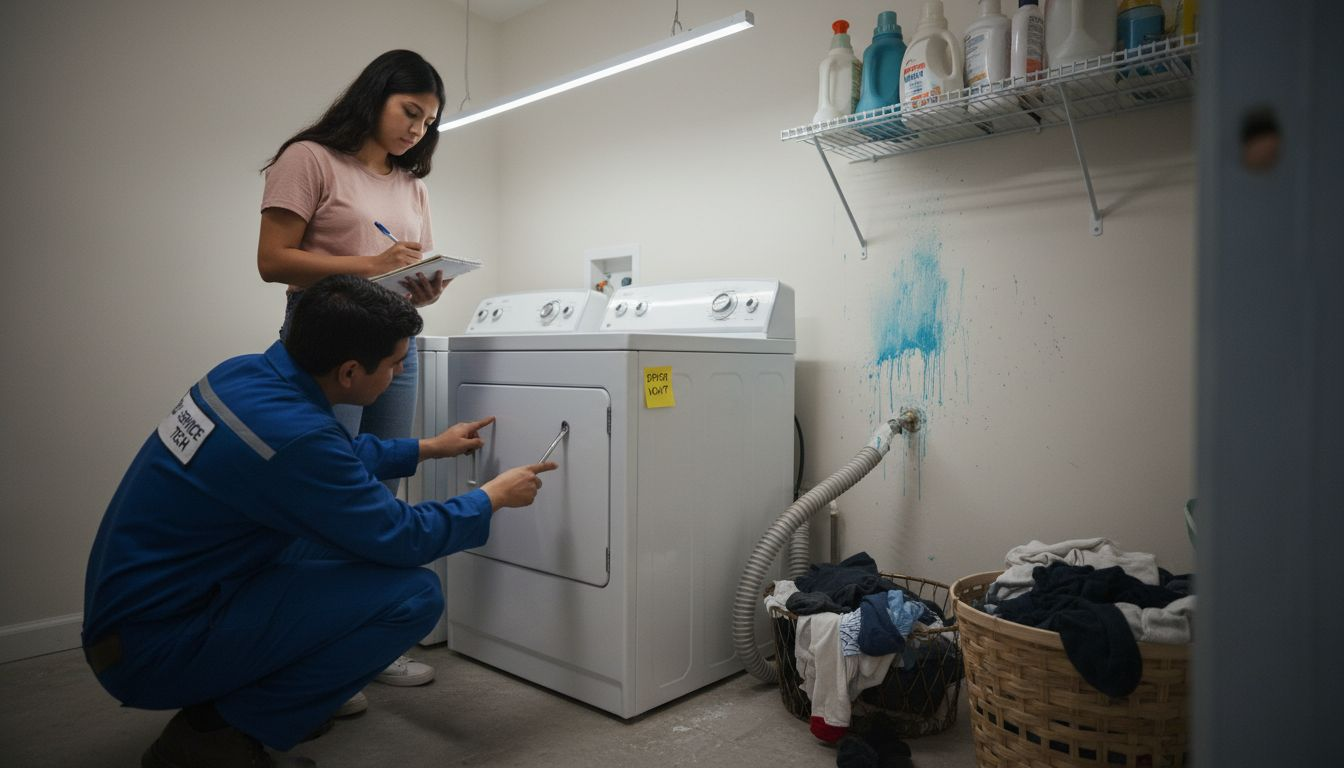
Professional appliance audits are systematic evaluations conducted by trained technicians to assess the performance, safety, and efficiency of household equipment. Professional testing protocols involve comprehensive examinations that go far beyond simple visual inspections.
The professional audit process typically includes several critical stages:
- Initial equipment documentation
- Comprehensive visual inspection
- Performance and functionality testing
- Energy efficiency measurements
- Safety compliance verification
During the initial stage, technicians carefully document each appliance’s make, model, age, and current operational condition. This baseline assessment helps create a detailed record of the equipment’s status and identifies potential areas of concern before conducting more in-depth evaluations.
Detailed testing procedures involve multiple sophisticated assessment techniques:
- Electrical connection integrity checks
- Thermal performance measurements
- Mechanical component stress testing
- Energy consumption analysis
California’s stringent regulations require auditors to verify appliances against specific Title 20 energy efficiency standards. These specialized assessments ensure that household equipment meets the state’s rigorous requirements for power consumption, environmental impact, and overall performance.
Professional appliance audits represent a critical investment in home safety, energy efficiency, and long-term equipment reliability.
Pro tip: Request a comprehensive written report after your audit, documenting specific recommendations and potential energy-saving opportunities for your household appliances.
Cost Savings and Increased Home Safety
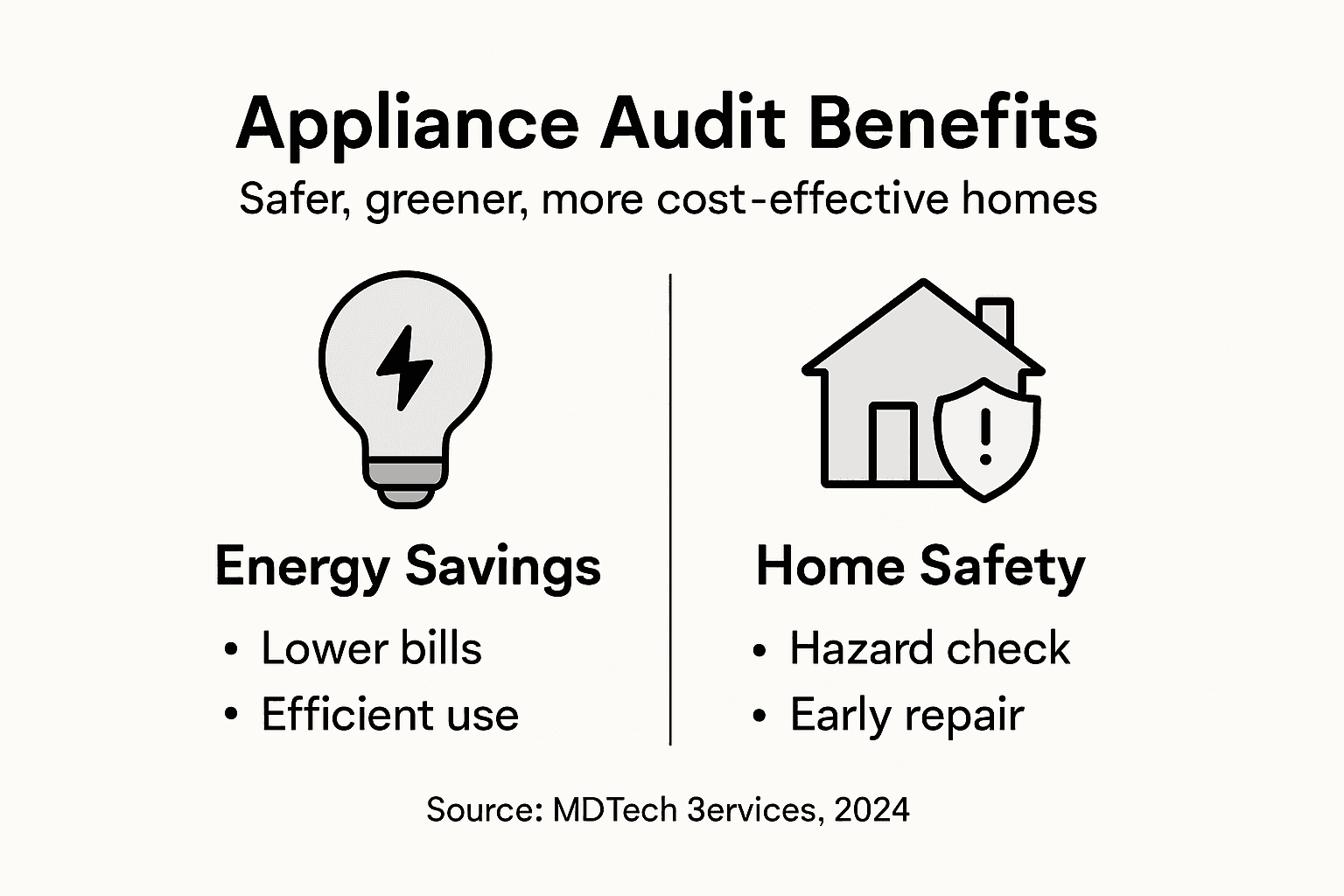
Homeowners in California can significantly benefit from regular appliance audits, which offer substantial financial and safety advantages. Energy efficiency standards demonstrate that proactive equipment assessments can dramatically reduce utility expenses and minimize potential home hazards.
The key financial benefits of appliance audits include:
- Reducing monthly energy consumption
- Identifying inefficient equipment
- Preventing costly unexpected repairs
- Extending appliance lifecycle
- Avoiding potential emergency replacements
Most homeowners do not realize that inefficient appliances can waste significant amounts of energy, often increasing utility bills by 15-30% annually. Comprehensive audits provide detailed insights into each appliance’s performance, helping residents make informed decisions about repair, maintenance, or replacement strategies.
Safety represents another critical dimension of professional appliance audits. These evaluations help identify potential risks such as:
- Electrical connection vulnerabilities
- Gas line integrity issues
- Mechanical wear and tear
- Potential fire hazards
- Carbon monoxide emission risks
Professional appliance audits are not an expense—they are a strategic investment in your home’s safety and financial health.
Pro tip: Combine your annual appliance audit with a comprehensive home energy assessment to maximize potential savings and identify comprehensive efficiency improvements.
The following table outlines how appliance audits impact both financial savings and home safety:
| Audit Impact | Financial Benefit | Safety Advantage |
|---|---|---|
| Identifies inefficiency | Reduces utility costs | Prevents fire and gas hazards |
| Extends appliance life | Avoids early replacement | Finds electrical vulnerabilities |
| Promotes maintenance | Lowers repair expenses | Improves overall home protection |
Avoiding Costly Repairs and Common Pitfalls
Homeowners can prevent significant financial losses by understanding and addressing potential appliance issues before they escalate. Appliance safety standards provide critical guidance for identifying and mitigating risks that could lead to expensive repairs or complete equipment failure.
Common pitfalls that homeowners frequently encounter include:
- Ignoring warning signs of appliance malfunction
- Postponing routine maintenance
- Using outdated or inefficient equipment
- Neglecting manufacturer recommended service intervals
- Attempting DIY repairs without proper knowledge
Electrical warning signs represent a critical area of concern for homeowners. Indicators that suggest immediate professional attention include:
- Frequent circuit breaker trips
- Unusual burning smells
- Visible scorch marks on outlets
- Inconsistent equipment performance
- Unexpected noises during operation
Most equipment failures are preventable with proactive monitoring and timely interventions. Professional inspections can identify potential issues before they transform into costly repairs, saving homeowners significant money and preventing potential safety hazards.
Small maintenance investments today can prevent catastrophic equipment failures tomorrow.
Pro tip: Maintain a detailed maintenance log for each appliance, tracking service dates, repairs, and performance changes to anticipate potential issues before they become expensive problems.
Secure Your California Home with Expert Appliance Audits and Repairs
Scheduling regular appliance audits is essential to identify inefficiencies, prevent costly repairs, and enhance home safety as emphasized in this article. If you are noticing signs of malfunction or want to ensure your appliances meet California’s strict energy and safety standards, expert help is just a click away. MDTech Services specializes in residential appliance repair and installation across Orange County and Los Angeles County. With licensed technicians and a safety-first approach, they provide reliable solutions for refrigerators, HVAC systems, and more.

Take control of your home’s energy efficiency and safety today by booking a professional service with MDTech Services. Visit MDTech Services to schedule your appointment online. Don’t wait for small issues to turn into expensive problems. Protect your home and lower utility costs with fast, expert audits and repairs tailored to California regulations.
Frequently Asked Questions
What is an appliance audit?
An appliance audit is a comprehensive evaluation of household appliances that assesses their energy efficiency, performance, and safety risks, providing detailed insights into their operational status.
Why are appliance audits important for my home?
Appliance audits help identify energy consumption patterns, detect potential safety hazards, determine maintenance needs, and evaluate overall appliance performance, ultimately saving money and preventing unexpected breakdowns.
How often should I schedule an appliance audit?
It is recommended to schedule a professional appliance audit annually to catch potential issues early and optimize your home’s energy performance.
What are the common types of appliance audits?
The primary types of appliance audits include energy efficiency audits, safety and functionality inspections, compliance and regulatory assessments, and performance benchmarking evaluations, each serving specific purposes to enhance appliance safety and efficiency.