
Nearly 90 percent of american homes rely on HVAC systems to keep indoor spaces comfortable year-round. Yet, confusion about how these systems work leads many homeowners to overlook vital repair and maintenance. Misconceptions can drive up energy bills, shorten equipment lifespan, and even compromise safety. This guide helps you cut through common myths and reveals what every homeowner needs to know for smarter, more reliable home climate control.
Table of Contents
- Defining HVAC Repair and Common Misconceptions
- Types of Residential HVAC Systems Explained
- How HVAC Repair Services Work
- Typical Issues Requiring HVAC Repair
- Costs, Safety, and When to Call Experts
Key Takeaways
| Point | Details |
|---|---|
| Understanding HVAC Repair | HVAC repair is essential for maintaining system performance and efficiency through regular diagnostics, maintenance, and specialized attention from professionals. |
| Common Myths in HVAC | Many homeowners mistakenly believe that larger units ensure better cooling and that routine maintenance is unnecessary, both of which can harm system efficiency. |
| When to Call a Technician | Homeowners should seek professional assistance when facing persistent temperature issues, unusual noises, or systems older than 10-15 years to ensure safe and effective repair. |
| Cost vs. Safety | Although DIY repairs may seem economical, hiring certified technicians guarantees safety, upholds manufacturer warranties, and enhances long-term system reliability. |
Defining HVAC Repair and Common Misconceptions
HVAC repair is a specialized technical service focused on maintaining, diagnosing, and restoring heating, ventilation, and air conditioning systems to ensure optimal performance and energy efficiency. According to Energy.gov, these systems are integral to residential comfort, encompassing multiple interconnected components that work together to regulate indoor temperature and air quality.
Many homeowners harbor misconceptions about HVAC maintenance that can lead to unnecessary expenses and reduced system performance. Common myths include believing that larger HVAC units automatically provide better cooling or that maintenance is optional. Energy.ca.gov emphasizes that routine professional checks are essential for energy efficiency and system longevity, contrary to popular belief.
The core of HVAC repair involves several critical components and procedures:
- Comprehensive system diagnostics
- Refrigerant level adjustments
- Electrical connection inspections
- Cleaning and replacing air filters
- Checking and calibrating thermostats
- Inspecting ductwork for leaks or damage
Professional HVAC technicians understand that each system is unique, requiring personalized attention and precision. Homeowners should recognize that proactive maintenance not only prevents unexpected breakdowns but can also significantly extend the lifespan of their heating and cooling systems.
Types of Residential HVAC Systems Explained
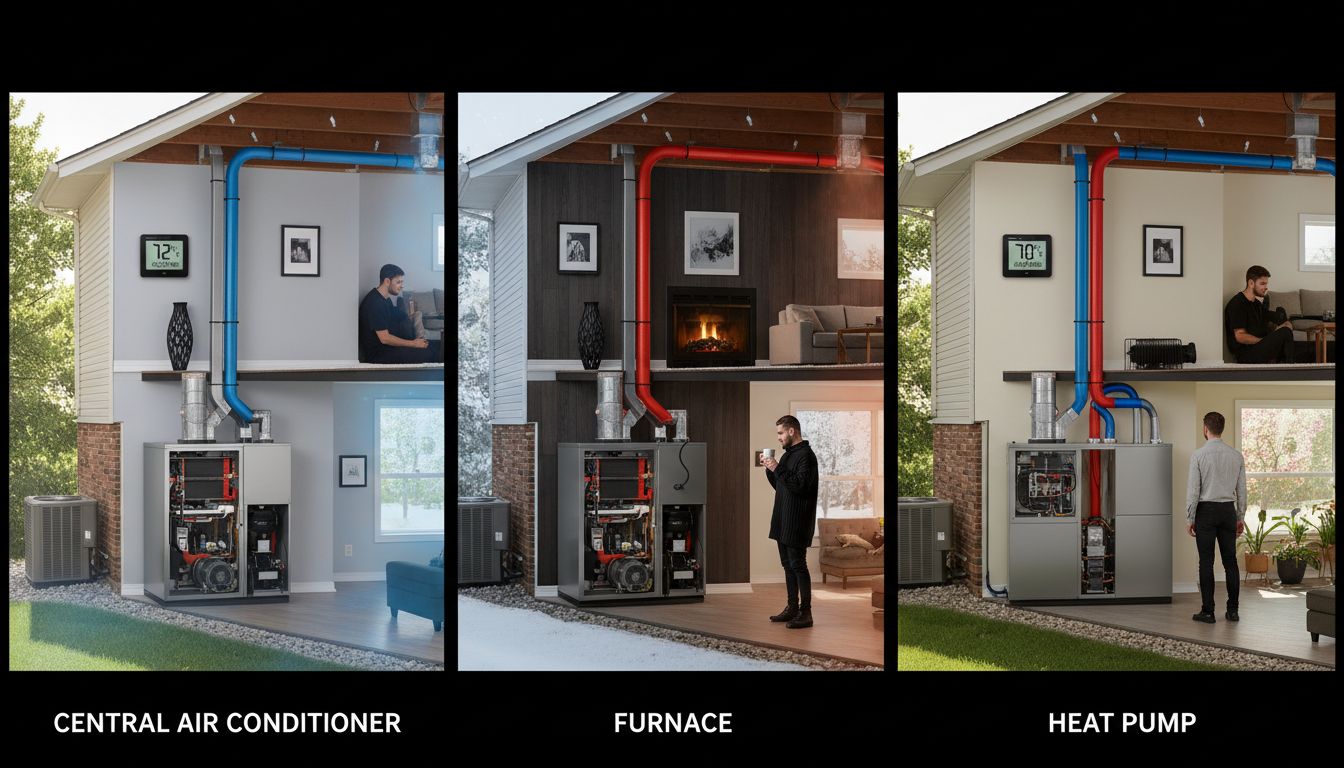
Residential HVAC systems are diverse, offering homeowners multiple options for maintaining comfortable indoor temperatures and air quality. Whole Building Design Group (WBDG) highlights that these systems range from boilers and furnaces to advanced heat pump technologies, each designed to meet specific heating and cooling needs.
According to Energy.gov, the most common residential HVAC systems include central air conditioners, heat pumps, and furnaces. Central air conditioners distribute cool air through ductwork, creating uniform temperature control throughout the home. Heat pumps offer a unique dual-function solution by transferring heat between indoor and outdoor environments, effectively providing both heating and cooling capabilities.
Each HVAC system type has distinct characteristics and advantages:
- Central Air Conditioners: Best for consistent cooling across entire homes
- Heat Pumps: Ideal for mild climates with efficient year-round temperature regulation
- Furnaces: Excellent for regions with cold winters, using natural gas or electricity
- Boilers: Provide radiant heating through steam or hot water distribution
Choosing the right HVAC system depends on factors like local climate, home size, energy efficiency goals, and budget. Professional HVAC technicians can help homeowners evaluate their specific needs and recommend the most suitable system for optimal comfort and energy performance.
How HVAC Repair Services Work
HVAC repair services are comprehensive technical interventions designed to diagnose, maintain, and restore heating, ventilation, and air conditioning systems to peak performance. NYSERDA emphasizes that these services go beyond simple repairs, encompassing preventive maintenance and strategic tune-ups that extend equipment life and improve overall energy efficiency.
According to Energy.gov, proper HVAC repair involves a systematic approach that includes multiple critical diagnostic and maintenance procedures. Key repair services typically include:
- Comprehensive system diagnostics
- Refrigerant level assessment and adjustment
- Electrical connection inspections
- Cleaning and replacing air filters
- Checking and calibrating thermostats
- Evaluating system performance and energy efficiency
Professional HVAC technicians employ specialized tools and advanced diagnostic techniques to identify potential issues before they escalate. This proactive approach not only prevents unexpected breakdowns but also helps homeowners save on long-term repair costs. Our comprehensive guide on appliance repair can provide additional insights into making informed maintenance decisions for your home’s critical systems.
The ultimate goal of HVAC repair services is to ensure optimal system performance, energy efficiency, and indoor comfort. By investing in regular professional maintenance, homeowners can extend their system’s lifespan, reduce energy consumption, and prevent costly major repairs down the line.
Typical Issues Requiring HVAC Repair
HVAC systems can experience a range of problems that compromise their performance and efficiency. Energy.gov highlights that common issues often stem from improper installation and refrigerant leaks, which can significantly reduce a system’s cooling capacity and overall effectiveness.
According to NYSERDA, the most frequent HVAC problems that require professional repair include:
- Dirty or clogged air filters
- Leaky ductwork
- Malfunctioning thermostats
- Electrical connection failures
- Refrigerant level imbalances
- Worn-out mechanical components
Some issues demand immediate attention to prevent more extensive damage. Homeowners should be alert to warning signs like unusual noises, inconsistent temperatures, increased energy bills, and reduced airflow. Our comprehensive guide on cooling issues can help you identify potential problems before they escalate into major system failures.
Professional HVAC technicians use advanced diagnostic tools to pinpoint and resolve these issues efficiently.
Proactive maintenance and timely repairs not only extend the life of your HVAC system but also ensure optimal performance, energy efficiency, and indoor comfort throughout the year.
Costs, Safety, and When to Call Experts
HVAC repair and maintenance involve complex considerations of cost, safety, and professional expertise. Energy.gov emphasizes the critical importance of hiring certified technicians to ensure both safe installation and optimal system performance, which can ultimately lead to significant long-term cost savings.
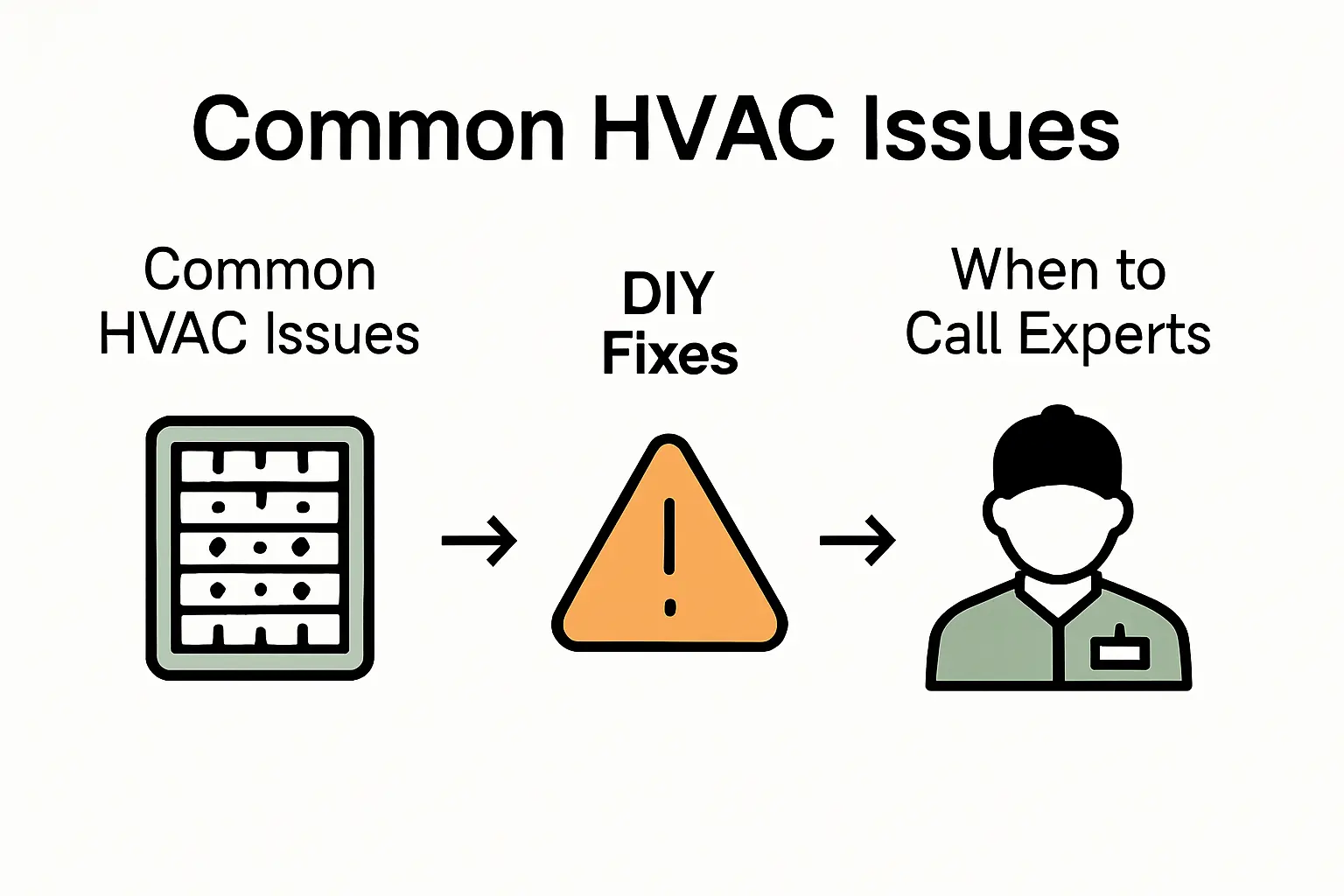
According to NYSERDA, repair and replacement costs can vary widely, but investing in energy-efficient upgrades often results in lower operating expenses. Homeowners should consider professional assessment when facing these key scenarios:
- Persistent temperature inconsistencies
- Unusual system noises
- Significant increases in energy bills
- Systems older than 10-15 years
- Frequent repair requirements
Safety is paramount when dealing with HVAC systems. Electrical connections, refrigerant handling, and complex mechanical components require specialized knowledge and tools. Our washer repair tutorial illustrates the importance of professional intervention, a principle that applies equally to HVAC systems.
Ultimately, while DIY repairs might seem cost-effective, professional HVAC technicians provide comprehensive diagnostics, ensure system safety, maintain manufacturer warranties, and deliver long-term performance solutions that protect your home’s comfort and your financial investment.
Ensure Your Home Comfort with Expert HVAC Repair from MDTech Services
If you have noticed inconsistent temperatures, strange noises, or rising energy bills, these are common signs that your HVAC system needs professional repair. The article “What Is HVAC Repair Complete Residential Guide” highlights how crucial timely maintenance and expert diagnostics are for preventing costly breakdowns and improving energy efficiency. Homeowners often face challenges identifying issues like refrigerant imbalances or faulty thermostats, but you do not have to navigate these problems alone.
At MDTech Services, our licensed technicians specialize in comprehensive HVAC repairs tailored to your home’s unique needs. From performing detailed system diagnostics to ensuring electrical safety and refrigerant adjustments, we guarantee reliable and energy-efficient solutions.
Ready to protect your home comfort and avoid unexpected repair costs?

Contact MDTech Services today to schedule your professional HVAC repair or appliance service visit. Visit our main site now to book online and get expert help from Orange County and Los Angeles County’s trusted local provider. Let us keep your heating and cooling systems running smoothly all year round.
Frequently Asked Questions
What is HVAC repair?
HVAC repair involves maintaining, diagnosing, and restoring heating, ventilation, and air conditioning systems to ensure optimal performance and energy efficiency in residential settings.
What are common issues that require HVAC repair?
Common HVAC problems include dirty or clogged air filters, leaky ductwork, malfunctioning thermostats, electrical connection failures, refrigerant level imbalances, and worn-out mechanical components.
How often should I have my HVAC system maintained?
It is recommended to schedule routine professional maintenance at least once a year to ensure optimal system performance, extend its lifespan, and improve energy efficiency.
What are some signs that my HVAC system needs repair?
Warning signs that indicate your HVAC system may need repair include unusual noises, inconsistent indoor temperatures, increased energy bills, and reduced airflow from vents.
Recommended
- Refrigerator repair Condenser Coil cleaning. The Ultimate Guide to Refrigerator Repair: How to Properly Clean the Condenser Coil – MDTech Services
- Hood repair Cooktop repair Vent repair Blower repair or Installation – MDTech Services
- Hood repair installation service Vent Blower Duct repair installation service.Transforming Kitchens: Hood Repair and Installation for a Better Cooking Experience – MDTech Services
- Refrigerator and Freezer Repair Hacks: Insider Tips from Industry Professionals – MDTech Services
- Residential Engineering: Complete Guide to Its Role – FloridaLicensedEngineers.com