
A broken refrigerator in the middle of a hot Southern California weekend can turn a simple day into a stressful scramble. For homeowners in Orange and Los Angeles County, quick action and smart decisions make all the difference when it comes to minimizing appliance downtime and avoiding bigger repair bills. This guide walks you through clear steps to assess your appliances, choose qualified professionals, and get your essential brands—like Sears—back up and running with less hassle.
Table of Contents
- Step 1: Assess Appliance Status And Repair Needs
- Step 2: Schedule Certified Local Repair Professionals
- Step 3: Prepare Home And Appliance Before Technician Arrival
- Step 4: Monitor Service Process For Safety And Accuracy
- Step 5: Verify Repairs And Restore Appliance Function
Quick Summary
| Main Insight | Explanation |
|---|---|
| 1. Assess appliance status regularly | Regular inspections can prevent major failures and reduce repair costs by identifying problems early. |
| 2. Hire certified repair professionals | Certified technicians provide specialized expertise, ensuring effective and efficient appliance repairs. |
| 3. Prepare your home for repairs | A clear and organized workspace allows technicians to work faster and more effectively during the service visit. |
| 4. Monitor the repair process | Engaging during repairs helps ensure quality and clarifies any concerns about the work being done on the appliance. |
| 5. Verify appliance performance after repairs | Testing the appliance post-repair ensures issues are resolved and confirms appliance safety and functionality. |
Step 1: Assess appliance status and repair needs
Evaluating the overall condition of your household appliances is critical for preventing unexpected breakdowns and minimizing repair costs. Appliance performance assessment helps homeowners identify potential issues before they escalate into major problems.
To effectively assess your appliance’s status, start by conducting a thorough visual and functional inspection. Here are key steps to determine whether repair or replacement is necessary:
- Check for visible signs of wear or damage
- Listen for unusual noises during operation
- Monitor performance inconsistencies
- Review the appliance’s age and maintenance history
Pay close attention to performance indicators that suggest potential problems. Appliance reliability data indicates certain warning signs should prompt immediate professional evaluation:
- Repeated cycling or inconsistent temperature
- Increased energy consumption
- Unusual sounds during operation
- Visible rust or physical deterioration
Detecting these issues early can help you make informed decisions about repair or replacement, potentially saving significant money and preventing complete system failure.
Here’s a comparison of common outcomes based on repair vs. replacement decisions for household appliances:
| Decision Type | Short-Term Cost Impact | Long-Term Reliability | Environmental Effect |
|---|---|---|---|
| Repair | Lower upfront cost | May require future fixes | Reduces landfill waste |
| Replacement | Higher initial expense | Longer functional lifespan | Increases resource consumption |
Pro tip: Keep a detailed maintenance log for each appliance to track performance trends and identify potential issues before they become costly repairs.
Step 2: Schedule certified local repair professionals
Finding and scheduling the right repair professional can significantly reduce your appliance downtime and ensure high-quality service. Certified maintenance professionals bring specialized expertise that can diagnose and resolve issues more effectively than generalist technicians.
To find the most qualified repair service, consider the following strategies:
- Research local certified repair professionals
- Check professional certifications and credentials
- Read customer reviews and testimonials
- Verify insurance and licensing status
When scheduling your repair, prepare important information to streamline the process:
- Gather appliance make and model details
- Document specific performance issues
- Have warranty information ready
- Prepare potential access points for technician
Choosing a certified professional ensures that your appliance receives expert care, potentially saving you time and money in the long run.
Be prepared to provide comprehensive details about your appliance’s symptoms and performance history. Accurate communication helps technicians diagnose problems more quickly and efficiently.
Pro tip: Take clear photos of your appliance’s model number and current condition before the technician arrives to expedite the diagnostic process.
Step 3: Prepare home and appliance before technician arrival
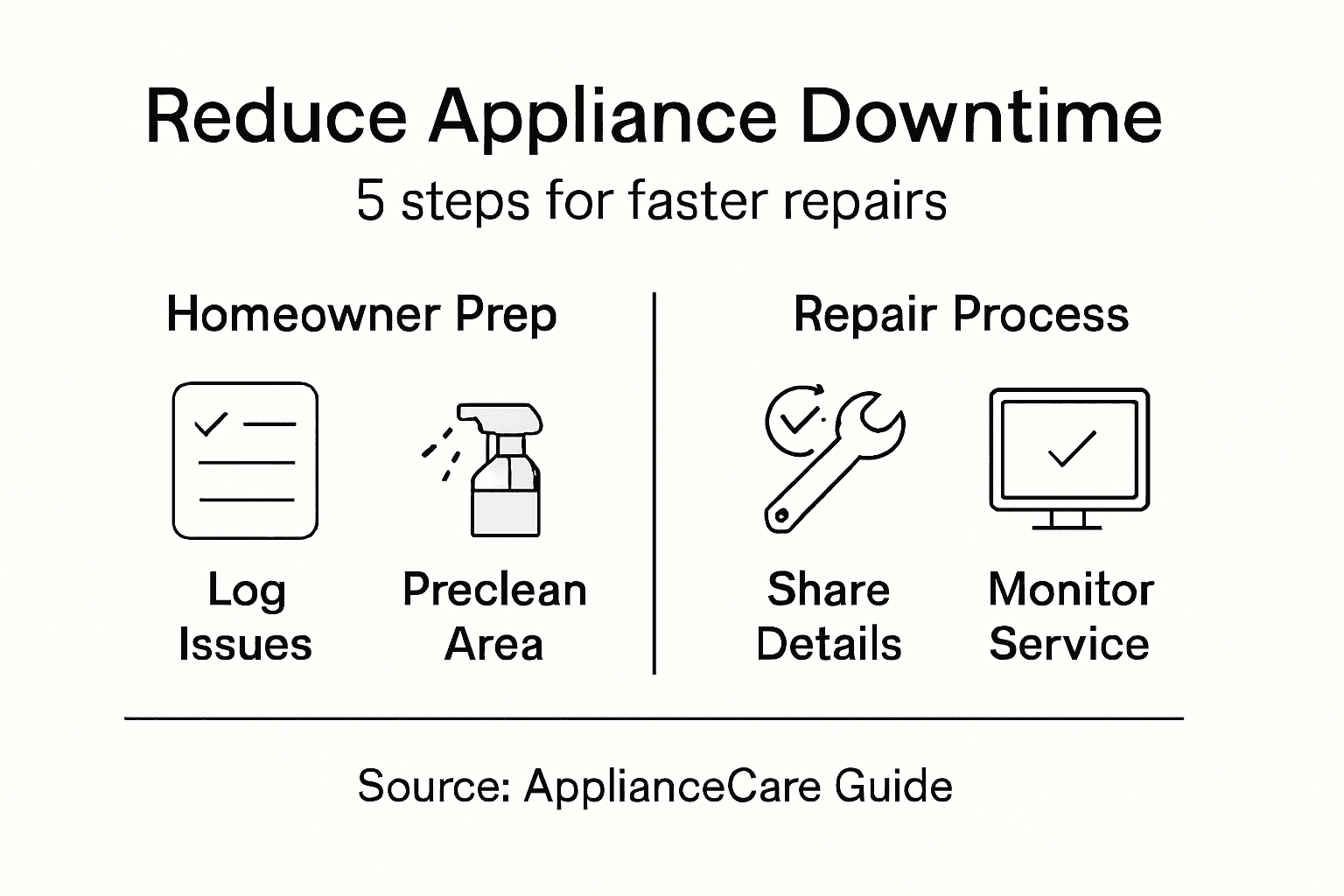
Preparing your home and appliance for a professional repair visit can significantly streamline the service process and help technicians work more efficiently. Home preparation guidelines recommend creating a clear and accessible environment for service professionals.
Before the technician arrives, take these critical steps to ensure a smooth repair experience:
- Clear the area around the appliance
- Gather relevant documentation
- Ensure proper electrical and water access
- Clean the appliance and surrounding workspace
Specifically, focus on creating an optimal workspace for the technician:
- Remove items blocking appliance access
- Organize maintenance records
- Prepare a list of observed issues
- Have tools or previous repair documentation ready
A well-prepared workspace can reduce repair time by up to 30% and help technicians diagnose problems more accurately.
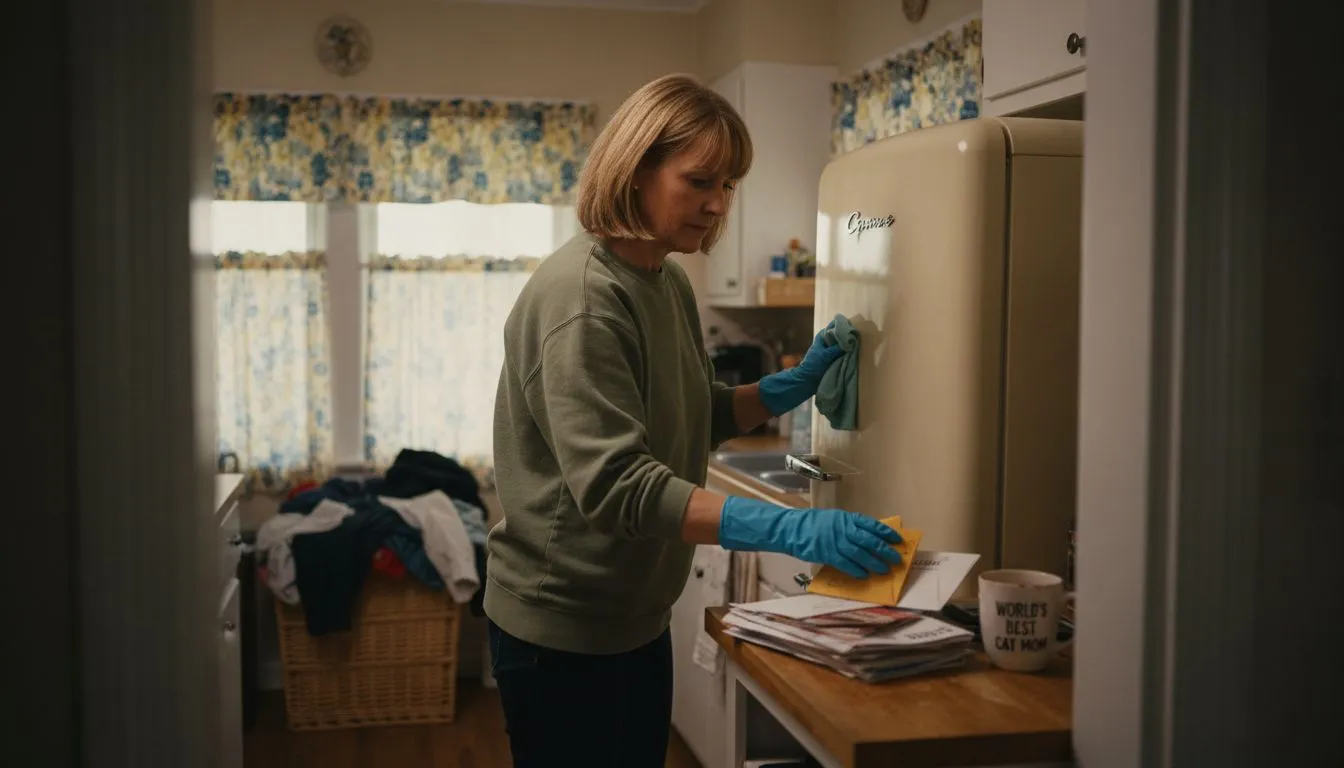
Thorough preparation means cleaning and disinfecting surfaces before the technician arrives. This not only ensures a hygienic environment but also helps the technician work more effectively.
Summary of preparation steps and their benefits for repair service efficiency:
| Preparation Step | Technician Benefit | Homeowner Advantage |
|---|---|---|
| Clear workspace | Easier appliance access | Faster repair time |
| Organize documents | Streamlined diagnostics | Improved communication |
| Ensure utility access | Immediate functionality checks | Reduced delays |
| Clean and disinfect area | Healthier work environment | Enhances service quality |
Pro tip: Create a dedicated workspace near the appliance with good lighting and easy access to power outlets to help the technician work more efficiently.
Step 4: Monitor service process for safety and accuracy
Active engagement during the appliance repair process helps ensure high-quality work and protects your investment. Corrective and preventive action strategies are critical for maintaining service quality and safety.
During the repair process, focus on these key monitoring strategies:
- Observe technician’s diagnostic approach
- Ask clarifying questions about identified issues
- Request explanation of repair steps
- Verify parts being replaced
Specifically, track the repair process through these important steps:
- Request a detailed problem diagnosis
- Confirm recommended repair solutions
- Understand potential long-term implications
- Review parts and labor warranty details
Proactive monitoring can prevent future breakdowns and ensure comprehensive repair solutions.
Systematic tracking involves analyzing repair process data to understand the comprehensive repair approach. This helps you verify the technician’s methodology and ensure thorough service.
Pro tip: Request a written repair report including diagnosed issues, parts replaced, and recommended future maintenance to maintain a comprehensive record of your appliance service.
Step 5: Verify repairs and restore appliance function
After a professional repair, thoroughly testing your appliance ensures the service effectively resolved the original issue. Comprehensive repair verification helps confirm that your appliance is functioning correctly and safely.
To guarantee a successful repair, conduct a systematic evaluation of your appliance’s performance:
- Run a complete operational cycle
- Check all functional settings and features
- Monitor temperature and performance consistency
- Listen for any unusual sounds
Follow these detailed steps to verify repair effectiveness:
- Power on the appliance and observe initial startup
- Test each operational mode and setting
- Measure performance against original specifications
- Document any remaining or new issues
A thorough verification process can prevent recurring problems and ensure long-term appliance reliability.
If any issues persist, carefully document repair outcomes to support potential follow-up service or warranty claims. Systematic documentation provides a clear record of the repair process and any remaining concerns.
Pro tip: Create a brief video recording of the appliance’s performance during your verification test to provide concrete evidence if additional service is required.
Minimize Appliance Downtime With Expert Local Repair
Dealing with appliance breakdowns can disrupt your routine and cause unexpected stress. The article highlights the challenge of reducing appliance downtime through careful assessment, preparation, and monitoring during repairs. If you have experienced frustration with unreliable service or want to avoid repeated breakdowns, MDTech Services offers fast and reliable solutions tailored to your needs in Orange County and Los Angeles County. Our team of licensed technicians specializes in quick diagnostics, certified repairs, and efficient installations to get your household appliances back up and running faster.

Don’t let appliance issues keep you waiting. Benefit from our safety-first approach and expert repairs for refrigerators, ice machines, HVAC systems, and more. Visit MDTech Services today to book your appointment online and experience dependable local service that prioritizes minimizing your appliance downtime. Explore how our certified professionals make the difference at MDTech Services and schedule your repair now to protect your home comfort without delay.
Frequently Asked Questions
How can I efficiently assess my appliance’s condition before scheduling repairs?
To efficiently assess your appliance’s condition, conduct a visual and functional inspection, checking for wear, unusual noises, and performance inconsistencies. Document any issues you observe to provide precise information when contacting a repair service.
What information should I prepare before meeting with a repair technician?
Before meeting with a repair technician, gather the appliance’s make and model information, specific performance issues, warranty details, and any previous maintenance records. This preparation can help the technician diagnose problems faster and may reduce repair time by up to 30%.
How do I monitor the repair process to ensure quality service?
To monitor the repair process effectively, observe the technician’s approach, ask questions about the diagnosis, and request explanations for the repair steps. Engaging actively can help prevent future breakdowns and ensure comprehensive repairs.
What steps should I take to verify that the appliance has been repaired correctly?
After repairs, verify that your appliance is functioning correctly by running a complete operational cycle and checking all settings for consistency. Document any remaining issues for potential follow-up service or warranty claims, as thorough verification helps ensure long-term reliability.
How can I prepare my home for a professional appliance repair visit?
Prepare your home by clearing the area around the appliance, organizing maintenance records, and ensuring access to utilities needed for repairs. A well-prepared workspace facilitates quicker repairs and enhances the service quality you receive.