
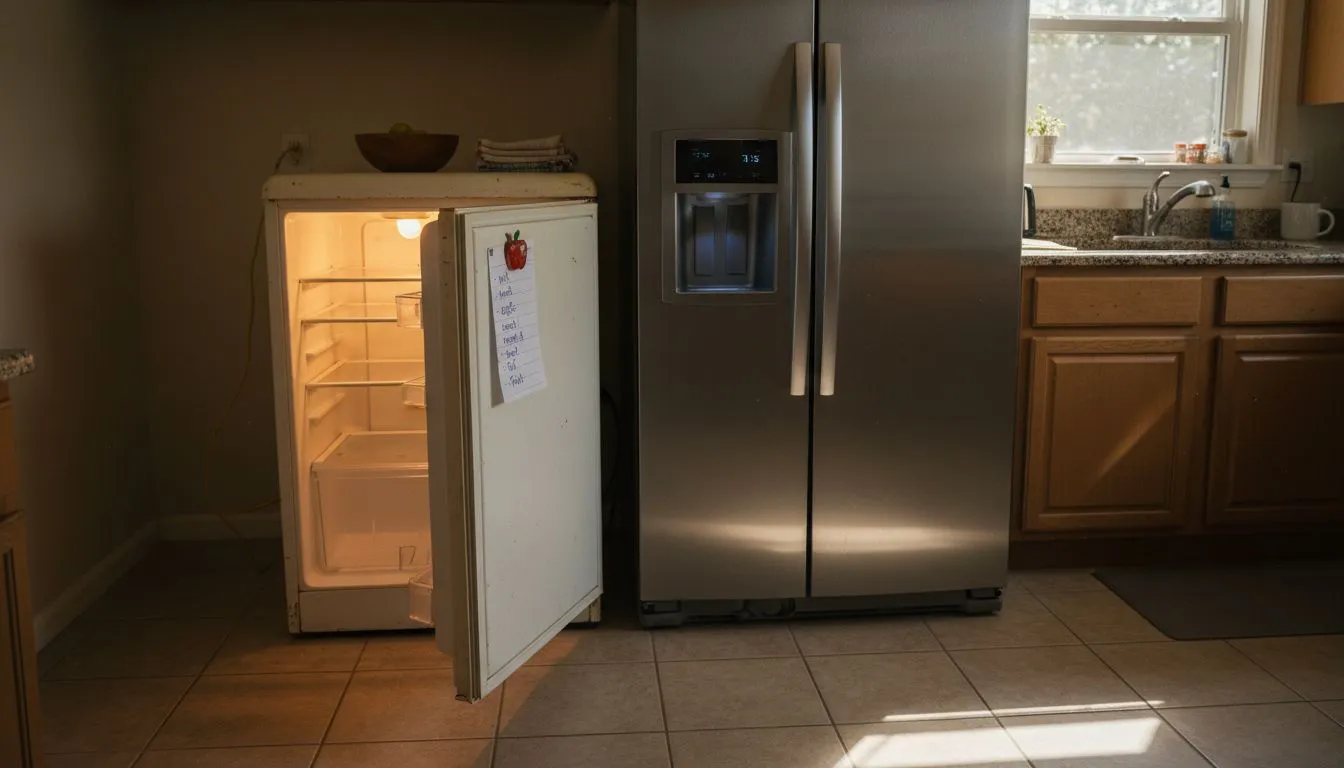
 Upgrading old appliances can help the average American homeowner cut electricity usage by up to 40 percent and avoid constant repair headaches. In Orange and Los Angeles County, replacing outdated appliances is a smart way to lower energy bills and protect your home’s safety. With local experts offering reliable service, you can make a well-informed decision that supports long-term financial health and increases your property’s overall value.
Table of Contents
- What Upgrading Old Appliances Means
- Types Of Home Appliances To Upgrade
- How Energy Efficiency And Technology Impact Homes
- Home Value, Rebates, And Environmental Savings
- Cost, Safety, And Repair Considerations
Key Takeaways
| Point | Details |
|---|---|
| Energy Efficiency | Upgrading to modern appliances can significantly reduce electricity usage, leading to lower utility bills. |
| Safety Improvements | New appliances often include enhanced safety features that minimize fire hazards and electrical risks. |
| Financial Incentives | Homeowners should explore available rebates and tax credits that can offset the costs of energy-efficient upgrades. |
| Long-term Value | Energy-efficient appliances can increase home marketability and potentially raise property value by 3-5%. |
What Upgrading Old Appliances Means
Upgrading old appliances is more than just swapping out aging equipment—it represents a strategic investment in your home’s efficiency, safety, and long-term financial health. When homeowners decide to upgrade, they’re essentially replacing outdated, energy-hungry appliances with modern, energy-efficient technologies that deliver substantial performance improvements.
These upgrades encompass several key aspects. First, newer appliances consume significantly less electricity, which directly translates to reduced monthly utility bills. Modern refrigerators, washers, dryers, and dishwashers feature advanced technologies like precision sensors and high-efficiency motors that minimize energy waste. For instance, an ENERGY STAR certified refrigerator can use up to 40% less energy compared to older models, representing meaningful savings for Orange and Los Angeles County households.
Beyond energy efficiency, upgrading appliances improves overall home safety and functionality. Older appliances often develop mechanical wear that increases breakdown risks and can potentially create electrical hazards. New models incorporate enhanced safety features, more reliable components, and meet current manufacturing standards. This means fewer unexpected repairs, reduced maintenance costs, and greater peace of mind for homeowners.
Pro Tip: Before purchasing a new appliance, always check local utility rebate programs and federal tax credits that can offset your initial investment and provide additional financial incentives.
Types Of Home Appliances To Upgrade
When considering home appliance upgrades, homeowners should focus on major energy-consuming devices that offer significant efficiency improvements. Major appliances represent critical opportunities for reducing household energy consumption and lowering utility expenses. The most impactful appliances to upgrade typically include refrigerators, clothes washers and dryers, water heaters, and cooking equipment.
Refrigerators stand out as prime candidates for replacement, given their continuous operation and substantial energy demands. Modern refrigerator models with improved insulation, advanced compressor technologies, and smart temperature controls can dramatically reduce electricity usage. A new ENERGY STAR certified refrigerator can save homeowners hundreds of dollars over its lifetime by consuming up to 40% less energy compared to older models.
Clothes washers and dryers also present significant upgrade potential. High-efficiency models feature advanced moisture sensors, variable spin speeds, and improved motor technologies that minimize energy waste. Water heaters represent another critical upgrade opportunity, with newer tankless and heat pump models offering substantially better energy performance compared to traditional tank-style units. Electric ovens and cooktops with precise temperature controls and improved heating elements can further contribute to overall home energy efficiency.
Here’s a comparison of typical benefits gained by upgrading major home appliances:
| Appliance Type | Typical Efficiency Gain | Safety Improvements | Potential Lifetime Savings |
|---|---|---|---|
| Refrigerator | Up to 40% less energy | Modern wiring, fire safety | $300–$800 in electricity |
| Clothes Washer/Dryer | 20–30% less energy | Reduced overheating risks | $120–$500 in energy costs |
| Water Heater | 30–55% less energy | Leak detection, safer power | $250–$1,000 energy saved |
| Cooking Equipment | 20% less energy | Cool-to-touch surfaces | $60–$200 over five years |
Pro Tip: When planning appliance upgrades, always compare the estimated annual energy cost on the yellow EnergyGuide label to calculate long-term savings potential and select the most cost-effective model.
How Energy Efficiency And Technology Impact Homes
Energy efficiency technologies are revolutionizing how homeowners manage and consume electricity, transforming residential spaces into smarter, more sustainable environments. Home energy technologies improve comfort by reducing waste, lowering utility expenses, and creating more responsive living spaces. These advancements go beyond simple device upgrades, fundamentally changing how homes interact with energy systems.
Modern technological innovations like smart thermostats, advanced heat pumps, and intelligent lighting systems enable precise energy management. Homeowners can now monitor and control energy consumption in real-time, identifying inefficiencies and automatically adjusting system performance. Heat pump technologies, for instance, can provide both heating and cooling more efficiently than traditional HVAC systems, often reducing energy consumption by 30-60% compared to standard electric resistance heating.
The broader impact of these technologies extends to home infrastructure and environmental sustainability. Preparing homes for electrification involves updating electrical systems, wiring, and capacity to support high-efficiency electric appliances and emerging technologies like electric vehicles. This future-proofing approach not only reduces carbon footprints but also increases property values by integrating cutting-edge energy solutions that align with growing environmental consciousness.
Pro Tip: Consider scheduling a professional home energy audit to identify specific efficiency opportunities and prioritize technological upgrades that offer the most significant long-term savings.
Home Value, Rebates, And Environmental Savings
Homeowners today are discovering that energy-efficient upgrades offer far more than just reduced utility bills. Home improvement rebates support sustainability by providing financial incentives that make green technology more accessible. The Inflation Reduction Act has transformed the landscape of home energy improvements, creating substantial economic opportunities for environmentally conscious homeowners.
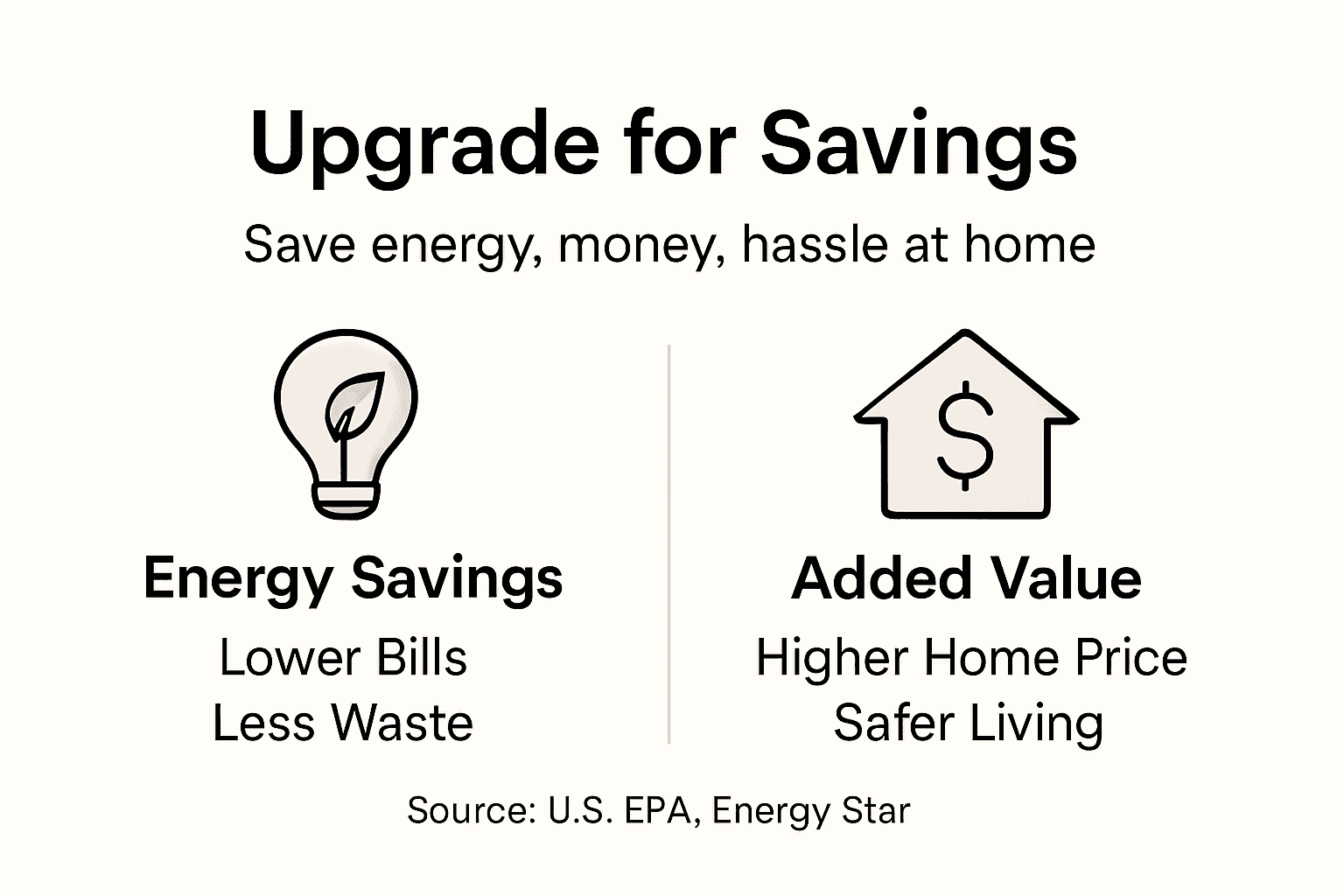
Federal and state rebate programs now provide significant financial support for energy-efficient appliance upgrades. Homeowners can receive tax credits ranging from $500 to $2,000 for installing high-efficiency heat pumps, smart thermostats, and electric-ready home improvements. These incentives are typically structured based on household income and the specific energy-saving technologies implemented, making sustainable upgrades more attainable for a broader range of homeowners.
Beyond immediate financial benefits, energy-efficient home upgrades generate long-term value by increasing property marketability and reducing operating costs. Homes with modern, efficient systems can command higher resale prices, with studies showing potential value increases of 3-5% compared to similar properties without green technologies. Additionally, these improvements contribute meaningfully to environmental conservation by reducing carbon emissions and minimizing overall energy consumption across residential communities.
Pro Tip: Before making any upgrades, research current federal and state rebate programs to maximize your financial incentives and document all improvements for potential tax credits.
Cost, Safety, And Repair Considerations
Homeowners face complex decisions when considering appliance upgrades, balancing immediate expenses with long-term benefits. Appliance shopping involves strategic cost evaluation that extends far beyond the initial purchase price. Understanding the total cost of ownership means examining upfront expenses, ongoing energy consumption, potential repair costs, and safety implications.
The financial landscape of appliance replacement involves multiple layers of consideration. While energy-efficient models might initially cost more, they generate substantial savings through reduced utility bills and fewer repair requirements. A high-efficiency refrigerator or washer could save hundreds of dollars annually in electricity costs, offsetting its higher purchase price within just a few years. Moreover, newer appliances incorporate advanced safety features that minimize electrical risks, reduce fire hazards, and provide more reliable performance compared to aging equipment.
Maintenance and repair considerations play a crucial role in the decision-making process. Older appliances typically require more frequent repairs, with maintenance costs escalating as components degrade. Professional technicians often recommend replacement when repair expenses approach 50% of a new appliance’s cost. Additionally, modern appliances come with comprehensive warranties, providing financial protection and peace of mind that older models cannot match. The cumulative savings from reduced energy consumption, fewer repairs, and enhanced safety make upgrading a financially prudent long-term strategy.
The table below summarizes key factors to consider when deciding to repair or replace aging appliances:
| Factor | Older Appliances | New Energy-Efficient Models |
|---|---|---|
| Upfront Cost | Lower purchase price | Higher initial investment |
| Repair Frequency | Requires frequent fixes | Minimal maintenance needed |
| Warranty Coverage | Limited or expired | Multi-year comprehensive |
| Annual Energy Costs | Often much higher | Substantially reduced |
Pro Tip: Collect repair receipts for your current appliances and calculate their total maintenance costs over the past two years to objectively compare the financial impact of replacement versus continued repair.
Upgrade Your Home Appliances with Confidence and Expert Care
Outdated appliances can drain your wallet with high energy bills and unexpected repairs. The article highlights how energy-efficient models reduce costs, improve safety, and enhance home comfort for homeowners in Orange County and Los Angeles County. If you face the challenges of frequent appliance breakdowns or want to maximize your savings with the latest technology, expert help is just a click away. MDTech Services specializes in fast, reliable appliance repair and installation that prioritizes your safety and long-term savings.

Discover how professional appliance servicing can extend the life of your refrigerators, washers, and ovens or help you transition smoothly to efficient new systems. Don’t wait for costly failures or high utility bills to push you into action. Visit MDTech Services today to book an appointment online and explore our trusted solutions. Our licensed technicians deliver expert repairs, quick installations, and even appliance conversions from LP to natural gas with a safety-first approach. Take the smart step to protect your home and save money by choosing professional appliance services that keep your family comfortable and your energy costs down.
Frequently Asked Questions
What are the benefits of upgrading old appliances?
Upgrading old appliances can lead to significant energy savings, reduced utility bills, improved safety, and enhanced functionality. New models often feature advanced technologies that consume less energy and require fewer repairs, providing long-term financial benefits.
How much energy can I save by replacing my old refrigerator?
A new ENERGY STAR certified refrigerator can use up to 40% less energy than older models, potentially saving homeowners hundreds of dollars over its lifetime through decreased electricity costs.
Are modern appliances safer than older ones?
Yes, modern appliances come equipped with improved safety features and reliable components that reduce risks of breakdowns and electrical hazards, thus providing greater peace of mind compared to older appliances that may be prone to malfunctions.
What types of appliances should I prioritize for upgrades?
Homeowners should focus on major energy-consuming appliances such as refrigerators, clothes washers and dryers, water heaters, and cooking equipment, as these typically offer the most significant efficiency improvements and cost savings.
Recommended
- 7-Step Appliance Replacement Checklist for Homeowners
- Why Replace an Old Fridge – Safety, Savings, and Comfort – MDTech Services
- Appliance repair or Installation service Appliance Repair vs. Replacement: How to Make the Right Decision for Your Home – MDTech Services
- Step-by-Step Guide to Appliance Safety Inspections at Home