
Most American households rely on appliances for daily convenience, yet more than 25 percent of home fires in Orange and Los Angeles County originate from preventable appliance issues. Overlooking basic safety measures can transform trusted appliances into hidden hazards. By uncovering common myths and highlighting essential facts about appliance safety, this guide empowers local homeowners to protect their families, save money, and confidently maintain safer living spaces.
Table of Contents
- Defining Appliance Safety And Common Myths
- Types Of Household Appliance Hazards
- How Regular Maintenance Prevents Accidents
- Legal And Insurance Requirements For Safety
- Risks And Consequences Of Neglecting Safety
Key Takeaways
| Point | Details |
|---|---|
| Appliance Safety Awareness | Homeowners must understand that not all appliances are safe and proactive maintenance is essential to prevent risks. |
| Categories of Hazards | Key hazards include electrical, mechanical, thermal, and chemical risks, which require vigilance and regular checks. |
| Importance of Regular Maintenance | Routine inspections and professional servicing are crucial for preventing accidents and extending appliance lifespan. |
| Legal and Insurance Responsibilities | Homeowners should document maintenance actions to meet insurance requirements and reduce liability risks. |
Defining Appliance Safety and Common Myths
Appliance safety represents a critical yet often misunderstood aspect of home maintenance, involving systematic practices that prevent electrical hazards, mechanical failures, and potential household accidents. Homeowners frequently underestimate the potential risks associated with everyday household devices, creating dangerous assumptions that can lead to serious injuries or property damage.
One prevalent myth is that all appliances sold in the market are inherently safe and require minimal attention. In reality, safety standards vary widely across manufacturers, and consumers must remain proactive about understanding potential risks. Many household accidents occur not because of manufacturing defects, but due to improper usage, lack of regular maintenance, or ignoring warning signs of potential mechanical issues.
Common safety myths include believing that low-cost appliances are just as reliable as premium models, that periodic inspections are unnecessary, and that minor electrical or mechanical irregularities can be ignored. These misconceptions can create significant safety risks. Electrical malfunctions, mechanical wear, and user error represent the primary categories of appliance-related dangers. Understanding these risk factors requires recognizing that appliance safety is an ongoing process involving careful selection, proper installation, regular maintenance, and attentive operation.
Pro tip: Conduct a quarterly visual inspection of your home appliances, checking electrical cords, examining plug connections, and listening for unusual sounds that might indicate potential mechanical issues.
Types of Household Appliance Hazards
Household appliances, while essential for modern living, harbor multiple potential safety hazards that can compromise home and personal safety. Comprehensive analysis of domestic device risks reveals complex categories of potential dangers, ranging from electrical and mechanical malfunctions to thermal and chemical risks.
Electrical hazards represent the most prevalent threat, encompassing issues like faulty wiring, overloaded circuits, and deteriorating electrical components. Electrical malfunctions can lead to short circuits, sparking, and potential fire risks, with aging appliances presenting heightened danger. Mechanical risks include component wear, broken parts, and potential moving mechanism failures that could cause physical injuries, particularly in devices with rotating or high-pressure elements like washing machines and dishwashers.
Thermal and chemical hazards add another layer of complexity to appliance safety. Smart appliances and devices with lithium-ion batteries introduce emerging risks related to overheating, battery degradation, and potential chemical leakage. Kitchen appliances like stoves, ovens, and microwaves pose significant thermal risks, with potential for burns, fire initiation, and heat-related component failures. Understanding these multifaceted risks requires homeowners to remain vigilant and proactive about appliance maintenance and potential warning signs of developing issues.
Here’s a summary of major household appliance hazard types and their typical sources:
| Hazard Type | Common Sources | Possible Consequences |
|---|---|---|
| Electrical | Faulty wiring, aging components | Fires, electric shock |
| Mechanical | Worn parts, broken mechanisms | Physical injury, malfunction |
| Thermal | Overheating, poor ventilation | Burns, fire risk |
| Chemical | Battery leaks, chemical spills | Poisoning, hazardous fumes |
Pro tip: Invest in annual professional inspections for major household appliances, focusing on electrical connections, mechanical integrity, and potential heat-related wear to prevent unexpected failures.
How Regular Maintenance Prevents Accidents
Regular appliance maintenance represents a critical strategy for preventing household accidents and ensuring long-term safety. Comprehensive electrical safety guidelines emphasize proactive maintenance as the primary defense against potential home hazards, highlighting the importance of systematic inspection and timely intervention.
Preventive maintenance involves several key components that address potential risks before they escalate. This includes routine visual inspections of electrical cords, checking for signs of wear or fraying, monitoring plug connections, and ensuring proper ventilation for heat-generating appliances. Homeowners should pay special attention to aging devices, as electrical components degrade over time, increasing the likelihood of short circuits, overheating, and potential fire risks. Critical areas of focus include examining power cords, assessing plug integrity, and verifying that appliances operate within their intended specifications.
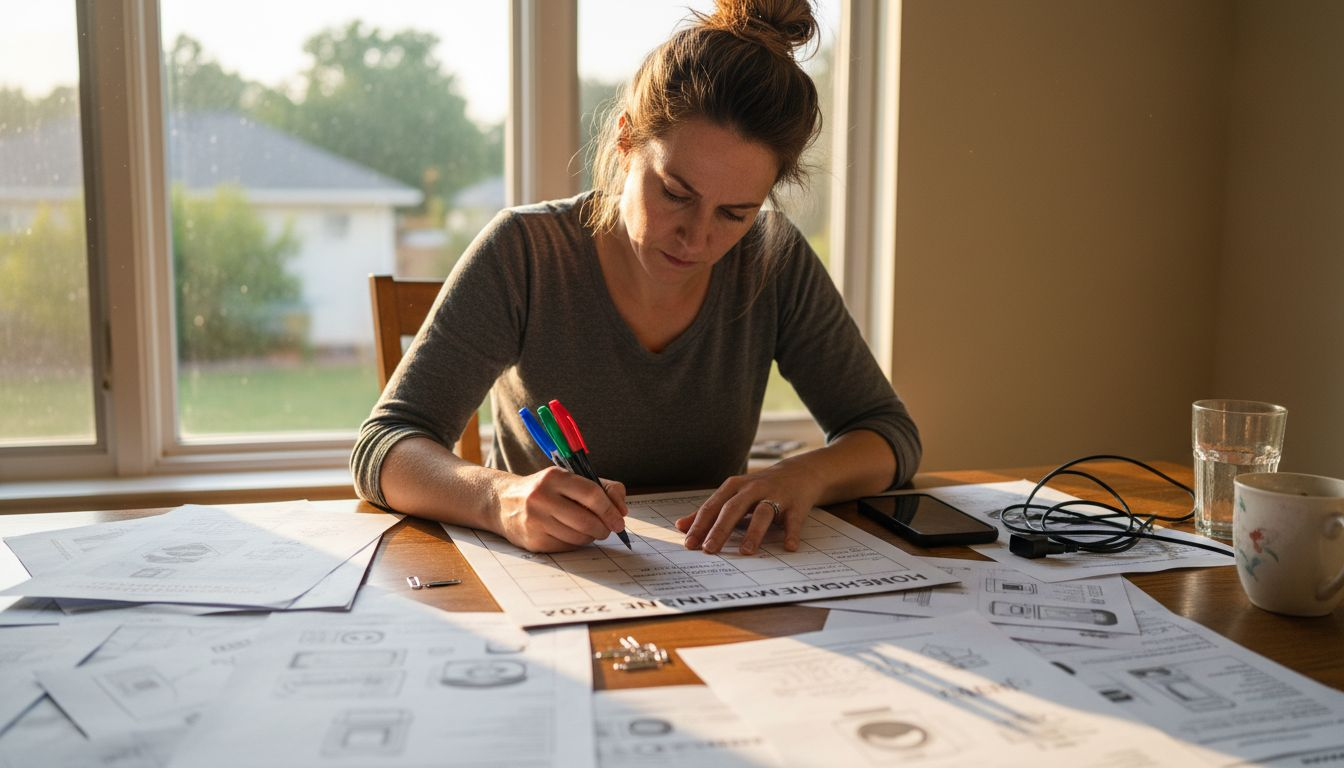
Beyond visual inspections, maintenance also encompasses cleaning, lubrication, and professional servicing of complex household devices. Kitchen appliances, HVAC systems, and electronic devices require specialized attention to prevent mechanical failures and electrical complications. Regular professional maintenance can identify subtle issues that might go unnoticed during casual inspections, such as internal component wear, electrical system stress, or emerging mechanical vulnerabilities. This approach not only prevents potential accidents but also extends the operational lifespan of expensive household equipment.
Pro tip: Create a maintenance calendar tracking each major appliance’s recommended inspection schedule, setting reminders for professional servicing and documenting any repairs or observations.
Legal and Insurance Requirements for Safety
Homeowners face complex legal and insurance landscapes when it comes to appliance safety, with numerous regulations designed to protect consumers and establish clear responsibility standards. Federal standards comprehensively govern appliance manufacturing, testing, and performance requirements across more than 60 different product categories, creating a robust framework for consumer protection and safety.
Insurance compliance plays a critical role in managing potential risks associated with household appliances. Most homeowners insurance policies require documented evidence of regular maintenance and adherence to manufacturer guidelines. Policies typically include specific clauses regarding electrical and mechanical failures, with coverage often contingent upon demonstrating responsible ownership. This means homeowners must maintain detailed records of professional inspections, repairs, and maintenance to ensure potential claims are not denied due to negligence.
Legal requirements extend beyond manufacturing standards, encompassing installation, maintenance, and operational protocols. Homeowners are legally responsible for ensuring appliances meet current safety standards, with potential liability for accidents caused by unmaintained or improperly installed equipment. Electrical codes, building regulations, and manufacturer warranties create a complex web of requirements that demand proactive management. Professional technicians must be licensed and follow strict guidelines, and homeowners should prioritize working with certified professionals who understand these intricate legal and safety frameworks.
Pro tip: Maintain a comprehensive digital and physical file documenting all appliance maintenance, inspections, and repairs, including dates, professional service reports, and receipts to support potential insurance claims and demonstrate responsible ownership.
Risks and Consequences of Neglecting Safety
Neglecting appliance safety can trigger catastrophic consequences that extend far beyond simple equipment malfunction. Comprehensive safety analysis reveals devastating potential outcomes for households that ignore maintenance and safety protocols, including substantial financial losses, personal injury, and potentially life-threatening scenarios.
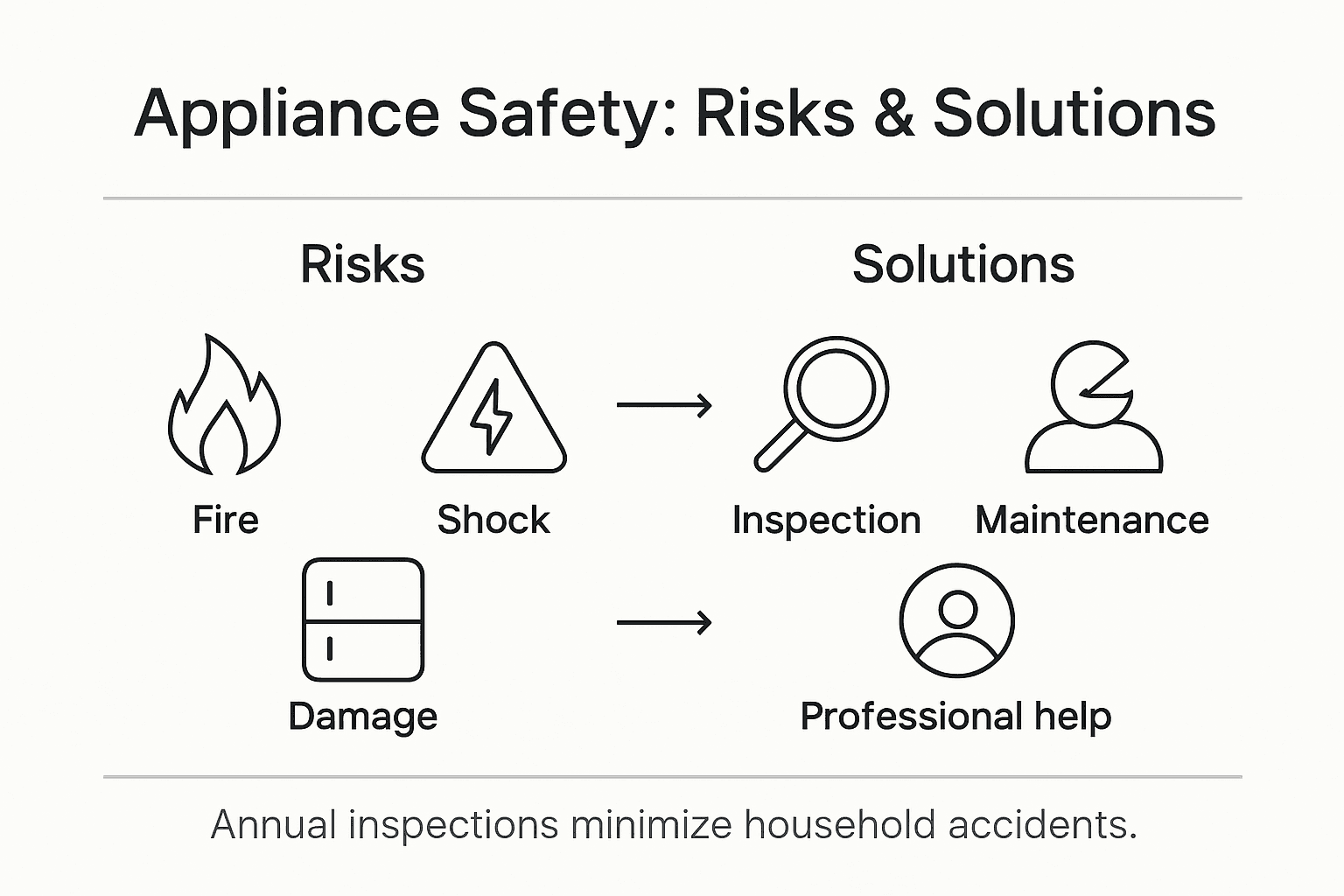
Financial risks represent one of the most immediate and tangible consequences of appliance safety negligence. Homeowners who fail to maintain their devices face potential scenarios of total equipment replacement, extensive property damage, and significantly increased insurance premiums. Electrical fires, mechanical failures, and unexpected breakdowns can result in thousands of dollars of unexpected expenses. The U.S. Consumer Product Safety Commission estimates that preventable appliance-related incidents cost homeowners millions in damage and repair costs annually, with many of these expenses directly attributable to poor maintenance and ignored warning signs.
Beyond financial implications, safety neglect poses severe personal and legal risks. Unmaintained appliances create direct physical dangers, including electrical shock, fire hazards, and mechanical injury potential. Families might face tragic consequences from preventable accidents, with potential long-term health impacts and emotional trauma. Legal liability can extend to homeowners who knowingly operate faulty equipment, potentially exposing them to significant legal and financial penalties if accidents result in injury or property damage to others.
This table compares proactive appliance safety actions and what can happen if safety is neglected:
| Action Type | Effect on Safety | Consequence If Neglected |
|---|---|---|
| Regular maintenance | Prevents accidents | Increased breakdowns |
| Professional inspection | Detects hidden faults | Fire and injury risk |
| Record keeping | Supports insurance claims | Denied coverage, liability |
Pro tip: Schedule a comprehensive annual safety audit for all major household appliances, treating it as a non-negotiable investment in your home’s safety and your family’s well-being.
Protect Your Home with Trusted Appliance Safety Services
The article highlights key challenges like electrical malfunctions, mechanical wear, and the risks of neglecting regular maintenance that can lead to costly repairs and dangerous accidents. As a homeowner in Orange County or Los Angeles County, you understand the crucial need for professional appliance care to prevent fires, shocks, and breakdowns. Ensuring your appliances receive expert inspections and timely repairs is essential to protecting your family’s safety and your property’s value.
MDTech Services specializes in prompt, reliable repairs and installations for major household appliances including refrigerators and ice machines. Our licensed technicians focus on safety-first solutions aligned with industry standards to help you avoid the severe consequences of neglect outlined in the article. Whether you need appliance conversions from LP to natural gas or comprehensive appliance servicing, we offer responsive support designed to keep your home safe and running smoothly.
Take control of your home’s appliance safety today by scheduling professional service with MDTech Services.

Don’t wait for warning signs to turn into emergency repairs. Visit MDTech Services now for fast online appointment booking and expert help. Learn more about our trusted appliance repair and installation services designed to keep your household safe and efficient. Your family’s peace of mind starts with a simple step—secure professional appliance care today.
Frequently Asked Questions
Why is appliance safety important in my home?
Appliance safety is crucial as it prevents electrical hazards, mechanical failures, and accidents that could lead to serious injuries or property damage. Regular maintenance and understanding risks help ensure a safe household environment.
What are common household appliance hazards?
Common hazards include electrical issues such as faulty wiring, mechanical problems like worn parts, thermal risks from overheating appliances, and chemical hazards such as battery leaks. Each of these can pose significant safety threats in the home.
How often should I conduct appliance maintenance?
Regular maintenance should be conducted at least quarterly for visual inspections and annually for professional servicing. This helps detect potential issues early, reducing the risk of accidents and extending the lifespan of your appliances.
What are the consequences of neglecting appliance safety?
Neglecting appliance safety can lead to catastrophic outcomes, including financial losses from equipment replacement and property damage, as well as personal injury from electrical shocks, fires, or mechanical failures.
Recommended
- Role of Safety in Appliance Repair: Complete Guide – MDTech Services
- Appliance repair or Installation service Appliance Repair vs. Replacement: How to Make the Right Decision for Your Home – MDTech Services
- Why Regular Appliance Maintenance Matters Most – MDTech Services
- Dishwasher repair or Installation Garbage disposal repair or Installation Airgap repair pump repair Fixing Dishwashers, Garbage Disposals, and More! – MDTech Services
- Haushaltsbatterien wechseln: Schritt-für-Schritt Anleitung – accu.blog
- Essential Boiler Maintenance Checklist for Homeowners – Skan Plumbing & Heating