
Most American households keep their refrigerators far longer than experts recommend, with studies showing nearly 40 percent of American kitchens house units older than a decade. That age often brings hidden expenses, from soaring electricity bills to unpredictable cooling that can compromise food safety. Understanding what really makes a refrigerator “old” can help you spot warning signs before minor inconveniences turn into costly problems or health risks.
Table of Contents
- What Constitutes An Old Refrigerator
- Efficiency And Energy Costs Of Aging Models
- Modern Refrigerator Features And Benefits
- Food Safety Risks With Older Refrigerators
- Environmental Impact And Disposal Requirements
Key Takeaways
| Point | Details |
|---|---|
| Old Refrigerators Often Waste Energy | Models manufactured before 2010 can consume 35% to 50% more electricity, increasing utility costs significantly. |
| Signs It’s Time to Replace | Frequent repairs, inconsistent temperatures, and excessive condensation indicate that replacement may be necessary. |
| Modern Features Enhance Efficiency | New refrigerators boast advanced technologies that improve energy efficiency and food preservation, reducing waste and operating costs. |
| Responsible Disposal is Essential | Proper recycling of old refrigerators prevents environmental contamination from harmful refrigerants and insulating materials. |
What Constitutes an Old Refrigerator
Determining whether your refrigerator qualifies as “old” involves several critical factors beyond its simple calendar age. A typical refrigerator manufactured before 2000 is generally considered outdated, with significant technological and efficiency improvements emerging in the past two decades. Modern refrigerators consume substantially less energy compared to older models, making age a crucial consideration for homeowners seeking to reduce utility expenses.
The age benchmark for replacement typically falls between 10 to 15 years, though this can vary depending on maintenance and usage patterns. Refrigerators manufactured before 2010 often lack contemporary energy efficiency standards and may consume 40% more electricity than newer models. Energy efficiency experts recommend evaluating refrigerators based on their operational costs and performance, which go beyond mere chronological age.
Key indicators that suggest a refrigerator is approaching obsolescence include frequent repair needs, inconsistent cooling temperatures, excessive condensation, loud operational sounds, and visible wear on door seals. Older refrigerators might also lack modern features like smart temperature controls, energy-saving modes, and advanced insulation technologies. When repair costs start approaching 50% of a new unit’s price, replacement becomes the most financially prudent decision.
Review common warning signs that indicate it’s time to replace your refrigerator:
| Warning Sign | Underlying Issue | Potential Consequence |
|---|---|---|
| Frequent breakdowns | Component failure | Increased repair costs |
| Warm/uneven compartments | Cooling inefficiency | Food spoilage, safety risk |
| Excessive condensation | Worn door seals | Mold, higher energy bills |
| Loud operational noises | Compressor wear | Imminent appliance failure |
Pro Tip for Refrigerator Efficiency: Run an energy consumption test by monitoring your current refrigerator’s electricity usage with a plug-in energy meter. Compare its monthly operating costs against newer models to determine whether replacement could generate meaningful long-term savings.
Efficiency and Energy Costs of Aging Models
Older refrigerators represent significant energy consumption challenges for homeowners, with models manufactured before 2010 potentially consuming substantially more electricity than contemporary designs. Residential refrigerators from previous decades can drain significantly more energy compared to modern ENERGY STAR-certified models, creating hidden financial burdens through increased utility expenses.
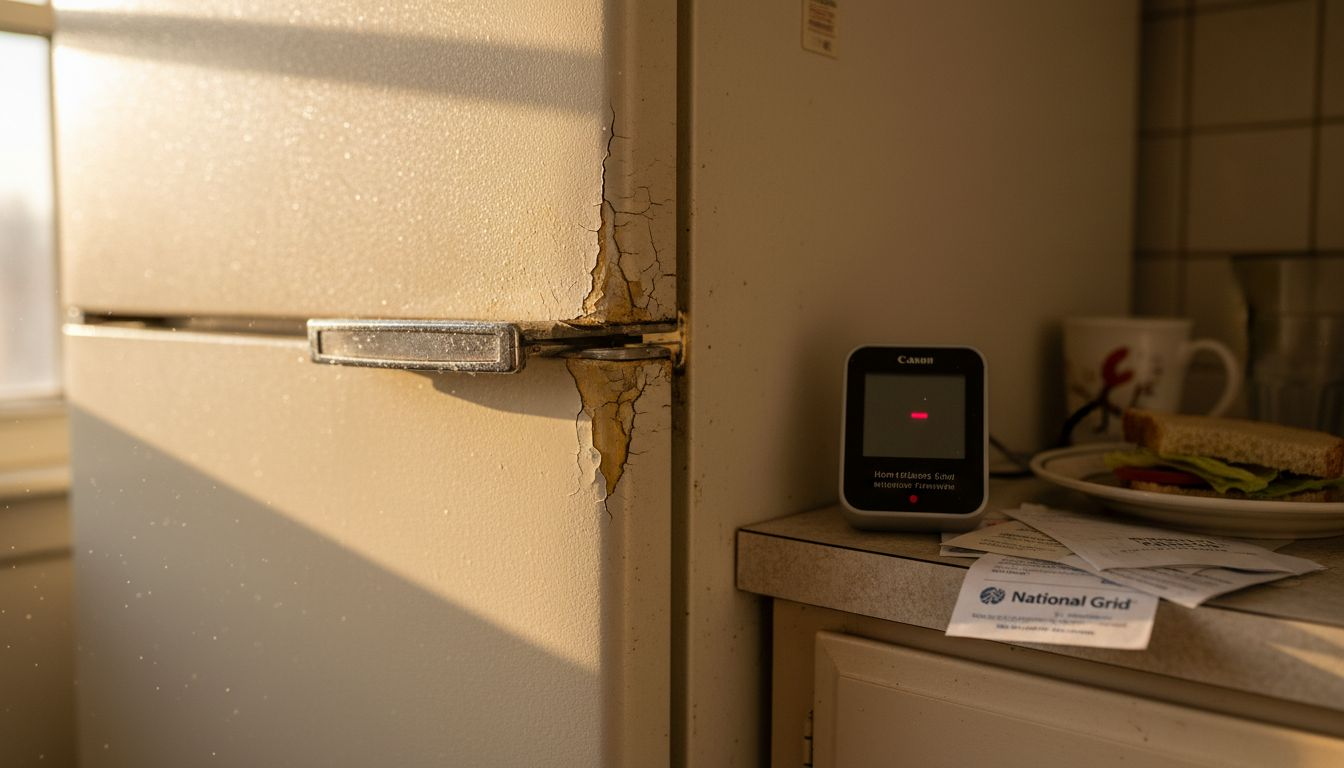
The energy inefficiency of aging refrigerators stems from outdated compressor technologies, inferior insulation materials, and less sophisticated temperature control mechanisms. A typical refrigerator older than 15 years might consume between 35% to 50% more electricity than current energy-efficient models, translating into hundreds of dollars in additional annual energy costs. These inefficiencies arise from technological limitations that were standard during their original manufacturing period.
Additional factors contributing to energy waste include degraded door seals, worn compressor components, and reduced thermal insulation performance. Homeowners can conduct simple diagnostic tests to assess their refrigerator’s energy consumption, such as monitoring monthly electricity bills or using plug-in energy meters to track precise power draw. When annual energy costs consistently exceed potential replacement savings, upgrading becomes a financially strategic decision.
Pro Tip for Energy Assessment: Conduct a comprehensive energy audit of your refrigerator by tracking its monthly electricity consumption and comparing it against the estimated operating costs of newer, energy-efficient models to determine potential long-term savings.
Modern Refrigerator Features and Benefits
Contemporary refrigerators represent a quantum leap in technological innovation, offering homeowners unprecedented capabilities that extend far beyond basic food preservation. ENERGY STAR-certified refrigerators incorporate advanced technologies that dramatically improve energy efficiency and performance, transforming these essential appliances into smart, environmentally conscious household systems.
The technological advancements in modern refrigerators include multiple groundbreaking features. Smart temperature management systems now provide precise digital controls, allowing users to create specialized cooling zones with independent temperature settings. Innovative compressor technologies reduce energy consumption while maintaining consistent internal temperatures, with some models achieving up to 9% greater efficiency compared to standard units. Advanced moisture control mechanisms and humidity-regulated compartments help extend food freshness, potentially reducing household food waste by preserving produce and perishables more effectively.
Sophisticated modern refrigerators also integrate cutting-edge connectivity features, including smartphone compatibility, internal cameras for remote viewing, and automated inventory tracking. These intelligent systems can send notifications about expiring foods, suggest recipes based on available ingredients, and even allow users to adjust settings remotely. Additional benefits include improved insulation technologies, whisper-quiet operational mechanisms, and sleek design aesthetics that complement contemporary kitchen environments. Some models now feature touch-screen displays, water filtration systems, and modular compartment designs that adapt to changing storage needs.
Pro Tip for Smart Appliance Selection: Prioritize refrigerators with ENERGY STAR certification and multiple technological features, comparing their long-term energy savings potential against initial purchase costs to make the most financially strategic decision.
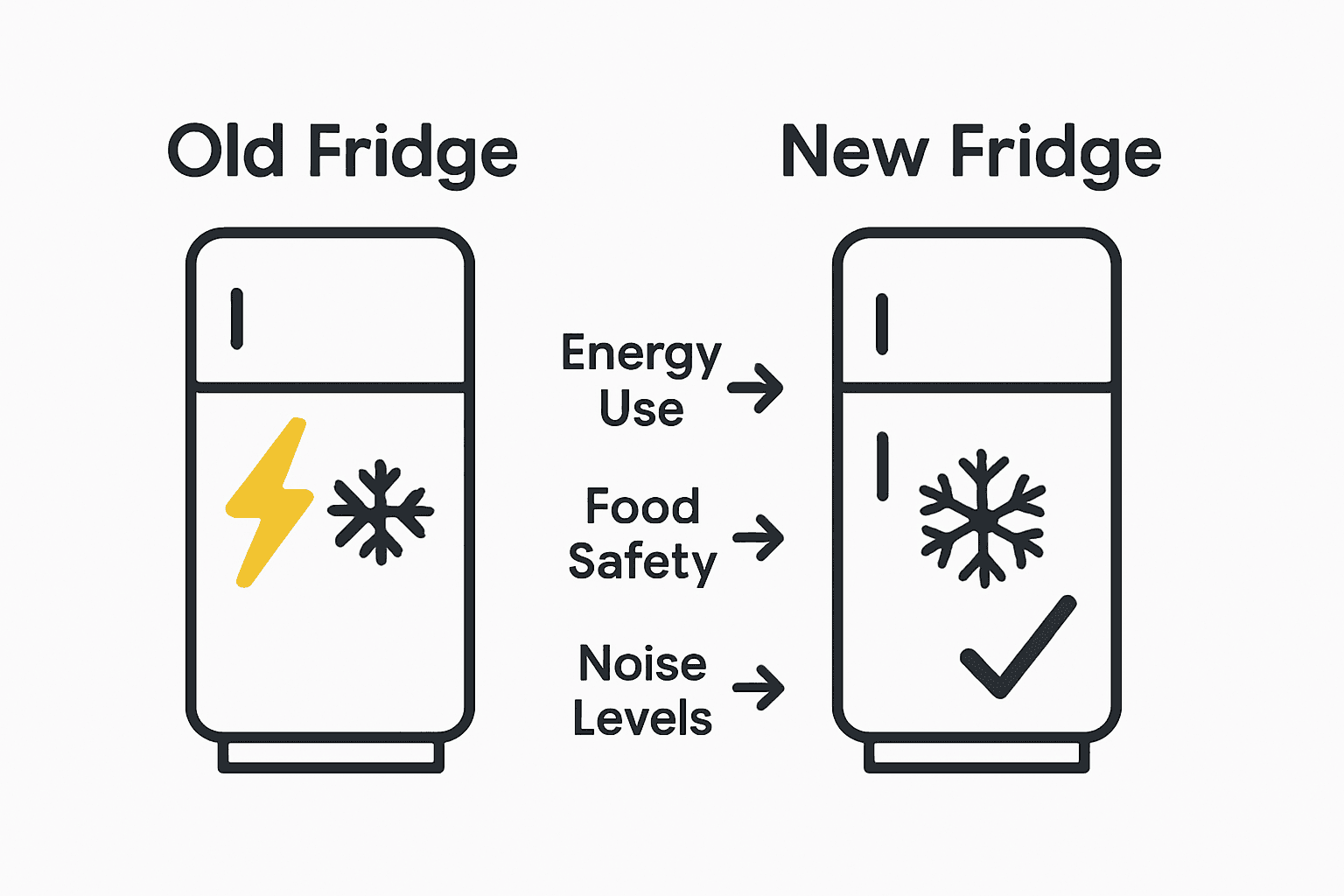
Here’s a side-by-side comparison highlighting key differences between older and modern refrigerators:
| Factor | Older Refrigerators (Pre-2010) | Modern Refrigerators |
|---|---|---|
| Energy Efficiency | Often 35–50% higher consumption | Dramatically reduced energy use |
| Cooling Technology | Basic compressors, frequent fluctuations | Advanced, stable digital controls |
| Food Preservation | Higher spoilage risk, poor humidity control | Improved freshness, optimized compartments |
| Features | Minimal, analog controls | Smart controls, modular design, connectivity |
| Environmental Impact | Contains CFCs/HCFCs, harder to recycle | Eco-friendly refrigerants, designed for recycling |
Food Safety Risks With Older Refrigerators
Older refrigerators present significant food safety challenges that many homeowners overlook, potentially exposing families to serious health risks. Temperature fluctuations in aging refrigerators create dangerous environments that compromise food preservation and increase bacterial growth, making consistent cooling a critical concern for household safety.
The mechanical deterioration of older refrigerators manifests through multiple critical vulnerabilities. Compromised door seals allow temperature inconsistencies, creating warm zones where harmful bacteria multiply rapidly. Degraded cooling systems struggle to maintain stable temperatures between 32-40 degrees Fahrenheit, the optimal range for preventing microbial growth. Compressor inefficiencies can cause dramatic temperature swings that accelerate food spoilage, potentially increasing the risk of foodborne illnesses such as salmonella and listeria by up to 200% compared to refrigerators with modern temperature control mechanisms.
Additional food safety risks emerge from structural issues common in older refrigeration units. Worn internal components like deteriorating water lines, rusted interior surfaces, and compromised drainage systems can introduce contaminants directly into food storage areas. Some older models lack modern antimicrobial linings and advanced humidity control features that help prevent mold and bacterial proliferation. These mechanical limitations transform refrigerators from protective food preservation environments into potential sources of cross-contamination and spoilage.
Pro Tip for Food Safety Monitoring: Invest in a reliable refrigerator thermometer and perform weekly temperature checks across different compartments, ensuring consistent cooling and identifying potential mechanical failures before they compromise food quality.
Environmental Impact and Disposal Requirements
Replacing an old refrigerator involves more than just upgrading household technology – it represents a significant environmental responsibility. Proper disposal of refrigeration units is crucial for preventing harmful environmental contamination, as older models contain refrigerants and insulating materials that can cause substantial ecological damage if not handled correctly.
The environmental complexity of refrigerator disposal stems from multiple intricate factors. Older refrigerators contain hydrochlorofluorocarbons (HCFCs) and chlorofluorocarbons (CFCs) within their cooling systems, potent greenhouse gases that can significantly contribute to atmospheric damage if released improperly. A single improperly discarded refrigerator can potentially release compounds equivalent to driving a passenger vehicle for several months. Responsible disposal requires specialized recycling processes that safely extract and neutralize these potentially harmful chemical compounds, preventing their release into the environment.
Most metropolitan areas and waste management facilities offer specialized refrigerator recycling programs designed to mitigate environmental risks. These programs typically involve carefully draining refrigerant chemicals, removing potentially hazardous components, and systematically breaking down the appliance into recyclable materials. Metals like steel and aluminum can be reclaimed and repurposed, while plastic components can be processed into new manufacturing materials. Some recycling initiatives even offer financial incentives or rebates for properly disposing of older, energy-inefficient appliances, creating a win-win scenario for consumers and environmental conservation.
Pro Tip for Responsible Disposal: Contact local waste management authorities or appliance retailers about certified recycling programs before disposing of an old refrigerator, ensuring environmentally responsible handling of potentially harmful materials.
Upgrade Your Refrigerator Today for Safety and Savings
If you have noticed frequent breakdowns, uneven cooling, or rising energy bills from your old refrigerator it may be time to act. Aging appliances not only increase your monthly costs but also pose safety risks like food spoilage and bacterial growth. At MDTech Services we understand these challenges and offer professional repair and installation solutions that help homeowners in Orange County and Los Angeles County stay comfortable and safe.

Don’t wait for costly repairs or compromised food safety. Visit MDTech Services to schedule expert refrigerator repair or a seamless replacement. Our licensed technicians specialize in quick service and safety-focused appliance installations that will help you enjoy modern features, improved efficiency, and peace of mind. Take control of your home comfort now by booking online or calling us to explore your best options at https://mdtechservices.com.
Frequently Asked Questions
What are the signs that indicate it’s time to replace my old refrigerator?
Key indicators include frequent breakdowns, warm or uneven cooling temperatures, excessive condensation, loud operational noises, and worn door seals. If repair costs approach 50% of a new unit’s price, consider replacement.
How much energy do older refrigerators consume compared to modern models?
Older refrigerators, especially those manufactured before 2010, can consume 35% to 50% more electricity than modern ENERGY STAR-certified models, resulting in significantly higher utility bills over time.
What modern features should I look for when replacing an old fridge?
Look for features such as smart temperature management systems, energy-efficient compressors, humidity-regulated compartments, and connectivity options like smartphone compatibility. These advancements help improve food preservation and energy efficiency.
How can I ensure the safe disposal of my old refrigerator?
Contact local waste management authorities or appliance retailers to find certified recycling programs. Proper disposal is important to prevent the release of harmful refrigerants and materials into the environment.